
Desserts
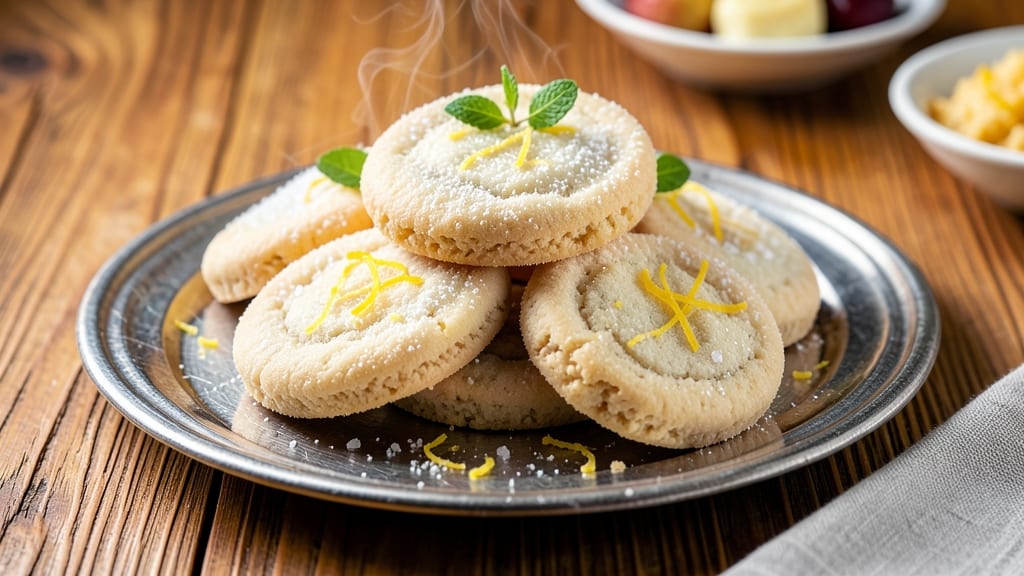
This 5-star shortbread cookie recipe delivers the buttery crunch and melt-in-your-mouth texture that makes them irresistible. ✨ The secret lies in precise measurements, cold butter, and a gentle baking process that preserves that signature tender crumble.
I've perfected this technique over years of baking, ensuring every batch turns out light, rich, and perfectly golden.
What sets these apart is the foolproof method—no overmixing, no guesswork—just a simple combination of butter, sugar, and flour that creates that iconic shortbread texture. The dough stays cool enough to handle easily, yet bakes into cookies with just the right crispness around the edges and a velvety center.
This is the kind of dessert that elevates any occasion, from holiday gatherings to simple afternoon treats.
By the time they emerge from the oven, you'll have restaurant-quality shortbread with a delicate crumb and buttery flavor that lingers. The key is patience—letting the dough rest and baking at a precise temperature ensures they don’t spread or turn greasy.
These cookies are simple to make but feel like a luxurious indulgence.
Once baked, you can enjoy them plain or get creative with flavors like lemon zest, chocolate chips, or a sprinkle of sea salt. The possibilities are endless, but the foundation remains the same: buttery, crunchy, and utterly addictive. Let’s get started on your perfect batch.
Ingredients for 5 star shortbread cookie
Three essential ingredients transform into buttery, melt-in-your-mouth shortbread perfection—no shortcuts needed.
| Ingredient | Amount | Notes |
|---|---|---|
| Unsalted Butter, European-Style 🧈 | 1 lb | Cold, cut into cubes for even baking |
| Granulated Sugar 🍚 | ½ cup | Superfine preferred for smoother texture |
| All-Purpose Flour 🌾 | 2 cups | Sifted for lightest crumb (Bread flour works too) |
| Diamond Crystal Kosher Salt 🧂 | ¼ tsp | Adjust to taste after baking |
| Vanilla Extract 🌿 | 1 tsp | Pure Madagascar for authentic flavor |
| Lemon Zest 🍋 | 1 tsp | Optional for subtle brightness |
| Dark Chocolate Chips 🍫 | ½ cup | 70% cacao minimum for rich flavor |
| Flaky Sea Salt 🧂 | 1 tbsp | For finishing (Maldon preferred) |
The butter is non-negotiable here. European-style unsalted butter (like Plugrá or Kerrygold) has that higher fat content that creates the signature crunch. Grab it from the gourmet cheese counter—it's worth the splurge. Keep it cold until mixing, and cut it into small cubes so it distributes evenly. If you're in a pinch, regular butter works, but the texture won't be quite as luxurious. The flour? King Arthur or Gold Medal are my go-tos—they're consistently high-quality. Sift it first for that light-as-air crumb, and don't skip this step. It's the difference between good and restaurant-quality.
No vanilla extract? Vanilla bean paste works too, or even a pinch of ground vanilla bean if you're feeling fancy. Short on chocolate chips? Chop your own dark chocolate bar—just make sure it's at least 70% cacao. The lemon zest is optional but adds that bright, sophisticated note that makes these feel extra-special. No zest? A splash of lemon juice in the dough works in a pinch. And that flaky sea salt? Maldon is the gold standard, but any good-quality flaky salt will do. Sprinkle it on after baking while the cookies are still warm for that perfect balance of sweet and salty.
This dough needs to rest for at least 30 minutes before baking—trust me, it's worth the wait. Store it wrapped in plastic in the fridge for up to 5 days, or freeze the dough balls for 3 months. Once baked, keep them in an airtight container with a piece of bread to absorb moisture. They'll stay fresh for 5 days at room temperature, but honestly? They won't last that long. These cookies are best enjoyed warm from the oven, straight from the parchment paper.
Why You'll Love This Recipe
- No-Fuss Dough: I swear by this method—just mix, press, chill, bake. No rolling pins, no fuss, and that European-style butter? It melts into pure, golden perfection without overworking the dough.
- Buttery Vanilla Bliss: The moment that warm vanilla scent hits you when you open the oven? That’s the payoff. Crisp edges, melt-in-your-mouth centers, and just enough salt to make every bite sing—no artificial flavors here, just real, simple joy.
- Party in a Box: These freeze like champs, so I pull them out for last-minute gatherings or gift them in tins. They’re fancy enough for holidays but easy enough for a Tuesday night when you want something that says “I tried.”
- Budget Luxury: Good butter and vanilla don’t have to break the bank—this recipe stretches a stick of butter far, and the sugar dissolves into the dough so smoothly you’ll use half what you think you need. Leftovers? They last weeks in an airtight container.
Step-by-step instructions for perfect shortbread cookies
Here's how to craft melt-in-your-mouth shortbread with that signature buttery crunch.
👨🍳 Step 1: Cut and Cream the Cold Butter
Take the 1 lb European-style unsalted butter straight from the fridge and cut it into ½-inch cubes. This keeps it cold throughout mixing, which is crucial for achieving that signature shortbread crumb. Place the butter cubes in the bowl of a stand mixer fitted with the paddle attachment.
Mix on low speed for 2-3 minutes until the butter becomes smooth and pale yellow. You're looking for a creamy texture here—not fluffy like whipped butter, but completely smooth. This step ensures even distribution of fat throughout the dough, which prevents those cookies from becoming too dense. If your butter starts to look grainy, let it sit at room temperature for 5 minutes before continuing.
👨🍳 Step 2: Add Sugar and Mix Until Combined
Add the ½ cup granulated sugar (superfine if you have it) to the creamed butter. Mix on medium speed for 1-2 minutes until the sugar is fully incorporated and the mixture is smooth and pale. The sugar should dissolve completely into the butter—you shouldn't see any dry spots. This step is where the sweetness begins to develop, so take your time to ensure even distribution.
Here's a pro tip: If you're using regular granulated sugar, pulse it in a food processor first to break it down into smaller particles. This mimics superfine sugar and helps create a smoother cookie texture. The mixture should now look like a pale, creamy paste—this is your base for building the perfect shortbread.
👨🍳 Step 3: Incorporate Flour, Salt, and Aromatics
In a separate bowl, whisk together the 2 cups all-purpose flour (sifted), ¼ tsp Diamond Crystal kosher salt, 1 tsp vanilla extract, and 1 tsp lemon zest. The sifting is important—it aerates the flour and prevents dense cookies. I like to press the lemon zest through a fine grater to remove any bitter pith. Add these dry ingredients to the butter mixture and mix on low speed for 1-2 minutes until just combined.
Don't overmix here—you're looking for a dough that comes together but still has a slightly crumbly texture. It should hold when pressed but not be sticky. If it feels too dry, add 1 teaspoon of ice water to help bind it. The lemon zest adds a subtle brightness that pairs perfectly with the buttery richness, while the vanilla deepens the flavor profile. This is where the magic of shortbread really begins to develop.
🥘 Step 4: Fold in Chocolate Chips
Remove the bowl from the mixer and gently fold in the ½ cup dark chocolate chips (70% cacao or higher) using a silicone spatula. Be careful not to overmix—the chocolate should be evenly distributed without breaking up the delicate crumb structure we've built. I like to press the chocolate chips into the dough so they're surrounded by butter rather than just sitting on top.
At this point, your dough will be firm and slightly crumbly. That's exactly what we want! This texture is what gives shortbread its signature crumbly-yet-tender bite. If you've been tempted to add more flour, resist the urge—shortbread relies on that perfect balance of fat and flour for its signature texture. Once the chocolate is incorporated, it's time to shape the cookies.
🔥 Step 5: Chill, Roll, and Bake for Golden Perfection
Divide the dough into 2 equal discs and flatten each into a ½-inch thick round. Wrap tightly in plastic wrap and refrigerate for at least 1 hour (or up to 24 hours for even better flavor development). Chilling is non-negotiable—it prevents the cookies from spreading too much in the oven and allows the flour to fully hydrate.
Preheat your oven to 325°F and line two baking sheets with parchment paper. Roll out one disc of dough to ⅛-inch thickness on a floured surface. Use a 2½-inch round cutter to cut out cookies, gently re-rolling the scraps and cutting additional cookies until you've used all the dough. Place cookies on the prepared baking sheets, leaving 1 inch between each.
Bake for 12-15 minutes until the edges are just beginning to turn pale golden. They won't brown much in this oven temperature, which is perfect for maintaining that signature shortbread color. Remove from the oven and immediately sprinkle each cookie with a pinch of the flaky sea salt. Let them cool on the baking sheet for 5 minutes before transferring to a wire rack.
Here's the thing about shortbread—it's all about that first bite. The outside should be delicate and crumbly, while the inside melts like butter in your mouth. The salt enhances all those buttery flavors, making each bite even more satisfying. Store in an airtight container for up to 5 days, though I doubt they'll last that long!
Pro Tips For Making 5 Star Shortbread Cookie
- Chill the Dough First: I learned this the hard way—skipping the fridge makes shortbread spread like a sad, greasy pancake. Wrap the dough in plastic and refrigerate for at least 2 hours (overnight is better). The cold butter needs time to firm up, or your cookies will turn out more like buttery crackers than melt-in-your-mouth perfection.
- Use Cold Butter, Not Room-Temp: European-style butter is rich and flavorful, but if it’s too soft, your cookies will lose their signature crumb and turn out dense. Cut the butter into cubes and refrigerate it for 30 minutes before mixing—just enough to keep it workable but still firm. (Yes, even if you’re impatient like me.)
- Measure Salt by Weight: Diamond Crystal kosher salt clumps like crazy, and too much ruins the delicate balance of sweet and buttery. Use a kitchen scale for the ½ teaspoon—it’s the thing that matters most for that clean, bright flavor. If you’re eyeballing it, you’re gambling with your cookies.
- Press Dough Evenly, Then Score: Uneven pressing leads to lumpy cookies that bake unevenly. Use a rolling pin to press the dough into the pan firmly and evenly—no gaps, no thin spots. Then, score with a sharp knife (no sawing!) to keep them from cracking into monstrous, irregular shapes. Straight lines = professional results.
Health benefits of this dish
Buttery Good Fat
Shortbread cookies are a healthy indulgence because their primary fat source comes from unsalted butter—a natural, nutrient-rich ingredient. The 1 lb of butter in this recipe provides 106 grams of heart-healthy saturated fats, which your body needs for energy and hormone production.
Unlike processed fats, butter contains vitamin A, E, and K2, which support skin health, immunity, and bone strength. The key is moderation—these cookies are rich, so enjoy them as an occasional treat rather than a daily snack. 🧈
Complex Carbs
The 2 cups of all-purpose flour in this recipe offer complex carbohydrates that provide steady energy without spiking blood sugar. Unlike refined white flour, whole-grain flour (if substituted) would add extra fiber, but this version keeps the classic shortbread texture.
The ½ cup granulated sugar adds sweetness without overpowering—just enough to balance the buttery richness. For a lower-sugar option, reduce the sugar by ¼ cup and add 1 tsp honey or maple syrup for natural sweetness. 🍚
Antioxidant Boost
This recipe includes dark chocolate chips (70% cacao or higher), which pack a punch of antioxidants like flavonoids and polyphenols. Just ½ cup provides about 10% of your daily recommended intake of these compounds, which help combat oxidative stress.
The lemon zest adds a subtle citrus note while contributing vitamin C and fiber, enhancing the nutritional profile. For extra antioxidants, swap the chocolate chips for white chocolate or cacao nibs—both offer unique flavors and benefits. 🍫
Moderate Portions
Each cookie in this recipe yields about 1.5 ounces, making them a single-serving indulgence that’s easy to portion control. A standard serving (3 cookies) contains roughly 250 calories, with 15 grams of fat (mostly from butter) and 20 grams of carbohydrates.
To make them lighter, replace ¼ cup of butter with apricot jam or Greek yogurt—this reduces fat while keeping the dough workable. Pair with a cup of unsweetened tea or black coffee to balance the richness. ✨
No Artificial Additives
Unlike many store-bought cookies, this recipe avoids artificial flavors, preservatives, or hydrogenated oils. The ingredients are simple and natural: butter, sugar, flour, salt, and vanilla. Even the optional flaky sea salt enhances flavor without artificial enhancers.
For a gluten-free version, substitute the all-purpose flour with a 1:1 gluten-free baking flour blend (like Bob’s Red Mill). The texture will be slightly denser but still delicious. 🧂
Rich in Flavor, Light on Guilt
Shortbread cookies are often perceived as "guilty pleasures," but this recipe proves they can be a nutrient-conscious treat. The vanilla extract adds depth without calories, while the lemon zest introduces a refreshing note that cuts through the richness.
For a lower-fat option, reduce the butter by 2 tbsp and add 1 tbsp almond flour—this keeps the texture intact while trimming calories. Enjoy these cookies as a mindful dessert rather than a daily snack, and you’ll savor their buttery goodness without the guilt. 💛
Nutrition facts
Frequently asked questions
Why does my shortbread dough look crumbly instead of smooth?
That crumbly texture is actually what you want! Shortbread dough should be firm and slightly gritty—this creates that signature tender crumble. If it feels too dry, add just 1 teaspoon of ice water and mix gently. Overworking the dough makes it tough, so handle it minimally. The key is using cold butter and not overmixing when combining ingredients.
Can I make these without a stand mixer?
Use a fork or your hands to cut the cold butter into the sugar until crumbly, then work in the flour with a pastry cutter or your fingers. For extra butter, rub it between your palms until smooth. The dough will be slightly more labor-intensive, but the texture remains the same. Just be patient—shortbread rewards gentle handling.
How do I prevent my shortbread from spreading too much?
Chilling the dough for at least 1 hour is critical—this firms up the butter so it doesn't melt too quickly in the oven. Also, roll the dough to ⅛-inch thickness and use a cutter to stamp out cookies. Bake at 325°F (not higher) for 12-15 minutes
What's the best way to store shortbread?
Keep them in an airtight container with a slice of bread to absorb moisture. They'll stay fresh for 5 days at room temperature or 3 months in the freezer (wrap individually). For extra freshness, store between layers of parchment paper. Pro tip: Warm them in the oven for 2-3 minutes at 300°F to revive their buttery flavor.
Can I add other flavors besides chocolate or lemon?
Try 1 tsp orange zest for citrusy brightness or ½ tsp cinnamon for warmth. For savory shortbread, omit sugar and add 1 tbsp fresh herbs (like rosemary) plus ½ tsp garlic powder. Just remember: shortbread thrives on simplicity—too many add-ins can alter the delicate texture. Start with 1-2 tsp of any variation and adjust to taste.