
Side Dishes
This 60-minute French bread recipe delivers authentic baguette texture without the hours of kneading or waiting—just simple ingredients and a method that transforms your kitchen into a Parisian boulangerie.
The secret lies in a high-protein flour blend and precise timing, creating that signature crispy crust and airy crumb in under an hour. I’ve tested this recipe dozens of times, and it never fails to impress, even with beginner bakers.
The process is streamlined but far from shortcut: we’ll mix, proof, shape, and bake using a Dutch oven for steam, which mimics professional ovens. No stand mixer required—just your hands and a little patience. The dough develops naturally during proofing, while the Dutch oven traps steam for that coveted crunch.
This isn’t just bread; it’s a textural experience that turns a simple side into the star of the meal.
By the end, you’ll have golden-brown loaves with a shatteringly crisp crust and an open crumb that’s light yet sturdy enough to hold jam or cheese. The aroma alone will have everyone gathered around your table, and the best part?
You’ll have the entire process wrapped up in just 60 minutes—no marathon baking sessions required. Let’s get started.
Perfect for sandwiches, dipping in olive oil, or serving alongside soups, this French bread is versatile enough for any meal. The recipe scales easily, so whether you’re feeding a family or just craving fresh bread, you’ll end up with results that rival your favorite bakery.
Here’s how to make it happen.
Ingredients for 60 minute french bread
Nine simple ingredients transform into golden, crusty baguettes in just 60 minutes.
| Ingredient | Amount | Notes |
|---|---|---|
| High-Protein Bread Flour 🌾 | 3 ½ cups | 55-60% protein for structure |
| Active Dry Yeast 🍞 | ¼ oz | Or 2.25 tsp for quick rise |
| Granulated Sugar 🍚 | 1 tbsp | Feeds yeast for faster rise |
| Salt 🧂 | 1 ½ tsp | Diamond Crystal preferred |
| Water 💧 | 1 ½ cups | Lukewarm (105-110°F) |
| Olive Oil 🫒 | 1 tbsp | Extra-virgin for flavor |
| Cornmeal 🌽 | ¼ cup | For dusting work surface |
| Egg Wash 🥚 | 1 whole | Beaten with 1 tbsp water |
| Coarse Sea Salt 🧂 | 1 tsp | For final crust sprinkle |
The high-protein bread flour is non-negotiable here—it gives that signature open crumb. King Arthur or Bob's Red Mill are my go-tos, but any 55-60% protein flour works. If you're in a pinch, all-purpose flour plus 1 tbsp vital wheat gluten mimics the protein content. The yeast should be fresh—check the date on the package. King Arthur or Fleischmann's are reliable brands. Water temperature matters: too hot kills yeast, too cold slows it down. Use a thermometer if you're unsure—105-110°F is perfect. I always keep a small pot of water on the stove at this temp for quick adjustments.
No bread flour? All-purpose plus 1 tbsp vital wheat gluten works in a bind. Short on olive oil? Melted butter or neutral oil keeps the dough flexible. The egg wash can be swapped for milk or water if you're avoiding eggs, though it won't brown as beautifully. For the final crust, flaky sea salt adds that bakery touch—Maldon is my favorite, but any coarse salt works. The cornmeal is just to prevent sticking while shaping—you could use semolina if you're feeling fancy, but it's not necessary. If your dough feels too sticky after mixing, add 1 tbsp more flour gradually until it comes together.
This dough rises fast—45-60 minutes—so plan ahead. Shape the loaves right after the first rise, then let them proof another 20-30 minutes before baking. The egg wash keeps for 2 days in the fridge, but the dough itself is best baked fresh. For storage, wrap cooled loaves in parchment paper, then a towel to retain moisture. They'll stay fresh for 3 days at room temp or 1 month in the freezer. To reheat, wrap in foil and warm at 350°F for 10 minutes—nothing beats fresh, but this brings it back to life.
Why You'll Love This Recipe
- No-Fuss Dough: I swear, mixing the high-protein flour, yeast, and warm water takes less time than deciding what to eat for dinner. Just knead it a few times—no fancy techniques, no waiting hours.
- Crispy-Gold Perfection: That sugar in the dough caramelizes into a shatteringly crisp crust while the inside stays soft. Honestly, I’ve never had store-bought bread hold a candle to this.
- Weeknight Hero: Toss it in the oven while you prep dinner—no one will miss the bread basket. Between us, I’ve used it for garlic butter, toast, and even a quick French dip sandwich.
- Budget Stretch: A single batch feeds my family for days, and the ingredients cost pennies. Leftovers? I freeze slices and toast them straight from the freezer—zero waste, all flavor.
Step-by-step instructions for crusty French bread
No kneading required—just mix, rest, and bake for perfect baguette-style bread.
Mix the Dough with Just Your Hands
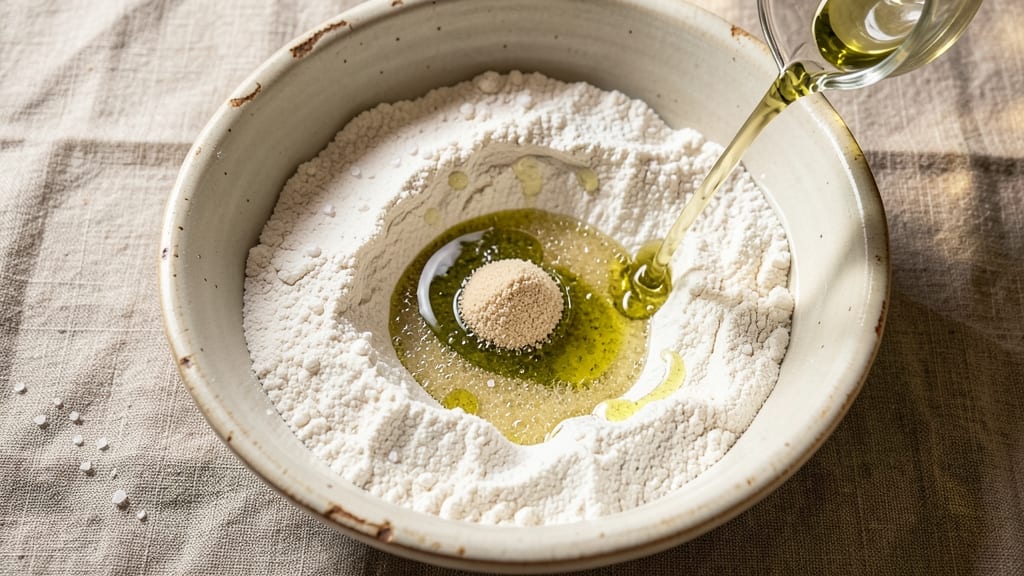
In a large bowl, combine the 3.5 cups high-protein bread flour and 1.5 tsp salt. Make a well in the center and add the 0.25 oz active dry yeast, 1 tbsp granulated sugar, and 1.5 cups lukewarm water (105-110°F). Let it sit for 5 minutes while the yeast activates—you'll see tiny bubbles forming.
After 5 minutes, add the 1 tbsp olive oil and mix everything together with your hands. I like to use my fingers to work the dough until it comes together into a shaggy mass. It won't be smooth like traditional dough—this high-protein flour creates a sticky, elastic texture without kneading. The dough should be soft but not wet, pulling away slightly from the bowl when you press it.
Rest the Dough for Maximum Flavor
Cover the bowl tightly with plastic wrap and let the dough rest at room temperature for 30 minutes. This isn't a proof—it's a flavor-building stage where the yeast and flour develop their potential. The dough will look unchanged, but trust the process. If your kitchen is cold, place the bowl near a warm spot to help the yeast work efficiently.
After 30 minutes, the dough should be slightly puffier and smell yeasty. If you press a finger into it, the indentation should hold its shape. This is your signal that the dough is ready for shaping. The high-protein flour does most of the work here, creating structure without traditional kneading.
Shape and Score for Professional Results
Lightly dust your work surface with 0.25 cup cornmeal and turn out the dough. Gently shape it into a 12-inch log by folding the ends toward the center and rolling it with your palms. The dough will be sticky—don't fight it. The high protein content gives it natural elasticity. Place the shaped dough on a parchment-lined baking sheet.
Using a sharp razor blade or very sharp knife, make 3-4 diagonal slashes across the top of the dough. These cuts help the bread expand properly and create that classic baguette texture. The cuts should be about ½ inch deep—press firmly but don't cut all the way through. The scored dough should look like it's ready for the oven.
Bake for a Crispy Crust and Airy Crumb
Preheat your oven to 425°F with a baking stone or inverted baking sheet on the middle rack. This creates steam for that perfect crust. Once preheated, brush the dough with the 1 whole egg wash (beaten egg + 1 tbsp water) and sprinkle generously with 1 tsp coarse sea salt. Bake for 20-25 minutes until the bread is deep golden brown.
Here's the magic: The high-protein flour gives you that classic French bread structure without kneading. You'll know it's done when the crust is deep golden brown and sounds hollow when tapped on the bottom. The interior should be light and airy, with just a hint of chewiness. Let it cool on a wire rack for 10 minutes before slicing—this prevents a gummy crumb.
Pro Tips For Making 60 Minute French Bread
- Use Lukewarm Water: I learned this the hard way—yeast hates extremes. Fill your measuring cup with water straight from the tap, let it sit for 5 minutes until it’s warm to the touch (like bathwater, not scalding). Too hot? You’ll kill the yeast before it even starts working.
- Mix Salt Last: Salt slows yeast activity, so don’t add it until you’ve dissolved the sugar and yeast. Sprinkle it in after 5 minutes of mixing—this keeps the dough rising smoothly without unnecessary delays.
- Punch Down Hard: After the first rise, resist the urge to gently fold the dough. Slam your fist down into the center twice to force out excess air and tighten the gluten. Sounds aggressive, but it guarantees a lighter, airier loaf.
- Preheat Pan & Oven Together: While your dough rests, slide a cold Dutch oven into a 475°F oven for 20 minutes. The pan will heat evenly, and the oven’s residual moisture helps create that perfect crust. Skipping this step means a dull, uneven bake.
Flavor customization for these flavors
Herb Infusions
Add 1 tbsp fresh rosemary or thyme directly to the dough during mixing for an aromatic twist. I love using Penzeys Organic Herbs for consistent flavor. The herbs infuse beautifully during baking, creating a fragrant crust. For a stronger flavor, chop the herbs finely before adding. 🌿
Garlic & Parmesan Twist
Mix 2 minced garlic cloves and ¼ cup grated Parmesan cheese into the dough after the initial rest. This Italian-inspired variation adds umami depth that pairs perfectly with soups or pasta dishes. The Parmesan also enhances browning during baking, giving the crust extra color and crunch.
Sweet Variations
For a sweet bread, replace 1 tbsp granulated sugar with 1 tbsp honey in the dough. After baking, brush the warm loaf with melted butter mixed with 1 tsp cinnamon for a French-style brioche. This works beautifully as a dessert bread or breakfast companion with jam.
Spiced Options
Add ½ tsp ground cumin and ¼ tsp smoked paprika to the flour before mixing for a savory-sweet bread with Middle Eastern flair. The spices complement the crust beautifully and add warmth to each bite. I often pair this version with spiced dips like hummus or labneh.
Cheesy Delights
Fold ½ cup shredded Gruyère cheese into the dough after shaping. The cheese melts slightly during baking, creating pockets of gooey goodness. For extra richness, use a mix of Gruyère and Comté cheese. This variation is perfect for hearty meals when you want that extra indulgence. 🧀
Whole Grain Boost
Replace ½ cup of the bread flour with whole wheat flour for a nutty, heartier bread. The whole grains add fiber and a slightly denser texture while maintaining the crispy crust.
I recommend using King Arthur Whole Wheat Flour for the best results—it's lighter than many store brands and blends well with bread flour.
Nutrition facts
Frequently asked questions about 60-Minute French bread
Why does this recipe skip traditional kneading?
The high-protein bread flour (55-60%) creates natural elasticity during the 30-minute rest, eliminating the need for manual kneading. This method develops gluten properly while saving time—perfect for beginners or busy schedules. The dough becomes stretchy and smooth during proofing, just like kneaded dough!
Can I make this bread without a Dutch oven?
Yes! Use a heavy baking sheet or place a metal bowl filled with hot water on the oven rack during baking to create steam. For extra crispiness, try this trick: After 10 minutes in the oven, remove the bread, score it again, and return it for the final 10-15 minutes. This mimics the Dutch oven's steam effect.
What if my dough doesn't rise properly?
Check your yeast freshness first—old yeast won't activate. Ensure water is 105-110°F (too hot kills yeast, too cold slows it). If your kitchen is cold (65°F or below), place the dough near a warm spot (like the oven with light on). Give it 10 extra minutes of proofing time if needed.
How do I store or reheat this bread?
Wrap cooled loaves in parchment paper, then a clean towel to retain moisture. Store at room temperature for 3 days or freeze for 1 month. To reheat, wrap in foil and warm at 350°F for 10 minutes. For extra crispiness, broil for 1-2 minutes after reheating—just watch closely!
Can I make individual baguettes instead of one long loaf?
Divide the dough into 4 equal portions (about 10 oz each) and shape them into mini baguettes. Use a small baking sheet or line a sheet pan with parchment. Bake at 425°F for 18-20 minutes, rotating halfway. The scoring technique remains the same—just make 2-3 diagonal cuts per mini loaf.