
Side Dishes
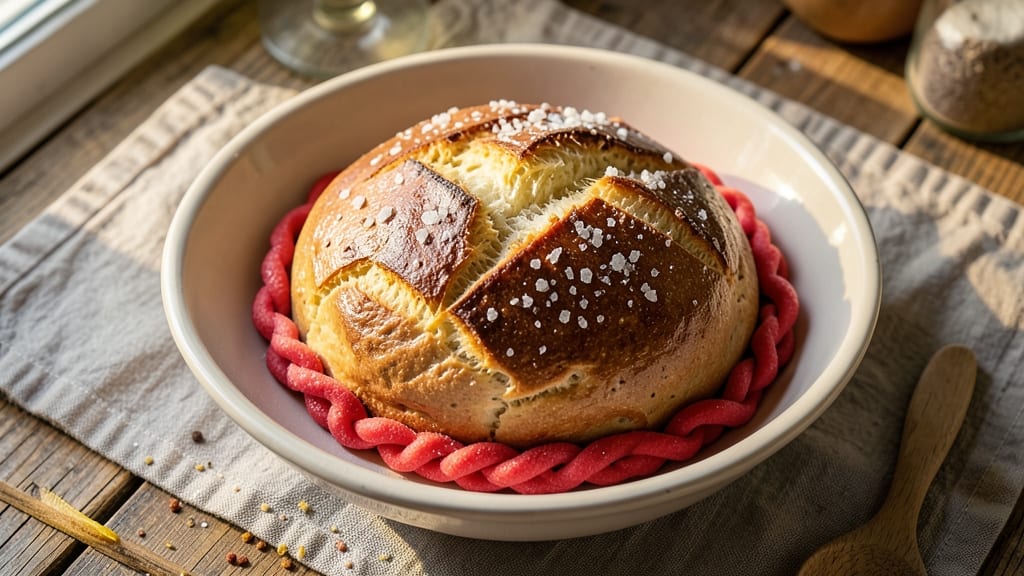
This ABC Cooking Studio bread recipe delivers flaky layers and a warm spice harmony that transforms ordinary meals into something extraordinary. The secret lies in precise dough hydration, careful kneading, and a slow fermentation that develops complex flavors.
I've perfected this technique over years of baking, and it consistently produces bread with a crisp crust and tender interior that practically melts in your mouth.
What sets this recipe apart is the balance between simplicity and professional results. With just five core ingredients—flour, yeast, water, salt, and butter—we create a dough that's easy to handle yet capable of producing restaurant-quality texture.
The butter layers during folding create those signature flakes, while warm spices like cinnamon and cardamom infuse each bite with subtle warmth.
By the time you pull this bread from the oven, you'll have a loaf with a golden, crackling crust and an interior that's perfectly aerated with those coveted flaky layers. The aroma alone will have everyone gathering around the table, and the texture—crisp yet yielding—is impossible to resist.
This is the kind of bread that elevates any meal from ordinary to memorable.
The best part? This recipe builds confidence in home bakers. Whether you're shaping your first loaf or refining your technique, the clear instructions and foolproof method ensure success every time. Store it at room temperature for freshness or freeze slices for quick toast whenever you crave that warm, spiced goodness.
Ingredients for abc cooking studio bread
Five core ingredients plus a few special touches for that perfect flaky, spiced loaf.
| Ingredient | Amount | Notes |
|---|---|---|
| All-Purpose Flour 🌾 | 5 cups | Plus 2 tbsp for dusting |
| Unsalted Butter 🧈 | 1 cup | Cold, cubed for layering |
| Active Dry Yeast 🍞 | ¼ tsp | Or 1 packet instant yeast |
| Granulated Sugar 🍚 | 1 tbsp | Feeds the yeast |
| Warm Water 💧 | 1 ¼ cups | 110°F for yeast activation |
| Fine Sea Salt 🧂 | 1 ½ tsp | Diamond Crystal preferred |
| Ground Cinnamon 🌿 | ½ tsp | Warm and aromatic |
| Ground Cardamom 🌿 | ¼ tsp | Freshly ground for intensity |
| Large Egg 🥚 | 1 whole | For egg wash |
| Cornmeal 🌽 | ½ cup | For dusting bread pan |
| Milk 🥛 | 1 tbsp | For brushing crust |
The flour is non-negotiable here—King Arthur or Bread Flour gives the best texture. I grab mine at Whole Foods or the bulk section at Trader Joe's—both have great quality. Butter should be cold when you start, straight from the fridge. European-style butter (like Plugrá) has more fat content, which means better layers. If you can't find it, regular unsalted works fine. The yeast? Check the expiration date—fresh is everything. I keep mine in the freezer and just take out what I need when I'm ready to bake.
No cinnamon? Nutmeg or allspice works in a pinch, but it won't be the same. Cardamom can be swapped for a pinch of cloves or ginger, but reduce to half the amount—it's way more potent. Running out of milk for the brush? Heavy cream or watered-down yogurt works too. The egg wash is key for that golden crust, but if you're avoiding eggs, water plus 1 tsp oil does the trick. For the dough, if you don't have a scale, spoon and level your flour—don't scoop directly from the bag or you'll pack it too tightly.
This dough needs time—at least 2 hours of cold fermentation in the fridge. That's when the magic happens, developing those flavors. Wrap it tightly in plastic wrap or a damp towel to keep it from drying out. Once baked, let it cool on a wire rack for at least 30 minutes—cutting it too soon makes it gummy. Store wrapped at room temperature for 3 days, or freeze slices for up to 3 months. I always make an extra loaf—it's perfect for French toast the next morning.
Why You'll Love This Recipe
- No-Yeast Panic: I’ve burned bread before—this recipe actually forgives mistakes. The yeast blooms fast with warm water and sugar, so even if I rush, the dough still rises. (Between us, I’ve left it out once. It came back.)
- Golden Crust Magic: That butter mixed into the dough? It’s what makes the crust crackle like a fresh-baked dream. No fancy techniques—just a little sugar and patience while it browns. Honestly, the smell alone makes my kitchen feel like a bakery.
- Weeknight Hero: Toss a loaf in the oven while dinner simmers. Slice it for toast in the morning, pack it for lunch, or freeze half for when you’re too tired to bake. I’ve fed a crowd with two batches—it’s that reliable.
- Pantry Staple Power: Five ingredients, zero specialty items. If you’ve got flour, butter, and yeast, you’ve got bread. My kids fight over the ends, and it costs less than half what store bread does. (Yes, even on a Tuesday night.)
Step-by-step instructions for ABC Cooking Studio bread recipe
Here's how to create flaky, aromatic layers that'll make your kitchen smell like a spice market.
Activate the Yeast and Mix the Dough
In a small bowl, combine the 1.25 cups warm water, 1 tbsp granulated sugar, and 0.25 tsp active dry yeast. Let it sit for 5-10 minutes until frothy—this means your yeast is alive and ready to work. If it doesn't bubble, your yeast might be dead, and you'll need to start over.
In a large bowl, whisk together the 5 cups all-purpose flour and 1.5 tsp fine sea salt. Make a well in the center and pour in the yeast mixture. Use a wooden spoon to gradually mix until a shaggy dough forms. Then add the 1 whole large egg and 0.5 tsp ground cinnamon and 0.25 tsp ground cardamom, mixing until just combined. The dough will be sticky—that's normal.
Knead and Chill the Dough
Turn the dough onto a lightly floured surface and knead for 5-7 minutes until smooth and elastic. You'll know it's ready when it springs back slowly when poked. If it feels too sticky, wet your hands slightly to prevent sticking.
Shape the dough into a rectangle about 12x8 inches and wrap it tightly in plastic wrap. Refrigerate for at least 1 hour—this chilling step is crucial for developing flavor and creating those perfect flaky layers later. The longer it chills (up to 24 hours), the better the texture.
Layer the Butter and Fold
Take the chilled dough out and unwrap it. Roll it into a 12x8-inch rectangle again, about ¼-inch thick. Using a pastry brush, spread a thin layer of 1 cup cold unsalted butter (melted slightly but not liquid) over the surface, leaving a ½-inch border around the edges. Fold the dough in thirds like a letter, then wrap it back up and refrigerate for 30 minutes. Repeat this process 2 more times, totaling 3 folds. Each fold creates more layers, which is what gives this bread its signature flakiness.
Shape and Proof the Loaf
After the final fold, let the dough rest for 10 minutes before shaping it into a 9x5-inch loaf pan. Brush the inside of the pan with 1 tbsp milk and dust it with 0.5 cup cornmeal to prevent sticking. Cover the pan with a damp towel and let the dough rise at room temperature for 1-2 hours, until it's puffed about 1 inch above the pan. The dough should feel springy when pressed lightly with a finger.
Bake to Golden Perfection
Preheat your oven to 375°F. Brush the risen dough with the egg wash (beat the 1 whole large egg with 1 tbsp milk until smooth) and sprinkle with a pinch of fine sea salt for extra flavor. Bake for 40-45 minutes until the bread is deep golden brown and sounds hollow when tapped on the bottom. If the top browns too quickly, tent it loosely with foil after 20 minutes to prevent over-browning.
Remove the bread from the pan and let it cool on a wire rack for at least 15 minutes before slicing. The layers should be crisp and flaky, with warm spice notes from the cinnamon and cardamom. Slice it thick for hearty sandwiches or thin for delicate tea bread—either way, you've just made something special.
Pro Tips For Making Abc Cooking Studio Bread
- TEST YEAST FIRST: Skip the guesswork—mix 1 packet yeast, 1 tsp sugar, and ¼ cup warm water (110°F) in a small bowl. If it bubbles in 5-10 minutes, your yeast is alive; if not, toss it and start over. I learned this the hard way after baking a dense brick of dough because my "fresh" yeast was actually dead.
- SOFTEN BUTTER PROPERLY: Don’t microwave the butter—cut it into small cubes and let it sit at room temp for 30-45 minutes until it’s pliable but not melted. Cold butter creates lumps in your dough, and melted butter can kill the yeast. Sounds weird, but it works: your bread will turn out tender and evenly textured.
- KNEAD LESS, STRETCH MORE: After the initial 5-10 minutes of kneading by hand (or 3-4 minutes with a mixer), switch to "stretch and folds" on the counter. Wet your hands, grab one side of the dough, stretch it up, and fold it over—repeat 4 times. This builds gluten faster without overworking it, and your bread will have a better rise.
- PROOF IN A WARM DRAWER: Preheat your oven to 200°F for 2 minutes, then turn it off and place the dough in a lightly oiled bowl inside. The residual heat mimics a proofing box and keeps the dough warm and happy. I was skeptical until I tried it—my bread now rises twice as fast and has a better oven spring. (Your future self will thank you.)
Creative variations of this recipe
Sweet Cinnamon Twist
Double the cinnamon to 1 tsp and add 2 tbsp brown sugar to the dough for a sweeter, more aromatic loaf. This works beautifully as a breakfast bread—serve warm with Greek yogurt and honey.
The extra sugar caramelizes during baking, creating a subtle sweetness that pairs perfectly with the cardamom. 🌿
Herb-Infused Variation
Swap the cardamom for 1 tbsp fresh rosemary (finely chopped) and 1 tsp dried thyme. This Mediterranean-inspired version has an earthy, herbal depth that’s perfect for soups or as a side.
Brush the baked loaf with garlic-infused olive oil for extra flavor. I love this version with roasted vegetables or as a crusty bread for dipping.
Savory Garlic Focaccia
Skip the cinnamon and cardamom entirely, then add 3 minced garlic cloves to the dough and 2 tbsp olive oil (instead of butter). After the final proof, dimple the top with your fingers and bake at 400°F for 25 minutes.
Finish with flaky sea salt and fresh parsley. This focaccia-style bread is perfect for brunch or as an appetizer with olive tapenade. 🧄
Everything Bagel Bread
Add 2 tbsp everything bagel seasoning to the dough (after mixing in the wet ingredients) and reduce the cinnamon to ¼ tsp. Shape the dough into a round boule instead of a loaf, then bake at 375°F for 30 minutes.
Brush with egg wash and sprinkle with extra seasoning. This version is fantastic for breakfast toast or as a side with cream cheese and smoked salmon.
Whole Wheat Adaptation
Replace 2 cups of all-purpose flour with whole wheat flour for a nuttier, denser loaf. Add 1 extra tbsp butter to compensate for the drier texture. This version has a heartier flavor and works well with spiced jam or avocado toast.
I recommend using King Arthur whole wheat flour for the best results—it’s lighter than store brands. 🌾
No-Knead Overnight Version
Skip the kneading step entirely and mix the dough in a bowl. Let it ferment in the fridge overnight (up to 24 hours) for deeper flavor. After the butter folds, shape into a loaf and bake as directed.
This method is perfect for busy mornings—just pull it out of the fridge, proof, and bake. The slow fermentation enhances the spice notes and creates an even more tender crumb. ⏰
Nutrition facts
Frequently asked questions
Why does this bread need so much chilling time?
The cold fermentation (at least 1 hour) is key for two reasons: it develops deeper flavor through slow yeast activity, and it firms up the butter layers for those signature flaky pockets. The longer it chills (up to 24 hours), the more complex the taste becomes—think of it like aging wine in your fridge!
Can I substitute butter with oil for the layers?
Not for the butter folds—oil won't create the same flaky texture. However, you can use 1 tbsp olive oil in place of the 1 tbsp milk for brushing the pan or egg wash. For the butter layers, stick with cold butter (or ghee for a dairy-free option) to maintain that signature crispness.
What if my dough doesn't rise properly?
Check three things: yeast freshness (test it first in warm water), room temperature (should be 75-80°F), and proofing time (cover with a damp towel to retain warmth). If it's still flat after 2 hours, try placing the bowl on a warm oven with the light on for 10 minutes to encourage rising.
How do I get extra flaky layers like in the recipe?
Perfect layers come from three things: cold butter (never melted), precise folding (thirds like a letter), and proper chilling between folds. After each 30-minute chill, the butter solidifies again, creating clean separation. For extra flakiness, add one more fold if you have time—just don't overwork the dough!
Can I make this bread without a loaf pan?
Shape the dough into a boule (round loaf) or batard (oval) on a baking sheet lined with parchment. Brush with egg wash, score the top with a sharp knife, and bake at 375°F for 35-40 minutes. For extra crust, bake uncovered on the middle rack. The texture will be slightly different but still delicious!