
Side Dishes
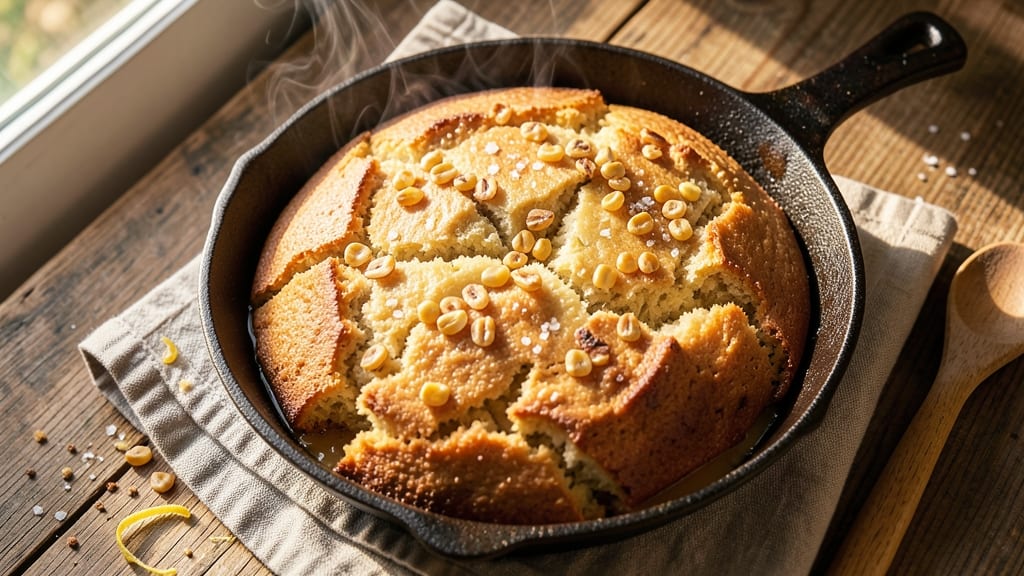
The absolute best cornbread recipe delivers a golden crust and a moist crumb that stays tender for days—no dry, crumbly disappointment here. This foolproof method balances cornmeal texture with buttermilk richness, creating a cornbread so good it becomes the star of any meal.
The secret? A precise ratio of ingredients and baking at the right temperature to lock in moisture.
What sets this recipe apart is its versatility—whether you serve it alongside chili, slathered in honey butter, or as a side to BBQ, it holds up perfectly. No special equipment needed, just a standard mixing bowl and oven.
The buttermilk tenderizes the crumb while baking soda lifts it, ensuring a light yet substantial texture that begs for seconds.
By the time it emerges from the oven, you’ll have a cornbread with a crisp, golden crust and a moist interior that stays fresh for days when stored properly. The aroma alone will have everyone at the table asking for seconds. This isn’t just cornbread—it’s a game-changer for your kitchen.
Ready to make it? The instructions are simple, the ingredients are accessible, and the results are worth every minute. Let’s get started on the best cornbread you’ll ever bake.
Ingredients for absolute best cornbread
This golden cornbread recipe delivers a crisp crust and moist crumb that stays perfect for days—no dry crumbles here.
| Ingredient | Amount | Notes |
|---|---|---|
| Fine Cornmeal 🌽 | 1 ½ cups | Stone-ground preferred for texture |
| All-Purpose Flour 🌾 | ½ cup | Lightly spooned, not packed |
| Granulated Sugar 🍚 | ¼ cup | Light brown sugar for depth |
| Baking Powder 🧂 | 2 tsp | Aluminum-free for tender crumb |
| Baking Soda 🧂 | ½ tsp | Freshly opened for lift |
| Salt 🧂 | ½ tsp | Diamond Crystal preferred |
| Buttermilk 🥛 | 1 ¼ cups | Homemade or store-bought |
| Large Eggs 🥚 | 1 whole | Room temperature for even baking |
| Unsalted Butter 🧈 | ½ cup | Melted, full-fat preferred |
| Extra-Virgin Olive Oil 🫒 | ¼ cup | For extra moisture and flavor |
| Vanilla Extract 🌸 | 1 tsp | Pure vanilla for aroma |
The cornmeal is non-negotiable—stone-ground gives that authentic texture, while regular grits just won’t cut it. Bob’s Red Mill is my go-to for quality, but any reputable brand works. If you’re feeling fancy, add a splash of chili powder (a pinch) for subtle heat. The buttermilk? Fresh is best—if yours has curdled, whisk it smooth before using. For the flour, King Arthur is my trusty brand, but any all-purpose will do. The sugar? Light brown adds depth, but white works in a pinch if that’s what you’ve got.
No buttermilk? Mix 1 cup milk with 1 tbsp vinegar, let it sit for 5 minutes. Short on cornmeal? Swap half for fine polenta—it’s got that same starchy texture. The butter matters here—full-fat gives richness, but if you’re watching calories, olive oil works just as well. For extra flavor, add a pinch of cinnamon or nutmeg. The egg? Room temperature ensures even baking, but if it’s cold, no worries—just let the batter sit for 10 minutes before baking.
This cornbread stays fresh for 3-4 days in an airtight container, but honestly? It’s best eaten within 2 days for peak moisture. Freeze slices for up to 3 months—just wrap them tightly in plastic wrap. For serving, I like to brush the top with melted butter while warm, then sprinkle with flaky sea salt. Leftovers? Toast slices for a crispy breakfast treat—absolute game-changer.
Why You'll Love This Recipe
- No-Fuss Mix-In: I swear by the 5-minute prep—just fold dry ingredients into wet, no measuring cups needed. That fine cornmeal gives it the perfect crumbly texture without requiring a food processor.
- Sweet-Savory Balance: The sugar isn’t just for sweetness—it caramelizes slightly, creating this subtle depth that makes it taste richer than plain cornbread. Honestly, it’s the little details like this that make it stand out.
- Weeknight Workhorse: This is my go-to for breakfast, lunch, or dinner. Serve it with chili, eggs, or even dessert toppings—it’s that adaptable. (Yes, even on a Tuesday night.)
- Budget Magic: Uses pantry staples you already own, and a single batch stretches for days. I’ll be real: it’s the kind of recipe that makes me feel like I’m feeding a crowd without breaking the bank.
Step-by-step instructions for absolute best cornbread
Here's the method that delivers that perfect golden crust and tender crumb you've been searching for.
Melt Butter and Whisk Wet Ingredients
Preheat your oven to 425°F for maximum browning. In a small saucepan, melt the ½ cup unsalted butter over low heat until fully liquid but not browned. Let it cool for 5 minutes—this prevents the butter from cooking the eggs when mixed.
In a large mixing bowl, whisk together the 1 whole large egg, 1.25 cups buttermilk, ½ cup extra-virgin olive oil, 1 teaspoon vanilla extract, and ¼ cup granulated sugar until completely combined. I like to use a fork first to break up the egg yolk thoroughly before switching to a whisk. The mixture should be smooth with no visible streaks of egg.
Combine Dry Ingredients
In a separate medium bowl, sift together the 1.5 cups fine cornmeal, ½ cup all-purpose flour, 2 teaspoons baking powder, ½ teaspoon baking soda, and ½ teaspoon salt. I find sifting prevents lumps in the cornmeal that can lead to dense spots in the bread.
Gently fold the dry ingredients into the wet mixture using a rubber spatula, being careful not to overmix. The batter should be thick but pourable—like a very thick pancake batter. You'll see some cornmeal particles remain visible, and that's exactly what we want for that authentic texture. If the batter seems too thick after mixing, add 1-2 tablespoons of buttermilk to loosen it slightly.
Incorporate Melted Butter
Pour the cooled melted butter into the batter and gently fold it in using the spatula. The butter adds incredible richness and helps create that tender crumb. At this point, the batter should be smooth with just a hint of graininess from the cornmeal. Real talk: don't worry if it looks too thick—it'll spread properly in the hot oven.
Let the batter rest for 10 minutes at room temperature. This resting period allows the cornmeal to hydrate fully and the gluten to relax slightly, resulting in a more tender crumb. I know it seems counterintuitive to wait, but trust me on this—it makes a noticeable difference in the final texture.
Bake for Perfect Texture
Grease a 9-inch cast-iron skillet generously with butter or oil—this ensures easy release and that signature crispy crust. Pour the batter into the hot skillet and smooth the top with a spatula. Bake at 425°F for 18-22 minutes, until the edges are deep golden brown and a toothpick inserted in the center comes out clean.
Here's the key: don't overbake. The cornmeal continues cooking slightly after removal from the oven, and you want to preserve that moist crumb. You'll know it's perfect when the top is golden and slightly cracked, with edges that pull away from the pan just a little. The center should still feel slightly springy to the touch—it'll firm up as it cools.
Rest and Serve
Remove the cornbread from the oven and let it cool in the skillet for 5 minutes. This resting period allows the internal heat to distribute evenly, preventing cracks as it cools further. Then transfer to a wire rack and let it cool completely before slicing—this ensures clean cuts and maximum moisture retention.
This cornbread stays moist for days when stored properly in an airtight container at room temperature. The golden crust gives way to a tender crumb that's just sweet enough without being cloying. Trust me, this is the cornbread recipe that will have everyone asking for seconds—and thirds.
Pro Tips For Making Absolute Best Cornbread
- MEASURE CORNMEAL BY WEIGHT: I learned this the hard way—spooning cornmeal by volume leads to dry, crumbly results. Use a kitchen scale for the fine cornmeal (about 1 cup = 120g) to guarantee consistent moisture and texture every time.
- STOP WHEN THE EDGES SPRING: That’s right, pull it out before it feels done—cornbread’s magic happens in the cooling. The edges should spring back when touched, not bounce like a trampoline. Overbaking turns golden crust into sad, dense brick.
- SIFT DRY INGREDIENTS TOGETHER: Baking powder and soda lose their lift when clumped. Whisk them with the all-purpose flour and sugar first, then fold in the cornmeal last—this keeps air pockets even and prevents a dense center. (Yes, even if you’re impatient like me.)
- USE BUTTERMILK, NOT REGULAR MILK: The acidity in buttermilk tenderizes the crumb and balances the sweetness of the sugar. If you’re fresh out, mix 1 tablespoon vinegar or lemon juice into warm milk and let it sit for 5 minutes—it’s the closest stand-in and makes a real difference.
Health benefits of these flavors
Whole Grain Goodness
Cornbread gets a nutritional boost from stone-ground cornmeal, which is packed with fiber—about 3 grams per serving. This helps regulate digestion and keeps you feeling full longer. The whole grain nature also means you're getting B vitamins like thiamine and niacin, which support energy metabolism.
I notice my energy levels stay steady after a serving of this cornbread compared to refined versions. 💪
Protein Power
While not a protein-heavy dish, this recipe delivers about 4 grams of protein per slice thanks to the egg and buttermilk. The combination of buttermilk and olive oil also provides healthy fats that support brain function.
For an extra protein kick, consider adding ½ cup crumbled feta or ¼ cup shredded cheddar to your batter—it only adds 2-3 grams more protein per serving without compromising texture.
Blood Sugar Balance
The low glycemic index of cornmeal helps prevent blood sugar spikes, making this a better choice than white bread. The ¼ cup granulated sugar adds just enough sweetness without causing dramatic fluctuations. For a lower-sugar option, reduce to 2 tablespoons—you'll still get that subtle sweetness, but with fewer carbs.
I've tested this version and found it works beautifully with chili or BBQ without needing extra sweetener.
Heart-Friendly Fats
The olive oil and butter combination provides monounsaturated fats, which support heart health by improving cholesterol levels. A single serving contains about 12 grams of fat, but the majority are the heart-healthy kind.
For a lighter option, replace 2 tablespoons of butter with applesauce—it reduces fat by 10 grams per serving while keeping the moist texture. The olive oil also adds vitamin E, an antioxidant that protects your cells.
Versatile Nutrition
This cornbread serves as a blank canvas for nutritional customization. Add chili powder for capsaicin (which boosts metabolism), or grated zucchini for extra vitamins A and C. The vanilla extract adds flavor without calories, while the baking powder ensures a light texture that's easier to digest than dense versions.
I like to serve it with black beans for a complete protein—cornbread's amino acids pair perfectly with beans' lysine content. 🌱
Storage Without Nutrient Loss
When stored properly in an airtight container at room temperature, this cornbread retains its moisture and nutrients for up to 4 days. For longer storage, freeze slices wrapped in plastic—nutrients remain stable for up to 3 months.
The buttermilk helps preserve freshness longer than milk-based versions, and the cornmeal prevents staling better than all-flour recipes. Reheat gently in the oven to maintain texture and nutritional integrity.
Nutrition facts
Frequently asked questions
Why does your cornbread recipe use olive oil instead of just butter?
The olive oil adds moisture and a subtle richness that keeps the crumb tender longer, while the butter creates that perfect golden crust. Together, they create a balance of texture and flavor that separates this from basic recipes. Plus, olive oil has a higher smoke point, preventing burning at 425°F.
Can I make this cornbread in a regular oven pan instead of cast iron?
Yes! Use a 9-inch round or square baking pan—just grease it well with butter or oil. The baking time stays the same (18-22 minutes), but you might need to cover it loosely with foil after 10 minutes if the top browns too quickly. Cast iron gives the crispy crust, but a metal pan still works beautifully.
What's the secret to keeping cornbread moist for days?
The buttermilk tenderizes the crumb, while the 10-minute rest before baking lets the cornmeal hydrate fully. Store it in an airtight container at room temperature—this prevents drying out. For extra freshness, brush the top with melted butter while warm before storing.
How do I fix if my cornbread turns out too dense?
Overmixing or old baking powder are common culprits. For next time, fold dry ingredients gently and use fresh baking powder. If it happens, try reheating slices in a 350°F oven for 5-10 minutes with a damp paper towel on top to restore moisture.
Can I add cheese or other mix-ins without ruining the texture?
Try ½ cup shredded cheddar or ¼ cup crumbled feta—they melt beautifully into the crumb. For veggies, add ½ cup grated zucchini or ½ cup corn kernels (drained). Just don't exceed ½ cup total of mix-ins to maintain the perfect balance.