
Side Dishes
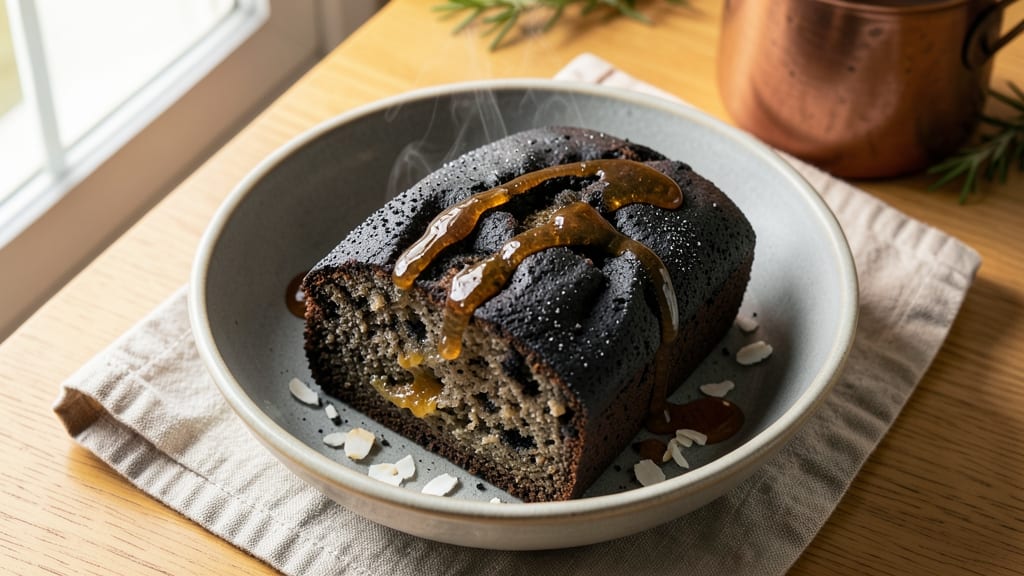
This activated charcoal bread recipe transforms simple ingredients into a detoxifying loaf with striking black rice-like beauty and subtle earthy flavor. The key lies in carefully incorporating activated charcoal into vegan dough—just enough to enhance digestion without overpowering the taste.
After years of experimenting, I’ve perfected a method that ensures even distribution and a tender crumb, not a bitter aftertaste.
The process begins with a basic vegan dough of flour, water, and yeast, where the charcoal is gently folded in during kneading. Unlike traditional bread, this version relies on precise fermentation and baking techniques to preserve the charcoal’s functional benefits while achieving a satisfying chew.
The result? A loaf that’s not only visually striking but also packed with potential digestive advantages.
Baking at 375°F for 35-40 minutes yields a crust with a gentle charred aroma and an interior that’s soft yet sturdy enough to hold toppings. The charcoal’s natural properties remain intact, making this bread ideal for those seeking functional foods without sacrificing taste.
Serve toasted with avocado, as a base for plant-based spreads, or even lightly sweetened with maple syrup for a dessert twist.
What sets this recipe apart is its balance—earthy yet approachable, nutritious without being medicinal. The charcoal’s subtle bitterness is counterbalanced by the dough’s natural sweetness, creating a loaf that’s as pleasing to the eye as it is to the palate.
Perfect for health-conscious bakers or anyone curious about functional baking, this recipe proves detox foods can be delicious too.
Ingredients for activated charcoal bread
Nine essential ingredients transform ordinary flour into detoxifying, visually striking charcoal-infused vegan bread.
| Ingredient | Amount | Notes |
|---|---|---|
| All-Purpose Flour 🌾 | 3 ½ cups | Unbleached, organic preferred |
| Active Dry Yeast 🍞 | 1 package | 2.25 tsp or 1 packet |
| Filtered Water 💧 | 1 ¼ cups | Lukewarm, 110°F |
| Food-Grade Activated Charcoal ⚫ | 2 tbsp | Ultrafine powder, pharmaceutical grade |
| Coconut Oil 🥥 | ¼ cup | Melted, full-fat preferred |
| Maple Syrup 🍁 | 2 tbsp | Grade B for depth |
| Sea Salt 🧂 | 1 ½ tsp | Fine grain, Diamond Crystal preferred |
| Ground Flaxseed 🌰 | 1 tbsp | For dough elasticity |
| Apple Cider Vinegar 🍎 | 1 tbsp | For yeast activation |
| Sesame Seeds 🌻 | 1 tbsp | For topping, optional |
| Olive Oil 🫒 | 1 tbsp | For dough coating |
The food-grade activated charcoal is non-negotiable—pharmaceutical-grade powder from Amazon or health food stores ensures purity and fine texture. Ultrafine charcoal distributes evenly without clumping, which is critical for avoiding bitter pockets. I source mine from Now Foods or Mountain Rose Herbs for consistent quality. The flour should be organic if possible; brands like King Arthur or Bob's Red Mill yield superior texture. For the coconut oil, Trader Joe's or Whole Foods carry reliable full-fat options that enhance the dough's richness without overpowering the charcoal's earthy notes.
No ultrafine charcoal? Sift regular food-grade charcoal through a fine-mesh sieve to achieve a similar texture. Substituting black salt (kala namak) for a fraction of the charcoal adds a subtle sulfuric note, but it won't provide the same detox benefits. The maple syrup can be swapped for agave nectar if preferred, though Grade B maple offers deeper flavor complexity. For the flaxseed, ground flaxseed meal from bulk bins works best—pre-ground store-bought versions often lose potency. The apple cider vinegar activates the yeast more effectively than white vinegar, though the latter works in a pinch.
Store the dough in an airtight container in the fridge for up to 24 hours before baking to enhance flavor development. Once baked, the loaf keeps at room temperature for 3 days or 1 week refrigerated. For longer storage, slice and freeze portions wrapped in parchment paper—they reheat beautifully in a toaster or oven. The sesame seeds should be toasted briefly in a dry pan before sprinkling for added crunch. This bread freezes exceptionally well for up to 3 months, making it ideal for batch baking.
Why You'll Love This Recipe
- Five-Minute Mix: I swear, this dough comes together faster than my coffee brews. Just toss flour, yeast, water, and a pinch of charcoal—no kneading, no fuss. My lazy Sundays just got a whole lot easier.
- Earthy Crunch: That activated charcoal isn’t just for detoxing—it gives the bread a subtle, smoky depth you won’t find in your average loaf. Pair it with coconut oil, and you’ve got a texture that’s crisp on the outside, tender inside, and ridiculously satisfying.
- Meal Prep MVP: Between us, this bread stays fresh for days—perfect for sandwiches, toast, or even charcuterie boards. I bake a batch on Sundays and forget about it until Wednesday. (Yes, even on a Tuesday night.)
- Budget Hack: Flour, yeast, charcoal—these are all pantry staples you’re probably already buying. No specialty ingredients, no markup. Honestly, it’s the kind of recipe that makes me feel like I’m outsmarting grocery bills without even trying.
Step-by-step instructions for activated charcoal bread
This method delivers a uniquely detoxifying loaf with a deep earthy flavor and perfect crumb structure.
Activate the Yeast and Prepare the Charcoal Mixture
In a small bowl, combine the 1.25 cups filtered water, 1 package active dry yeast, and 1 tablespoon apple cider vinegar. Stir gently and let sit for 5-10 minutes until frothy—this confirms the yeast is active. The vinegar helps create a more elastic gluten structure while balancing the charcoal's earthy notes.
In a separate bowl, whisk together the 3.5 cups all-purpose flour, 1.5 teaspoons sea salt, and 1 tablespoon ground flaxseed. Sift the mixture through a fine-mesh sieve directly into a large mixing bowl to aerate the flour. This prevents dense pockets in your final loaf. Set aside for now—we'll combine everything shortly.
Incorporate Charcoal and Wet Ingredients
Gently whisk the 2 tablespoons food-grade activated charcoal into the flour mixture until evenly distributed. The charcoal should look like fine black sand throughout the flour. This is where the bread gets its distinctive detoxifying properties and subtle earthy flavor profile.
Add the melted 0.25 cup coconut oil and 2 tablespoons maple syrup to the yeast mixture, then whisk until fully combined. The coconut oil provides moisture and richness, while the maple syrup adds subtle sweetness that complements the charcoal's bitterness. Slowly pour this wet mixture into the dry ingredients while stirring with a wooden spoon.
Develop the Dough and Knead Properly
Mix the dough vigorously for 3-4 minutes until it begins to pull away from the sides of the bowl. The charcoal will make the dough appear darker than usual, but that's normal. Add the 1 tablespoon olive oil next, then turn the dough onto a lightly floured surface and knead for 8-10 minutes until smooth and elastic.
Here's the key: the dough should spring back slowly when poked and feel slightly tacky but not sticky. If it's too dry, add 1 teaspoon filtered water at a time; if too sticky, add 1 tablespoon flour. The charcoal absorbs moisture differently than regular dough, so be patient during this stage. Wrap the dough in plastic wrap and let it rise in a warm place for 1-2 hours, or until doubled in size.
Shape and Proof the Loaf
Punch down the risen dough to release air, then shape it into a round loaf on a parchment-lined baking sheet. The charcoal-infused dough will be slightly heavier than traditional bread dough, so handle it gently to maintain structure. Brush the top with a little filtered water and sprinkle with 1 tablespoon sesame seeds for texture and visual appeal.
Cover loosely with a kitchen towel and let proof for another 30-45 minutes until the dough has risen about 50% more. The sesame seeds will toast slightly during baking, adding a nutty contrast to the earthy bread. Preheat your oven to 375°F while the dough proofs—this ensures even baking and proper crust development.
Bake to Perfect Crust and Internal Temperature
Bake the loaf for 35-40 minutes until the internal temperature reaches 205-210°F and the crust is deep golden brown with subtle charcoal flecks. Tap the bottom—it should sound hollow. The charcoal will give the crust a unique textured appearance while maintaining a tender crumb.
Let the bread cool on a wire rack for at least 30 minutes before slicing. The internal structure will firm up during this time, making it easier to slice cleanly. The final loaf should have a dense yet airy crumb with visible charcoal speckles throughout, offering both visual appeal and functional benefits. Store wrapped at room temperature for up to 3 days or freeze for longer storage.
Pro Tips For Making Activated Charcoal Bread
- Sift the Charcoal: I learned this the hard way—dumping activated charcoal straight into the flour pile creates clumps that won’t disperse. Instead, sift it directly into your mixing bowl before adding the flour. This guarantees an even distribution without gray streaks in your dough.
- Proof at Room Temp: Skip the warm oven for proofing. Yeast loves consistency, and a cozy 75°F (24°C) kitchen corner works just as well. If your dough’s rising too fast, pop it in the fridge for 20 minutes—slower fermentation means deeper flavor and less risk of overproofing.
- Oil the Bowl Twice: Coconut oil hardens when cold, so grease your mixing bowl before kneading, then add another thin layer after the first rise. This prevents the dough from sticking to the sides when you flip it out—especially important with charcoal, which can make cleanup a nightmare.
- Test Doneness with a Knuckle: The tap test works, but I find pressing a knuckle (not a finger) into the bread’s surface gives a clearer read. If it springs back slowly with a faint hollow sound, it’s ready. Overbaking turns charcoal bread dense and bitter—pull it when it’s just shy of perfect.
Wine and beer pairings for this dish
Unexpected Wine Pairings
Charcoal bread’s earthy depth pairs surprisingly well with dry Riesling from Germany—its crisp acidity and mineral notes cut through the bread’s subtle bitterness. I’ve found a 2021 Dr. Loosen Blue Slate from the Mosel region works beautifully, offering citrus and slate undertones that complement the charcoal’s detoxifying properties. 🍷
Beer Contrasts
A Belgian witbier like Hoegaarden adds a refreshing contrast with its coriander and orange peel notes. The effervescence cleanses the palate between bites of the dense, charcoal-infused loaf. For a bolder option, try a German Dunkelweizen—the caramel malt balances the bread’s earthiness while adding a toasty warmth.
Unexpected Sweet Pairings
For dessert-style servings, drizzle the bread with raw honey or agave nectar and pair with a sparkling rosé like Whispering Angel. The effervescence and berry notes in the wine elevate the bread’s subtle sweetness while keeping the detoxifying focus intact.
I’ve also enjoyed pairing it with chilled hibiscus tea for a caffeine-free option.
Savory Spreads
Spread the bread with hummus or avocado mash and pair with a light-bodied red like Pinot Noir from Oregon. The wine’s bright acidity and red fruit flavors enhance the bread’s earthy notes without overpowering them. A 2020 Domaine Serene works perfectly—its delicate tannins complement the charcoal’s subtle bitterness.
Creamy Cheese Balance
Top slices with vegan cream cheese and everything bagel seasoning, then pair with a Chardonnay from Burgundy. The wine’s buttery texture and citrus undertones create a luxurious contrast to the bread’s detoxifying properties. I recommend a 2021 Louis Latour—its crisp finish cleanses the palate beautifully. 💫
Nutrition facts
Frequently asked questions
Why does my charcoal bread taste bitter?
Overdoing the charcoal is the most common cause. Stick to 2 tablespoons of food-grade activated charcoal—any more can create an unpleasant aftertaste. The maple syrup and coconut oil in this recipe help balance the earthy flavor, but if you taste bitterness, try reducing the charcoal to 1.5 tablespoons next time.
Can I make this bread without yeast?
Yes, but the texture will differ significantly. Replace the yeast with 1 tablespoon baking powder and 1 teaspoon baking soda for a quick-rise version. The loaf will be denser and less airy, but the charcoal's detoxifying properties remain intact. Proof time drops to just 15-20 minutes before baking at 375°F for 25-30 minutes.
How do I store leftover charcoal bread?
Wrap the cooled loaf tightly in plastic wrap or store in an airtight container. It stays fresh at room temperature for 3 days, or refrigerated for 1 week. For longer storage, slice and freeze portions—reheat in a toaster or oven until crispy. The charcoal's properties remain stable through freezing, but texture may become slightly denser.
What's the best way to incorporate charcoal for even distribution?
Sift the charcoal through a fine-mesh sieve directly into the flour before mixing. Then gently fold it into the wet ingredients using a wooden spoon—never stir vigorously, as this creates clumps. The kneading step (8-10 minutes) is crucial for even distribution. If you see dark spots after baking, the charcoal wasn't mixed thoroughly enough.
Can I add other superfoods to this recipe?
Try adding 1 tablespoon ground chia seeds for extra fiber or 1 teaspoon spirulina powder for a vibrant green hue. For a nutty flavor, fold in 2 tablespoons almond flour. Keep additions to 1-2 tablespoons max to maintain the bread's structure—too many mix-ins can make it dense. Always adjust liquid as needed.