
Side Dishes
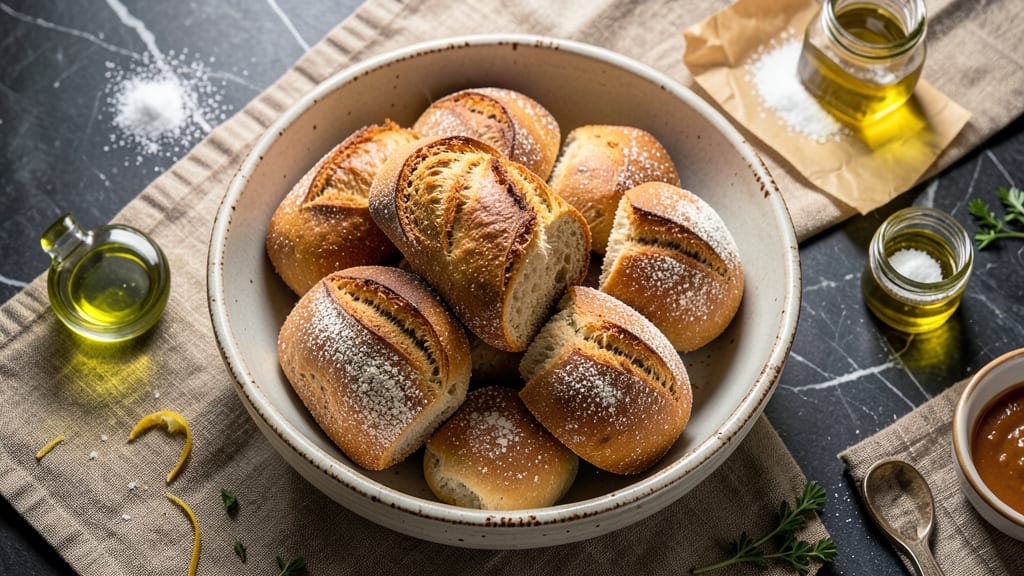
This active dry yeast whole wheat bread recipe delivers the perfect balance of nutty crust and light, airy crumb—something most whole wheat loaves struggle to achieve. The secret lies in a precise yeast-to-flour ratio and a slow fermentation process that develops flavor while breaking down whole wheat’s tougher proteins.
I’ve baked dozens of versions, and this method consistently produces bread with a golden crust and tender interior that rivals artisanal sourdough.
What sets this recipe apart is the two-rise technique, which ensures maximum air incorporation despite whole wheat’s density. We’ll use a small amount of honey to feed the yeast and a touch of olive oil for moisture, creating a dough that’s easy to handle yet develops incredible texture.
The result is bread with a satisfying crunch and a soft, open crumb that’s perfect for sandwiches or toast.
Baking at 375°F for 30-35 minutes yields a loaf with a deep, caramelized crust and even browning. The proofing stages are critical—patience here prevents a dense loaf. Optional add-ins like flaxseeds or sunflower seeds add crunch and nutrition without compromising texture.
This isn’t just whole wheat bread; it’s a foolproof recipe that transforms a basic pantry staple into something extraordinary.
Whether you’re feeding a family or meal prepping for the week, this bread keeps well for 4-5 days at room temperature and freezes beautifully. The nutty, slightly sweet flavor pairs perfectly with soups, cheeses, or even as a base for open-faced sandwiches.
Ready to bake bread that actually lives up to whole wheat’s potential? Let’s get started.
Ingredients for active dry yeast whole wheat bread
Nine essential ingredients transform tough whole wheat into bread with a nutty crust and airy crumb—no sourdough starter required.
| Ingredient | Amount | Notes |
|---|---|---|
| Active Dry Yeast 🍞 | 2 ¼ tsp | One packet for convenience |
| Whole Wheat Flour 🌾 | 4 cups | Plus 2 tbsp for dusting |
| All-Purpose Flour 🌾 | 1 cup | For lighter texture |
| Granulated Sugar 🍚 | 1 tbsp | Feeds the yeast |
| Honey 🍯 | 1 tbsp | Natural sweetener |
| Extra-Virgin Olive Oil 🫒 | ¼ cup | For moisture and flavor |
| Warm Water 💧 | 1 ¼ cups | 110°F for yeast activation |
| Salt 🧂 | 1 ½ tsp | Diamond Crystal preferred |
| Flaxseeds or Sunflower Seeds 🌰 | ¼ cup | Optional for crunch |
| Cornmeal 🌽 | ¼ cup | For dusting loaf pan |
The yeast is your secret weapon here—Saf-Instant or Fleischmann's work best, but any active dry yeast will do. King Arthur or Bob's Red Mill whole wheat flour are ideal for their protein balance, but any brand will work if you're patient during proofing. The honey and sugar feed the yeast, but don't overdo it—too much sweetness can inhibit rise. For the olive oil, California Extra Virgin adds subtle fruitiness, but any good-quality oil works. Warm water should feel like bathwater—too hot kills the yeast, too cold slows it down. Measure your flour by weight if you can—4 cups whole wheat flour equals about 14 oz—for consistency.
No honey? Maple syrup works at a 1:1 ratio, though it adds a distinct flavor. Short on olive oil? Melted coconut oil or avocado oil are great substitutes. Want to skip the seeds? Sesame seeds or poppy seeds add crunch without altering texture. The all-purpose flour might seem odd, but it's what makes this whole wheat bread light enough to eat as sandwich bread. White whole wheat flour is another great option if you want even more tenderness. If your kitchen thermometer isn't working, test the water with your wrist—it should feel pleasantly warm, not hot. And remember: the two-rise technique is non-negotiable for that airy crumb.
This dough is forgiving but not patient—work quickly once mixed. Store any unused flour in an airtight container for up to 6 months, and keep yeast in the fridge for 3-4 months past its expiration date. The baked loaf keeps beautifully for 4-5 days at room temperature wrapped in a clean kitchen towel, or 3 months frozen. For freezing, slice first—freshly toasted bread from the freezer is pure magic. The seeds, if using, should be toasted in a dry pan for 2 minutes before mixing to amplify their flavor. And if you're making multiple loaves, use a stand mixer with the dough hook—this recipe scales perfectly for crowd-pleasing batches.
Why You'll Love This Recipe
- No-Knead Magic: I swear by this trick—just mix the yeast, warm water, and honey first, then fold in the flours. The dough comes together in five minutes, no stand mixer or fancy techniques. Honestly, my lazy Sunday mornings just got a whole lot easier.
- Sweet & Earthy Crunch: That honey isn’t just for flavor—it keeps the crust caramelized and the crumb tender, while the whole wheat adds a nutty bite. Spread it with butter, toast it, or eat it plain: it’s ridiculously good straight from the oven.
- Meal Prep MVP: Bake a loaf on Sunday, and you’ve got sandwich bread, toast, or French toast for five days. The yeast and honey combo makes it stay fresh longer than store-bought, and the whole wheat keeps it hearty for lunches or snacks.
- Budget-Friendly Staple: Whole wheat flour’s cheaper than buying pre-made bread, and this recipe stretches further than you’d think. Plus, the all-purpose flour blend keeps it light—so it’s the kind of bread that actually feels like a treat without breaking the bank.
Step-by-step instructions for artisan whole wheat bread
Here's how to transform simple ingredients into bread with a nutty crust and airy crumb—every time.
Activate the Yeast for Maximum Rise
In a small bowl, combine the 2.25 tsp active dry yeast, 1 tbsp granulated sugar, and ½ cup of the 1.25 cups warm water (110°F). Let it sit for 5-10 minutes until frothy. You'll see tiny bubbles forming and the mixture expanding—this confirms the yeast is alive and ready to work.
If the yeast doesn't activate after 10 minutes, it's likely dead. In that case, start fresh with a new packet. I always test mine first to avoid wasting time on a failed batch. Once active, stir in the 1 tbsp honey—this adds subtle sweetness and helps feed the yeast during fermentation.
Mix the Dough Until Just Combined
In a large mixing bowl, whisk together the 4 cups whole wheat flour, 1 cup all-purpose flour, and 1.5 tsp salt. Create a well in the center and pour in the yeast mixture along with the remaining ½ cup warm water and ¼ cup extra-virgin olive oil. Using a wooden spoon, stir until a shaggy dough forms.
This initial mix might look messy, but that's normal. The whole wheat flour absorbs moisture differently than all-purpose, so don't worry if it seems dry at first. Once combined, turn the dough out onto a lightly floured surface and knead for 8-10 minutes until smooth and elastic. You'll know it's ready when it springs back slowly when poked.
First Rise for Flavor Development
Lightly grease a large bowl with olive oil, place the dough inside, and cover with a damp towel. Let it rise in a warm place (75-80°F) for 1-2 hours, or until doubled in size. The dough should feel light and airy when pressed gently—this indicates proper fermentation.
Here's where patience pays off. The longer you let it rise (up to 2 hours), the more complex flavors develop. I often set my oven to its lowest setting with a bowl of hot water inside to create a warm, humid environment. If your kitchen is cold, this helps speed up the process without overproofing the dough.
Shape and Second Rise for Structure
Punch down the risen dough to release air, then divide it into two equal pieces. Shape each into a smooth loaf by rolling it tightly from the center outward. Place the shaped loaves seam-side down in two greased 8½x4½-inch loaf pans, each dusted with ¼ cup cornmeal. Cover loosely and let rise for another 30-45 minutes until puffy.
For the best results, don't skip the second rise. This step ensures your bread has the proper structure and won't collapse in the oven. If using the optional ¼ cup flaxseeds or sunflower seeds, sprinkle them lightly over the top of each loaf before baking—they'll add delightful crunch and texture.
Bake to Golden Perfection
Preheat your oven to 375°F. Bake the loaves for 30-35 minutes until the tops are deep golden brown and they sound hollow when tapped on the bottom. The internal temperature should reach 190-200°F when measured with an instant-read thermometer.
Real talk: Whole wheat bread can dry out quickly, so don't overbake. As soon as it's done, transfer the loaves to a wire rack to cool completely. The crust will firm up as it cools, developing that nutty, caramelized flavor we're after. Slice while still warm for the best texture—this bread is best enjoyed fresh from the oven.
Pro Tips For Making Active Dry Yeast Whole Wheat Bread
- WARM THE WATER FIRST: I learned this the hard way—yeast hates cold shocks. Mix your yeast with warm water (110°F/43°C) that’s closer to your body temperature than lukewarm tap water. Whole wheat flour absorbs moisture fast, so get that yeast blooming in 5 minutes before adding dry ingredients, or you’ll end up kneading a sad, sluggish dough.
- WEIGH YOUR WHOLE WHEAT FLOUR: Scooping whole wheat flour by volume is a disaster—it packs differently than all-purpose, and your dough will either be too dry or too sticky. Use a kitchen scale for accuracy: 1 cup whole wheat flour weighs about 120g (not 160g like AP flour). If you’re mixing both flours, measure them separately—this isn’t the time to eyeball.
- DON’T OVER-KNEAD THE DOUGH: Whole wheat dough tears easily and develops gluten slower than white flour. After 8–10 minutes by hand (or 5–6 minutes in a stand mixer with a dough hook), stop when the dough just starts to pull away from the bowl. Overworking it makes bread dense and chewy—like eating a brick with a crust. Let the yeast’s magic handle the rest during the bulk rise.
- SWAP HONEY FOR A PINCH OF SALT: Honey adds sweetness but can slow yeast activity if overused. For a more balanced flavor, replace 1 tablespoon honey with ½ teaspoon salt in the dough. It sharpens the whole wheat’s earthiness and tightens the crumb—no one will miss the extra sweetness, and your bread will rise better. (Yes, even if you’re not baking sourdough.)
Perfect pairings for active dry yeast whole wheat bread
Classic Pairings
This whole wheat bread pairs beautifully with homemade tomato soup—the nutty crust contrasts perfectly with the acidity. I like to add a drizzle of balsamic glaze and fresh basil to elevate the combo.
For a hearty meal, serve with grilled chicken thighs and a side of roasted Brussels sprouts, where the bread soaks up all the juices. 🍗
Breakfast Spreads
Transform your morning with avocado toast—mash ½ ripe avocado on warm slices, sprinkle with flaky sea salt, and top with everything bagel seasoning. For a sweet twist, try almond butter and banana slices with a drizzle of honey.
The whole wheat base holds up beautifully to creamy toppings without getting soggy.
Cheese Board Essentials
Create a showstopping cheese board with aged cheddar, brie, and goat cheese alongside this bread. The dense whole wheat texture balances creamy cheeses perfectly. Add cured meats like prosciutto or salami, dried apricots, and walnuts for crunch.
A glass of dry Riesling cuts through the richness while complementing the bread's nutty notes. 🧀
Sandwich Perfection
Build turkey and cranberry sandwiches with sharp cheddar, spinach, and a smear of Dijon mustard—this bread holds up to all the fillings without falling apart. For a vegetarian option, layer hummus, roasted red peppers, and arugula.
Toast the bread lightly before assembling to enhance the crust's flavor and create a satisfying crunch.
Dessert Accompaniments
Dip warm slices in dark chocolate melted with a pinch of sea salt for a simple yet elegant dessert. The bread's hearty texture contrasts beautifully with whipped ricotta topped with honey and cinnamon.
For a festive touch, serve with spiced apple butter and a sprinkle of pecans—the combination feels like a cozy autumn treat. 🍏
Meal Prep Strategy
Slice the cooled loaf and store in an airtight container with a paper towel to prevent sogginess. Pack individual slices with peanut butter and jelly for quick lunches, or use as a base for caprese salads with tomato, fresh mozzarella, and basil.
The bread reheats well in a toaster or oven at 350°F for 5 minutes to restore freshness—perfect for busy mornings. 📅
Nutrition facts
Frequently asked questions
Why does this whole wheat bread recipe use both whole wheat and all-purpose flour?
Whole wheat flour creates a denser, nuttier bread, but it lacks the gluten structure needed for a light crumb. The 1 cup all-purpose flour in this recipe improves elasticity and airiness without sacrificing too much nutrition. Think of it as a "gluten boost" that makes this bread perfect for sandwiches!
Can I make this bread without a stand mixer?
While a mixer makes kneading easier, you can achieve the same results by kneading by hand for 8-10 minutes on a lightly floured surface. The dough should feel smooth and spring back slowly when poked. Just be prepared for some arm work—the whole wheat flour makes it slightly stickier than all-purpose.
What if my dough doesn't rise properly?
Most common causes are dead yeast, cold water, or insufficient proofing time. Always test your yeast first (it should foam in 5-10 minutes with warm water and sugar). Keep your proofing area warm (75-80°F)—try placing the bowl on top of your oven with the light on, or in a turned-off oven with a bowl of hot water. If using old yeast, replace it with a fresh packet.
How do I store this bread to keep it fresh longer?
Wrap cooled loaves tightly in a clean kitchen towel or beeswax wrap and store at room temperature for 4-5 days. For longer storage, slice and freeze—it reheats beautifully in a toaster or oven at 350°F for 5 minutes. The towel helps maintain moisture better than plastic bags, which can make bread soggy.
Can I add other mix-ins besides seeds?
Yes! Try chopped walnuts, sun-dried tomatoes, or garlic powder for extra flavor. For a sweet version, add chopped dried cranberries or cinnamon. Just remember: too many mix-ins can make the dough dense. Stick to ¼ cup total of any extras to maintain that light texture.