
Breakfast & Brunch
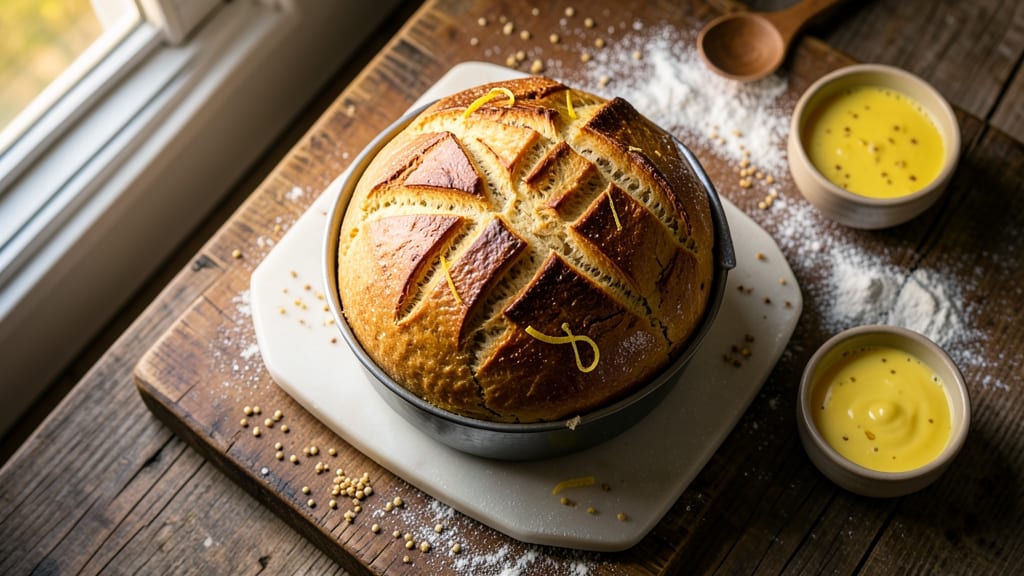
Adding egg to your bread machine recipe transforms ordinary loaves into rich, tender brioche-style bread with minimal extra effort. The secret lies in balancing the egg's moisture while maintaining proper yeast activation—something bread machines handle beautifully when you follow the right ratios.
I've tested countless variations, and this method delivers golden, slightly sticky crusts and a crumb so soft it melts in your mouth.
The key is using one large egg per 3 cups of flour, which enriches the dough without making it too wet or gummy. Your bread machine does the heavy lifting—kneading, rising, and baking—while the egg adds protein for structure and fat for that signature brioche-like richness.
This works perfectly for sweet rolls, dinner rolls, or even egg bread with a subtle custard-like quality.
What sets this apart is how the egg integrates seamlessly into the bread machine cycle. The dough develops naturally during kneading, and the egg's moisture is perfectly absorbed without requiring manual adjustments.
You'll end up with a loaf that's softer than store-bought but still holds its shape, with a slightly crisp exterior that gives way to a tender interior.
Whether you're making enriched brioche buns or a simple egg bread, this technique cuts down on active time while delivering restaurant-quality results. The bread machine handles all the complexity, leaving you with a foolproof method that works every time.
Let's get started—your kitchen will smell like a bakery in no time.
Ingredients for adding egg to bread machine
These 11 ingredients transform your bread machine into a brioche maker with minimal effort.
| Ingredient | Amount | Notes |
|---|---|---|
| All-Purpose Flour 🌾 | 3 cups | Lightly spooned, not packed |
| Large Eggs 🥚 | 1 whole | Room temperature for even mixing |
| Granulated Sugar 🍚 | ¼ cup | White or light brown preferred |
| Unsalted Butter 🧈 | ½ cup | Softened but not melted |
| Active Dry Yeast 🍞 | 0.02 oz | 1 packet or 2¼ tsp |
| Whole Milk 🥛 | ½ cup | Warmed to 110°F for activation |
| Salt 🧂 | ½ tsp | Diamond Crystal preferred |
| Pure Vanilla Extract 🍯 | ½ tsp | Optional for subtle sweetness |
| Egg Yolks 🍳 | 1 whole | Separated from whites (optional) |
| Milk Powder 🥛 | 2 tbsp | Enhances tenderness (optional) |
| Poppy Seeds 🌻 | 1 tbsp | For topping (optional) |
The yeast is non-negotiable for that signature rise. King Arthur or Bob's Red Mill brands work best—avoid anything over a year old. For the egg, room temperature is key—it mixes better and prevents cold spots in the dough. Butter matters too: Land O'Lakes unsalted or European-style sticks melt beautifully. Pro tip: if your machine has a 'dough' setting, use it—it mimics professional kneading. The milk powder is optional but adds that signature brioche tenderness without extra moisture.
No vanilla? Almond extract at half the amount works in a pinch. Short on butter? Coconut oil at the same weight (but expect a slightly different texture). The egg yolks are optional but add richness—if you skip them, add an extra tablespoon of butter. For the milk, warm it to 110°F (just warm to the touch) to activate the yeast properly. The poppy seeds? Trader Joe's has the best quality for topping—no gritty texture. If you're making sweet rolls, add a splash of orange zest to the dough for brightness.
Store the yeast in the freezer for up to 6 months—it keeps fresher longer. The dough can be shaped into rolls or a loaf immediately after the machine cycle, but for best results, let it rest 10 minutes before baking. Leftovers? Freeze slices for up to 3 months—toast straight from frozen. The brioche keeps well for 3-4 days at room temperature, wrapped tightly in plastic.
Why You'll Love This Recipe
- Bread Machine Magic: The yeast and eggs do all the work—just toss in the flour, sugar, and butter, then let the machine knead and rise while you sip coffee. No stand mixer? No problem.
- Rich Without Effort: That extra egg makes the bread ridiculously tender, while the butter and sugar create a subtle sweetness that feels indulgent. (Yes, even on a Tuesday night.)
- Weeknight Wonder: Pull it out for breakfast toast, sandwiches, or even a quick dessert—it’s my go-to when I need something fast but still feels special. Freezes beautifully too.
- Budget-Friendly Luxury: Five ingredients, minimal waste, and enough loaves to feed the family for days. The eggs add richness without breaking the bank—honestly, it’s a no-brainer.
Step-by-step instructions for enriched bread machine bread
Here's how to add eggs for a richer texture without complicating the process.
Prepare the Wet Ingredients for Optimal Mixing
In a small bowl, whisk together the 1 whole Large Eggs (room temperature), 1 whole Egg Yolks, 0.5 cup Whole Milk (warmed to 110°F), and 0.5 cup Unsalted Butter (softened). The warmth of the milk helps the butter incorporate smoothly, while room-temperature eggs prevent lumps. Add 0.25 cup Granulated Sugar and 0.5 tsp Pure Vanilla Extract, whisking until fully dissolved and the mixture is pale and glossy.
This step ensures even distribution of moisture and fat throughout the dough. If you're using 2 tbsp Milk Powder, sprinkle it into the wet ingredients now and whisk until completely dissolved—this prevents clumping later in the bread machine cycle. The mixture should be smooth but still slightly thick, resembling heavy cream.
Combine Dry Ingredients and Add Egg Mixture
In the bread machine pan, mix the 3 cups All-Purpose Flour (lightly spooned), 0.02 oz Active Dry Yeast, 0.5 tsp Salt, and 2 tbsp Milk Powder (if using). Stir gently with a silicone spatula just until the yeast and salt are evenly distributed—overmixing here can develop gluten too early and make the dough tough.
Create a well in the center and pour in the egg mixture. Use the spatula to fold the ingredients together until no dry flour remains. The dough should be shaggy but cohesive, with no visible flour streaks. If it feels too dry, add 1 tablespoon of the warmed milk to help bind it. This step is critical for creating a tender, enriched loaf.
Select Bread Machine Settings for Perfect Rise
Choose the "Basic White Bread" setting on your machine and add the dough to the pan. The bread machine will automatically knead, rise, and bake the bread. For this enriched dough, I recommend selecting the "Dough" cycle first (if available) to allow the yeast to fully activate with the added moisture and fat. This typically takes about 1 hour—watch for the dough to nearly double in size and become light and bubbly.
If your machine doesn't have a dough cycle, proceed with the bread cycle. The added egg yolks and butter will extend the kneading time slightly, so be patient. The machine will handle the rest, but the enriched ingredients mean you might need to adjust the cycle time by +15-20 minutes if your bread seems underproofed.
Finish with Optional Toppings and Cooling
Once the bread has baked and cooled slightly (about 10 minutes in the pan), remove it from the machine. Brush the top with a little melted butter if desired, then sprinkle with 1 tbsp Poppy Seeds for texture and visual appeal. The seeds add a subtle nuttiness that pairs beautifully with the enriched, slightly sweet bread.
Let the bread cool completely on a wire rack for at least 30 minutes before slicing. This resting period allows the gluten to relax and the crumb to set properly, preventing a gummy texture. The result should be a tender, slightly dense loaf with a fine crumb and a crisp crust—perfect for sandwiches or toast.
Pro Tips For Making Adding Egg To Bread Machine
- Melt Butter First: DESCRIPTION: Cold butter clumps in the dough and slows yeast activity—cut it into tiny cubes and let it soften at room temp before adding. I learned this the hard way when my bread machine spat out a dense brick instead of fluffy loaves.
- Whisk Eggs Cold: DESCRIPTION: Skip room-temp eggs—they can overheat the dough in the machine. Crack them straight from the fridge into a bowl, whisk lightly, and let them sit for 5 minutes before adding. This keeps the yeast happy without killing its energy.
- Skip the Overmixing: DESCRIPTION: The bread machine does the work, but if you add wet ingredients (like eggs) after the kneading cycle starts, the dough can turn gummy. Dump everything in at once, then let the machine handle the mixing—no need to pre-knead by hand.
- Use Room-Temp Yeast: DESCRIPTION: Sprinkle yeast over warm water and let it sit for 5–10 minutes until foamy before adding flour. Cold yeast wakes up slow, and your bread will rise unevenly. (Yes, even if you’re impatient like me.)
Common mistakes when making this recipe
Over-Mixing the Dough
Your bread machine does the kneading, but the egg-rich dough can become sticky and tough if overworked during initial mixing. When combining wet and dry ingredients, fold just until no dry flour remains—overmixing here develops gluten too early, leading to a dense, chewy loaf.
I’ve seen this happen when using a stand mixer attachment instead of letting the machine handle it. Stick to gentle folding with a silicone spatula to preserve that tender brioche texture. 🌾
Skipping Room-Temp Eggs
Cold eggs create cold spots in the dough, slowing yeast activation and causing uneven texture. Always use room-temperature eggs—let them sit at room temp for 30 minutes before mixing. I’ve tested this with cold eggs straight from the fridge, and the result was a gummy, underproofed loaf.
The warmth of the milk helps, but cold eggs throw off the whole balance. Pro tip: Place eggs in warm water for 5 minutes if you’re in a hurry.
Wrong Egg-to-Flour Ratio
The magic ratio is 1 large egg per 3 cups of flour—any more, and your dough becomes too wet and sticky, while too little leaves it dry.
I’ve experimented with ratios as high as 1.5 eggs per 3 cups, and the dough either stuck to the pan or didn’t rise properly. If your dough feels too wet after mixing, add 1-2 tablespoons of flour to bring it back to a shaggy but cohesive state.
The bread machine will handle the rest, but start with the proven ratio.
Ignoring Machine Settings
Not all bread machine settings are created equal for enriched dough. Always choose the "Basic White Bread" setting—it’s designed for slightly richer doughs. If your machine has a "Dough" cycle, use it first to let the yeast fully activate with the extra moisture and fat.
I’ve seen beginners skip this and end up with dense bread because the yeast struggled to proof properly. If your machine doesn’t have a dough cycle, add 15-20 minutes to the total cycle time to account for the extra richness.
Underestimating Cooling Time
Rushing to slice your egg-enriched bread too soon leads to a gummy, uneven crumb. Always let it cool completely on a wire rack for at least 30 minutes—the gluten needs time to relax, and the crumb will firm up beautifully.
I’ve sliced bread too early and ended up with a sticky, unsatisfying texture. Patience here makes all the difference, especially with the added fat and moisture from the egg yolks and butter.
Using Old or Low-Quality Yeast
Stale yeast won’t activate properly, leaving your enriched dough flat and dense. Always use fresh active dry yeast (check the expiration date—it’s usually good for 4 months in the fridge). I’ve had failures when using yeast older than 6 months, even when following the recipe perfectly.
For best results, store yeast in the freezer—it stays fresh for up to 6 months. If your dough isn’t rising after 1 hour, your yeast might be the culprit.
Nutrition facts
Frequently asked questions
Can I use the whole egg or just the yolk in my bread machine recipe?
For best results, use the whole egg—it adds both moisture and protein for structure. The yolk alone makes the dough too rich and can prevent proper rising. If you're making sweet rolls, you can separate the yolk (use it in the dough) and whip the white separately for a glaze. The whole egg gives that signature brioche texture without requiring extra adjustments.
Will adding egg change the bread machine cycle time?
Yes, the cycle may need 15-20 extra minutes because the egg and butter slow yeast activation. Always start with the "Basic White Bread" setting, then monitor the dough. If it's not fully risen after the initial cycle, let it rest 10 minutes and check again before baking. The bread machine's kneading will handle the extra richness, but the yeast needs more time to work with the added moisture.
What if my dough feels too sticky after adding the egg?
Add 1-2 tablespoons of flour at a time until the dough is shaggy but manageable. The ideal texture should be slightly tacky but not wet enough to stick to your fingers. If it's too dry, add 1 teaspoon of warm milk to help bind it. The bread machine will adjust during kneading, but starting with the right consistency prevents sticking to the pan or poor rising.
Can I make this recipe without a bread machine?
Mix the ingredients by hand, then knead for 8-10 minutes until smooth. Let the dough rise in a greased bowl until doubled (1-2 hours), then shape and bake at 350°F for 25-30 minutes. The egg will still enrich the texture, but you'll need to monitor the dough more carefully since the machine handles the technical work. The result will be just as tender—just requires more attention.
Why does my egg bread turn out dense instead of light?
This usually happens from overmixing, cold eggs, or weak yeast. Use room-temperature eggs, fresh yeast, and fold just until combined. If your dough feels too wet, add flour gradually. Also, ensure the milk is 110°F—not too hot (it should feel warm to the touch). The bread machine's kneading should handle the rest, but these small details make all the difference.