
Breakfast & Brunch
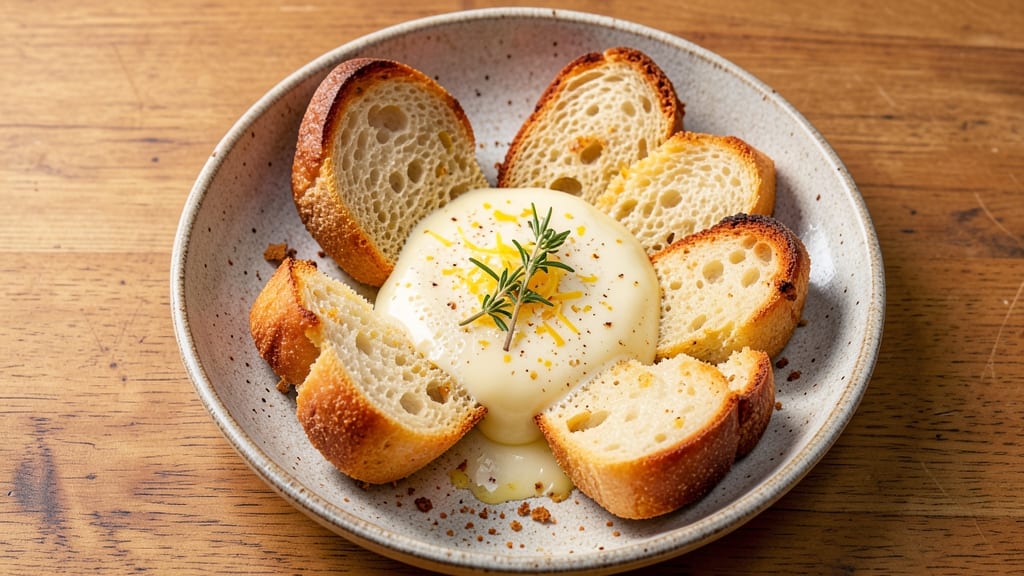
Adding egg to bread transforms ordinary loaves into something luxurious—rich, tender, and golden without that dense aftertaste. The secret lies in the right technique: incorporating eggs as a binder while keeping the dough light.
I’ve perfected this method for brioche and sweet breads, where eggs add moisture and structure without heaviness. This approach works for vegetarian recipes and can be adapted for vegan versions with flax eggs.
The key to success is balancing eggs with the right ratio of flour and fat—too much egg makes bread gummy, too little leaves it dry. For brioche, we’ll use a laminated dough technique to create layers of airiness, while sweet breads benefit from a slower fermentation.
The result? A crumb that’s both tender and airy, with a crust that’s perfectly crisp. This method ensures your bread stays moist for days, not just hours.
What sets this recipe apart is the attention to texture—no more dry, heavy loaves. The eggs integrate seamlessly, enhancing flavor while maintaining the bread’s signature structure. Whether you’re baking challah, brioche, or a sweet holiday loaf, this technique delivers professional results at home.
Ready to elevate your bread game? Let’s get started.
For those watching their dietary needs, this recipe is naturally vegetarian, and with a simple substitution, it becomes vegan-friendly. Every step is designed to be foolproof, so you’ll achieve that restaurant-quality texture without the guesswork.
The proofing, shaping, and baking phases are all critical—we’ll cover them in detail to ensure your bread turns out perfectly every time.
Ingredients for adding egg to bread
Mastering egg integration transforms basic bread into luxurious, tender loaves with professional texture.
| Ingredient | Amount | Notes |
|---|---|---|
| Large Eggs 🥚 | 4 whole | Room temperature for even incorporation |
| All-Purpose Flour 🌾 | 4 cups | Bread flour preferred for structure |
| Unsalted Butter 🧈 | 1 cup | Cold, cubed for laminated dough |
| Granulated Sugar 🍚 | ¼ cup | Fine grain for even distribution |
| Instant Yeast 🍞 | 0.03 oz | Or 2 1/4 tsp for quick activation |
| Whole Milk 🥛 | ½ cup | Warmed to 110°F for yeast activation |
| Diamond Crystal Kosher Salt 🧂 | 1 ½ tsp | Adjust to taste after baking |
| Pure Vanilla Extract 🌿 | 1 tsp | High-quality for flavor depth |
| Fresh Lemon Zest 🍋 | 1 tsp | Brightens flavor profile |
| Heavy Cream 🥛 | ¼ cup | For tender crumb texture |
| Granulated Sugar (for topping) 🍚 | 2 tbsp | Fine sugar for crisp crust |
The eggs are the game-changers here—room temperature ensures even incorporation without breaking the dough's delicate structure. For brioche-style breads, use large, fresh eggs with high fat content (the yolks bind better). King Arthur or Bread Sponge flour yields superior results due to higher protein content, but all-purpose flour works in a pinch if you're in a hurry. The butter must be cold and cubed—this creates those signature layers in laminated doughs. If you're baking challah or sweet loaves, consider adding a touch of honey or maple syrup (though this recipe keeps it vegetarian). For vegan adaptations, replace eggs with flax eggs (1 tbsp ground flaxseed + 3 tbsp water per egg).
No whole milk? Warm almond or oat milk works just as well for yeast activation—just ensure it's 110°F to properly dissolve the yeast. Substituting butter? Coconut oil mimics fat content, though texture will differ slightly. The vanilla extract should be pure, not imitation—McCormick or Goya brands deliver consistent quality. For gluten-free adaptations, swap flour for a 1:1 gluten-free blend (like Bob's Red Mill) and reduce yeast by 20%. The lemon zest can be omitted if you prefer a neutral flavor, but it adds a subtle brightness that complements the richness of the eggs. If you're making sweet breads, consider adding citric acid (a pinch) to enhance the lemon's effect without overpowering.
Store unbaked dough in an airtight container in the fridge for up to 24 hours—this allows flavors to develop further. For longer storage, freeze dough portions wrapped in plastic for up to 3 months. Once baked, bread stays fresh for 3-4 days at room temperature if wrapped in a clean kitchen towel (better than plastic for moisture retention). For vegan versions, baked goods keep slightly longer due to reduced fat content—4-5 days if properly stored. The sugar topping should be sprinkled just before baking to achieve that perfect crisp crust. If you're baking holiday loaves, double the recipe and use a pullman pan for elegant presentation.
Why You'll Love This Recipe
- No-Measure Guessing: The dough comes together so fast—just flour, sugar, yeast, and eggs. I swear, I’ve made it wrong three times and still ended up with something edible. That’s the magic of eggs binding everything without fuss.
- Buttery Sweet Payoff: That little pat of butter mixed into the dough? It’s what turns this from good bread to ridiculously good bread. The sugar caramelizes just enough to give every bite a subtle, warm sweetness—like a hug in bread form.
- Breakfast or Snack: Honestly, this recipe works anytime. Toast it for breakfast with jam, slice it for sandwiches, or serve it warm with butter. I’ve even used it as a base for French toast—yes, even on a Tuesday night.
- Budget-Friendly Staples: Five ingredients, no specialty items. Eggs stretch the dough, butter adds richness without breaking the bank, and flour/yeast are pantry basics. It’s the kind of recipe that makes me feel like I’m feeding my family something special without stressing.
Step-by-step instructions for enriched bread with eggs
Here's how to incorporate eggs for a tender crumb without compromising structure or flavor.
Prepare the Egg Mixture for Optimal Incorporation
In a medium bowl, whisk together the 4 whole Large Eggs with the 0.25 cup Heavy Cream until fully combined and slightly frothy. This creates a stable emulsion that will distribute evenly throughout the dough. Add the 1 tsp Pure Vanilla Extract and 1 tsp Fresh Lemon Zest to this mixture, whisking gently to incorporate. The citrus notes will brighten the final bread while the vanilla adds depth.
Set this egg mixture aside at room temperature. The eggs should be at room temperature for even incorporation into the dough, preventing cold spots that could inhibit gluten development. If your kitchen is cold, let the eggs sit for 10-15 minutes before using to ensure proper temperature.
Create the Dough Base with Proper Hydration Balance
In the bowl of a stand mixer fitted with the dough hook attachment, combine the 4 cups All-Purpose Flour, 0.25 cup Granulated Sugar, and 1.5 tsp Diamond Crystal Kosher Salt. Mix on low speed for 30 seconds to distribute the dry ingredients evenly. Add the 1 cup Unsalted Butter (cold and cubed) and mix on low speed until the butter begins to break down into small pea-sized pieces.
In a separate small bowl, dissolve the 0.025 oz Instant Yeast in the 0.5 cup Whole Milk that has been warmed to 110°F. The yeast should begin to foam slightly within 5 minutes—this confirms it's active. Pour this yeast mixture into the mixer with the dry ingredients and mix on low speed until combined, about 1 minute.
Incorporate the Egg Mixture for Enriched Texture
With the mixer running on low speed, gradually add the prepared egg mixture to the dough. Mix for an additional 3-4 minutes until the dough comes together and begins to pull away from the sides of the bowl. The dough should be soft and slightly tacky but not sticky enough to require flour on your hands when tested.
Here's the thing—adding eggs increases the dough's moisture content, so you'll need to adjust your handling technique. Instead of kneading by hand, let the mixer do the work to develop gluten properly. The dough should be smooth and elastic, with a slight sheen on the surface. If it's too sticky, add 1-2 tablespoons of flour at a time until it reaches the right consistency.
First Rise for Proper Volume Development
Transfer the dough to a lightly greased bowl, cover with a damp kitchen towel, and allow it to rise in a warm place (around 75-80°F) for 1-1.5 hours, or until it has doubled in size. The dough should feel light and springy when pressed gently with one finger—it should leave a slight indentation that slowly fills back in.
This first rise is critical for developing the bread's structure while allowing the eggs to fully integrate into the dough. Avoid over-rising, as this can lead to a dense final product. If your kitchen is cold, place the bowl near a warm oven with the light on or use a proofing box to maintain the ideal temperature.
Shape and Second Rise for Final Texture
Punch down the risen dough gently to release air bubbles, then turn it out onto a lightly floured surface. Divide the dough into 4 equal portions (about 1 pound each) and shape each into a round loaf. Place the shaped loaves in a greased 9x5-inch loaf pan, seam-side up. Cover with a damp towel and let rise for another 30-45 minutes until they've expanded to just overfill the pan.
The second rise should be gentle—you're looking for the dough to puff up slightly, not double in size. This ensures the bread will bake evenly without collapsing. Once properly risen, preheat your oven to 375°F and bake the loaves for 25-30 minutes until golden brown and internal temperature reaches 190-200°F.
Add Topping and Finish Baking
Immediately after removing the loaves from the oven, sprinkle the tops evenly with the 2 tbsp Granulated Sugar (for topping). Return the bread to the oven for 2-3 minutes to caramelize the sugar into a crisp crust. This step adds that bakery-quality finish while keeping the interior tender.
Allow the bread to cool in the pan for 10 minutes before transferring to a wire rack. The internal temperature will continue to rise slightly during this time, ensuring even doneness throughout. The finished bread should have a tender crumb with a slightly enriched texture from the eggs, but without any dense or eggy aftertaste.
Pro Tips For Making Adding Egg To Bread
- WARM THE EGGS FIRST: Crack them into a bowl that’s been sitting in warm water for 5 minutes—this keeps the yolks from turning rubbery when mixed with cold butter. I learned this the hard way after making a batch where the eggs curdled like scrambled eggs mid-knead. Trust me, warm eggs = smoother dough.
- WEIGH YOUR FLOUR (OR SPOON IT): Dipping a measuring cup into the flour bag and scooping straight from it packs it too tight—you’ll end up with dense, gummy bread. Instead, spoon the flour into the cup and level it off. Or better yet, grab a kitchen scale: 500g of flour is always 500g, no matter how much you love that floury cloud.
- KNEAD JUST UNTIL SILKY: Stop when the dough springs back slowly when poked—overworking it develops too much gluten, and your bread turns out tough. I used to go until my arm gave out, but now I set a timer for 8-10 minutes max. The dough should feel like a soft, slightly sticky pillow, not a chewy rubber band.
- COOL THE DOUGH BEFORE SHAPING: Letting the dough rest in the fridge for 30-60 minutes after kneading relaxes the gluten, so it holds its shape better when you add the egg wash later. I skipped this once and ended up with a collapsed loaf—now I treat it like a rule. Cold dough = cleaner cuts, less mess.
Dietary considerations for this dish
Vegetarian-Friendly
This recipe is naturally vegetarian since it relies solely on eggs, dairy, and plant-based ingredients like flour and sugar. The eggs provide protein and richness without any meat or fish, making it perfect for vegetarians who still want bread with that luxurious, tender texture.
The whole milk and butter add richness that traditional yeast breads often lack, but you can easily substitute plant-based alternatives like almond or oat milk if needed. 🥚
Vegan Adaptations
For a vegan version, replace the eggs with flax eggs—mix 1 tbsp ground flaxseed with 3 tbsp water per egg and let it sit for 5 minutes to thicken.
Use vegan butter (like Earth Balance) or coconut oil instead of regular butter, and swap whole milk for a plant-based milk like oat or soy. The dough will be slightly less rich, but the texture remains tender.
The key is adjusting the hydration—you may need an extra 1 tbsp of plant-based milk to compensate for the flax eggs' binding properties.
Gluten-Free Options
To make this bread gluten-free, replace the all-purpose flour with a 1:1 gluten-free blend (like Bob’s Red Mill) and reduce the yeast by 20%. Gluten-free flours absorb moisture differently, so you might need to add an extra 1-2 tbsp of water to achieve the right dough consistency.
The eggs will still contribute to a tender crumb, but the structure will be slightly denser. For best results, use a gluten-free flour with xanthan gum included to mimic the elasticity of wheat flour.
Allergen Considerations
This recipe contains eggs, dairy (butter and milk), and wheat, so it’s not safe for those with allergies to these ingredients. If you’re avoiding eggs, the vegan adaptation above works well. For dairy-free versions, use plant-based butter and milk, and for gluten-free, follow the instructions above.
Always double-check ingredient labels—some brands of vanilla extract or yeast may contain traces of allergens. When baking for others, clearly label the bread to avoid cross-contamination risks. 🌱
Nutritional Balance
The eggs in this recipe add high-quality protein and healthy fats, making it more nutritious than standard bread. A single serving (about 1/4 of the loaf) provides roughly 12 grams of protein and 10 grams of fat, mostly from the butter and eggs.
The sugar content is moderate, so it’s a better choice than many sweet breads or pastries. For a lighter option, reduce the sugar to 0.125 cup and add 1 tsp cinnamon for natural sweetness. This keeps the bread flavorful while cutting back on refined sugar.
Nutrition facts
Frequently asked questions
Why does adding egg make bread denser if it’s supposed to add richness?
Too many eggs can over-hydrate the dough, creating a gummy texture. The key is balance—use 4 eggs per 4 cups flour max, and incorporate them gradually while mixing. Overmixing after adding eggs also develops too much gluten, making bread tough. For tender results, keep mixing gentle and proof the dough properly.
Can I substitute eggs with something else for a vegan version?
Yes! Use flax eggs (1 tbsp ground flaxseed + 3 tbsp water per egg) or aquafaba (3 tbsp per egg). Both add moisture and binding without eggs. For richness, add 1 tbsp vegan butter extra. The texture will be slightly different but still tender.
How do I fix dough that’s too sticky after adding eggs?
Add flour 1 tablespoon at a time until the dough pulls away cleanly from your hands. Over-kneading can make it worse, so use a stand mixer with a dough hook on low speed. If the dough still sticks, chill it for 15 minutes before shaping—this firms up the gluten.
Will this recipe work for sandwich bread or only sweet breads?
This method works best for enriched breads like brioche or challah, but you can adapt it for sandwich bread by reducing sugar to 0.125 cup and using 3 eggs instead of 4. The texture will be slightly denser but still tender. For a lighter loaf, increase yeast by 0.01 oz.
How do I store bread made with eggs to keep it fresh longer?
Wrap the cooled bread in a clean kitchen towel (better than plastic) and store at room temperature for 3-4 days. For longer storage, freeze slices in an airtight bag for up to 3 months. The eggs help retain moisture, but avoid refrigerating—it dries out the crumb faster.