
Side Dishes
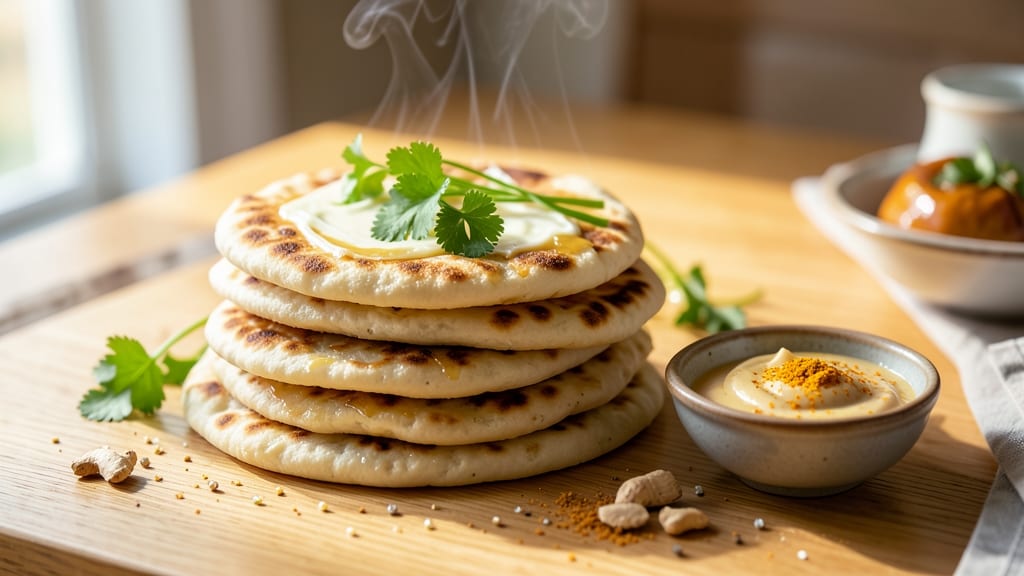
This African chapati bread recipe delivers the perfect balance of spiced warmth and buttery softness—every bite is pillowy, slightly crisp at the edges, and infused with aromatic flavors that make it a staple across East Africa. 🌟 The secret lies in a simple dough that transforms from a basic mixture into golden, flexible rounds when cooked just right on a hot griddle or cast iron skillet.
What sets this recipe apart is its versatility—serve it as a side with curries, stuff it with spiced meats, or enjoy it plain with honey or jam for breakfast. The dough requires minimal ingredients but maximum technique, particularly in rolling and cooking to achieve that signature softness without tearing.
Traditional recipes often include spices like turmeric or ginger, while modern variations add chili flakes or garlic for extra depth.
Once mastered, this chapati becomes a foolproof addition to any meal—its simplicity hides its ability to elevate dishes from ordinary to extraordinary. The dough rests briefly, allowing gluten to develop for that perfect texture, while the high-heat cooking ensures a crisp exterior and tender interior.
No special equipment is needed beyond a rolling pin and a hot skillet, making it accessible for home cooks.
Whether you're recreating an East African feast or adding global flavors to your kitchen, this recipe delivers authentic results with a modern twist. The aroma alone will transport you to bustling street markets, where chapati is as essential as bread itself. Let's get started on creating yours.
Ingredients for african chapati bread
Nine simple ingredients transform into golden, spiced chapati rounds perfect for any meal.
| Ingredient | Amount | Notes |
|---|---|---|
| All-Purpose Flour 🌾 | 4 cups | White or whole wheat blend |
| Unsalted Butter 🧈 | ½ cup | Cold, cubed for dough |
| Warm Water 💧 | 1 ½ cups | 110°F for optimal dough |
| Salt 🧂 | 1 tsp | Fine sea salt preferred |
| Ground Turmeric 🌿 | ½ tsp | For authentic color |
| Ground Ginger 🌶️ | ½ tsp | Freshly ground preferred |
| Garlic Powder 🧄 | ½ tsp | Or 1 crushed fresh clove |
| Red Chili Flakes 🔥 | ¼ tsp | Adjust for heat preference |
| Vegetable Oil 🫒 | 2 tbsp | For brushing dough rounds |
Flour is the foundation—King Arthur or Bob's Red Mill work best for that tender crumb. Butter should be cold; cut it into small cubes and rub into the flour before adding water. Warm water (around 110°F) activates the gluten better than cold. For the spices, Penzeys or Spicewalla carry authentic East African blends, but regular grocery store turmeric and ginger work fine. Skip the pre-ground spices if possible—they lose potency quickly. The dough needs to rest for 30 minutes after mixing, so plan ahead.
No turmeric? Saffron at 1/8 tsp gives a similar golden hue, though it's pricier. Short on butter? Coconut oil works too, though it adds a slight coconut flavor. Chili flakes can be swapped for cayenne or smoked paprika, but the heat level will differ. Fresh garlic lovers can use 1 crushed clove instead of powder. For a modern twist, add 1 tsp black pepper to the dough. The dough should be soft but not sticky—add a splash more water if needed, but don't overdo it.
Dough keeps 2 days wrapped in plastic in the fridge or 3 months frozen in portions. For best results, bring frozen dough to room temperature before rolling. The chapati reheats beautifully—wrap in foil and warm in a 350°F oven for 5 minutes. Leftovers can be toasted in a dry skillet for a crispy texture. Store cooked chapati in an airtight container with a paper towel to prevent sogginess. Freeze extras individually wrapped for easy reheating.
Why You'll Love This Recipe
- Five-Ingredient Magic: I swear, this dough comes together faster than you can sing "Happy Birthday." Just flour, butter, water, salt, and a pinch of turmeric—no fancy mixers or last-minute grocery runs. Honestly, I’ve made it in my kitchen while chatting with my neighbor through the window.
- Golden Crisp Wonder: That turmeric isn’t just for color—it adds this subtle, earthy warmth that makes every bite feel special. And the butter? Oh, the butter gives it that melt-in-your-mouth richness, especially when it gets that perfect golden crust. (Yes, even on a Tuesday night.)
- Every Meal’s Sidekick: Breakfast? Wrap it around eggs and avocado. Lunch? Stuff it with spicy beans and greens. Dinner? Serve it with stew or curry. I’ve even used leftover chapati as a makeshift pizza crust—no one judged me. It’s the ultimate blank canvas for whatever’s on your plate.
- Budget-Friendly Staple: A single batch feeds my family for days, and the ingredients cost less than takeout coffee. Freeze extras flat like a pancake, and they reheat in seconds—crispy again, like new. Between us, this is how I stretch groceries without sacrificing flavor.
Step-by-step instructions for African chapati bread
Here's how to craft pillowy, golden-brown chapati with authentic spiced flavor and perfect texture.
👨🍳 Step 1: Mix the Dough with Warm Water
In a large mixing bowl, combine the 4 cups all-purpose flour, 1 tsp salt, 0.5 tsp ground turmeric, 0.5 tsp ground ginger, 0.5 tsp garlic powder, and 0.25 tsp red chili flakes. Whisk these dry ingredients together until the spices are evenly distributed and no flour clumps remain.
Create a well in the center and add the 0.5 cup cold cubed unsalted butter. Use your fingers to work the butter into the flour until it resembles coarse crumbs with pea-sized butter pieces throughout. Pour in the 1.5 cups warm water (about 110°F) gradually while mixing with a wooden spoon or your hands. The dough should begin to pull away from the sides of the bowl as you incorporate the water.
🥘 Step 2: Knead Until Smooth and Elastic
Turn the dough onto a lightly floured surface and knead vigorously for 8-10 minutes until the dough becomes smooth, elastic, and no longer sticky. You'll know it's ready when it springs back slowly when poked with your finger. If the dough feels too dry, add 1 tsp warm water at a time; if too sticky, add 1 tbsp flour at a time.
This kneading step develops gluten, which gives chapati their signature softness and chewiness. I like to divide the dough into 8 equal balls (about 2.5 ounces each) and roll them gently between my palms to create smooth surfaces. Cover the dough balls with a damp towel to prevent drying as they rest for 30 minutes at room temperature.
🔥 Step 3: Roll and Cook Each Chapati
Heat a clean, dry skillet or cast-iron griddle over medium-high heat until it's hot but not smoking. Lightly brush one dough ball with vegetable oil using your fingers, then place it on the skillet. Press down gently with a rolling pin or your palm to flatten it into a 6-inch round—don't over-roll or the chapati will become tough.
Cook for 30-45 seconds until bubbles form on the surface and the bottom turns golden brown with dark spots. Flip carefully with a spatula and cook the other side for another 30-45 seconds, pressing down lightly with the spatula to encourage even cooking. Remove to a clean towel and cover with another towel to keep warm while you cook the remaining chapati.
⏰ Step 4: Serve Warm with Butter and Spices
Serve the chapati immediately while still warm and pliable. For extra flavor, brush the hot chapati with melted unsalted butter and sprinkle with a pinch of salt and red chili flakes. The bread should be soft in the center with a slightly crispy exterior—this contrast is what makes chapati so delicious.
Real talk: these chapati are best enjoyed fresh from the skillet. If you need to reheat leftovers, warm them in a dry skillet over medium heat for 20-30 seconds per side until pliable again. Store any extras in an airtight container for up to 2 days, but they won't be as tender as when first made.
Pro Tips For Making African Chapati Bread
- Boil the Water First: If you’re using warm water straight from the tap, you’re missing out—heat it until it’s just off-boil (190°F/88°C). That small effort makes the dough absorb the liquid faster and smoother, so you’re not fighting sticky messes later. (I used to skip this and ended up kneading wet, sticky dough for twice as long.)
- Salt the Butter, Not the Dough: Mix the pinch of salt directly into the melted butter before adding it to the flour. This way, every bite gets that balanced flavor instead of relying on the dough’s dry salt to distribute evenly. (Yes, it’s a tiny detail, but it makes a real difference when you’re eating them fresh off the skillet.)
- Roll Thinner Than You Think: Most recipes say “¼-inch thick,” but I’ve learned the sweet spot is closer to ⅛-inch—especially for the first few chapati. Thinner = faster cooking, less risk of a gummy center, and that perfect crispy edge. (Your first one will tear. That’s normal. The second one won’t.)
- Let the Dough Rest—Really: After mixing, cover the dough with a damp towel and let it sit for at least 30 minutes (up to 2 hours if you’re patient). This isn’t just “waiting”—it’s when the gluten relaxes, so your chapati won’t shrink into dense discs when cooking. (I know, I know—you’re eager to cook them. But trust me, the texture changes everything.)
Flavor customization for african chapati bread
Spice Level Control
Adjust the heat to your taste by modifying the red chili flakes—start with ¼ tsp for mild, ½ tsp for medium, or 1 tsp for bold heat. For a smoky twist, swap ½ tsp smoked paprika for half the chili flakes.
I often add ¼ tsp black pepper to deepen the flavor without extra heat. Fresh chili lovers can substitute 1-2 finely chopped green chilies for a fruity kick. 🔥
Herb Infusions
Brighten the dough with 1 tsp fresh cilantro or mint leaves, finely chopped, for a Middle Eastern-inspired chapati. For an East African touch, add ½ tsp ground coriander or ¼ tsp cardamom.
I’ve also experimented with 1 tsp lemon zest for a citrusy brightness that pairs perfectly with spicy dishes. Always use fresh herbs—they make a noticeable difference!
Sweet Variations
Make breakfast-friendly chapati by adding 2 tbsp granulated sugar and 1 tsp cinnamon to the dough. For a festive twist, fold in ¼ cup raisins or chopped dates and serve with honey or jam.
I’ve even made savory-sweet chapati by adding 1 tbsp brown sugar and ½ tsp vanilla extract—great with chai or fruit compotes. 🍯
Savory Toppings
After cooking, brush chapati with garlic-infused oil and sprinkle with toasted cumin seeds or sesame seeds for extra crunch. For a protein boost, stuff warm chapati with spiced lentils, shredded chicken, or sautéed onions.
I love adding crumbled feta or shredded mozzarella for a cheesy twist—just fold the cheese inside before serving.
Global Flavors
Give your chapati an Indian touch by adding ½ tsp cumin seeds to the dough. For a Moroccan-inspired version, mix in ½ tsp ground cinnamon and ¼ tsp ginger.
I’ve also made Mexican-style chapati by adding ½ tsp oregano and ¼ tsp cumin, then serving with salsa and guacamole. The possibilities are endless—let your taste buds guide you! 🌍
Nutrition facts
Frequently asked questions
Why does my African chapati dough feel too sticky?
Sticky dough usually means you've added too much water. Gradually sprinkle 1 tbsp flour at a time while kneading until the dough becomes smooth but not dry. If it's still sticky after adding flour, let it rest for 10-15 extra minutes covered with a damp towel—the gluten will relax and the dough will firm up naturally.
Can I make African chapati without butter?
Yes! Substitute the 0.5 cup butter with 0.5 cup melted coconut oil or vegetable oil for a dairy-free version. The chapati will still be flavorful, though butter gives that signature richness. For extra flavor, add 1 tsp garlic powder or ½ tsp smoked paprika to compensate for the missing butter aroma.
How do I prevent my chapati from tearing when cooking?
Tearing happens when the dough is too dry or the heat is too high. First, ensure your dough rests for the full 30 minutes—this relaxes the gluten. Second, heat your skillet over medium-high heat (not high) until it's hot but not smoking. Finally, roll the dough gently to ⅛-inch thickness and cook one side until bubbles form before flipping. A lightly oiled rolling pin helps too!
What's the best way to reheat leftover chapati?
Wrap leftover chapati in foil and warm in a 350°F oven for 3-5 minutes until pliable. For a crispier texture, heat in a dry skillet over medium heat for 20-30 seconds per side. Avoid microwaving—it makes chapati rubbery. The key is gentle heat to restore that soft, pillowy texture without drying them out.
Can I make African chapati ahead of time?
Yes! The dough keeps in the fridge for 2 days wrapped tightly in plastic, and you can freeze portions for 3 months. For best results, thaw frozen dough in the fridge overnight before rolling. Cooked chapati reheats well (see above), but they're freshest when made the same day. Pro tip: Freeze individual rounds between parchment paper for easy reheating.