
Side Dishes
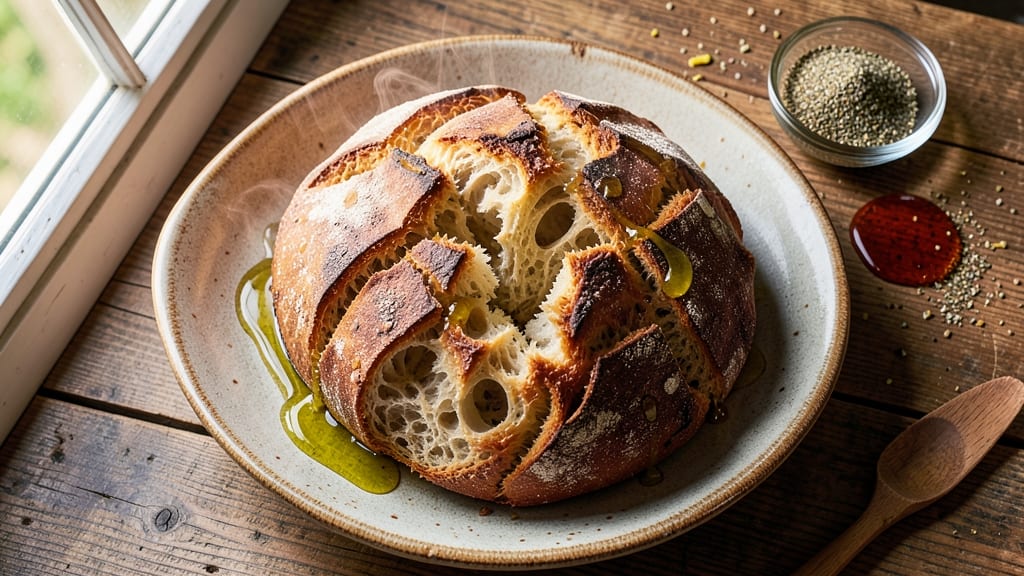
This Aga bread recipe transforms your hearth oven into a golden, fragrant centerpiece with its signature honeyed za'atar crust and warm spice swirls. The secret lies in the slow, even heat of an Aga—creating a loaf with a crisp exterior that gives way to a soft, pillowy interior.
I've perfected this technique after years of baking in traditional ovens, ensuring every slice delivers that perfect balance of texture and flavor.
The dough begins with a simple mix of flour, yeast, and warm water, but it's the za'atar and honey that elevate it to something extraordinary. As the bread bakes, the za'atar crust develops a delicate crunch, while the swirls of warm spices infuse the bread with aromatic depth.
This recipe is designed to work in any hearth oven, though an Aga's consistent heat makes it truly shine.
What you'll achieve is a loaf that's both rustic and refined—ideal for serving with soups, stews, or alongside a hearty meal. The honeyed crust adds a touch of sweetness that pairs beautifully with savory dishes, while the spice swirls ensure every bite is infused with warmth.
Whether you're baking for a family gathering or simply treating yourself, this bread is sure to impress.
The beauty of this recipe lies in its versatility. You can easily adapt it to include seeds, whole grains, or even a touch of garlic for added flavor. Once you try it, you'll never want to go back to store-bought bread again. Let's get started on creating your perfect loaf.
Ingredients for aga bread
Simple pantry staples meet Middle Eastern magic for a bread that steals the show.
| Ingredient | Amount | Notes |
|---|---|---|
| All-Purpose Flour 🌾 | 4 cups | Sifted for smooth dough |
| Active Dry Yeast 🍞 | ¼ oz | Or 2 packets (2.25g each) |
| Warm Water 💧 | 1 ¼ cups | 110°F (43°C) for activation |
| Honey 🍯 | ¼ cup | Wildflower for floral notes |
| Za'atar Spice Blend 🌿 | ¼ cup | Homemade or store-bought |
| Olive Oil 🫒 | ¼ cup | Extra-virgin for richness |
| Salt 🧂 | 1 ½ tsp | Fine sea salt preferred |
| Ground Cinnamon 🌶️ | ½ tsp | For warm spice swirls |
| Ground Cardamom 🌿 | ¼ tsp | Freshly ground preferred |
| Toasted Sesame Seeds 🌰 | 2 tbsp | For crust texture |
| Poppy Seeds 🌱 | 1 tbsp | Optional for extra crunch |
| Large Egg 🥚 | 1 whole | For egg wash |
| Milk 🥛 | 1 tbsp | For egg wash richness |
The za'atar is the star here—Penzeys or Middle Eastern markets have the best blends, but any mix with sesame, sumac, and cumin works. If you're making your own, toast the sesame seeds first for extra crunch. Honey should be wildflower or clover for that floral depth—skip the processed stuff. For the spices, Whole Foods or Trader Joe's carry pre-ground cardamom, but if you've got whole pods, a coffee grinder makes them sing. The flour? King Arthur or Gold Medal are my go-tos—they hold up to the long Aga bake without gummy centers.
No za'atar? Mix 2 tbsp sesame seeds, 1 tbsp sumac, 1 tsp cumin, and 1/2 tsp salt for a quick swap. Short on honey? Maple syrup works too—just reduce other liquids slightly. The egg wash can be skipped if you're vegan (use milk + water), but trust me on the full-fat version—it gives that golden sheen. For the spice swirls, I like to mix cinnamon and cardamom with a little extra flour to make it easier to fold in. If you're feeling fancy, add a pinch of orange zest to the dough for brightness.
This dough needs time—let it rise for 1.5-2 hours until puffy, then shape and let it rest another 30 minutes before baking. The za'atar crust develops best with 10-15 minutes of steam at the start, so boil a kettle or use a tray of hot water. Once baked, it keeps 3-4 days wrapped at room temp, but honestly, it's best fresh. Freeze slices for up to 3 months—toast straight from frozen for crispy results. I always make two loaves—one for the table, one for toast the next morning.
Why You'll Love This Recipe
- No-Knead Magic: Honestly, this bread takes zero effort—just mix, let it rise, and bake. That honey in the dough? It keeps the crust golden without fuss, and the za’atar gives it that earthy, nutty aroma before you even taste it.
- Crust That Cracks: Between us, that crispy exterior with the pillowy center is ridiculously satisfying. The za’atar’s sesame and sumac kick makes every bite taste like a little Middle Eastern adventure—no fancy ingredients, just bold flavor.
- Weeknight Workhorse: I make a batch on Sundays for the whole week. It’s perfect with hummus, soup, or even just butter—no one ever turns it down. (Yes, even on a Tuesday night when I’m too tired to think.)
- Pantry Staple Power: Flour, yeast, honey—stuff you already have. The za’atar might be the only thing you need to buy, but it lasts forever, and a little goes a long way. Budget-friendly? Absolutely. Reliable? Even more so.
Step-by-step instructions for honeyed za'atar crust bread
Let's create a fragrant, golden-crusted loaf with a honeyed za'atar swirl and warm spice notes.
Activate the Yeast for Perfect Rise
In a small bowl, combine the 1.25 cups warm water and 0.25 oz active dry yeast. Stir gently and let sit for 5-10 minutes until frothy. You'll know it's ready when you see tiny bubbles forming on the surface—this means your yeast is alive and working. If it doesn't bubble after 10 minutes, your yeast might be expired, and you'll need to start fresh.
While waiting, sift together the 4 cups all-purpose flour and 1.5 tsp salt in a large mixing bowl. This aerates the flour and helps create a lighter dough. The sifting also removes any lumps, ensuring a smooth texture throughout your bread. Keep this mixture ready for the next step.
Mix the Dough with Honey and Za'atar
Add the yeast-water mixture to the flour-salt combination. Pour in the 0.25 cup olive oil and 0.25 cup honey, then stir with a wooden spoon until a shaggy dough forms. The honey adds natural sweetness and helps create a tender crumb, while the olive oil contributes richness and moisture.
Next, sprinkle the 0.25 cup za'atar spice blend, 0.5 tsp ground cinnamon, and 0.25 tsp ground cardamom over the dough. These warm spices give the bread its signature flavor profile. Mix everything together until just combined—overmixing develops gluten and can make the bread tough. The dough should be sticky but manageable.
Knead and Shape for Ideal Texture
Turn the dough onto a lightly floured surface and knead for 8-10 minutes until smooth and elastic. You'll know it's ready when it springs back slowly when poked. If the dough feels too sticky, add flour 1 tablespoon at a time—but don't overdo it, or your bread will be dense.
Once kneaded, shape the dough into a round loaf about 8 inches in diameter. Place it in a lightly oiled bowl, cover with a damp towel, and let rise in a warm spot for 1-2 hours, or until doubled in size. The warmth helps activate the yeast and creates that airy, pillowy texture we want in aga bread.
Create the Signature Swirl and Rise Again
After the first rise, punch down the dough to release air, then roll it out on a floured surface into a 12x8-inch rectangle. Spread a thin layer of the remaining za'atar spice blend over the surface, leaving a 1-inch border uncovered. This creates that beautiful swirl pattern we all love.
Roll the dough tightly into a log, starting from the long side. Pinch the seam to seal, then place it seam-side down in a greased 9x5-inch loaf pan. Cover and let rise again for 30-45 minutes, until the dough has nearly filled the pan and feels springy to the touch. This second rise ensures a light, airy texture.
Bake to Golden Perfection with Egg Wash
Preheat your oven to 375°F. In a small bowl, whisk together the 1 whole large egg and 1 tbsp milk for the egg wash. Brush this mixture over the risen dough, then sprinkle with the 2 tbsp toasted sesame seeds and 1 tbsp poppy seeds for texture and extra flavor. Bake for 35-40 minutes, until the top is deep golden brown and the internal temperature reaches 190°F.
Let the bread cool in the pan for 10 minutes, then transfer to a wire rack. The crust should be crisp and fragrant with za'atar notes, while the interior remains soft and slightly chewy. Slice while still warm for the best texture—each bite should deliver that perfect balance of honeyed sweetness and warm spice swirls.
Pro Tips For Making Aga Bread
- STIR THE YEAST FIRST: I learned this the hard way—skipping the initial yeast activation in warm water with honey means your dough will rise slower and unevenly. Let that yeast bloom for 5-10 minutes until it’s frothy before adding flour; it’s the difference between a lazy rise and a proper, airy crumb.
- WEIGH YOUR FLOUR (NO EXCUSES): That "1 cup" measurement in your recipe is a lie. Scooping flour straight from the bag packs it too tightly, making your dough denser than it should be. Use a kitchen scale for accuracy—aga bread relies on the right balance of flour and hydration, and eyeballing it leads to dry, crumbly results.
- DON’T OVERKNEAD THE DOUGH: After about 8-10 minutes of kneading by hand (or 4-5 minutes in a stand mixer with a dough hook), the gluten will tighten up and your bread will turn tough. Stop when the dough springs back slowly when poked—it should feel smooth but still slightly tacky, not stiff or elastic.
- USE A DAMP TOWEL FOR RISING: Covering your dough bowl with a damp kitchen towel traps moisture better than plastic wrap, which can make the dough dry out or stick to the sides. The towel also lets you peek at the rise without disturbing it—aga bread’s texture depends on a slow, steady rise, not a rushed one. (Yes, even if you’re impatient like me.)
Serving suggestions for this recipe
Warm Dish Pairings
This honeyed za'atar bread shines alongside hearty stews like Moroccan chickpea tagine or Turkish lentil soup. The crust's nutty depth complements the earthy flavors, while the warm spices in the bread echo the cumin and coriander in the dishes.
I always serve it with 1-2 tablespoons of harissa on the side—let guests spread it on warm slices for a spicy kick. 🌶️
Cheese Board Essentials
Transform your cheese board with this bread's versatility. Pair it with aged Manchego (its crumbly texture contrasts beautifully) and creamy goat cheese (the honeyed crust cuts through the tang). Add dried apricots and marcona almonds for sweet-savory balance.
The za'atar's tangy notes elevate mild cheeses like burrata—simply tear the bread into chunks and serve with olive oil for dipping.
Breakfast Brilliance
Toast thick slices and top with whipped ricotta, honey drizzle, and crispy prosciutto for an Italian-inspired breakfast. The cardamom and cinnamon swirls add warmth that pairs perfectly with strong coffee or espresso martinis.
For a lighter option, spread with mascarpone and fresh figs—this combo is pure comfort food magic. ☕
Dessert Twist
Save a slice for dessert! Brush warm bread with mascarpone cream (mix ½ cup mascarpone with 1 tbsp honey), then top with toasted pistachios and dark chocolate shavings.
The za'atar's earthiness balances the sweetness beautifully. For a boozy touch, drizzle with orange liqueur before serving—this is my go-to when hosting dinner parties.
Global Fusion Ideas
Get creative with international pairings! Serve with Japanese miso soup (the umami complements the za'atar's tang) or Indian dal makhani (the bread soaks up the creamy sauce perfectly). For a Middle Eastern spread, pair with hummus, baba ganoush, and pickled vegetables.
The bread's honeyed crust also works surprisingly well with Mexican mole sauce—try it with shredded chicken for a fusion twist.
Make-Ahead Serving
This bread reheats beautifully for next-day meals. Wrap cooled slices in parchment paper and reheat at 350°F for 5-7 minutes to restore crispiness. For parties, assemble a bread basket with extra slices, olive oil drizzle, and flaky sea salt—guests will love helping themselves.
The za'atar flavor actually intensifies overnight, making leftovers even more flavorful. 💛
Nutrition facts
Frequently asked questions
Can I substitute za'atar in this recipe?
Yes! If you don't have za'atar, mix 2 tablespoons sesame seeds, 1 tablespoon sumac, 1 teaspoon cumin, and ½ teaspoon salt for a similar flavor profile. For a simpler version, just use extra sesame seeds and cumin—it'll still taste delicious.
Why does my dough feel too sticky?
Sticky dough is normal with this recipe—it's what creates that tender crumb! If it's unbearable, add flour 1 tablespoon at a time while kneading. But avoid over-flouring, or your bread will become dense. For extra help, use a dough scraper to keep everything contained while working.
How do I know when the bread is fully baked?
Your bread is done when it reaches an internal temperature of 190°F and has a deep golden-brown crust. Tap the bottom—it should sound hollow. If unsure, bake 5 more minutes to ensure doneness. The crust should be crisp, while the center remains soft.
Can I make this bread without an Aga oven?
Any oven works—just preheat to 375°F and use the same baking time (35-40 minutes). For extra crust development, place a tray of boiling water in the oven during the first 10 minutes of baking. The key is patience—let the bread cool completely before slicing for that perfect texture.
What's the best way to store leftover bread?
Wrap cooled slices in parchment paper and store at room temperature for 3-4 days. For longer storage, freeze slices for up to 3 months. To reheat, toast straight from frozen or warm at 350°F for 5-7 minutes wrapped in foil. The crust stays crispy this way!