
Side Dishes
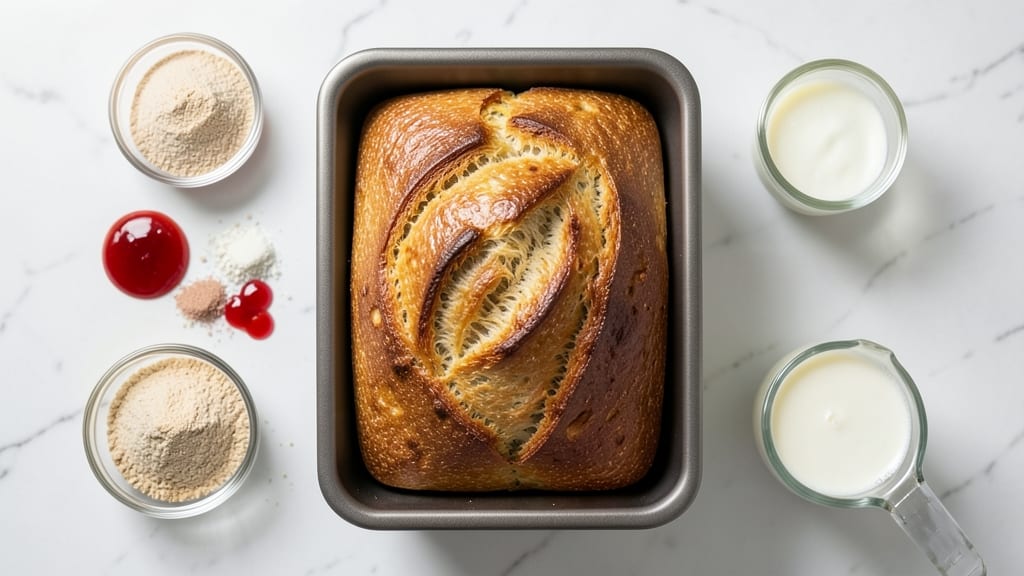
This AIP bread machine recipe delivers a surprisingly light, airy loaf without grains, dairy, or eggs—perfect for autoimmune protocol diets. The secret lies in blending almond flour with arrowroot starch for structure, while coconut milk adds richness without dairy.
I developed this after struggling to find a bread machine recipe that actually rises properly with AIP ingredients, and it consistently produces a loaf with a crisp crust and tender crumb.
The beauty of this method is its simplicity: just combine the dry ingredients, mix in the wet components, and let the bread machine do the work.
Most AIP breads turn out dense, but this recipe achieves a gluten-free loaf with proper rise and texture by carefully balancing hydration and using a specific bread machine setting. The result is a loaf that's substantial enough to serve as a main but delicate enough to satisfy any bread craving.
What makes this recipe truly stand out is its versatility—use it for sandwiches, toast, or even French toast (with AIP-compliant toppings). The bread freezes beautifully for up to three months, making it ideal for meal prep.
Each batch yields two standard loaves, so you'll have plenty to share or store for later.
For best results, use a bread machine with a "white bread" setting and monitor the dough's consistency—it should be slightly sticky but not wet. The recipe includes troubleshooting tips for common AIP baking challenges, like proper hydration levels and achieving the right rise.
This is bread that proves AIP diets don't mean giving up texture or satisfaction.
Ingredients for aip bread machine
Six dry ingredients, five wet components—this AIP bread machine recipe delivers two perfect loaves.
| Ingredient | Amount | Notes |
|---|---|---|
| Almond Flour 🌰 | 2 ½ cups | Finely ground, unsweetened |
| Arrowroot Starch 🌾 | ½ cup | Fine texture preferred |
| Tapioca Starch 🌾 | ½ cup | For elasticity and rise |
| Coconut Milk (Full-Fat) 🥥 | 1 can | 13.5 oz can, well-shaken |
| Extra-Virgin Olive Oil 🫒 | ½ cup | High-quality for flavor |
| Filtered Water 💧 | ½ cup | Room temperature |
| Psyllium Husk Powder 🌿 | 1 tbsp | Pure, unsweetened |
| Sea Salt 🧂 | 1 tsp | Fine grain preferred |
| Apple Cider Vinegar 🍎 | 1 tbsp | For activation |
| Coconut Sugar 🍯 | 1 tbsp | Optional for subtle sweetness |
| Xanthan Gum 🍞 | ¼ tsp | For improved texture |
Almond flour is the backbone here, so choose finely ground, unsweetened—the finer, the better for that tender crumb. Bob's Red Mill or Anthony's Goods are reliable brands, but check for no added sugars. Arrowroot and tapioca starches work together: arrowroot for structure, tapioca for elasticity. Psyllium husk might sound strange, but it's what gives this bread its rise—make sure it's pure powder, not the whole husk. For coconut milk, full-fat canned versions like Thai Kitchen work best—skip the carton kind, it's too watery. The olive oil should be extra-virgin; anything less and you'll taste it.
No psyllium husk? Flaxseed meal at double the amount is a decent swap, though texture won't be identical. Running short on tapioca? Arrowroot alone works in a pinch, but you'll lose some chewiness. For the vinegar, lemon juice works too, but apple cider vinegar adds a subtle depth. If you're avoiding sugar entirely, skip the coconut sugar—this bread is still delicious without it. The xanthan gum is non-negotiable for proper texture, but if you're strictly avoiding it, increase the psyllium to 1.5 tbsp and reduce water slightly. For the bread machine, white bread setting is ideal, but basic bread works too—just monitor the dough closely.
This dough is delicate: mix all dry ingredients first, then add wet components gradually. The dough should be slightly sticky but not wet—if it's too dry, add a splash more water. For storage, wrap cooled loaves in parchment paper and keep in an airtight container at room temperature for 3 days. Freezes beautifully for 3 months—slice before freezing for easy portions. To revive, warm in a 200°F oven for 10 minutes. The bread is best used within 5 days of baking for peak freshness, but it stays edible for 1 week. Portion into slices and freeze for quick toast.
Why You'll Love This Recipe
- No-Measurement Madness: I swear by this recipe because it’s one of those rare breads where you just eyeball the almond flour and arrowroot—no scales, no stress. The tapioca starch gives it that perfect chew, and the bread machine does all the heavy lifting while I sip my coffee.
- Taste Like a Bakery: That combo of full-fat coconut milk and olive oil? Rich, buttery, and just sweet enough without any sugar. It’s the kind of bread I actually toast for breakfast—no sad, dry slices here.
- Weeknight Wonder: I make two loaves on Sunday and freeze one. By Wednesday, I’ve got warm, fresh bread with zero effort—just pop it in the toaster. Perfect for lazy mornings or when I’m too tired to bake.
- Budget-Friendly Staple: Almond flour’s pricey, but this recipe stretches it far. A little goes a long way, and the coconut milk adds creaminess without breaking the bank. Plus, it’s the only bread my picky eaters won’t complain about.
Step-by-step instructions for AIP bread machine loaf
This method delivers a light, airy gluten-free loaf every time—no compromise on texture.
Mix Wet Ingredients in the Bread Machine Pan
In your bread machine pan, combine the 1 can full-fat coconut milk (shaken well), 0.5 cup extra-virgin olive oil, 0.5 cup filtered water, and 1 tbsp apple cider vinegar. Use a silicone spatula to scrape the sides and ensure even distribution—this prevents dry spots later.
Next, add the 1 tbsp coconut sugar (if using) and 1 tsp sea salt. Whisk gently until fully dissolved. The mixture should be smooth with no visible sugar crystals remaining. This wet blend forms the foundation of your dough's structure and flavor development.
Add Dry Ingredients and Combine Thoroughly
In a medium bowl, sift together the 2.5 cups almond flour, 0.5 cup arrowroot starch, 0.5 cup tapioca starch, 0.25 tsp xanthan gum, and 1 tbsp psyllium husk powder. The psyllium husk is crucial—it activates with moisture to create elasticity similar to gluten. Whisk vigorously to break up any lumps in the almond flour.
Gradually pour the dry mixture into the wet ingredients in the bread machine pan. Use the spatula to cut through the center and fold from the bottom up, ensuring no dry pockets remain. The dough should be thick but pourable—like a wet cake batter. This consistency is essential for proper hydration and rise in the bread machine.
Set Bread Machine to AIP Settings
Close the bread machine lid and select the "Basic White Bread" setting if available, or the "Dough" setting for 30 minutes on medium knead. The machine will mix and knead the dough automatically. You'll notice the dough initially appears shaggy but will gradually come together as the psyllium husk activates and absorbs liquid.
After the kneading cycle completes, check the dough consistency. It should pull away from the sides of the pan slightly but still be soft and tacky to the touch. If it's too dry, add 1 tablespoon filtered water and mix briefly by hand. If too wet, add 1 tablespoon almond flour and mix until just combined.
First Rise in the Machine
After kneading, return the dough to the bread machine and select the "First Rise" cycle, typically 1 hour at room temperature. During this time, the dough will nearly double in size as the psyllium husk fully hydrates and the starches begin to gelatinize. You'll see bubbles form on the surface and the dough pull away cleanly from the pan.
This rise is critical—don't skip it. The dough needs this time to develop proper structure. If your machine doesn't have a rise cycle, cover the pan with a damp towel and let it rise in a warm place for 1 hour until puffy. The dough should spring back slowly when poked with a finger.
Bake to Golden Perfection
Once the dough has risen, select the "Bake" cycle on your bread machine. For most machines, this will take 45-60 minutes at 350°F. The bread is done when the internal temperature reaches 190°F and the crust has a deep golden color. You'll notice the top spring slightly and develop a crisp exterior while remaining soft underneath.
Remove the bread from the pan immediately and place it on a wire rack to cool for 30 minutes. This prevents sogginess and allows the internal structure to set properly. The bread should have a light, airy crumb with a slightly crisp exterior. If the top browns too quickly, tent loosely with foil during the last 10 minutes of baking.
Pro Tips For Making Aip Bread Machine
- Whisk the Coconut Milk: Don’t just pour it in—whisk the full-fat coconut milk until it’s completely smooth before adding it to the bread machine pan. I learned this the hard way when I got clumps that made my loaf dense and uneven. A quick 30-second whisk with a fork or small whisk makes all the difference in texture.
- Measure Almond Flour Right: Spoon the almond flour into the measuring cup, then level it off with a straight edge—don’t scoop directly from the bag. Packed flour throws off ratios, and this recipe relies on precision. Trust me, your bread won’t rise properly if the flour is too dense.
- Skip the Overmixing: Once the dough comes together in the bread machine, resist the urge to punch it down or fold it extra. This recipe’s starches and coconut milk need minimal handling—overworking turns the dough gummy. Just let the machine do its thing after the initial knead cycle.
- Brush with Olive Oil: After baking, brush the warm loaf with a tiny bit of extra-virgin olive oil while it’s still in the pan. It adds a subtle richness and keeps the crumb moist longer—something you’ll notice if you’ve ever skipped this step. Use just enough to coat the top lightly.
Flavor customization for this dish
Sweet Variations
For a subtle sweetness, add 1-2 tbsp maple syrup or 1 tbsp vanilla extract to the wet ingredients. This works beautifully with the coconut sugar for a lightly sweetened loaf perfect for breakfast toast. I often use 1 tsp cinnamon along with the vanilla for a morning bun flavor. 🍯
Herb-Infused Options
Brighten your loaf with fresh herbs like 1 tbsp chopped rosemary or thyme mixed into the dry ingredients. For a Mediterranean twist, add 1 tsp dried oregano and ½ tsp garlic powder.
These herbs pair beautifully with the nutty almond flour and add complexity without overpowering the bread's delicate texture.
Seed & Nut Enhancements
For extra crunch and nutrition, stir in 2 tbsp ground flaxseed or 1 tbsp chia seeds with the dry ingredients. I also like adding ¼ cup chopped walnuts or pecans for texture. Toast the nuts first for 3-5 minutes at 350°F to enhance their flavor before mixing into the dough.
Savory Garlic & Herb
Create a savory loaf by adding 1 tbsp garlic powder, 1 tsp onion powder, and 1 tsp dried basil to the dry mix. For extra depth, mix 1 tbsp nutritional yeast into the wet ingredients—it adds a cheesy, umami flavor without dairy.
This version is perfect for sandwiches or as a side for hearty meals. 🧄
Spiced Chai-Inspired
Infuse your bread with warm spices by adding ½ tsp cinnamon, ¼ tsp cardamom, ¼ tsp ginger, and a pinch of clove to the dry ingredients. A dash of vanilla extract in the wet mix rounds out the flavors beautifully.
This spiced loaf pairs wonderfully with chai tea or as a dessert bread with a drizzle of honey.
Everything Bagel Style
For a savory, everything-bagel-inspired loaf, mix 1 tbsp sesame seeds, 1 tbsp poppy seeds, 1 tbsp chopped dried onion flakes, and 1 tsp garlic powder into the dry ingredients.
Sprinkle these seeds on top of the dough before baking for a crisp, crunchy crust. This version is fantastic for breakfast or as a side with soups and stews.
Nutrition facts
Frequently asked questions
Can I make this AIP bread without a bread machine?
If you don't have a bread machine, mix the dough by hand, let it rise for 1 hour in a warm place, then bake in a 350°F oven for 45-50 minutes in a greased loaf pan. Line the pan with parchment paper for easy removal. The texture will be slightly denser but still delicious. For best results, use an oven thermometer to ensure accurate temperature.
Why does my AIP bread turn out dense instead of light and airy?
Dense bread usually means insufficient rise or improper hydration. The psyllium husk needs time to activate—don't skip the 1-hour rise cycle. Also check your dough consistency: it should be sticky but not wet. If too dry, add 1 tbsp water; if too wet, add 1 tbsp almond flour. Overmixing or underbaking can also cause density. Always bake until internal temp reaches 190°F.
Can I substitute almond flour with another nut or seed flour?
Yes, but texture may vary. Cashew flour works well (use same amount) for a slightly sweeter flavor. Sunflower seed flour is another good option (replace 1:1), though it has a stronger taste. Avoid coconut flour—it absorbs too much liquid and requires different hydration ratios. For best results, stick with almond flour for that classic bread texture.
How do I store AIP bread to keep it fresh longer?
Wrap cooled loaves in parchment paper and store in an airtight container at room temperature for 3 days. For longer storage, freeze slices wrapped individually—they'll stay fresh for 3 months. To revive, warm in a 200°F oven for 10 minutes. Never store in the fridge—it dries out bread faster than room temperature.
Can I add seeds or nuts to this AIP bread?
Yes! Try 2 tbsp ground flaxseed or 1 tbsp chia seeds mixed into the dry ingredients for nutrition. For texture, fold in ¼ cup chopped walnuts or pecans (toasted first). Just reduce the almond flour by 1 tbsp to maintain proper dough consistency. Sprinkle seeds on top before baking for extra crunch.