
Side Dishes
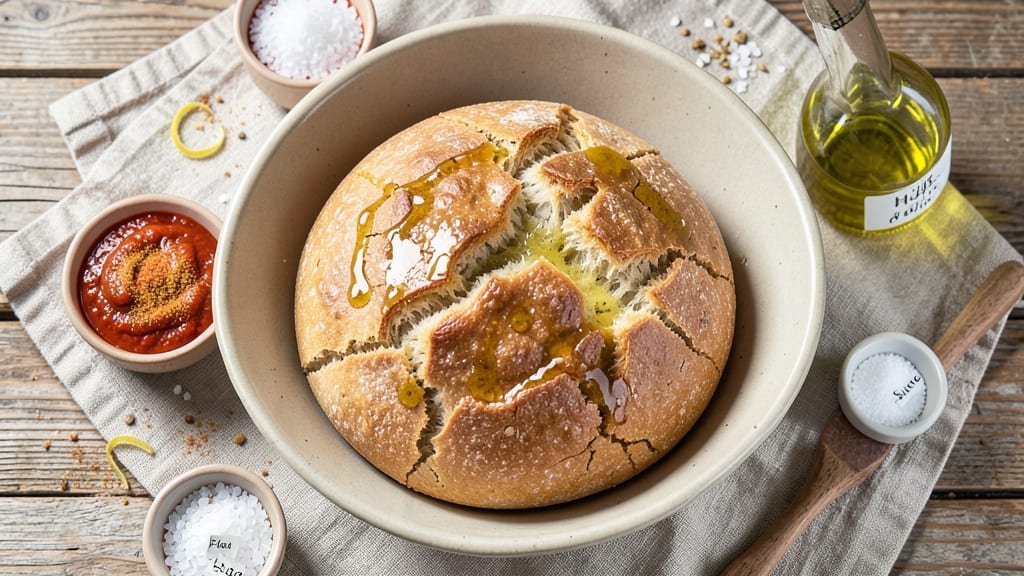
This Algerian bread recipe brings the warm, spiced flavors of North Africa to your kitchen with crispy edges and tender centers. Unlike ordinary flatbread, this version incorporates harissa—a fiery North African chili paste—that adds depth and aroma to every bite.
The dough is simple yet transformative, using basic pantry staples like flour, yeast, and olive oil to create a bread that pairs perfectly with couscous or stews.
The secret to achieving that signature crispy texture lies in the baking technique: a hot oven and a well-oiled baking sheet ensure a golden, slightly blistered crust while keeping the interior soft.
Traditional Algerian bread often includes semolina or lentil flour for extra texture, but this recipe keeps it accessible with all-purpose flour while still delivering authentic flavor. The harissa isn’t just an afterthought—it’s the star, infused into the dough for a slow, aromatic release as it bakes.
What you’ll end up with is a batch of fragrant, slightly spicy flatbreads that are crisp enough to hold up to dipping in olive oil or hummus but tender enough to tear by hand.
The harissa’s heat lingers just beneath the surface, adding complexity without overpowering. These breads are perfect for serving alongside tagines, grilled meats, or even as a standalone snack with whipped feta and olives.
For those who love texture and flavor, this recipe offers a satisfying twist on everyday bread—one that transports you to the bustling markets of Algiers with every bite. Let’s get started on making bread that’s as much about tradition as it is about taste.
Ingredients for algerian bread
Basic pantry staples meet bold North African flavors for bread with crispy edges and tender centers.
| Ingredient | Amount | Notes |
|---|---|---|
| All-Purpose Flour 🌾 | 3 cups | Sifted for light texture |
| Active Dry Yeast 🍞 | 1 package | 1 packet (2.25 tsp) |
| Granulated Sugar 🍚 | 1 tbsp | Feeds yeast activation |
| Harissa Paste 🌶️ | 2 tbsp | North African chili paste |
| Extra-Virgin Olive Oil 🫒 | ½ cup | Plus extra for brushing |
| Warm Water 💧 | 1 cup | 110°F for yeast activation |
| Salt 🧂 | 1 tsp | Fine sea salt preferred |
| Semolina Flour 🌾 | ¼ cup | For crispy texture (optional) |
| Sesame Seeds 🌱 | 1 tbsp | For garnish (optional) |
Harissa is the soul of this bread—look for authentic paste at Middle Eastern markets or well-stocked grocery stores like Whole Foods. The brand Mezzeh is a reliable choice, but any smooth, slightly oily paste with visible chili flakes works. If you can't find harissa, smoked paprika plus cayenne at a 2:1 ratio mimics the depth. The semolina adds that signature crisp—Bob's Red Mill is my go-to brand, but any fine semolina flour works. For yeast, Fresh & Easy or Great Value packets are budget-friendly and reliable.
No harissa? Smoked paprika plus cayenne (2 tbsp smoked paprika + 1 tsp cayenne) gets you close, though the smoky depth won't be identical. Swapping semolina? Toasted cornmeal works in a pinch for texture, though the flavor won't be the same. The olive oil should be fruity and peppery—California Olive Ranch or Colavita are solid choices. If your harissa is too spicy, reduce the amount by half and add 1 tsp sweet paprika to balance. For a nutty twist, replace sesame seeds with toasted cumin seeds (1 tbsp).
The dough keeps for 24 hours in the fridge, covered tightly. For longer storage, freeze shaped dough balls wrapped in plastic for up to 3 months. Brush baked bread with a mix of olive oil and water (1:1 ratio) to keep it fresh for 3 days. Store in a paper bag to maintain crispiness. These breads reheat beautifully—just pop in a 350°F oven for 5 minutes to restore crispness.
Why You'll Love This Recipe
- No-Knead Magic: I swear by this dough—just mix, let it rise, and bake. No standing at the counter, no arm workout, just set it and forget it. That harissa paste does the work for you, infusing flavor while you sip your coffee.
- Spicy-Sweet Crunch: The harissa gives it a slow-building warmth that’s addictive, balanced by the crispy olive oil edges. Honestly, the first bite makes me reach for another slice before I even put the pan down.
- Weeknight Workhorse: Serve it with soup when you’re exhausted, tear it over salads for lunch, or freeze half for lazy mornings. Between us, I’ve had it for breakfast, dinner, and midnight snacks—no judgment here.
- Pantry Staple Power: Flour, yeast, sugar—ingredients you already own. The harissa is the only splurge, but a little goes a long way. I made a double batch last week and still have slices tucked in my freezer. Budget-friendly? More like pantry-friendly.
Step-by-step instructions for Algerian bread
Here's how to create perfectly crisp-edged flatbreads with bold harissa flavor.
Activate the Yeast with Warm Water and Sugar
In a small mixing bowl, combine the 1 cup warm water (about 110°F) with the 1 tbsp granulated sugar. Stir until the sugar dissolves completely. This creates the perfect environment for yeast activation.
Add the 1 package active dry yeast and let the mixture sit for 5-10 minutes until it becomes frothy and bubbly. You'll see small bubbles forming on the surface and the mixture will expand slightly. This indicates the yeast is active and ready for use. If it doesn't bubble after 10 minutes, your yeast may be inactive—start with a fresh package.
Mix the Dough with Olive Oil and Harissa
In a large bowl, combine the 3 cups all-purpose flour and 1 tsp salt. Make a well in the center and pour in the yeast mixture along with the 2 tbsp harissa paste and ½ cup extra-virgin olive oil. The harissa will give the bread its signature spicy kick.
Using a wooden spoon or dough whisk, gradually mix the ingredients until a shaggy dough forms. Once combined, turn it out onto a lightly floured surface and knead for 8-10 minutes until smooth and elastic. The dough should be slightly tacky but not sticky. If it's too dry, add 1 tsp water at a time until it reaches the right consistency. This kneading develops gluten, which gives the bread its structure and crispy edges.
First Rise and Prepare for Shaping
Place the dough in a lightly oiled bowl, cover with a damp kitchen towel, and let it rise in a warm place for 1-2 hours or until doubled in size. You'll know it's ready when you poke it gently and it springs back slowly. The warmth helps the yeast work efficiently, creating that airy texture we want.
While the dough rises, preheat your oven to 425°F. Line a baking sheet with parchment paper and lightly dust it with semolina flour. This will prevent sticking and add to the bread's crispy texture. The semolina also gives a nice nutty flavor that complements the harissa.
Shape and Proof the Flatbreads
Once the dough has risen, punch it down to release any air bubbles. Divide it into 4 equal portions (about 1 cup each) and roll each portion into a ball. On a lightly floured surface, roll each ball into a ⅛-inch thick circle, about 6 inches in diameter. Keep the remaining dough covered while you shape the others.
Place the shaped flatbreads on the prepared baking sheet, leaving about 1 inch between each. Cover them with the damp towel and let them proof for another 20-30 minutes until they've puffed up slightly. The edges should look slightly rounded and the surface may have small bubbles. This final rise ensures a light, airy texture in the finished bread.
Bake to Golden Crispy Perfection
Brush the tops of the flatbreads lightly with a little extra olive oil. This creates a beautiful golden crust and enhances the crispy edges we're aiming for. Bake in the preheated oven for 12-15 minutes until they're golden brown and deeply crisp around the edges.
For extra crispiness, I like to transfer the hot flatbreads to a wire rack for 5 minutes to cool slightly. Then, brush the tops with a little more olive oil and sprinkle with the 1 tbsp sesame seeds. Serve warm with your favorite dips or spreads. These breads are best enjoyed fresh, with that perfect combination of crispy edges and soft, airy centers.
Pro Tips For Making Algerian Bread
- Bloom the Yeast First: Skip mixing yeast straight into dry flour—it’s a rookie move. Instead, proof it in warm water (about 110°F) with a pinch of sugar for 5-10 minutes until frothy. This guarantees it’s active before committing to the dough, or you’ll end up with dense, flat bread that tastes like regret.
- Use Olive Oil Sparingly: Algerian bread relies on harissa for flavor, not oil. Drizzle just enough olive oil (about 2 tablespoons total) to coat the dough—any more and you’ll mask the spice. Save the rest for finishing, not drowning.
- Let the Dough Rest Longer: I used to rush this step, but 2 hours at room temp (or overnight in the fridge) makes all the difference. The gluten relaxes, the harissa flavor melds, and the bread develops that chewy, layered texture. Trust me, your first batch won’t be as good if you cut it short.
- Shape Loaves Tightly: Algerian bread isn’t about pretty swirls—it’s about tension. Roll the dough into a tight log, tuck the ends under, and pinch the seams shut. This keeps the shape intact while baking and prevents the harissa from leaking out like a failed experiment. (Yes, I’ve seen it happen.)
Dietary considerations for this recipe
Gluten-Free Adaptations
For a gluten-free version, replace the 3 cups all-purpose flour with a 1:1 gluten-free flour blend like Bob's Red Mill 1-to-1 or King Arthur Measure for Measure. Add 1 tsp xanthan gum to help bind the dough, as gluten-free flours lack natural elasticity.
The harissa and olive oil remain the same, but you may need to adjust the warm water to 1 ¼ cups since gluten-free dough tends to be drier. Proofing time will also increase—allow 1.5-2 hours for the first rise and 30-45 minutes for the final proof. 🌾
Vegan-Friendly Swaps
This recipe isn’t naturally vegan due to the yeast and olive oil, but with a few tweaks, you can make it plant-based. Use nutritional yeast (2 tbsp) instead of active dry yeast for a vegan-friendly leavening agent.
Replace the ½ cup olive oil with ½ cup melted coconut oil or vegan butter for a richer texture. Keep the harissa and semolina the same, but ensure your harissa is vegan (some contain honey). The dough will be slightly denser, so knead for 10-12 minutes to develop structure.
Proofing times remain unchanged.
Nut-Free Considerations
Sesame seeds are a common allergen, so skip the garnish if needed. For a nut-free twist, replace the sesame seeds with toasted pumpkin seeds or sunflower seeds (1 tbsp). If avoiding all seeds, simply brush the baked bread with extra olive oil for moisture.
The dough itself is naturally nut-free, but always double-check your harissa paste for cross-contamination warnings. Store-bought harissa from brands like Mezzeh is typically safe, but homemade or bulk-bin versions may pose risks. 🌱
Low-Carb Options
To reduce carbs, swap the all-purpose flour for a low-carb flour blend like almond flour or coconut flour (though coconut flour requires extra liquid). For every 1 cup all-purpose flour, use 1 ¼ cups almond flour and add 1 extra egg to bind.
Reduce the olive oil to ¼ cup to balance moisture. The dough will be crumbly, so handle gently when shaping. Bake at 400°F for 10-12 minutes, as low-carb flours crisp faster. These breads will be denser but still pack harissa flavor.
Allergen-Free Tips
For a completely allergen-free version, ensure all ingredients are certified free of top allergens. Use a gluten-free, nut-free, soy-free flour blend like Cuppa Flour. Replace olive oil with refined coconut oil (if avoiding soy-based oils). Check harissa labels for dairy or egg additives—some brands include them.
For extra safety, prepare the dough in a clean workspace and use separate utensils. Always read labels on yeast packets, as some contain dairy-based additives. A little caution goes a long way in keeping these breads safe for everyone! 💪
Nutrition facts
Frequently asked questions
Why does Algerian bread need harissa?
Harissa isn't just for flavor—it's the soul of this bread! The North African chili paste infuses the dough with smoky, slightly spicy depth that develops as it bakes. Traditional Algerian bread often includes warm spices, and harissa delivers that authentic heat while balancing the richness of olive oil. Without it, you'd miss the signature aromatic complexity that makes this bread so special.
What's the secret to getting crispy edges?
The magic happens with three key steps: hot oven (425°F), semolina dusting, and olive oil brushing. Preheat your oven thoroughly, use a well-oiled baking sheet, and brush the shaped dough with extra olive oil before baking. The semolina creates a crisp barrier while the high heat ensures those perfect golden edges. Transfer to a wire rack immediately after baking to maintain crispness.
Can I make this without semolina?
While semolina adds that signature nutty crunch, you can substitute it with toasted cornmeal or even crushed cornflakes for texture. For flavor, try finely ground almond flour (if nut-free isn't required). The bread will still be delicious, though the texture will be slightly different. Just dust your baking sheet generously to prevent sticking.
How do I store these breads to keep them crispy?
Store them in a paper bag at room temperature for up to 3 days—this prevents sogginess better than plastic. For longer storage, freeze the baked breads wrapped in foil for up to 1 month. To revive crispness, reheat in a 350°F oven for 5 minutes or toast in a dry skillet over medium heat for 1-2 minutes per side. The paper bag trick works wonders for maintaining that perfect texture!
What's the best way to serve Algerian bread?
These breads shine as both a side and a snack! Serve warm with olive oil drizzled on top for dipping, or pair with whipped feta and olives for a Mediterranean spread. They're perfect for soaking up sauces from tagines or grilled meats. For a sweet option, brush with honey and sprinkle with cinnamon. The harissa flavor makes them especially good with creamy dips like hummus or labneh.