
Desserts
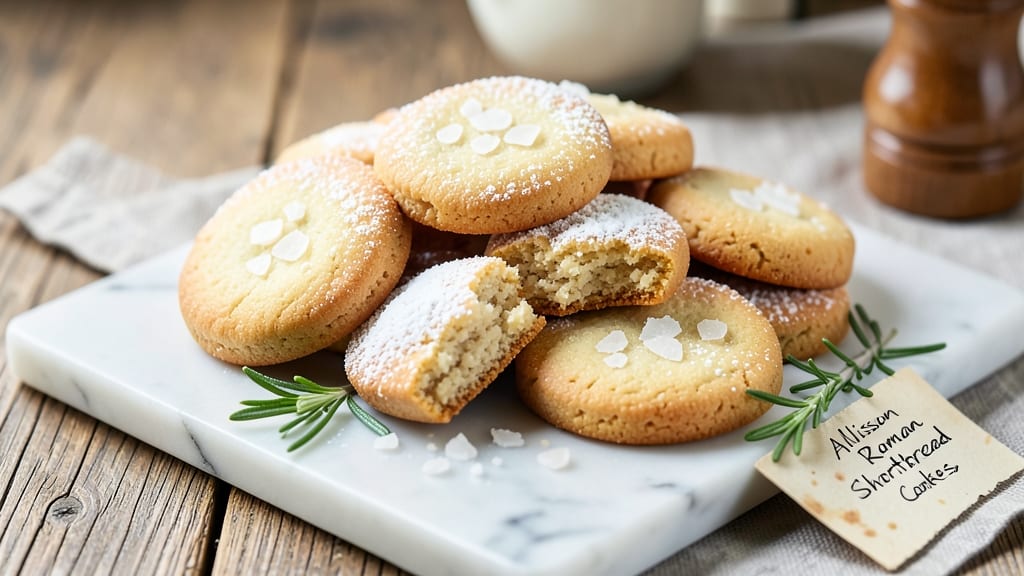
Alison Roman's shortbread cookies recipe delivers that perfect buttery crunch that melts into silky sweetness—just like the ones from her beloved cookbook. The secret lies in the ratio of butter to flour and a touch of cornstarch for that signature texture.
I've baked these countless times, and they never fail to disappear from the plate within minutes.
What makes these cookies truly special is the chilling step—skipping it means softer cookies that lack that coveted snap. The dough comes together in just 10 minutes, but letting it rest overnight in the fridge develops even deeper flavor.
Alison's method is all about simplicity, with just five ingredients that work together to create something extraordinary.
By the time they emerge from the oven, you'll have golden, crisp-edged cookies with tender centers that practically dissolve on your tongue. The aroma alone is enough to make your kitchen feel like a Parisian café.
These aren't just cookies—they're the kind of treat that makes you feel like you've achieved something special in the kitchen.
Perfect for holidays, gifts, or just because, these shortbread cookies are foolproof and always impressive. The best part? They keep well in an airtight container for up to a week, though I doubt they'll last that long. Let's get baking!
Ingredients for alison roman shortbread cookies
Five ingredients, endless perfection—just like Alison Roman's legendary shortbread cookies.
| Ingredient | Amount | Notes |
|---|---|---|
| Unsalted Butter 🧈 | 1 cup | Cold, cubed for even baking |
| All-Purpose Flour 🌾 | 1 ½ cups | Sifted for light texture |
| Granulated Sugar 🍚 | ¼ cup | Superfine preferred for smoothness |
| Cornstarch 🌽 | 2 tbsp | Key for signature snap |
| Flaky Sea Salt 🧂 | ½ tsp | For finishing touch |
The butter is non-negotiable. European-style unsalted butter like Plugrá or Miyoko's gives the best flavor, but any good brand works. Buy it cold—it should be firm enough to hold its shape when cubed. If your butter is soft, chill it for 30 minutes before starting. The flour? King Arthur or Gold Medal are my go-tos—they bake up consistently. Sift it first for that signature tender crumb. Cornstarch is the secret weapon here—it's what gives these cookies that iconic snap. Don't skip it, even if you're tempted.
No superfine sugar? Pulse regular granulated sugar in a food processor for 30 seconds—it'll work in a pinch. Short on cornstarch? Arrowroot powder at the same amount is a decent swap, though texture might be slightly different. The sea salt matters too—Maldon or Jacobsen flaky salt is ideal, but any fine sea salt will do. Want to get fancy? Add a pinch of vanilla extract or lemon zest to the dough. It's not traditional, but it's delicious. And if you're making these ahead, let the dough chill overnight—trust me, it's worth the wait.
These cookies keep for up to 1 week in an airtight container, though they'll likely vanish faster. For extra freshness, store them in layers with parchment paper between each. Freeze for up to 3 months if you're planning ahead—just thaw at room temperature before serving. The aroma alone will have your kitchen smelling like a Parisian café. And if anyone asks, these are absolutely worth the five-ingredient simplicity.
Why You'll Love This Recipe
- Four-Ingredient Magic: I swear, it’s just butter, sugar, flour, and a pinch of salt—but that cornstarch? Chef’s kiss. The dough comes together in minutes, no mixer needed, and the texture is buttery perfection every time.
- Butter So Good: The cold butter cut into the flour creates those signature crumbly layers, and the flaky sea salt? It’s the star—like a tiny edible hug in every bite. Honestly, I’ve never met shortbread that doesn’t feel like a hug.
- Holiday or Snack: Pack these in tins for Christmas gifts (they ship beautifully), or keep a batch in the freezer for when you need a quick pick-me-up. My kids grab them straight from the jar—no fancy plates required.
- Zero Waste, Maximum Joy: A single batch makes 24 cookies, and they stay fresh for days (if they last that long). I’ve sent these to work with coworkers, and they’re always gone by lunch. Budget-friendly? Absolutely. Life-saver? Even more so.
Step-by-step instructions for Alison Roman's signature shortbread cookies
Here's how to make these legendary cookies with their signature buttery crunch and melt-in-your-mouth texture.
Cut the Cold Butter into Flour Mixture
Preheat your oven to 350°F and line two baking sheets with parchment paper. In a food processor, combine the 1.5 cups all-purpose flour and 2 tablespoons cornstarch. Pulse just until blended—you want to avoid developing any gluten, which would make the cookies tough.
Add the 1 cup cold, cubed unsalted butter to the flour mixture. Pulse in short bursts until the butter is cut into pea-sized pieces with some flour clinging to it. You're looking for a texture that resembles coarse crumbs with visible butter pieces—this creates those signature flaky layers. Don't over-process or the butter will melt and you'll lose that crucial texture.
Add Sugar and Process Until Combined
Add the 0.25 cup granulated sugar to the food processor. Pulse again in short bursts until the sugar is evenly distributed throughout the dough. You want the mixture to come together just enough to hold when pressed, but it should still look dry and crumbly. If it starts to stick together too much, chill the dough for 10 minutes in the refrigerator to firm it up.
This is where the magic happens—the sugar helps create that signature snap while keeping the cookies tender. The dough should resemble wet sand that holds together when pressed. If you press a small amount between your fingers, it should crumble but still hold its shape.
Shape and Chill the Dough
Turn the dough out onto a clean surface and gently press it together into a cohesive mass. Divide it into two equal portions and flatten each into a ½-inch thick disk. Wrap each disk tightly in plastic wrap and refrigerate for at least 1 hour (up to 24 hours). This chilling step is crucial—it firms up the butter and prevents the cookies from spreading too much in the oven.
I know it's tempting to skip this step, but trust me—chilled dough makes all the difference. The butter needs time to firm up properly, which ensures those beautiful flaky layers and prevents the cookies from becoming greasy. While the dough chills, you can prep your baking sheets and organize your workspace for the next steps.
Roll, Cut, and Bake to Golden Perfection
Remove one disk of dough from the refrigerator and let it sit at room temperature for 5 minutes to soften slightly. On a lightly floured surface, roll the dough out to an even ¼-inch thickness. Use a 2-inch round cutter to cut out cookies, pressing straight down without twisting. Re-roll the scraps and cut more cookies until you've used all the dough.
Arrange the cookies on the prepared baking sheets, leaving about 1 inch of space between each one. Bake in the preheated oven for 12-15 minutes until the edges are light golden brown and the centers look slightly underbaked. They'll continue cooking on the hot pan after you remove them from the oven, so don't overbake.
Cool and Finish with Flaky Sea Salt
Remove the cookies from the oven and let them cool on the baking sheets for 5 minutes before transferring to a wire rack to cool completely. While they're still warm, sprinkle each cookie with a pinch of flaky sea salt. The salt should melt slightly into the warm butter, creating those beautiful salt crystals on the surface.
These cookies are best enjoyed within a few days of baking while they're still at their peak texture. Store them in an airtight container at room temperature. The contrast of the buttery crunch with the salty finish is what makes these cookies truly special—each bite delivers that perfect balance of textures and flavors that Alison Roman's recipe promises.
Pro Tips For Making Alison Roman Shortbread Cookies
- Chill the Dough Longer: The recipe says 2 hours, but I learned this the hard way—rush it and your cookies spread like sad pancakes. Give it a full night in the fridge if you can; the flavor deepens and the texture stays crisp. (Yes, even if you're impatient like me.)
- Use Cold Butter, No Exceptions: Cut that butter into cubes and refrigerate it until it’s stiff but not rock-hard—about 30 minutes. If it’s soft, your cookies will turn out greasy and dense. This isn’t the prettiest method, but it’s the thing that matters most for that perfect crumb.
- Skip the Overmixing: Once you add the flour, stop stirring the second everything comes together. Overmixing develops gluten, and you’ll end up with chewy cookies instead of the delicate, melt-in-your-mouth texture this recipe promises. Two turns of a spatula is all you need.
- Salt the Edges Last: Sprinkle the flaky sea salt over the tops of your cookies right after they come out of the oven. If you do it earlier, it’ll get buried in the dough as you press it into the pan. The contrast of that salty crunch against the buttery sweetness is why people lose their minds over these cookies.
Make-ahead tips for alison roman shortbread cookies
Dough Prep Ahead
Make your life easier by preparing the dough a full 24 hours in advance. After shaping the disks, wrap them tightly in plastic and refrigerate. The longer it chills, the more developed the flavors become—think deeper buttery notes and enhanced snap.
I often make mine the night before holidays when I need a stress-free baking day. 💫
Baking in Batches
Shortbread dough can get warm while you're rolling and cutting, which causes spreading. Work in two batches—keep one disk chilled while you roll and bake the first.
This ensures consistent thickness and even baking. I like to bake the first tray, then chill the second disk for 10 minutes before rolling to maintain proper texture.
Freezing for Later
For maximum convenience, freeze shaped dough disks for up to 3 months. When ready to bake, thaw in the fridge overnight. This method preserves the butter's integrity perfectly.
I've found that frozen dough develops even more flavor during thawing, giving you cookies with an extra depth of buttery richness when baked.
Storage Secrets
Store baked cookies in an airtight container with parchment paper between layers to maintain crispness. At room temperature, they'll stay fresh for 5-7 days, though they're usually gone faster.
For longer storage, freeze cookies for up to 3 months—just thaw at room temperature before serving. The aroma alone will make your kitchen smell like a Parisian café. ❄️
Make-Ahead Gifting
Assemble gift boxes with cookies still warm from the oven. Place them in cellophane bags tied with ribbon, or package in decorative tins. The warm butter aroma makes these perfect for holiday gifts.
I've had friends tell me these cookies taste "like a fancy patisserie" when they receive them—always a win for homemade treats. 🎁
Reviving Stale Cookies
If your cookies lose their crispness, revive them by placing on a baking sheet and warming in a 300°F oven for 3-5 minutes. The heat will restore that perfect crunch.
I've used this trick to bring cookies back to life for special occasions when I needed them to look and taste fresh. Just don't overheat or they'll lose their texture completely.
Nutrition facts
Frequently asked questions
Why does Alison Roman's recipe use cornstarch instead of powdered sugar?
The cornstarch creates that signature crisp snap while keeping the cookies tender—powdered sugar would make them too soft and cakey. It's what gives these shortbreads their signature texture that melts in your mouth but holds its shape.
Can I make these cookies without a food processor?
Yes! Use a pastry cutter or two forks to cut 1 cup cold butter into 1.5 cups flour until pea-sized pieces remain. Just work quickly to avoid melting the butter. The texture will be slightly less uniform but still delicious.
What's the best way to test if the dough is chilled enough?
Press a small piece between your fingers—it should hold its shape without sticking. If it crumbles too easily, chill 10 more minutes. The dough should be firm enough to roll cleanly but not rock-hard.
Why did my cookies spread too much in the oven?
Overworked butter or warm dough causes spreading. Always use cold butter and chill the dough properly. For best results, roll to ¼-inch thickness and bake on 350°F for exactly 12-15 minutes. Never skip the chilling step!
Can I add flavor variations like lemon or vanilla?
Add 1 teaspoon vanilla extract or 1 tablespoon lemon zest when processing the dough. For citrus lovers, try ½ teaspoon lemon extract—it keeps the cookies bright and aromatic while maintaining that perfect buttery crunch.