
Desserts
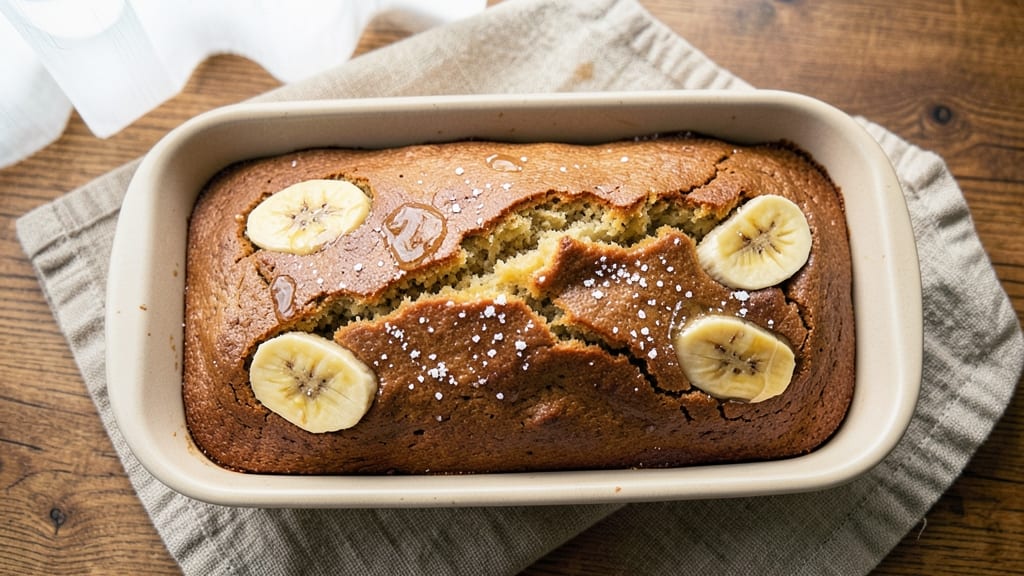
This alkaline banana bread delivers a moist, dense crumb without relying on baking soda—just ripe bananas, flour, and a clever acid-base reaction. The result? A loaf with a tender interior and subtle sweetness that stays fresh for days.
Unlike traditional banana bread, this method uses alkaline ingredients to create a naturally leavened texture, perfect for those watching their sugar intake or exploring plant-based baking.
The secret lies in balancing acidic ingredients like vinegar or lemon juice with alkaline elements in the flour, creating a gentle chemical lift that mimics baking soda.
This approach not only eliminates the need for chemical leaveners but also yields a lower glycemic impact, making it a healthier twist on a classic. The dense crumb stays moist longer, resisting that dry, crumbly texture that often plagues banana bread after a day or two.
What you’ll end up with is a rich, aromatic loaf with warm banana notes and a slightly chewy texture—ideal for breakfast, snacks, or dessert. The absence of baking soda doesn’t compromise flavor; instead, it enhances the natural sweetness of the bananas while keeping the bread tender.
Perfect for meal prep or gifting, this recipe proves alkaline baking can be just as satisfying as the traditional version.
Whether you’re new to alkaline baking or a seasoned pro, this method is foolproof and adaptable. Swap in nuts, chocolate chips, or spices to customize it, but the foundation—moist, dense, and naturally leavened—remains the star. Let’s bake!
Ingredients for alkaline banana bread
Ripe bananas, alkaline flour, and a touch of acid create this uniquely moist banana bread.
| Ingredient | Amount | Notes |
|---|---|---|
| Ripe Bananas 🍌 | 3 medium | Mashed until smooth |
| All-Purpose Flour 🌾 | 2 cups | Unbleached, alkaline flour preferred |
| White Vinegar 💧 | 1 tbsp | For acid-base reaction |
| Granulated Sugar 🍚 | ½ cup | Or coconut sugar for lower glycemic |
| Coconut Oil 🥥 | ½ cup | Melted, full-fat preferred |
| Applesauce 🍎 | ½ cup | Unsweetened, replaces eggs |
| Baking Powder 🧂 | 1 tsp | Aluminum-free recommended |
| Salt 🧂 | ½ tsp | Fine sea salt preferred |
| Ground Cinnamon 🌿 | 1 tsp | Freshly ground for warmth |
| Vanilla Extract 🌸 | 1 tsp | Pure alcohol-free preferred |
| Lemon Juice 🍋 | 1 tbsp | Freshly squeezed for brightness |
| Walnuts 🥜 | ½ cup | Chopped, optional topping |
The alkaline flour is key here—look for brands labeled 'alkaline' or 'self-rising' at health food stores like Whole Foods or Sprouts. If you can't find it, King Arthur alkaline flour is a reliable online option. The bananas should be very ripe, with brown spots—this maximizes sweetness and moisture. For the vinegar and lemon juice, white vinegar works best, but apple cider vinegar adds subtle flavor. Store your flour in an airtight container to maintain its alkaline properties longer.
No applesauce? Greek yogurt or mashed avocado work as egg substitutes, though texture will vary slightly. Short on walnuts? Pecans or chopped dates add great texture too. The sugar can be swapped for maple syrup or date syrup, but reduce other liquids by 1 tbsp to maintain balance. For extra moisture, add 1 tbsp of unsweetened almond milk—the bread stays tender for days. If your flour isn't alkaline, add 1/4 tsp of baking soda to compensate, but this slightly alters the chemical reaction.
This bread stays moist for 5-6 days when wrapped tightly in foil or stored in an airtight container. For longer storage, freeze portions for up to 3 months. The alkaline method actually improves with reheating—wrap a slice in foil and warm for 20 seconds in the microwave. To keep bananas fresh longer, store them at room temperature away from other fruits. The walnut topping can be toasted for 5 minutes at 350°F before adding for extra crunch—worth the extra minute if you're making a batch ahead.
Why You'll Love This Recipe
- No-Bake Chaos Control: I swear by this when my kitchen looks like a tornado hit—just mash bananas, mix in dry ingredients, and pop it in the oven. The white vinegar keeps it tender without fuss, and the coconut oil makes it unexpectedly moist.
- Sweet & Tangy Magic: That vinegar-sugar combo? It’s the secret weapon—cuts through the banana’s sweetness while adding a subtle depth. Honestly, it tastes like a bakery version of your favorite banana pudding, but better.
- Weeknight Workhorse: Between us, this is my go-to for breakfast, snacks, or even dessert. Slice it for lunchboxes, toast it for a quick bite, or freeze slices for smoothie boosters. It’s the one loaf that does it all.
- Budget-Friendly Staple: Uses ingredients you already own (looking at you, overripe bananas) and stretches for days. I’ve had this last a week in my fridge—no sad, dried-out ends here, just consistently good slices every time.
Step-by-step instructions for alkaline banana bread
Here's how to bake a naturally leavened banana bread with a perfectly moist crumb.
Prepare the Alkaline Leavening System
In a medium bowl, combine the 1 tablespoon white vinegar and 3 medium ripe bananas (mashed until completely smooth). Let this mixture sit for 5 minutes—you'll notice it begins to bubble slightly. This reaction creates a natural leavening effect without baking soda, thanks to the acid-base chemistry between the vinegar and banana's natural alkalinity.
While waiting, melt the ½ cup coconut oil in a microwave-safe bowl for 30-45 seconds or until fully liquid. The oil should be warm but not hot—just enough to blend smoothly with the banana mixture. This step ensures even distribution of fat throughout the batter, contributing to that signature moist texture.
Mix Wet Ingredients with Dry Components
To the banana-vinegar mixture, add the ½ cup granulated sugar, ½ cup applesauce, 1 tablespoon lemon juice, 1 teaspoon vanilla extract, and the melted coconut oil. Stir vigorously for 2 minutes until completely combined. The applesauce replaces eggs while adding natural sweetness and moisture retention.
In a separate bowl, whisk together the 2 cups all-purpose flour, 1 teaspoon baking powder, ½ teaspoon salt, and 1 teaspoon ground cinnamon. Sift the dry ingredients directly into the wet mixture, then gently fold with a spatula until just combined. Avoid overmixing—you should still see slight flour streaks. Overworking develops gluten, which creates a tougher crumb.
Fold in Walnuts and Prepare the Pan
Using the same spatula, gently fold in the ½ cup chopped walnuts until evenly distributed throughout the batter. The walnuts add texture contrast and nutty depth to each bite. Don't skip this step—it's what elevates this from basic banana bread to something special.
Preheat your oven to 350°F and lightly grease an 8x4-inch loaf pan or line it with parchment paper for easy removal. The pan should be room temperature to ensure even baking. Tap the pan gently on the counter to remove any air bubbles from the batter before pouring it in. Fill the pan to about ⅔ full—this prevents overflow during baking.
Bake Until Golden and Springy
Bake the banana bread for 50-60 minutes until a toothpick inserted in the center comes out clean or with just a few moist crumbs clinging to it. The top should be golden brown with a slightly cracked surface—this indicates proper moisture evaporation during baking.
I recommend checking for doneness at the 45-minute mark—every oven varies. If the top browns too quickly, tent the pan with aluminum foil to prevent over-browning while allowing the center to finish cooking. The internal temperature should reach 205-210°F for perfect texture.
Cool and Serve for Maximum Moisture
Remove the banana bread from the oven and let it cool in the pan for 10 minutes. Then transfer it to a wire rack to cool completely. This gradual cooling prevents the loaf from becoming gummy in the center while allowing the flavors to meld.
Slice when completely cool—this ensures clean cuts and prevents the bread from falling apart. The final result should be a dense, moist crumb with subtle sweetness from the applesauce and bright notes from the lemon juice. Store leftovers wrapped in plastic at room temperature for up to 3 days or freeze for longer storage.
Pro Tips For Making Alkaline Banana Bread
- Mash Bananas Thoroughly: Skip the lazy half-mashing—squish those bananas until they’re smooth, not chunky. I used to leave bits in, and the texture ended up uneven. A fork works, but a potato masher gets every last speck of banana into the batter for a tender crumb.
- Measure Vinegar Precisely: That white vinegar isn’t just flavor—it’s the alkaline magic. Use 1 tablespoon (not a splash) to balance the batter’s pH. Too little, and your bread might turn out dense; too much, and it’ll taste sharp. Trust the recipe here.
- Bake Until Slightly Under: Pull the bread out when the top springs back just a little (not fully). Ovens vary, but 50–55°F internal temp is your target. Let it rest 5 minutes—it’ll keep rising. I’ve ruined loaves by overbaking; the crust gets tough, and the inside stays gummy.
- Swap Coconut Oil for Butter: Coconut oil adds richness, but if you’re in a hurry, softened butter works just as well—same creamy texture, less cleanup. Just don’t melt it; mix it cold for flakier layers. (Yes, even if your recipe says otherwise.)
Storing and reheating this alkaline banana bread
Room Temperature Storage
Wrap your baked alkaline banana bread tightly in plastic wrap or aluminum foil to lock in moisture. Store it at room temperature in a cool, dark place (like a pantry) for up to 3 days.
The alkaline method actually preserves freshness longer than traditional banana bread—no soggy or dry texture here! I like to slice it into ½-inch thick portions for easy grab-and-go servings. 🌟
Refrigerator Revival
If you notice the edges drying out after 3 days, pop a slice in the microwave for 15-20 seconds with a damp paper towel covering it. The steam revives moisture without making it gummy.
For longer fridge storage (up to 5 days), slice the loaf first and wrap each piece individually. The alkaline flour helps maintain that chewy, dense crumb even after refrigeration.
Freezer-Friendly Tips
Slice the banana bread before freezing for perfect single-serving portions. Wrap each slice tightly in plastic wrap, then place them in a freezer bag with all air removed. This prevents freezer burn and keeps the texture intact for up to 3 months.
When ready to eat, thaw at room temperature for 30 minutes or warm in the microwave for 20 seconds—the alkaline method makes reheating a breeze. ✨
Toasted Topping Trick
For extra crunch, toast the walnut topping separately before adding it to the cooled loaf. Spread a thin layer of melted coconut oil on the top of the bread, then sprinkle with chopped walnuts.
Bake for an additional 5 minutes at 350°F until golden. This step transforms a simple loaf into something restaurant-worthy—worth the extra effort if you're making a batch ahead. 🥜
Banana Prep Matters
Use overripe bananas (with brown spots) for maximum moisture and sweetness. Store them in the fridge for 24 hours before using to enhance ripeness. After mashing, cover the banana mixture with plastic wrap touching the surface to prevent oxidation—this preserves flavor and color.
The alkaline reaction works best with freshly mashed bananas, so don't prep too far in advance. 🍌
Reheating for Optimal Texture
For best results, reheat banana bread slices in a toaster oven at 300°F for 3-4 minutes—this method crisps the edges while keeping the center moist. Avoid microwaving for too long, as it can turn the bread rubbery.
If using the microwave, cover with a damp paper towel and heat in 10-second intervals until warmed through. The alkaline flour's natural properties make reheating easier than traditional banana bread. 🔥
Nutrition facts
Frequently asked questions
Why does this recipe use vinegar instead of baking soda?
This alkaline banana bread relies on a natural chemical reaction between the vinegar's acidity and the banana's natural alkalinity. When mixed, they create a gentle lift similar to baking soda, but without the metallic aftertaste. This method also produces a denser, more moist crumb that stays fresh longer. The vinegar also helps balance the sweetness naturally, reducing the need for added sugar.
Can I substitute applesauce with another egg replacement?
Yes! Try Greek yogurt or mashed avocado in equal amounts, though textures may vary slightly. For a neutral flavor, use flaxseed meal mixed with water (1 tbsp flax + 3 tbsp water = 1 egg). The applesauce here also adds natural sweetness and moisture retention that other substitutes might not match perfectly. Always adjust other liquids if using thicker replacements.
How do I know when my banana bread is fully baked?
Your bread is done when a toothpick inserted in the center comes out clean or with just a few moist crumbs. The top should be golden brown with slight cracking. For accuracy, use an oven thermometer to confirm 350°F—many home ovens run hot or cold. If the edges brown too quickly, tent with foil after 45 minutes to prevent over-browning while the center finishes baking.
What makes this bread different from regular banana bread?
This alkaline version eliminates baking soda by using a vinegar-banana reaction, creating a denser, more moist crumb that stays fresh longer. It also has a lower glycemic impact since we reduce sugar and use natural sweeteners. The alkaline flour contributes to better moisture retention, while the walnut topping adds protein and healthy fats. Traditional banana bread often dries out faster and requires more sugar for leavening.
Can I make this recipe gluten-free?
Yes! Replace the all-purpose flour with a 1:1 gluten-free baking flour blend (like Bob's Red Mill) and add ½ tsp xanthan gum if your blend doesn't contain it. You may need to reduce other liquids by 1-2 tbsp since gluten-free flours absorb differently. For best results, use a gluten-free alkaline flour if available. The texture will be slightly denser but still moist and delicious.