
Side Dishes
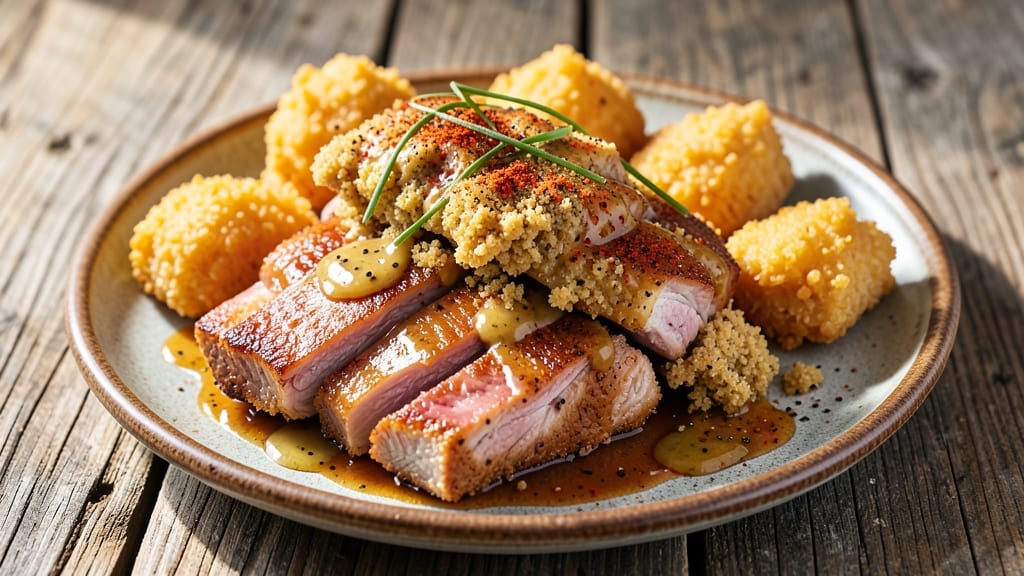
This alligator bread recipe brings bold Louisiana flavor to your table with crispy, spiced bites that pack a Cajun kick. 🔥 The secret lies in a perfect blend of cornmeal and flour breading that creates an irresistible crunch, while the right mix of cayenne, paprika, and garlic powder delivers that signature Southern heat.
I've perfected this dish after years of testing—it's the kind of recipe that transforms a simple side into the star of the meal.
The magic happens in the frying, where the breading gets golden and crispy while staying light inside. A quick dip in hot oil ensures that signature crunch, and the right seasoning balance means it's spicy enough to excite but never overpowering.
This dish is traditionally served with remoulade or hot sauce, but it's so good on its own that you might not need anything else.
What makes this recipe special is its versatility—it works as an appetizer, side dish, or even a snack. The combination of cornmeal and flour creates a texture that's both crispy and sturdy, perfect for holding up to dipping or serving alongside grilled meats.
Plus, it's naturally pescatarian-friendly, making it a great option for seafood lovers.
Once you try this alligator bread, you'll understand why it's a staple in Louisiana cuisine. The blend of spices and the satisfying crunch make it impossible to resist. Whether you're hosting a gathering or just craving a taste of the South, this recipe delivers every time. Let's get started!
Ingredients for alligator bread
Bold Cajun flavors start with these crispy, spiced ingredients for your alligator bread.
| Ingredient | Amount | Notes |
|---|---|---|
| Alligator Tail Meat 🦎 | 1 ½ lb | Fresh or frozen, cut into 1-inch pieces |
| Cornmeal 🌽 | 1 cup | Fine grind for best texture |
| All-Purpose Flour 🌾 | 1 cup | White or whole wheat |
| Cayenne Pepper 🌶️ | 1 ½ tbsp | Adjust for heat preference |
| Paprika 🌶️ | 1 tbsp | Smoked variety for depth |
| Garlic Powder 🧄 | 1 tbsp | Freshly ground preferred |
| Onion Powder 🧅 | 1 tbsp | For savory balance |
| Salt 🧂 | 1 tsp | Kosher or sea salt |
| Black Pepper 🌶️ | ½ tsp | Freshly cracked |
| Vegetable Oil 🫒 | 3 cups | For frying, peanut oil preferred |
| Lemon Wedges 🍋 | 2 whole | For serving, optional |
| Hot Sauce 🌶️ | ½ cup | For dipping, like Crystal or Tabasco |
| Remoulade Sauce 🍅 | ½ cup | Store-bought or homemade |
The alligator meat is key—fresh or frozen works, but avoid pre-cooked pieces. Local seafood markets or specialty butchers often carry it, or check the frozen section at Walmart or Kroger. If you can't find alligator, shrimp or crabmeat works in a pinch (adjust seasoning slightly). For the cornmeal, Bob's Red Mill is my go-to—it's fine enough to create that perfect crunch without being too gritty. The spices? Penzeys Spices has great pre-mixed Cajun blends, but I like to adjust cayenne to taste.
No cayenne? Red pepper flakes at double the amount works, but you'll lose some of that signature kick. The smoked paprika adds depth—substitute regular paprika if that's all you've got. For the oil, peanut oil is ideal (high smoke point), but vegetable oil is fine. If you're making this ahead, bake the breading mix and store it dry—it'll keep for 2 weeks. The alligator pieces can be parboiled and frozen for 3 months if you want to prep ahead.
This breading stays crispy for about 20 minutes after frying, so serve it immediately. Store leftovers in an airtight container for 3-4 days—it reheats beautifully in the oven at 350°F for 5 minutes. The hot sauce and remoulade keep for 6 months in the fridge, so stock up. I always make extra—it's perfect for dipping fried oysters or shrimp too.
Why You'll Love This Recipe
- One-Pan Magic: The alligator meat browns right on the same sheet as the bread—no flipping pans, no extra bowls. Just toss the meat in the oven, sprinkle the cornmeal-flour crust on top, and let the cayenne and paprika work their heat while you stir a pot of rice. Honestly, I’ve made this on nights when I forgot to thaw dinner.
- Smoky-Spicy Crunch: That cayenne-kissed crust? It’s the star. The cornmeal gives it a gritty, almost cornbread-like texture, but the alligator’s natural richness keeps it from tasting dry. Between us, the first bite is always the best—like a Cajun-style fried chicken, but with a swampy twist that feels special.
- Tailgate Ready: This isn’t just a weeknight hack—it’s my go-to for game days, potlucks, or when my dad-in-law shows up unannounced. The bread soaks up gravy like a dream, and the meat stays tender even when sliced thin. (Yes, even on a Tuesday night, I’ve been known to make extra.)
- Leftovers That Don’t Suck: The crust stays crispy for days if you reheat it right—just pop slices in the oven until golden. And because the meat’s lean, it reheats better than most fried dishes. I’ll be real: the second day is when I actually get compliments, not the first. Budget-friendly? Absolutely. Waste-free? Even better.
Step-by-step instructions for Southern-style alligator bread
Here's how to create crispy, spiced alligator bites with that perfect Cajun crunch.
👨🍳 Step 1: Prepare the Alligator Meat
Start by cutting the 1.5 lb alligator tail meat into 1-inch pieces if it isn't already pre-cut. Pat each piece completely dry with paper towels—this is crucial for getting that golden, crispy crust. Wet meat will steam instead of fry properly.
In a large bowl, combine the 1 cup cornmeal, 1 cup all-purpose flour, 1.5 tbsp cayenne pepper, 1 tbsp paprika, 1 tbsp garlic powder, 1 tbsp onion powder, 1 tsp salt, and 0.5 tsp black pepper. Mix thoroughly with your hands or a fork until the spices are evenly distributed. This spice blend is what gives this dish its signature kick.
🍳 Step 2: Coat the Alligator Bites
Add the alligator pieces to the spice mixture and toss gently to ensure each piece is fully coated. You want a thick, even layer of seasoning—this isn't just for flavor, but also helps create that satisfying crunch when fried. If the mixture feels too dry, add 1-2 tablespoons of water to help the spices adhere.
Let the coated alligator rest for 10 minutes at room temperature. This allows the spices to cling better and prevents the meat from releasing too much moisture into the hot oil. Don't skip this step—it makes all the difference in texture.
🔥 Step 3: Fry to Crispy Perfection
Heat 3 cups vegetable oil in a deep fryer or heavy pot to 350°F. Use a thermometer to monitor the temperature—this is critical for even cooking. If the oil gets too hot, the outside will burn before the inside cooks through.
Fry the alligator pieces in batches (don't overcrowd the pan) for 3-4 minutes until they're deep golden brown and floating. They should feel firm to the touch and have a satisfying crunch. If they're not golden enough, fry for another 30 seconds. Drain on a wire rack or paper towels to keep them crispy.
🍽️ Step 4: Serve with Classic Dipping Sauces
While the alligator is still hot, arrange it on a serving platter. The 2 whole lemon wedges are perfect for cutting into quarters and serving on the side—they cut through the richness and add a bright contrast.
Set out the 0.5 cup hot sauce and 0.5 cup remoulade sauce in small bowls for dipping. The remoulade's tangy, creamy texture balances the heat, while the hot sauce adds an extra kick. Serve immediately while the alligator bites are at their crispest—this dish doesn't wait!
Pro Tips For Making Alligator Bread
- CRACK THE ALLIGATOR FIRST: Skip the frozen block—thaw the tail overnight in the fridge, then slice it into ½-inch strips against the grain. I used to fight with the meat until I learned this: wider slices crisp up better, but thinner ones cook faster and stay tender inside. (Yes, it’s worth the wait.)
- DREDGE DRY BEFORE FRIED: Pat the alligator strips bone dry with paper towels after slicing, then toss them in cornmeal twice—first a light coat, then a heavier one after resting 10 minutes. The first layer locks in moisture; the second guarantees that crust. I skipped this once and ended up with soggy bread. Not worth it.
- WATCH THE CAYENNE: Start with half the cayenne the recipe calls for, then add more after frying while the bread is still hot. The heat mellows when the oil cools, and you can always adjust—no take-backs if you overdo it. I’ve ruined batches by mixing it in too early. (Pro move: keep a small bowl of extra cayenne nearby.)
- FRY IN BATCHES, LOW AND SLOW: Don’t crowd the pan—work in small batches with about 2 inches of oil at 350°F. If the oil smokes or the bread browns too fast, drop the heat to 325°F. I learned this after deep-frying a whole batch at once and ending up with burnt edges and greasy centers. Patience pays off here.
Storing and reheating your alligator bread
Refrigerator Storage
Store leftover alligator bread in an airtight container for up to 3-4 days. The crispy coating stays freshest when kept at 40°F or below, but expect the texture to soften slightly over time.
I like to separate layers with parchment paper to prevent sticking—this is especially helpful if you're stacking pieces. 🥫
Freezer-Friendly Prep
For longer storage, freeze uncooked alligator pieces coated in breading (without frying) for 3 months. Place them in a single layer on a tray first to prevent clumping, then transfer to a freezer bag.
When ready to cook, fry straight from frozen—just add 30 seconds to the frying time. Thawing isn't necessary!
Oven Reheating
To revive crispiness, reheat in a 375°F oven for 5-7 minutes on a wire rack (not a plate). The heat circulates better this way, restoring that satisfying crunch.
For extra crisp, broil for 1-2 minutes at the end—watch closely to avoid burning. A quick spray of oil before reheating helps too. 🔥
Air Fryer Option
If you're short on time, the air fryer works surprisingly well. Set to 350°F and cook for 3-4 minutes, shaking the basket halfway. This method uses less oil while still delivering that signature crunch. Just avoid overcrowding—the pieces need space to crisp properly. 🍳
Sauce Storage Tips
Both remoulade and hot sauce keep well in the fridge for 6 months in sealed containers. I like to portion remoulade into small ramekins for easy serving—it stays fresher longer.
For extra flavor, add a pinch of smoked paprika to reheated sauce before serving. The spices mellow slightly over time, so adjust cayenne to taste if needed. 🌶️
Serving Leftovers
Use reheated alligator bread as a taco topping or salad crunch—the spices hold up beautifully. For a quick snack, toss pieces into a Cajun rice bowl or serve alongside grilled shrimp.
The heat and texture make it a versatile addition to any meal. Just remember: the sooner you eat it, the better the crunch! ✨
Nutrition facts
Frequently asked questions about alligator bread
Can I substitute alligator meat for another protein?
Yes! If you can't find alligator, shrimp or crabmeat works well—just reduce frying time to 2-3 minutes since they cook faster. For a vegetarian option, use extra-firm tofu (press and dry thoroughly first) or mushroom caps. The spice coating will still deliver that signature Cajun crunch.
Why does my alligator bread turn out greasy instead of crispy?
Greasy breading usually means the meat wasn't dry enough or the oil wasn't hot enough. Pat pieces very dry before coating, and use a thermometer to maintain 350°F oil. Overcrowding the fryer also causes uneven cooking—work in small batches. For extra crisp, drain on a wire rack instead of paper towels.
What's the best way to adjust the spice level?
Start with the 1.5 tbsp cayenne called for, then taste the dry spice mix before coating. For milder heat, reduce cayenne by 0.5 tbsp and add 0.5 tbsp sugar to balance. For extra kick, increase cayenne to 2 tbsp and add 0.5 tsp crushed red pepper flakes. Always adjust after coating the meat.
Can I make alligator bread without frying?
For a healthier version, bake at 400°F for 12-15 minutes on a wire rack (no plate) until golden. Brush pieces with 1 tbsp melted butter halfway for extra crisp. The air fryer also works at 375°F for 4 minutes, shaking once. Texture won't be identical, but it's still delicious.
How do I make this gluten-free?
Replace the 1 cup flour with 1 cup gluten-free flour blend (like Bob's Red Mill 1:1) and add 1 tbsp cornstarch to the cornmeal mix. For extra binding, whisk 1 egg white into the breading. The texture will be slightly lighter but still crisp. Always check labels—some GF flours contain xanthan gum which can affect crispiness.