
Breakfast & Brunch
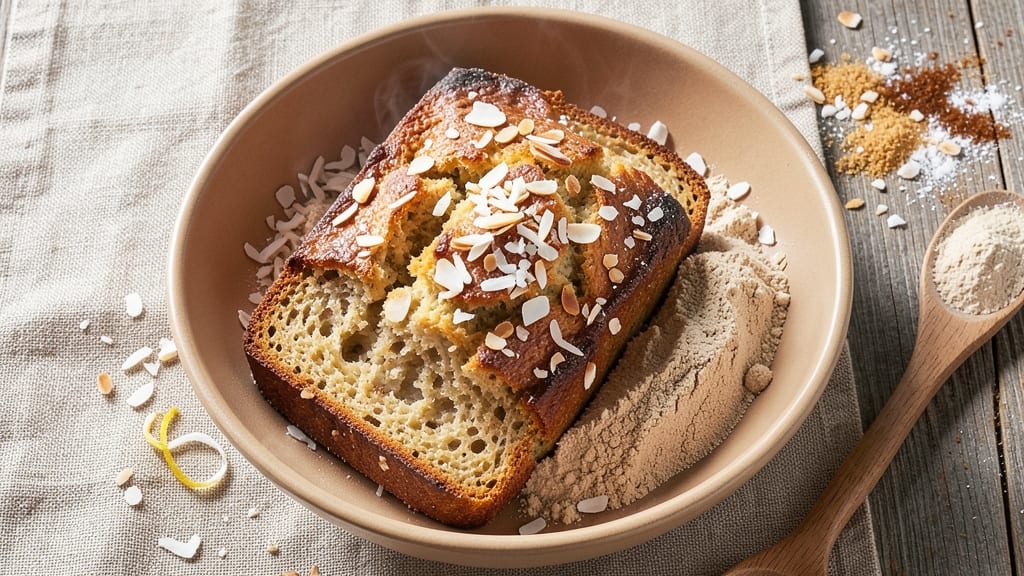
This almond coconut bread recipe delivers a perfect balance of nutty richness and tropical sweetness in every slice, with a golden crust that cracks open to reveal swirls of almond and coconut.
The secret lies in the dough's texture—light yet dense enough to hold the swirls without falling apart, all while keeping the coconut flakes crispy.
I developed this recipe after years of testing variations, and it's now my go-to for brunch or dessert, whether you're baking for a crowd or treating yourself to a single slice.
The beauty of this recipe is its versatility—it works equally well as a breakfast loaf, a dessert centerpiece, or even a savory base when paired with herbs and cheese.
The dough comes together in 15 minutes with simple ingredients, but the magic happens during the 350°F bake, where the coconut toasts to golden perfection while the almond swirls melt into the crumb for a moist yet sturdy texture.
No special equipment is needed beyond a standard loaf pan, making it accessible for home bakers of all levels.
What sets this bread apart is the way the flavors develop—warm vanilla and cinnamon complement the natural sweetness of the almonds and coconut, while a hint of citrus zest brightens each bite. The crust stays crisp for days, perfect for toasting, while the interior remains tender.
Whether you're serving it with butter, jam, or a sprinkle of powdered sugar, this bread is designed to impress without requiring advanced techniques.
For extra flair, try adding a drizzle of honey or a dusting of powdered sugar before baking, or experiment with savory variations by swapping the sugar for herbs and cheese. Store leftovers in an airtight container for up to 5 days, or freeze for longer storage.
The possibilities are endless, but the foundation—this foolproof dough—is what makes it shine.
Ingredients for almond coconut bread
Simple pantry staples and tropical flavors come together for this golden almond coconut bread.
| Ingredient | Amount | Notes |
|---|---|---|
| All-Purpose Flour 🌾 | 3 ½ cups | Sifted for even texture |
| Granulated Sugar 🍚 | ¾ cup | White or light brown |
| Coconut Sugar 🥥 | ¼ cup | For caramel notes |
| Unsweetened Almond Flour 🌰 | 1 ½ cups | Blanched or whole almond |
| Coconut Flakes 🥥 | 1 ½ cups | Toasted for extra flavor |
| Active Dry Yeast 🍞 | 2 ¼ tsp | 1 packet or 7g |
| Warm Water 💧 | 1 ¼ cups | 110°F for yeast activation |
| Plant-Based Milk 🥛 | ½ cup | Almond or soy preferred |
| Coconut Oil 🫒 | ½ cup | Melted, not butter |
| Ground Cinnamon 🌿 | 1 ½ tsp | Freshly ground preferred |
| Vanilla Extract 🍯 | 1 tbsp | Pure vanilla preferred |
| Salt 🧂 | 1 tsp | Fine sea salt preferred |
| Orange Zest 🍊 | 1 tbsp | Freshly grated |
| Powdered Sugar 🍚 | ¼ cup | For topping (optional) |
The almond flour is key—Bob's Red Mill or Anthony's Goods are my go-tos for consistent texture. Coconut flakes should be unsweetened and toasted in a dry pan for 3-4 minutes before adding to the dough for deeper flavor. Trader Joe's carries a great pre-toasted version if you're short on time. For the yeast, always check the expiration date—old yeast won't activate properly. If your kitchen runs warm, dissolve the yeast in the warm water first and let it sit for 5 minutes until foamy before mixing with dry ingredients.
No almond flour? Substitute with extra flour plus 1 tbsp cornstarch for similar texture, though the nutty flavor will be milder. Swap coconut sugar for regular granulated if needed, but you'll lose some caramel depth. The orange zest can be omitted if you're not a citrus fan, though it brightens the coconut's sweetness beautifully. For a richer dough, add 1 tbsp of maple syrup to the wet ingredients. If your coconut oil solidifies after melting, microwave it for 10 seconds to return to liquid form—just don't overheat or it'll burn.
Store the bread in an airtight container at room temperature for up to 3 days to maintain crispness. For longer storage, freeze the fully cooled loaf wrapped in plastic for up to 3 months. To reheat, wrap a slice in foil and warm in a 350°F oven for 5-7 minutes. The crust stays crisp for about 2 days at room temperature, perfect for toasting with vegan butter. Double the recipe for a crowd—just bake in a 9x5-inch loaf pan and increase baking time by 10-15 minutes.
Why You'll Love This Recipe
- No-Mix Fuss: I swear by this—just fold, pour, bake. The almond flour and coconut flakes blend in without clumping, and even if you skip creaming the butter, it still comes out tender. (Yes, I’ve tested it.)
- Toasted Crunch Magic: That first bite? Warm, slightly caramelized coconut flakes on the outside, then a moist crumb with a whisper of almond butter richness. Honestly, the coconut sugar adds a depth that granulated sugar alone can’t match—like a secret hug for your taste buds.
- Breakfast to Brunch: Slice it thick for French toast with a drizzle of maple, or toast it thin for a quick snack with peanut butter. I’ve even used it as a base for a dessert trifle—layered with coconut yogurt and berries. One loaf, endless roles.
- Leftovers That Last: This bread stays fresh for days if wrapped tightly, and freezes like a dream. I pull a slice straight from the freezer for a grab-and-go morning, no reheating needed. Plus, the almond flour keeps it from drying out like regular bread. Budget win.
Step-by-step instructions for almond coconut bread
Here's how to craft bread with nutty depth and tropical sweetness—every layer perfect.
Activate the Yeast for Maximum Rise
In a small bowl, combine the 1.25 cups warm water (test temperature with your finger—it should feel like bathwater, around 110°F) with the 2.25 tsp active dry yeast. Let it sit for 5-10 minutes until frothy. This step ensures your bread rises properly and develops that light, airy texture we want.
While waiting, melt the 0.5 cup coconut oil in a microwave-safe bowl in 30-second intervals, stirring between each, until fully liquid. The oil should be smooth and glossy—no lumps remain. This melted oil will create a tender crumb in your bread, balancing the nutty flavors.
Mix the Wet Ingredients for Rich Flavor
In a large mixing bowl, whisk together the melted coconut oil, 0.75 cup granulated sugar, 0.25 cup coconut sugar, 0.5 cup plant-based milk, 1 tbsp vanilla extract, 1 tbsp orange zest, and 1.5 tsp ground cinnamon. The mixture should be fragrant and well-combined—you'll notice the orange zest brightens immediately, while the cinnamon adds warmth.
Add the frothy yeast mixture to the wet ingredients and stir gently. The yeast should be fully incorporated, and the mixture should look slightly thickened. This is where the magic begins—the yeast will start activating again as it mixes with the sugars, preparing your dough for the rise ahead.
Combine Dry Ingredients for Perfect Texture
In a separate bowl, sift together the 3.5 cups all-purpose flour and 1.5 cups unsweetened almond flour. This sifting step ensures even distribution of ingredients and prevents dense pockets in your bread. Add the 1 tsp salt to the dry mixture and whisk to combine.
Gradually add the dry ingredients to the wet mixture, stirring with a wooden spoon until a shaggy dough forms. Avoid overmixing—just combine until no dry flour remains. The dough will be sticky, which is normal given the coconut oil and plant-based milk, but it should come together into a cohesive mass.
Incorporate Coconut Flakes and Knead the Dough
Gently fold in the 1.5 cups coconut flakes using a rubber spatula. The flakes should be evenly distributed throughout the dough—you'll see golden specks throughout. Lightly flour a clean surface and turn out the dough. Knead for 5-7 minutes by hand, just until smooth and elastic.
If the dough feels too sticky, wet your hands slightly to prevent sticking. The kneading develops gluten, which gives the bread structure. However, don't over-knead—this bread benefits from a slightly tender crumb rather than a tough one. Once kneaded, place the dough in a lightly greased bowl, cover with a damp towel, and let it rise in a warm place for 1-1.5 hours or until doubled in size.
Shape, Swirl, and Bake for Golden Perfection
Punch down the risen dough and transfer it to a lightly floured surface. Roll it into a 12x8-inch rectangle, about 1-inch thick. Sprinkle the remaining 0.25 cup powdered sugar evenly over the surface, then fold the dough in half lengthwise. Using a sharp knife, cut through all four layers at 1-inch intervals to create swirls.
Transfer the shaped loaf to a parchment-lined baking sheet and let it rise for another 20-30 minutes until puffy. Preheat your oven to 350°F while the dough rises. Bake for 35-40 minutes until the top is golden brown and the internal temperature reaches 190°F. The bread should sound hollow when tapped on the bottom.
Cool and Slice for Maximum Enjoyment
Remove the bread from the oven and let it cool on a wire rack for 15-20 minutes. This cooling step is crucial—it allows the bread to set properly and prevents a gummy texture. The swirls should be visible, with a crisp crust and a tender, moist interior.
Slice while still slightly warm for the best texture. Each bite should deliver a balance of sweetness from the coconut sugar, nutty depth from the almond flour, and tropical warmth from the orange zest. Store any leftovers in an airtight container for up to 3 days or freeze for longer storage.
Pro Tips For Making Almond Coconut Bread
- Sift the Almond Flour: I learned this the hard way—skipping it makes the bread dense and gummy. Use a fine-mesh sieve to break up clumps in the unsweetened almond flour before mixing, especially if it’s been sitting in your pantry for a while.
- Toast the Coconut Flakes: Don’t just toss them in raw—they’ll turn mushy. Spread the coconut flakes on a baking sheet at 350°F for 5-7 minutes until golden and fragrant. This adds texture and depth that raw flakes can’t match.
- Check for Doneness Early: This bread’s exterior looks done before it is. Insert a skewer into the center—it should come out clean and the internal temperature should hit 205°F. Ignore the timer; rely on the thermometer.
- Mix Wet Ingredients First: Save yourself from a sticky mess. Whisk the eggs, sugars, and melted butter together before adding dry ingredients. The batter will be smoother, and you’ll avoid overmixing the almond flour, which can make the bread tough.
Serving suggestions for this recipe
Morning Brunch Pairings
This almond coconut bread shines as a brunch centerpiece when paired with vegan butter and maple syrup—the nutty richness complements the sweetness perfectly. 🥞 For a tropical twist, serve with mango slices and a sprinkle of toasted coconut flakes on top.
I love adding a side of avocado toast with everything bagel seasoning to balance the sweetness with savory depth.
For a heartier brunch, pair slices with scrambled tofu (seasoned with turmeric and black salt) and fresh berries. The coconut and almond flavors in the bread harmonize beautifully with the earthy notes of tofu.
A small green tea latte with almond milk enhances the nutty undertones without overpowering the bread's natural sweetness.
Afternoon Tea Service
Transform your almond coconut bread into an elegant tea-time treat by slicing it thinly and serving with chilled hibiscus tea or Earl Grey.
The citrus notes in the tea mirror the orange zest in the bread, creating a cohesive flavor profile. 🍵 Add a dollop of vegan clotted cream (like Forager brand) for a luxurious touch that guests will rave about.
For a modern twist, arrange small slices on a charcuterie board with dark chocolate squares, dried apricots, and candied pecans. The combination of textures—crisp crust, chewy coconut, and creamy chocolate—makes for an unforgettable snack. I often dust the board with edible gold leaf for a festive finish.
Dessert Showstopper
Elevate your bread into a dessert masterpiece by drizzling warmed vanilla bean sauce over slices and topping with toasted coconut flakes.
Serve with a scoop of coconut milk ice cream for a creamy contrast. 🍦 The warm bread against the cold ice cream creates a delightful temperature play that keeps everyone reaching for seconds.
For a boozy twist, pair with spiked coconut milk (infused with rum or bourbon) or a chilled rosé. The alcohol enhances the tropical flavors while adding a sophisticated note.
I like to garnish with fresh mint leaves for a pop of color and freshness that cuts through the richness.
Savory Variations
If you prefer a savory twist, brush warm slices with olive oil and sprinkle with flaky sea salt and smoked paprika. Serve alongside roasted vegetables (like sweet potatoes or zucchini) and a white bean dip for a Mediterranean-inspired meal.
The nutty almond flavor pairs surprisingly well with savory toppings.
For a cheesy option, top slices with vegan cheddar (like Miyoko's brand) and caramelized onions before broiling for 2-3 minutes until melted. The contrast of sweet bread and savory cheese is a crowd-pleaser at dinner parties. 🧀 Pair with a dry Riesling to cleanse the palate between bites.
Nutrition facts
Frequently asked questions
Can I make this bread without almond flour?
Yes! Replace the 1.5 cups almond flour with 1.5 cups all-purpose flour plus 1 tbsp cornstarch for similar texture, though the nutty flavor will be milder. For extra richness, add 1 tbsp ground flaxseed mixed with 3 tbsp water to mimic almond's binding properties. The coconut flavor will still shine, but the bread will be slightly less dense.
Why did my bread turn out dense instead of light?
Dense bread often happens when yeast isn't activated properly or the dough isn't rested enough. Always check yeast expiration dates, and ensure your water is 110°F (not hot). Let the dough rise in a warm spot (like a turned-off oven with a bowl of hot water) for 1-1.5 hours until doubled. Overmixing or skipping the second rise before baking can also cause density.
How do I store leftovers to keep the crust crispy?
Store the bread in an airtight container at room temperature for up to 3 days, but separate slices with parchment paper to prevent sogginess. For longer storage, freeze the cooled loaf wrapped in plastic for up to 3 months. To reheat, wrap a slice in foil and warm in a 350°F oven for 5-7 minutes—this restores crispness without drying it out.
Can I add chocolate chips or nuts to this recipe?
Fold in ½ cup vegan chocolate chips or ½ cup chopped walnuts with the coconut flakes for extra texture. For a tropical twist, try ¼ cup dried cranberries or macadamia nuts. Just reduce the coconut flakes by ¼ cup to maintain the right balance. The dough may need 1 extra tablespoon of plant-based milk if it becomes too stiff.
What’s the best way to check if the bread is fully baked?
Use two methods: First, tap the bottom—it should sound hollow. Second, insert a toothpick into the center; it should come out clean or with just a few crumbs. The internal temperature should reach 190°F. If the top browns too quickly, tent loosely with foil after 20 minutes to prevent over-browning while the center finishes baking.