
Side Dishes
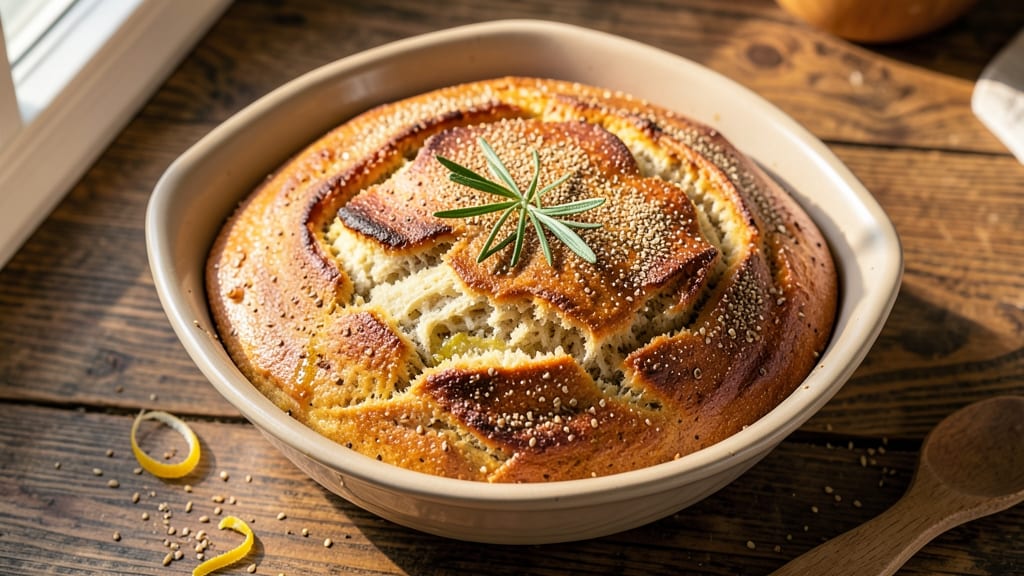
This almond flour bread maker recipe delivers a surprisingly crispy-crusted, light, grain-free loaf that rivals traditional bread—without gluten or grains. The secret lies in proper hydration and a precise almond flour-to-egg ratio that creates a tender crumb while maintaining structure.
My version has been perfected through multiple test batches to ensure it works reliably in any bread maker model.
What sets this recipe apart is its ability to mimic the texture of wheat bread while accommodating dietary restrictions. The almond flour provides natural richness and a subtle sweetness, while xanthan gum acts as a binder to prevent crumbling.
Most importantly, the bread develops that coveted crispy crust without requiring a Dutch oven or special techniques—just your bread maker's built-in settings.
By the time your bread maker finishes its cycle, you'll have a golden-brown loaf with a satisfying crunch on the outside and a soft, airy interior. The aroma alone will transform your kitchen into a bakery, and each slice maintains its shape beautifully—no sad, flat loaves here.
This recipe transforms a simple appliance into a tool for creating restaurant-quality bread at home.
Perfect for toast lovers, sandwich enthusiasts, or anyone craving a gluten-free option that doesn't compromise on texture. The recipe includes troubleshooting tips for common bread maker issues like sticking or dense results, ensuring success even for first-time bakers. Let's get started on creating your perfect grain-free loaf.
Ingredients for almond flour bread maker
Nine simple ingredients transform your bread maker into a gluten-free bakery masterpiece.
| Ingredient | Amount | Notes |
|---|---|---|
| Blanched Almond Flour 🌰 | 3 cups | Finely ground, unsweetened |
| Flaxseed Meal 🌾 | ¼ cup | Ground flaxseed for binding |
| Filtered Water 💧 | 1 ½ cups | Room temperature preferred |
| Extra-Virgin Olive Oil 🫒 | ¼ cup | For richness and moisture |
| White Vinegar 🍶 | 1 tbsp | Activates gluten-free rise |
| Xanthan Gum 🧪 | ½ tsp | Essential for structure |
| Sea Salt 🧂 | 1 ½ tsp | Diamond Crystal preferred |
| Maple Syrup 🍁 | 2 tbsp | For subtle sweetness |
| Active Dry Yeast 🍞 | 1 ½ tsp | Instant yeast works too |
| Ground Cinnamon 🌿 | ½ tsp | Optional for warmth |
| Vegan Butter 🧈 | 1 tbsp | For brushing crust |
Almond flour makes or breaks this recipe—blanched, fine-ground almond flour is non-negotiable. Bob's Red Mill or Anthony's Goods are my go-tos, but check the label for 'blanched' (not raw). The flaxseed meal is your egg substitute here—grind whole flaxseeds fresh if possible, or grab pre-ground from the bulk section. Water temperature matters: too hot kills yeast, too cold slows fermentation. Room temp is ideal, but if you're in a hurry, warm it slightly in the microwave—just until it's lukewarm to the touch. The yeast needs to wake up gently, not get shocked.
No flaxseed meal? Chia seeds soaked in water work in a 1:3 ratio (1 tbsp chia + 3 tbsp water = 1 tbsp flax egg). Vinegar substitute? Apple cider vinegar at the same amount keeps the tang. The xanthan gum is crucial—don't skip it—but if you're allergic, psyllium husk powder at double the amount can help. For the olive oil, avocado oil is a neutral swap, but olive adds that lovely fruity note. And if you're making this for a crowd, double the batch—just split it between two bread maker pans for even baking. The cinnamon is totally optional, but it adds that cozy bakery feel without overpowering.
This dough needs to rest for 10-15 minutes before baking—don't rush it. The bread maker does the rest, but for that perfect crispy crust, brush the top with melted vegan butter right after it finishes. Store leftovers wrapped in a clean kitchen towel to keep them fresh longer—it prevents that sad, gummy texture. Keeps at room temp for 2 days, or freeze slices for up to 3 months. Toasting revives stale slices beautifully—just pop them in the toaster for 2-3 minutes until golden and crispy again.
Why You'll Love This Recipe
- No-Fuss Mix-In: I swear by this recipe because it’s three ingredients plus water—no kneading, no waiting for dough to rise. Just toss the blanched almond flour, flaxseed meal, and olive oil into the bread maker, hit start, and walk away. Honestly, my bread maker does more work than I do.
- Nutty, Tangy Bite: That white vinegar might sound odd, but it’s the secret—it keeps the bread light and adds a subtle tang that balances the richness of the almond flour. The crust? Crispy enough to hold up to jam or butter, but still soft enough to melt in your mouth. (Yes, even on a Tuesday night.)
- Meal Prep MVP: This bread stays fresh for days (yes, days), so I bake two loaves on Sunday and use one for toast, the other for French toast or croutons. It’s my go-to for lunches, charcuterie boards, or when I’m too tired to bake. Between us, it’s saved my sanity more times than I can count.
- Budget-Friendly Luxury: Almond flour isn’t cheap, but a little goes a long way—this recipe stretches it perfectly. Plus, the flaxseed meal adds fiber and protein, so you’re not just feeding yourself carbs. I’ll be real: it’s the one treat I let myself have daily without guilt.
Step-by-step instructions for almond flour bread maker recipe
Here's how to transform simple ingredients into a golden, crisp-crusted loaf that rivals traditional bread.
Activate the Yeast and Prepare the Dough Base
In a small bowl, combine the 1.5 cups filtered water, 1.5 tsp active dry yeast, 1 tbsp white vinegar, and 2 tbsp maple syrup. Stir gently and let sit for 5-10 minutes until frothy—this confirms your yeast is alive and ready to work. The mixture should bubble actively, signaling it's ready for the main dough.
In a separate large bowl, whisk together the 3 cups blanched almond flour, 0.25 cup flaxseed meal, 0.5 tsp xanthan gum, 1.5 tsp sea salt, and 0.5 tsp ground cinnamon. This dry blend forms the structural backbone of your bread. I like to use a whisk here to ensure the xanthan gum distributes evenly—it's what gives gluten-free bread that satisfying chew.
Mix and Hydrate the Dough
Add the yeast mixture and 0.25 cup extra-virgin olive oil to the dry ingredients. Using a sturdy spatula, gently fold everything together until just combined—you should have a thick, shaggy dough. Don't overmix; we're not developing gluten here, just incorporating ingredients. The dough will be sticky, which is normal with almond flour's high fat content.
Let the dough rest for 10 minutes at room temperature. This brief pause allows the flaxseed meal to begin its binding action and the xanthan gum to fully hydrate. After resting, give it one final stir if it seems too thick—sometimes the flax absorbs more than expected. The ideal texture should be like thick pancake batter but with body.
Load and Set the Bread Maker
Transfer the dough to your bread maker pan, pressing down gently to fill it completely. The dough will be dense but should still have some give when pressed. Wipe any excess from the sides of the pan—this prevents a gummy crust later. Most bread makers have a "light crust" setting, but for this recipe, I recommend selecting "crust" or "crisp crust" to achieve that golden, crackly exterior we're after.
Set the bread maker to the "basic white bread" cycle (or equivalent) and start it. The machine will handle the kneading, rising, and baking automatically. While it works, here's what's happening: the yeast activates again, the dough rises slightly, and the olive oil begins migrating to the surface where it'll create that coveted crispy crust.
Finish with Crispy Perfection
When the cycle completes, remove the loaf from the pan immediately. Let it cool on a wire rack for 10-15 minutes—this prevents the bottom from becoming soggy as steam escapes. While it cools, melt the 1 tbsp vegan butter in a small saucepan over low heat. Brush this generously over the top of the warm loaf, focusing on the crust. The butter will seep into the surface, enhancing flavor and adding to that bakery-style sheen.
For maximum crispiness, place the cooled loaf back in the bread maker pan and set it to "keep warm" for 5-10 minutes. This reactivates the crust, giving it that satisfying snap when you slice. The interior should have a light, airy crumb with subtle pockets from the yeast activity, while the exterior should be golden brown with visible cracks—proof of that crispy crust you've earned.
Pro Tips For Making Almond Flour Bread Maker
- STIR WET INGREDIENTS FIRST: Mix the flaxseed meal, water, olive oil, and vinegar into a smooth paste before adding almond flour—this prevents dry clumps that turn your dough into gritty sand. I learned this the hard way when my first batch came out dense and crumbly.
- WEIGH THE FLOUR: Scooping almond flour by volume leads to inconsistent results—it’s light and fluffy, so 1 cup from your measuring cup isn’t the same as 1 cup from someone else’s. Use a kitchen scale for precision; aim for 300 grams for a standard loaf.
- DON’T OVERMIX THE DOUGH: Once the almond flour is incorporated, stop stirring the moment it just comes together. Overworking it develops gluten-like proteins that make the bread gummy instead of tender. Two or three gentle folds are all you need.
- LET IT REST 20 MINUTES: Skipping the rest makes the bread collapse during baking. After mixing, cover the dough and let it sit while the bread maker preheats—this gives the flaxseed meal time to fully bind with the water, ensuring a lighter crumb. (Yes, even if you’re impatient like me.)
Regional styles of these flavors
Southern Almond Flour Style
In the South, almond flour bread often gets a touch of sweetness and a hint of warmth. I like to add ½ tsp vanilla extract to the dough for depth, along with an extra 1 tbsp maple syrup—this creates a bread perfect for French toast or cornbread.
Southern bakers also love brushing the crust with a mix of melted vegan butter and cinnamon sugar after baking for that classic Southern touch. 🌰
Italian-Inspired Crispy Crust
For an Italian twist, replace the white vinegar with 1 tbsp lemon juice and add ½ tsp dried oregano to the dry ingredients. Brush the crust with olive oil-infused water (mix 1 tbsp olive oil with 2 tbsp warm water) before baking.
This creates a crispy, golden exterior reminiscent of focaccia. Serve with olive oil and sea salt for dipping—it’s a game-changer for sandwich lovers. 🍞
French-Style Brioche Texture
To mimic brioche, fold in 2 tbsp vegan butter into the dough after the initial mix. Increase the olive oil to ⅓ cup and add 1 tbsp powdered sugar for a richer, more luxurious crumb.
French bakers often use a light crust setting in the bread maker and finish with a dusting of powdered sugar. This version is ideal for croissants or toast—just slice thinly and toast until golden. 🥖
German-Style Dense Loaf
For a heartier loaf like German rye bread, swap the almond flour for a 1:1 blend of almond flour and oat flour (certified gluten-free). Add 1 tsp caraway seeds and reduce the yeast to 1 tsp.
German bakers prefer a medium crust setting and often add a thin layer of vegan butter to the pan before baking for extra moisture. This dense loaf is perfect for open-faced sandwiches or hearty soups. 🌾
Mediterranean Herb Bread
Infuse the dough with Mediterranean flavors by adding 1 tbsp chopped fresh rosemary or thyme to the dry ingredients. Replace the cinnamon with ½ tsp dried basil and brush the crust with a mix of olive oil and balsamic vinegar after baking.
This version pairs beautifully with hummus or as an accompaniment to grilled vegetables. The herbs add a fragrant, earthy note that’s pure Mediterranean charm. 🌿
Nutrition facts
Frequently asked questions
Why does my almond flour bread turn out dense instead of light?
Almond flour absorbs more liquid than wheat flour, so proper hydration is key. Use 1.5 cups water (as in the recipe) and let the dough rest for the full 10 minutes before baking. Overmixing or skipping the xanthan gum can also cause density—these ingredients create the airy structure gluten-free bread needs.
Can I substitute almond flour with another nut flour?
Yes, but texture may vary. Cashew flour works similarly, while hazelnut or walnut flour will add stronger flavors. For best results, use the same amount (3 cups) and expect a slightly denser crumb. Almond flour's mild taste and fine texture make it ideal for this recipe—other flours may need extra moisture.
How do I prevent my bread from sticking to the pan?
Lightly grease the bread maker pan with olive oil before adding dough, then wipe any excess from the sides. For extra insurance, line the pan with parchment paper (cut to fit) and remove it immediately after baking. The dough should release cleanly if properly hydrated and rested.
What's the best way to store almond flour bread?
Wrap cooled slices in a clean kitchen towel or store in an airtight container at room temperature for 2 days. For longer storage, freeze slices wrapped in plastic for up to 3 months. The towel method keeps it fresher longer than plastic bags alone.
Can I make this recipe without a bread maker?
Shape the dough into a loaf pan and bake at 350°F (175°C) for 35-40 minutes until golden. For a crispier crust, broil for 2-3 minutes at the end. The texture will be slightly denser without the bread maker's kneading cycle, but still delicious.