
Side Dishes
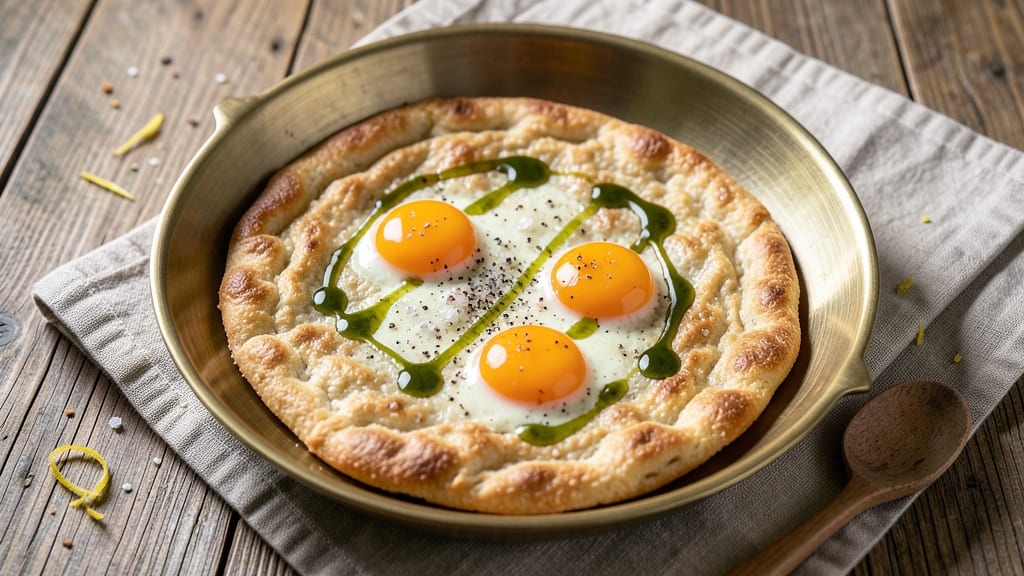
This almond flour flatbread recipe delivers a crispy exterior and chewy center in just 15 minutes—perfect for gluten-free diets without sacrificing texture. The secret lies in blending almond flour with eggs and water for a dough that rolls effortlessly yet holds its shape under the broiler.
I developed this recipe after struggling to find a flatbread that matched the satisfaction of traditional options, and it never fails to impress.
The beauty of this recipe is its simplicity: 5 ingredients, no yeast, and no waiting for dough to rise. The almond flour provides a nutty depth while keeping the bread light, and the eggs bind everything together for a sturdy yet tender result.
Whether you're hosting a dinner or just craving a snack, this flatbread pairs beautifully with hummus, olive oil, or spiced yogurt dips.
What sets this apart is the broiler finish, which creates that coveted crispiness without drying out the center. The dough comes together in minutes, and the baking process is hands-off, making it ideal for beginners or busy weeknights.
You’ll end up with golden, warm flatbreads that taste homemade but require none of the fuss.
Serve warm with your favorite dips or use as a wrap for sandwiches—this versatile gluten-free flatbread proves that dietary restrictions don’t mean sacrificing flavor or texture. Let’s get started!
Ingredients for almond flour flat bread
Five simple ingredients transform into golden flatbreads with crisp edges and chewy centers.
| Ingredient | Amount | Notes |
|---|---|---|
| Almond Flour 🥜 | 2 cups | Finely ground, unsweetened |
| Large Eggs 🥚 | 2 whole | Room temperature for even blending |
| Warm Water 💧 | ½ cup | Tap or filtered, not boiling |
| Extra-Virgin Olive Oil 🫒 | 2 tbsp | High quality, fruity variety |
| Diamond Crystal Kosher Salt 🧂 | ½ tsp | Fine grain preferred |
| Ground Black Pepper 🌶️ | ¼ tsp | Freshly cracked for aroma |
Almond flour is the star here—Bob's Red Mill or Anthony's Goods are my go-tos for consistency. The finer the grind, the smoother your dough will be. If your almond flour is coarse, pulse it in a food processor for 30 seconds to break up any lumps. Room-temperature eggs blend better, so take them out of the fridge 10 minutes before mixing. The olive oil adds richness, so California Avocado or Bertolli brands are worth the splurge if you're using this often.
No almond flour? Oat flour or ground pecans can substitute at a 1:1 ratio, though texture will differ slightly. Eggs can be swapped for flax eggs (2 tbsp ground flaxseed + 6 tbsp water) for a vegan version, but the flatbread will be less crisp. Warm water is key—cold water makes the dough too stiff. If you accidentally use cold water, microwave it for 10 seconds to warm up. The salt and pepper are non-negotiable for flavor, but feel free to add garlic powder or Italian seasoning if you're feeling adventurous.
The dough keeps for 2 days in the fridge, wrapped tightly in plastic. For longer storage, freeze portions on parchment paper for up to 3 months. Let frozen dough thaw at room temperature before rolling. The flatbreads reheat beautifully—just pop them back under the broiler for 1-2 minutes to restore crispiness. I like to make a double batch and freeze extras for lazy weeknights.
Why You'll Love This Recipe
- No-Fuss Mixing: I swear by the 5-minute prep here—just toss the almond flour, eggs, and warm water in a bowl, fold in olive oil, and sprinkle salt. No kneading, no waiting for dough to rise, just stir and go.
- Nutty Crispy Magic: That first bite? Crisp edges with a tender center, all thanks to the almond flour’s natural richness and the olive oil’s golden sheen. Honestly, it’s the kind of texture that makes you pause mid-bite.
- Packable Anywhere: Wrap one around a sandwich for lunch, stuff with hummus for a snack, or use it as a base for charcuterie. I’ve even sent these in kids’ lunchboxes—no reheating needed, just fresh and sturdy.
- Budget-Friendly Staple: Almond flour’s price tag might seem steep at first, but a little goes a long way, and the dough keeps for days in the fridge. Between us, I’ve made this for breakfast, dinner, and everything in between—zero waste, all flavor.
Step-by-step instructions for almond flour flatbread
Here's my foolproof method for achieving that perfect balance of crispy edges and chewy centers—no gluten, no fuss.
Combine Wet Ingredients for a Smooth Batter
In a large mixing bowl, crack the 2 whole Large Eggs and whisk them vigorously for about 30 seconds until frothy. The eggs should lighten in color slightly—this aeration helps create that signature crispy texture. Add the 0.5 cup Warm Water and whisk again until fully combined.
Next, pour in the 2 tbsp Extra-Virgin Olive Oil and mix thoroughly. The oil should emulsify with the eggs, creating a smooth, slightly thick batter. If it looks too thin, let it sit for 2 minutes—the almond flour will absorb some of the liquid when added. Here's the thing—this batter should be just thick enough to coat the back of a spoon but still flow easily when poured.
Mix in Dry Ingredients Until Just Combined
Add the 2 cups Almond Flour to the wet ingredients and gently fold with a spatula. You want to avoid overmixing—just combine until no dry spots remain. The dough will be thick and slightly sticky, almost like a very stiff cookie dough. Sprinkle in the 0.5 tsp Diamond Crystal Kosher Salt and 0.25 tsp Ground Black Pepper, then fold these in as well.
At this stage, the mixture should hold together when pressed but still be workable. If it feels too dry, add 1 teaspoon of warm water at a time until it reaches a pliable consistency. Real talk: almond flour varies in moisture content, so trust your hands here. The goal is a dough that can be shaped without cracking but still spreads easily when rolled.
Divide and Rest the Dough for Perfect Texture
Divide the dough into 4 equal portions (about ¼ cup each) and roll each into a ball. Place them on a parchment-lined baking sheet, spacing them about 2 inches apart. Cover the baking sheet loosely with plastic wrap and let the dough rest at room temperature for 10 minutes. This short rest prevents cracking when you roll them out later.
While the dough rests, preheat your oven to 375°F. Here's why this temperature matters: it's hot enough to create that crispy exterior without burning the edges before the centers cook through. The resting period also allows the gluten in the eggs to relax slightly, making the final flatbreads more pliable and less likely to tear when you stretch them.
Roll and Stretch for Maximum Crispiness
Working with one ball at a time, place it between two sheets of parchment paper. Using a rolling pin, roll the dough into a ¼-inch thick circle, about 6 inches in diameter. Here's the pro tip: roll from the center outward, applying even pressure. If the dough resists, let it rest another 2 minutes—it should give slightly when you press it.
For that restaurant-quality crispiness, stretch the rolled dough gently with your fingers, working from the center outward. You're not trying to make it paper-thin—just slightly thinner than when you rolled it. Transfer the stretched flatbread to the preheated baking sheet, seam-side down. Repeat with the remaining dough balls, spacing them 1 inch apart on the sheet.
Bake Until Golden and Crispy
Bake the flatbreads in the preheated oven for 8-10 minutes, rotating the baking sheet halfway through if your oven has hot spots. You're looking for edges that turn golden brown and develop a crisp texture, while the centers remain slightly soft and pliable. They'll continue to crisp up as they cool, so don't overbake—they should pull away from the parchment paper easily when done.
Remove the flatbreads from the oven and let them cool on the baking sheet for 2 minutes before transferring to a wire rack. Here's where the magic happens: the residual heat will finish crisping the edges while keeping the centers tender. Serve warm for that perfect contrast of textures—crispy, chewy, and irresistibly gluten-free. These flatbreads are ready to be stuffed with your favorite fillings or enjoyed on their own with a drizzle of olive oil and flaky sea salt.
Pro Tips For Making Almond Flour Flat Bread
- Use a fork to mix: I learned this the hard way—trying to stir almond flour dough with a spoon just makes a mess. A fork cuts through the grittiness and keeps the texture even without overworking it. Press the dough against the sides of the bowl to release air bubbles while you mix.
- Press dough thin but not thin: You want it just under ¼-inch thick—any thinner and it’ll tear when you flip, any thicker and it’ll stay dense. Use your knuckles as a guide: if the dough feels like a firm pancake, you’re golden. (Yes, even if you’re impatient like me.)
- Salt the water, not just the dough: Diamond Crystal kosher salt is fine, but I now add a pinch to the warm water first. It dissolves completely and distributes evenly, so every bite gets that subtle seasoning instead of clumpy salt crystals. Skip this, and you’ll taste the unevenness.
- Let the dough rest 10 minutes: This isn’t the prettiest method—it’ll look like a sad, lumpy blob—but giving it 10 minutes under a damp towel makes all the difference. The almond flour absorbs the egg and water better, so your flatbread won’t crack when you cook it. (Your future self will thank you.)
Flavor customization for this recipe
Nutty-Sweet Variations
Add 1 tbsp honey or 1 tsp vanilla extract to the wet ingredients for a subtle sweetness that pairs perfectly with savory dips. I love this version with whipped goat cheese and sliced figs for a dessert-like flatbread.
For extra richness, swap 1 tbsp of the olive oil for melted butter—just be aware it'll make the dough slightly more fragile. 🥜
Herb-Infused Options
Fold in 1 tbsp finely chopped fresh herbs like rosemary, thyme, or basil into the dry ingredients. For a Mediterranean twist, add 1 tsp dried oregano and ½ tsp garlic powder—this combo works beautifully with tzatziki sauce or olive tapenade.
If using fresh herbs, chop them finely to avoid tearing the dough when rolling. I recommend Penzeys Italian Seasoning for a pre-mixed option if you're short on time.
Spicy Kick Additions
For heat lovers, add ½ tsp smoked paprika and ¼ tsp cayenne pepper to the dry ingredients. For a more complex spice profile, mix ½ tsp ground cumin with ¼ tsp chili powder—this gives a warm, earthy heat that pairs amazingly with spicy harissa sauce.
If you want visible heat, sprinkle red pepper flakes on top before baking. Trust me, the contrast of crispy, spicy flatbread with creamy garlic yogurt is unbeatable. 🌶️
Cheesy Delight Twists
Fold ¼ cup shredded sharp cheddar or Parmesan cheese into the dough for a cheesy surprise in every bite. For a more decadent version, mix 2 tbsp cream cheese with the wet ingredients before combining with the dry mix.
This creates pockets of creamy goodness that melt slightly when baked. I particularly love this variation with sun-dried tomato pesto or marinara sauce for dipping.
Global Flavor Profiles
Transform your flatbread into a Moroccan-inspired version by adding ½ tsp ground coriander and ¼ tsp cinnamon to the dry ingredients. For an Indian-inspired twist, mix in ½ tsp garam masala and ¼ tsp turmeric—these pair perfectly with mint chutney or mango salsa.
The warm spices add depth without overpowering the nutty almond flavor. These variations are game-changers for flavor exploration! 🗺️
Nutrition facts
Frequently asked questions
Why does my almond flour flatbread turn out dense instead of crispy?
Overmixing the dough is the most common culprit—keep folding just until combined. Also, ensure your almond flour is finely ground (coarse flour needs extra blending) and your oven is properly preheated to 375°F. The resting period before rolling is crucial too—skip it and the dough may crack or resist stretching. For extra crispiness, broil for 1-2 minutes at the end if needed.
Can I make this flatbread without eggs for a vegan version?
Yes! Replace the 2 eggs with 2 flax eggs (2 tbsp ground flaxseed + 6 tbsp water) or ¼ cup unsweetened applesauce. The texture will be slightly softer and less crispy, but still delicious. Let the flax mixture sit for 5 minutes to thicken before using. Pair with spicy dips to complement the milder flavor profile.
How do I store leftover flatbreads to keep them crispy?
Cool completely, then stack with parchment paper between each layer in an airtight container. They'll stay fresh for 3 days at room temperature. For longer storage, freeze wrapped flatbreads for up to 3 months. To revive, reheat in a 350°F oven for 3-5 minutes or under the broiler for 1 minute until crisp again.
What's the best way to serve these flatbreads beyond dipping?
Use them as wraps for chicken shawarma, falafel, or grilled vegetables. They also make excellent pizza crusts—top with marinara, cheese, and pepperoni then bake at 425°F for 8-10 minutes. For a dessert twist, spread with Nutella and fresh berries. The nutty flavor pairs surprisingly well with sweet toppings!