
Side Dishes
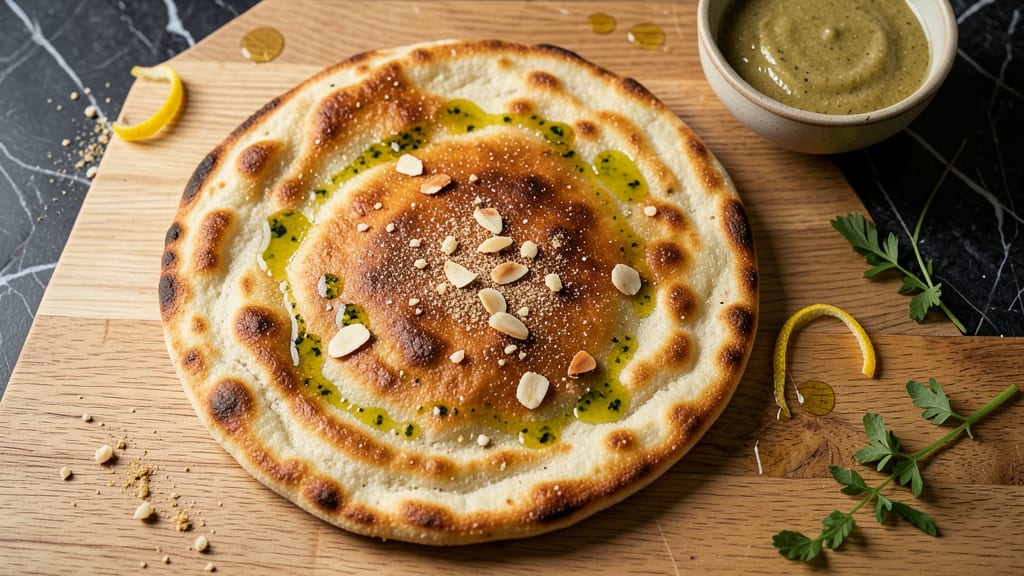
This almond flour flatbread bread recipe delivers crispy edges and pillowy softness in every bite—no yeast, no gluten, just rich nutty flavor and satisfying texture. The secret lies in proper hydration and resting time, which transforms almond flour's dry nature into a tender, flexible dough.
I've perfected this technique after years of experimenting with gluten-free baking, and the results are worth every minute of prep.
Almond flour requires special handling—it absorbs moisture differently than wheat flour, so we'll use a combination of warm water, flaxseed "eggs," and a touch of olive oil to bind everything together.
The dough rests for 30 minutes before shaping, which allows the almond flour to fully hydrate and creates that signature softness. This isn't just another flatbread; it's a foolproof method that yields restaurant-quality results at home.
Once baked, you'll have golden-brown flatbreads with crispy edges that shatter slightly and tender, airy centers that melt in your mouth. The nutty flavor of almond flour shines through without overpowering, making these perfect for dipping, wrapping, or serving alongside soups and stews.
The best part? They reheat beautifully, so you can make a batch ahead and enjoy them all week.
Whether you're gluten-free, grain-free, or simply craving something different, this recipe delivers. The technique works equally well on the stovetop or in the oven, giving you flexibility for any cooking setup. Let's get started—your taste buds will thank you.
Ingredients for almond flour flatbread bread
Nine simple ingredients transform almond flour's dry nature into crispy-edged, pillowy flatbread perfection.
| Ingredient | Amount | Notes |
|---|---|---|
| Almond Flour 🌰 | 2 ½ cups | Finely milled, blanched preferred |
| Ground Flaxseeds 🌾 | 2 tbsp | For flaxseed 'eggs' |
| Warm Water 💧 | ¾ cup | 110°F for optimal hydration |
| Extra-Virgin Olive Oil 🫒 | ¼ cup | Light variety preferred |
| Salt 🧂 | 1 tsp | Fine sea salt preferred |
| Garlic Powder 🧄 | 1 tsp | Freshly ground preferred |
| Dried Rosemary 🌿 | ½ tsp | Finely chopped for aroma |
| Sesame Seeds 🌾 | 2 tbsp | Toasted for crunch |
| Sesame Oil 🫒 | 1 tbsp | For brushing |
| Tahini 🥛 | 2 tbsp | For brushing after baking |
Almond flour is the star—Bob's Red Mill or Anthony's Goods are my go-tos for consistent texture. The finely milled variety ensures a smoother dough, while blanched almond flour adds a lighter color. If you can't find blanched, toast your almond flour for 5 minutes at 350°F to deepen the nutty flavor. Warm water is key: too cold and the dough won't hydrate properly, too hot and you'll kill the flaxseeds' binding power. 110°F is ideal—just warm tap water in the microwave for 30 seconds. The flaxseeds should gel completely after 5 minutes of resting.
No sesame oil? Light olive oil works in a pinch, though it lacks the nutty depth. Substitute dried rosemary with thyme or oregano at half the amount—they're all earthy herbs that pair well. For extra crispiness, brush with refined coconut oil instead of sesame oil. The tahini brushing is optional but adds that signature Middle Eastern touch; if you skip it, a light dusting of more sesame seeds gives the same visual appeal. Pro tip: Toast your sesame seeds in a dry pan for 2 minutes—they'll be irresistibly crunchy.
Freshly made flatbreads stay crispy for 2 days at room temperature, wrapped in a clean kitchen towel. Reheat in a 350°F oven for 5 minutes to restore that crispy edge. For longer storage, freeze shaped dough balls for up to 3 months—bake straight from frozen, adding 2-3 extra minutes. I like to make a double batch on weekends and freeze half; perfect for lazy weeknight meals. The dough is sensitive, so work quickly once mixed—almond flour dries out fast.
Why You'll Love This Recipe
- Five-Ingredient Magic: I swear by this—just almond flour, flax, water, olive oil, and salt. That’s it. No yeast, no kneading, no waiting around. The flax binds it all together while the almond flour gives it that perfect chewy-yet-light texture without any fuss.
- Nutty, Neutral Canvas: Between us, almond flour has a mild sweetness that’s so versatile. This flatbread soaks up dips like hummus or marinated meats without overpowering them. Honestly, it’s the kind of neutral flavor that makes it work for everything—savory, sweet, or even just with butter and jam.
- Meal Prep MVP: I make a double batch on Sundays and freeze them between parchment paper. When I’m in a rush, I just pop one in the toaster or oven—crispy in minutes. No reheating sad, gummy leftovers here.
- Budget-Friendly Luxury: Almond flour can feel pricey, but a little goes a long way. This recipe stretches further than you’d think, and the flaxseed adds fiber and omega-3s for pennies. Plus, no wasted ingredients—every bit gets used up. (Yes, even on a Tuesday night.)
Step-by-step instructions for almond flour flatbread with crispy edges
Here's how to create these golden, pillowy flatbreads with perfect texture every time.
Create the Flaxseed 'Eggs' and Mix Wet Ingredients
In a small bowl, combine the 2 tablespoons ground flaxseeds with the 0.75 cup warm water (around 110°F). Stir thoroughly and let sit for 5 minutes until it thickens into a gel-like consistency—this is your flaxseed "egg." This binding agent replaces traditional eggs while keeping the texture tender.
In a separate large bowl, whisk together the 2.5 cups almond flour, 0.25 cup extra-virgin olive oil, 1 teaspoon salt, 1 teaspoon garlic powder, and 0.5 teaspoon dried rosemary. The mixture will look dry at first, but don't worry—it will come together as you work. The rosemary adds subtle aroma without overpowering the delicate flavor of the almond flour.
Combine and Knead the Dough
Add the flaxseed mixture to the dry ingredients and stir with a wooden spoon until fully incorporated. The dough will be thick and sticky—this is normal. Use your hands to gently knead for 2-3 minutes until it forms a cohesive, slightly tacky ball. Avoid overworking the dough, as almond flour can become gummy if handled too much.
Here's the trick: cover the bowl with a damp towel and let the dough rest for 10 minutes. This short rest allows the almond flour to fully hydrate and makes the dough easier to handle. The texture should become slightly smoother, though it will still be softer than traditional wheat-based dough.
Divide and Shape the Flatbreads
After resting, divide the dough into 6 equal portions (about 3 ounces each). Roll each portion between two sheets of parchment paper into an oval shape, about ⅛-inch thick. The parchment prevents sticking and makes rolling easier—almond flour dough has a tendency to cling. Aim for even thickness to ensure consistent cooking.
For extra flavor, brush each flatbread with 1 tablespoon sesame oil and sprinkle with 2 tablespoons sesame seeds, dividing evenly. Press the seeds gently into the surface so they adhere. This step adds both texture and a nutty aroma that complements the almond flour beautifully.
Cook to Crispy Perfection
Heat a dry skillet or cast-iron pan over medium-high heat until it's very hot—you should see a slight shimmer when you hold your hand about 2 inches above it. Add one flatbread and cook for 2-3 minutes per side, until the edges turn golden brown and crispy, while the center remains soft and pillowy. The contrast between the crispy exterior and tender interior is what makes these flatbreads so special.
Transfer the cooked flatbread to a wire rack and repeat with the remaining dough, brushing each with tahini after the first side is golden. The tahini adds a rich, nutty finish and helps seal in moisture. Serve immediately while still warm, or reheat in a 350°F oven for 2-3 minutes to restore crispiness.
Pro Tips For Making Almond Flour Flatbread Bread
- MEASURE FLAXSEEDS BY WEIGHT: I learned this the hard way—spooning ground flaxseeds straight from the bag gives you way too much volume. Use a kitchen scale for the 3 tablespoons called for; it’s the only way to guarantee that gelatinous bind without ending up with a gummy mess or a dry, crumbly flatbread.
- PRESS THE DOUGH THIN: This isn’t about looks—it’s about even cooking. Roll the dough to about ⅛-inch thickness, then press it down firmly with your palm before transferring to the pan. I used to skip this, and half my flatbreads would puff unevenly or stay doughy in the middle.
- SALT THE WATER: Yes, even the warm water. A pinch (about ¼ teaspoon) in the water helps the almond flour absorb moisture more evenly and prevents a bland taste. I know it sounds weird, but it makes a real difference when you’re dealing with such a mild base.
- USE A LIGHT HAND WITH OIL: The recipe calls for just 1 tablespoon of olive oil—don’t drown it. Brush the pan lightly, then let the dough sit for 30 seconds before pressing. Too much oil makes the flatbread greasy; too little means it won’t brown. Find that middle ground, and you’ll get a crisp edge without sogginess.
Wine and beer pairings for this almond flour flatbread bread
White Wine Pairings
Almond flour flatbreads pair beautifully with crisp, dry white wines that complement their nutty richness without overpowering. I reach for a Sauvignon Blanc from New Zealand—its bright acidity and citrus notes cut through the almond flavor while enhancing the rosemary's herbal notes.
A Pinot Grigio from Italy also works wonderfully, especially if you've added garlic or herbs to your dough. The wine's crisp finish cleanses your palate between bites of crispy, pillowy flatbread. 🍷
Light Beer Options
For beer lovers, a German Pilsner like Warsteiner or Stella Artois provides the perfect balance. The beer's subtle hop bitterness contrasts nicely with the flatbread's nutty sweetness, while its light body won't weigh down the dish.
If you prefer something more adventurous, try a Belgian Witbier—the coriander and orange peel notes in these beers mirror the sesame seeds' aroma and add a refreshing twist. 🍺
Red Wine Caution
While red wine lovers might assume bold options, I recommend sticking to lighter reds like Pinot Noir or Beaujolais. These wines have enough acidity to stand up to the flatbread's richness without overwhelming its delicate texture.
Avoid heavy Cabernets or Syrahs—their tannins can clash with almond flour's natural oils. A lightly chilled Pinot Noir at 60°F enhances the rosemary and garlic flavors beautifully.
Non-Alcoholic Pairings
For a refreshing non-alcoholic option, I love serving these flatbreads with sparkling lemonade—the effervescence complements the crispy edges while the citrus brightens the nutty flavors. A cucumber-mint infused water with a splash of lime also works wonderfully, especially during warm weather.
For something more substantial, try a chilled hibiscus tea—its tartness balances the flatbread's richness perfectly. 💧
Dessert Wine Finish
If you're serving these flatbreads as part of a larger meal, consider finishing with a Moscato d'Asti—its light sweetness and bubbles provide a delightful contrast to the savory flatbread. The wine's floral notes also pair surprisingly well with the rosemary and sesame seeds.
For a more traditional pairing, a dry Riesling with its honeyed notes adds an elegant finish to the meal. 🍇
Nutrition facts
Frequently asked questions
Why does my almond flour flatbread turn out too dry?
Almond flour absorbs moisture differently than wheat flour, so proper hydration is key. Use warm water (110°F) and let the dough rest for the full 30 minutes before shaping. If it still feels dry, add 1 tablespoon extra olive oil to the dough or brush the shaped flatbreads with more oil before cooking.
Can I make these flatbreads without sesame seeds?
If you're avoiding sesame or prefer a different texture, substitute with toasted pumpkin seeds, sunflower seeds, or even crushed nuts like walnuts or pecans. For a seed-free option, simply skip the seeds and focus on brushing with extra sesame oil for flavor.
How do I store leftover flatbreads?
Keep them crispy by storing in an airtight container at room temperature for 2 days, wrapped in a clean kitchen towel. For longer storage, freeze shaped dough balls (uncooked) for 3 months or cooked flatbreads for 1 month. Reheat frozen flatbreads in a 350°F oven for 5-7 minutes to restore crispiness.
Can I bake these in the oven instead of pan-frying?
Yes! Preheat oven to 425°F and bake flatbreads on a parchment-lined tray for 8-10 minutes, flipping halfway. For extra crispiness, place a second tray on the middle rack. Baked versions have slightly softer edges but still maintain that pillowy center—great for meal prep!
What if I don't have flaxseeds?
Use chia seeds as a 1:1 substitute—just mix 2 tbsp chia seeds with 0.75 cup water and let sit for 5 minutes to gel. Another option is 1 large egg (for non-vegan versions), though the texture will differ slightly. The flaxseed "egg" is crucial for binding almond flour's dry nature.