
Breakfast & Brunch
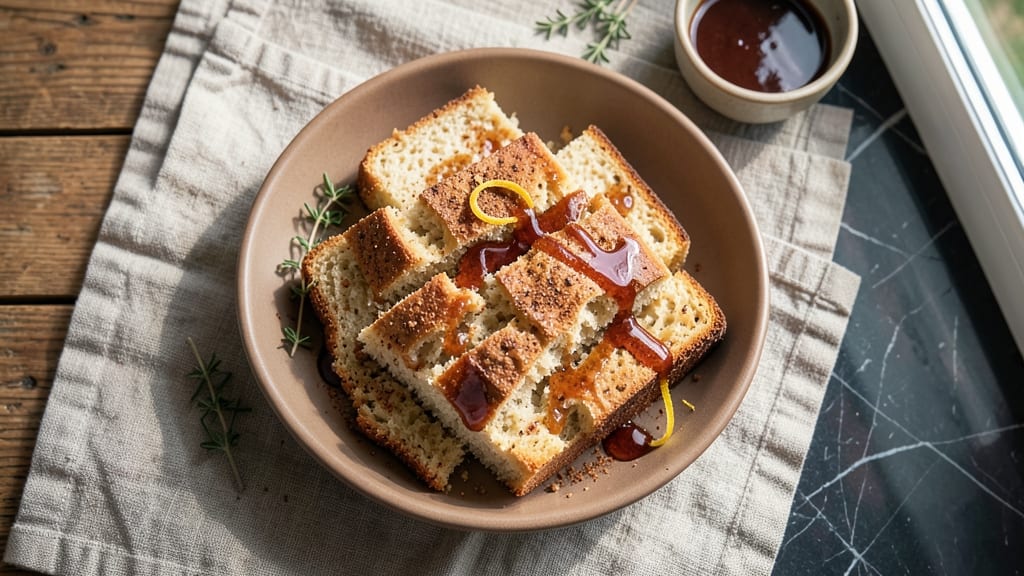
This almond flour sweet bread delivers the perfect balance of fluffy texture and nutty sweetness—no heavy grains or dense crumb here. The secret lies in almond flour's natural richness, which creates a tender crumb while adding a delicate almond flavor that pairs beautifully with vanilla and cinnamon.
I developed this recipe after years of experimenting with gluten-free breads, and it finally achieves that light, airy rise without compromising on taste or texture.
The beauty of this recipe is its versatility—it works equally well as a breakfast loaf, dessert bread, or even a toast base for sweet toppings.
With a simple mix of almond flour, eggs, and a touch of honey, you’ll achieve a bread that’s moist, slightly sweet, and just crisp enough on the edges. The baking process is straightforward, requiring just 350°F and 40-45 minutes to yield a golden, inviting loaf that smells like a bakery.
What sets this apart is the way almond flour transforms traditional bread-making—no need for yeast or long fermentation times. Instead, baking powder handles the rise, ensuring a consistent, even loaf every time.
The result is a bread that’s naturally gluten-free but still satisfies like a classic sweet loaf, with a subtle nutty depth that makes it stand out.
Perfect for brunch, dessert, or as a base for French toast, this recipe adapts easily to dietary needs while delivering restaurant-quality results at home. Let’s get baking!
Ingredients for almond flour sweet bread
Almond flour, eggs, and honey create a tender, nutty-sweet bread with no yeast needed.
| Ingredient | Amount | Notes |
|---|---|---|
| Almond Flour 🌰 | 2 ½ cups | Finely ground, unsweetened |
| Large Eggs 🥚 | 4 whole | Room temperature for even mixing |
| Pure Vanilla Extract 🌿 | 1 tbsp | High-quality, pure vanilla |
| Ground Cinnamon 🌶️ | 1 ½ tsp | Freshly ground preferred |
| Honey 🍯 | ½ cup | Light or raw preferred |
| Baking Powder 🧂 | 1 tsp | Aluminum-free for best results |
| Salt 🧂 | ½ tsp | Fine sea salt preferred |
| Unsalted Butter 🧈 | ½ cup | Melted, cooled slightly |
| Plain Greek Yogurt 🥛 | ¼ cup | Full-fat for moisture |
| Vanilla Sugar 🍯 | 1 tbsp | Or 1 tsp vanilla extract + 1 tbsp sugar |
| Almond Extract 🌰 | ½ tsp | For enhanced almond flavor |
| Lemon Zest 🍋 | 1 tsp | Freshly grated for brightness |
Almond flour quality makes all the difference here. Bob's Red Mill or Anthony's Goods are my go-tos—they're finely ground and consistently high-quality. If you're using a different brand, pulse it in a food processor for a few seconds to ensure even texture. The flour should be light beige, not grayish, which indicates it's been over-processed. For the eggs, room temperature is key—they'll mix more smoothly into the batter. If you're concerned about allergies, this recipe is naturally egg-free if you substitute with a flax egg mixture (1 tbsp ground flaxseed + 3 tbsp water per egg), though the texture will be slightly denser.
No vanilla extract? Vanilla sugar works perfectly—just mix 1 tbsp sugar with ½ tsp vanilla extract, then add to the batter. For the honey, any light variety works, but raw honey adds subtle floral notes. Substituting maple syrup is fine, but reduce by 1 tbsp since it's denser. The Greek yogurt can be swapped for unsweetened applesauce if you prefer, though the texture will be slightly less tender. If you don't have almond extract, extra vanilla extract (½ tsp) will boost the flavor. The lemon zest is optional but adds a bright contrast to the richness—skip it if you're sensitive to citrus.
This batter keeps well for 2 days in the fridge, covered tightly. For best results, bake immediately after mixing. The baked loaf stays fresh for 3 days at room temperature, wrapped in a clean kitchen towel. To reheat, wrap slices in foil and warm in a 350°F oven for 5-7 minutes. For longer storage, slice the bread and freeze the pieces between parchment paper—they'll keep for up to 3 months. I like to portion it into individual slices for quick grab-and-go toast or French toast.
Why You'll Love This Recipe
- No-Fuss Mixing: The dough comes together in three bowls—no stand mixer, no stress. Just fold almond flour, eggs, and honey until it clumps like wet sand. Honestly, I’ve made it while chatting with my kid about their day.
- Vanilla-Cinnamon Magic: That warm vanilla-cinnamon kick? It’s the kind of flavor that makes you pause mid-bite. The honey adds just enough sweetness to balance the nutty depth—no artificial aftertaste, just pure comfort.
- Breakfast or Dessert: Serve it toasted with butter for a protein-packed breakfast, or drizzle with melted chocolate for an after-dinner treat. My husband’s a skeptic, but he’s now obsessed with the morning version—(yes, even on a Tuesday).
- Lasts All Week: A single batch keeps for days in the fridge, and it reheats beautifully. I slice it thin for toast or pack it in lunches—no sad, stale bread here. Plus, almond flour stretches further than regular flour, so your wallet stays happy.
Step-by-step instructions for almond flour sweet bread
Here's how to create a tender, nutty sweet bread with perfect rise and moist crumb.
Whisk Wet Ingredients to Homogeneous Mixture
In a large mixing bowl, combine the 4 whole large eggs with the 0.5 cup honey and 0.25 cup plain Greek yogurt. Whisk vigorously for 2-3 minutes until the mixture is completely smooth and pale yellow in color. This step ensures even distribution of all wet ingredients.
Next, add the 0.5 cup melted unsalted butter (cooled slightly), 1 tbsp pure vanilla extract, 0.5 tsp almond extract, and 1 tsp lemon zest. Continue whisking until fully incorporated. The butter should blend seamlessly without any visible streaks. This mixture forms the base of your bread's moisture and flavor foundation.
Combine Dry Ingredients Thoroughly
In a separate medium bowl, sift together the 2.5 cups almond flour, 1.5 tsp ground cinnamon, 1 tsp baking powder, and 0.5 tsp salt. This prevents any lumps from forming in the almond flour, which can create dense pockets in your bread. Add the 1 tbsp vanilla sugar to this dry mixture and whisk gently to distribute evenly.
I find it helpful to press the mixture through a fine-mesh sieve directly into the wet ingredients bowl. This ensures maximum surface area contact between the dry and wet components, promoting better gluten development in the almond flour. The texture should resemble wet sand when combined.
Gently Fold Until Just Combined
Using a rubber spatula, carefully fold the dry ingredients into the wet mixture in three additions. After each addition, rotate the bowl and fold gently from the bottom to incorporate air without overmixing. The batter should be thick but pourable—similar to pancake batter consistency. Avoid overworking the mixture, as this can develop too much gluten and make the bread dense.
Once fully combined, let the batter rest for 5 minutes at room temperature. This brief resting period allows the almond flour to fully hydrate and the initial gluten strands to relax slightly. You'll notice the batter become slightly more cohesive during this time.
Prepare and Bake in Loaf Pan
Preheat your oven to 350°F. Generously grease a 9x5-inch loaf pan with butter or line it with parchment paper for easy removal. Pour the batter into the prepared pan and smooth the top with a spatula. The batter should fill the pan about ¾ full—don't overfill as the bread will rise significantly.
Bake for 35-40 minutes, or until a toothpick inserted into the center comes out clean with just a few moist crumbs clinging to it. The top should be golden brown with a slightly cracked surface—a visual cue that the bread has baked through. If the top browns too quickly, tent loosely with foil after 20 minutes to prevent over-browning while maintaining even cooking.
Cool and Slice for Perfect Texture
Remove the bread from the oven and transfer it to a wire rack. Let it cool in the pan for 10 minutes before carefully removing it to prevent collapsing. Allow the bread to cool completely for at least 1 hour before slicing. This cooling period is crucial—it allows the internal structure to set properly, preventing a gummy texture.
The fully cooled bread should have a tender crumb with subtle cracks on the surface and a delicate almond flavor in every bite. For best results, store wrapped at room temperature for up to 3 days or freeze for longer storage. The bread reheats beautifully in a 350°F oven for 5-10 minutes to restore its fresh-baked warmth.
Pro Tips For Making Almond Flour Sweet Bread
- Mix Eggs First: Almond flour loves eggs, but dry ingredients will clump like a stubborn snowball if you toss them in too soon. Whisk your eggs and honey together first—let that liquid blend sit for 2 minutes—so the almond flour absorbs it evenly. I used to skip this, and my bread always turned out dense and crumbly.
- Use Room-Temp Eggs: Cold eggs in almond flour batter? Disaster. The flour won’t bind properly, and your bread will crack like a biscuit left out overnight. Pop those eggs in warm water for 10 minutes before cracking them in—trust me, the texture difference is night and day.
- Don’t Overmix the Dough: This stuff gets sticky fast, and once you start folding in that cinnamon-sugar mix, it’s easy to overwork it. Stir just until combined—about 20 seconds—then stop. Overmixing makes the bread tough, and almond flour doesn’t forgive like wheat flour does.
- Bake Low and Slow: Almond flour burns faster than it rises, and this bread’s secret is patience. Preheat to 325°F (not 350°), and bake for 35-40 minutes until the edges are golden but the center’s still slightly soft. A toothpick should come out with a few moist crumbs—not wet batter. I learned this after charring two loaves.
Common mistakes when making your almond flour sweet bread
Overmixing the Batter
Almond flour lacks gluten, so it's easy to overwork the batter when folding in dry ingredients. I've seen beginners whip this like cake batter, which creates dense pockets instead of that light, airy texture we want. Instead, use a spatula and fold just until combined—think "wet sand" consistency.
Overmixing develops too much gluten from the almonds, resulting in a bread that's more like a heavy muffin than the tender loaf we're aiming for. 🌰
Skipping the Resting Time
The 5-minute rest after mixing is non-negotiable for me—it lets the almond flour hydrate properly and prevents a gummy crumb. I once rushed ahead and baked immediately, ending up with a bread that was moist but had that unpleasant "raw" feeling.
That brief pause allows the batter to relax and develop the right structure for a perfect rise.
Incorrect Oven Temperature
Almond flour bread is sensitive to temperature swings. I've had batches where the oven wasn't fully preheated, leading to uneven baking and a dense center. Always use an oven thermometer to confirm 350°F—many home ovens run hot or cold.
If your bread browns too quickly, tent with foil after 20 minutes to prevent over-browning while keeping the interior moist.
Using Old Baking Powder
This is a common mistake that throws off the entire recipe. Old baking powder loses its lift, causing your bread to sink instead of rise. I keep my baking powder in the freezer to preserve freshness—it's a trick I learned from professional bakers.
When in doubt, test it: mix 1 tsp baking powder with ¼ cup hot water—if it doesn't bubble vigorously, replace it immediately.
Overfilling the Pan
I've seen people pour batter right to the top of the loaf pan, expecting it to magically rise higher. But almond flour bread doesn't expand like wheat-based breads. Fill the pan only ¾ full—this gives the bread room to rise properly without spilling over.
The edges will be your best indicator: when they're golden and slightly pulled away from the pan, you're golden.
Cutting Too Soon
Patience is key here—slicing too soon after baking leads to a gummy, uneven texture. I've made this mistake more times than I'd admit, grabbing a warm slice only to find it falls apart.
Always wait at least 1 hour for the bread to cool completely. This lets the internal structure set properly, giving you clean slices with that perfect crumb we worked so hard for. ⏰
Nutrition facts
Frequently asked questions
Why does almond flour bread turn out dense instead of light?
Almond flour lacks gluten, so overmixing or skipping the 5-minute rest after combining ingredients creates dense pockets. Fold dry ingredients gently with a spatula until just combined—think "wet sand" consistency. The resting time lets the batter hydrate properly for that perfect rise.
Can I substitute regular flour for almond flour in this recipe?
Not recommended! Almond flour's natural oils and lack of gluten create a unique texture. If you must substitute, use a 1:1 gluten-free almond flour blend with xanthan gum. Regular flour will make the bread heavy and dry. The nutty flavor is also key to this recipe's character.
How do I make this bread more moist if it dries out quickly?
Add 1 extra tablespoon of melted butter or 2 tablespoons of Greek yogurt to the batter. For storage, wrap tightly in plastic wrap or place in an airtight container with a slice of bread or apple to maintain moisture. Reheat slices in a 350°F oven for 5 minutes to restore freshness.
What's the best way to sweeten this bread without honey?
Use maple syrup (reduce by 1 tbsp) or agave nectar for a neutral sweetness. For caramel notes, try ½ cup brown sugar instead of honey. Keep the total sweetener at ½ cup to maintain the bread's delicate balance. The vanilla and cinnamon will still shine through!
Can I make this bread in a different shape?
Try a round cake pan for a sweet loaf or shape into mini muffins (bake for 15-18 minutes). For a freeform shape, bake on a parchment-lined sheet at 325°F for 25-30 minutes. The batter works best in pans—freeform shapes may spread unevenly. The texture stays consistent regardless of shape!