
Side Dishes
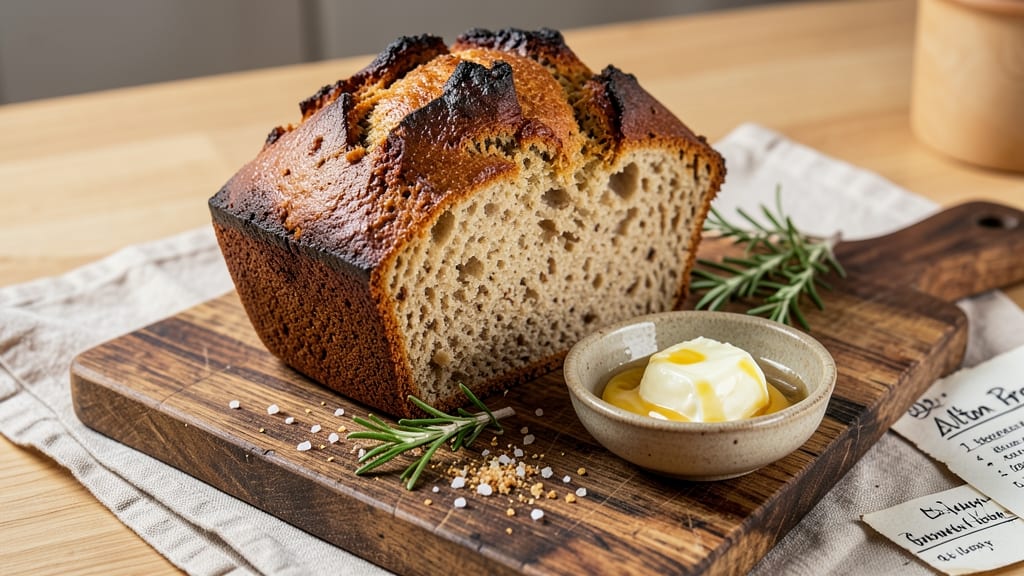
Alton Brown's beer bread recipe delivers that perfect crusty crunch outside and pillowy softness inside—no fancy equipment needed. 🔥 The secret lies in a simple dough that bakes up golden and tender, with a crispy crust that's impossible to resist.
This recipe has become a staple in my kitchen, offering the ideal texture and flavor for any meal.
The beauty of this beer bread is its simplicity: just a few ingredients—flour, beer, butter, and a pinch of salt—come together to create something extraordinary. The beer adds depth and moisture, while the butter ensures that signature tender crumb.
Baking it in a loaf pan gives it that classic shape, but you can also shape it into rolls for a different twist.
What makes this recipe truly special is how it transforms basic ingredients into a foolproof side dish that pairs perfectly with soups, stews, or even as a standalone snack.
The aroma of freshly baked bread fills your kitchen, making it impossible to wait until it's ready. Once you try this version, you'll never go back to store-bought.
The key to success is letting the dough rest before baking, which allows the gluten to relax and the texture to develop fully. With just 20 minutes of prep and 25 minutes in the oven, you'll have a warm, inviting loaf that's worth every bite.
Let's get started on making this classic recipe your new favorite.
Ingredients for alton brown beer bread
Four simple ingredients transform into Alton Brown's legendary beer bread—crusty outside, tender inside.
| Ingredient | Amount | Notes |
|---|---|---|
| All-Purpose Flour 🌾 | 3 cups | Sifted for even texture |
| Unsalted Butter 🧈 | ½ cup | Cold, cubed for easier mixing |
| Light Beer 🍺 | 1 cup | Room temperature, no head |
| Kosher Salt 🧂 | 1 ½ tsp | Diamond Crystal preferred |
| Baking Powder 🍞 | 1 tsp | Freshly opened for lift |
| Garlic Powder 🧄 | ½ tsp | For subtle depth |
| Dried Parsley Flakes 🌿 | ½ tsp | For fresh flavor |
| Olive Oil 🫒 | 1 tbsp | For greasing pan |
The beer is non-negotiable here—light lagers or pale ales work best, but any chilled beer in a pinch. I usually grab Bud Light or Corona from the store, but craft beers with more flavor add extra depth. The butter? Cold and cubed is key—don't melt it, or the dough gets gummy. Flour matters too: King Arthur or Gold Medal brands give the best rise. If you're short on time, pre-sifted flour from the store works, but sifting at home ensures no lumps.
No beer? Warm water with 1 tsp lemon juice mimics the moisture, though the flavor won't be identical. Short on butter? Coconut oil or vegan butter works, but traditional butter gives that signature richness. The garlic powder and parsley flakes are optional but worth it for that extra layer of flavor. For a herb twist, swap parsley for dried rosemary at half the amount. And if your baking powder's older than a year? Test it first—it loses potency fast. Store it in an airtight container away from heat.
This dough needs 20 minutes of rest—don't skip it! Shape it into a loaf or rolls, then bake until golden. The bread reheats beautifully: 5 minutes at 350°F in foil revives that fresh-from-the-oven feel. Leftovers keep 3 days wrapped at room temp or 1 week in the fridge. For longer storage, slice and freeze—3 months in a sealed bag. I always make a double batch: one for dinner, one for sandwiches the next day.
Why You'll Love This Recipe
- Five-Ingredient Magic: I swear, this recipe lives up to its name—just flour, butter, beer, salt, and baking powder. That’s it. The beer’s maltiness cuts through the richness of the butter, and the crust? Chef’s kiss. It’s the kind of dish where you won’t believe how little effort makes it so good.
- Crispy-Creamy Obsession: The outside cracks like a perfect breadstick, while the inside stays tender and moist—no dry, sad loaves here. Honestly, I’ve tried store-bought beer bread, and this outshines it every time. The salt and beer balance makes it taste like a hug from a bakery.
- Game-Day Sidekick: Between us, this is my go-to for tailgates, Super Bowl parties, or even lazy Sundays. It’s hearty enough to stand alone but pairs perfectly with chili, burgers, or just butter and jam. (Yes, even on a Tuesday night.)
Step-by-step instructions for alton brown's beer bread
Here's the method that delivers that perfect crusty exterior with a soft, airy interior.
👨🍳 Step 1: Prep Ingredients for Perfect Texture
Start by sifting the 3 cups all-purpose flour into a large mixing bowl. This ensures even distribution and prevents dense pockets in your bread. In a separate small bowl, whisk together the 1.5 teaspoons kosher salt, 1 teaspoon baking powder, 0.5 teaspoon garlic powder, and 0.5 teaspoon dried parsley flakes. I like to use a fine-mesh sieve for the dry ingredients—it makes mixing easier and creates a lighter texture.
Cut the 0.5 cup unsalted butter into small cubes and let them sit at room temperature for 10 minutes before mixing. Cold butter creates steam when it hits the hot oven, which helps create that signature crust. Pour the 1 cup light beer into a separate measuring cup and let it sit at room temperature—this prevents the yeast from activating prematurely (even though we're not using yeast, the beer's temperature affects the final texture).
🍳 Step 2: Mix Until Just Combined
Add the dry ingredients to the sifted flour and stir with a wooden spoon until evenly distributed. Cut in the cold butter cubes using a pastry cutter or your fingers, working until the mixture resembles coarse crumbs with pea-sized butter pieces remaining. This texture is crucial—you want to preserve some butter chunks for flavor and moisture.
Make a well in the center and pour in the room-temperature beer. Using a fork or wooden spoon, gently mix until just combined. You'll see wet flour clinging to the sides of the bowl—this is normal. Overmixing develops gluten, which can make the bread tough. Stop mixing as soon as the dough comes together into a shaggy mass.
🥘 Step 3: Shape and Prepare the Loaf Pan
Lightly grease a 9x5-inch loaf pan with the 1 tablespoon olive oil, making sure to coat the bottom and sides thoroughly. This prevents sticking and helps create that perfect pull-apart texture. Transfer the dough to the prepared pan and spread it evenly using a wet spatula or your hands. Press down gently but firmly—you want the dough to be about 1-inch thick in the pan.
Smooth the top with the back of a spoon, creating a slightly domed shape. This helps the bread rise evenly in the oven. Don't worry if it looks uneven—it'll expand beautifully during baking. Let the dough rest at room temperature for 10 minutes while you preheat your oven to 375°F. This resting period allows the flour to fully hydrate and the butter to soften slightly, ensuring even baking.
🔥 Step 4: Bake Until Golden and Crusty
Place the loaf pan in the center rack of your preheated oven and bake for 50-55 minutes. You'll know it's done when the top is deep golden brown and a toothpick inserted into the center comes out clean (or with just a few moist crumbs). The edges should pull away slightly from the pan, indicating proper crust formation.
Here's the thing—don't open the oven door during the first 30 minutes of baking. The steam inside is what creates that perfect crust. If you peek too early, you'll lose that steam and end up with a dense loaf. The beer bread should have a crispy, crackly crust on top and bottom, with a soft, pillowy interior that's just slightly chewy—like a cross between bread and cake.
⏰ Step 5: Cool and Serve Warm
Remove the bread from the oven and let it cool in the pan for 5 minutes. Then carefully transfer it to a wire rack. This cooling step is important—it allows the bread to set properly and prevents a gummy texture. The bread is best served warm, so slice it while it's still slightly steaming from the oven.
For serving, I like to cut the bread into 1-inch thick slices using a serrated knife. The crust should be crispy enough to hold its shape when toasted, while the interior remains soft and moist. Serve immediately with your favorite butter or as a side to soups and stews. Any leftovers can be reheated in the oven at 350°F for 5-10 minutes to restore that crispy crust.
Pro Tips For Making Alton Brown Beer Bread
- STIR THE BUTTER HARD: Alton’s recipe calls for cold butter cut into the dry ingredients, but don’t go by feel—use a pastry cutter or two forks to work it until the mix looks like coarse cornmeal. I used to eyeball it and ended up with gummy bread. This step guarantees pockets of butter that melt into flaky layers.
- CHILL THE DOUGH: After mixing, let the dough sit at room temp for 10 minutes, then refrigerate for at least 30 minutes. Cold butter behaves better when it hits the oven, and this prevents the bread from spreading into a pancake. (Yes, I’ve seen it happen—twice.)
- DON’T OVERMIX THE BEER: Once you add the beer, stop stirring the second the flour is just moistened. Overmixing develops gluten, and this bread should be tender, not chewy. Think "shaggy" like wet hair, not "doughy" like pizza crust.
- BAKE UNTIL 205°F: The recipe says "golden brown," but don’t pull it out until the internal temp hits 205°F—this ensures the center is fully set and the texture is light. I learned this after cutting into a raw middle that tasted like wet cardboard. A thermometer is worth it.
Troubleshooting this recipe
Dense or Gummy Bread
If your beer bread turns out dense or gummy, the issue likely stems from overmixing the dough. When you mix too vigorously, you develop too much gluten, which creates a tough texture.
To fix this, mix just until the ingredients come together—stop as soon as the dough forms a shaggy mass. Also, ensure your butter is cold but not frozen; it should soften slightly but still hold its shape when cut.
If you're short on time, skip the 10-minute rest before baking, but this can sometimes lead to uneven texture. 🔥
Pale or Uneven Color
A pale or unevenly colored loaf usually means the oven temperature wasn't consistent or the bread didn't bake long enough. Preheat your oven for at least 15 minutes before baking to ensure even heat distribution. If your oven runs hot or cold spots, rotate the pan halfway through baking.
For extra color, broil the bread for 1-2 minutes at the end of baking—just watch it closely to avoid burning. A toothpick test is your best friend here: it should come out clean or with a few moist crumbs.
Crust Too Soft or Crackly
If the crust isn't crispy enough, it’s likely due to moisture loss during baking. Avoid opening the oven door during the first 30 minutes—this traps steam, which is essential for that crackly crust.
For an extra-crispy finish, place the baked loaf on a wire rack and broil for 1-2 minutes after removing it from the oven. If your crust is too soft, try increasing the oven temperature by 25°F for the last 10 minutes of baking.
A light spray of water on the dough before baking can also help create a better crust.
Bread Collapsed or Didn’t Rise
A collapsed loaf often happens when the baking powder is old or the dough wasn’t shaped properly. Always check the expiration date on your baking powder—if it’s older than 6 months, replace it.
Before baking, press the dough firmly into the pan to create a solid base, and smooth the top with a spoon to encourage even rising. If your oven isn’t hot enough, the bread may not rise properly.
Use an oven thermometer to confirm it’s at 375°F—many home ovens run 25°F lower than the set temperature.
Beer Flavor Too Strong or Weak
The beer’s flavor can overpower or disappear depending on the type and how much you use. For a balanced flavor, stick to light lagers or pale ales—they’re mild enough to complement the bread without dominating.
If the beer flavor is too strong, reduce the amount to ¾ cup and add ¼ cup warm water instead. For a weaker beer flavor, use a darker beer like stout (it adds depth without overpowering) or let the dough rest longer before baking to mellow the taste. 🍺
Nutrition facts
Frequently asked questions
Can I substitute beer with another liquid?
Yes, but the flavor will change. For a neutral substitute, use 1 cup warm water with 1 teaspoon lemon juice to mimic beer's acidity. For a richer taste, try 1 cup buttermilk or 1 cup milk with 1 teaspoon vinegar. Avoid using cold liquids—they can make the dough too stiff and affect texture.
Why does my beer bread turn out dense?
Overmixing is the most common culprit—stop stirring as soon as the dough comes together. Another issue could be cold butter (should be room temp but not melted) or old baking powder. Let the dough rest for 10 minutes before baking to help it develop properly. If it's still dense, try pressing it slightly firmer into the pan.
How do I make this beer bread gluten-free?
Replace the all-purpose flour with a 1:1 gluten-free baking flour blend (like Bob's Red Mill). Add ½ teaspoon xanthan gum to help bind the dough. You may need 1-2 extra tablespoons of liquid since gluten-free flours absorb differently. The texture will be slightly denser but still delicious.
Can I make this in a different shape?
Shape the dough into rolls for beer bread buns, or form into a free-form loaf on a baking sheet for a rustic look. For rolls, bake at 375°F for 15-18 minutes until golden. Just adjust baking times based on thickness—thinner shapes bake faster.
How long can I keep homemade beer bread?
Store wrapped at room temperature for 3 days, or refrigerate for 1 week in an airtight container. For longer storage, slice and freeze for up to 3 months. To reheat, wrap slices in foil and warm at 350°F for 5 minutes to restore crispiness.