
Side Dishes
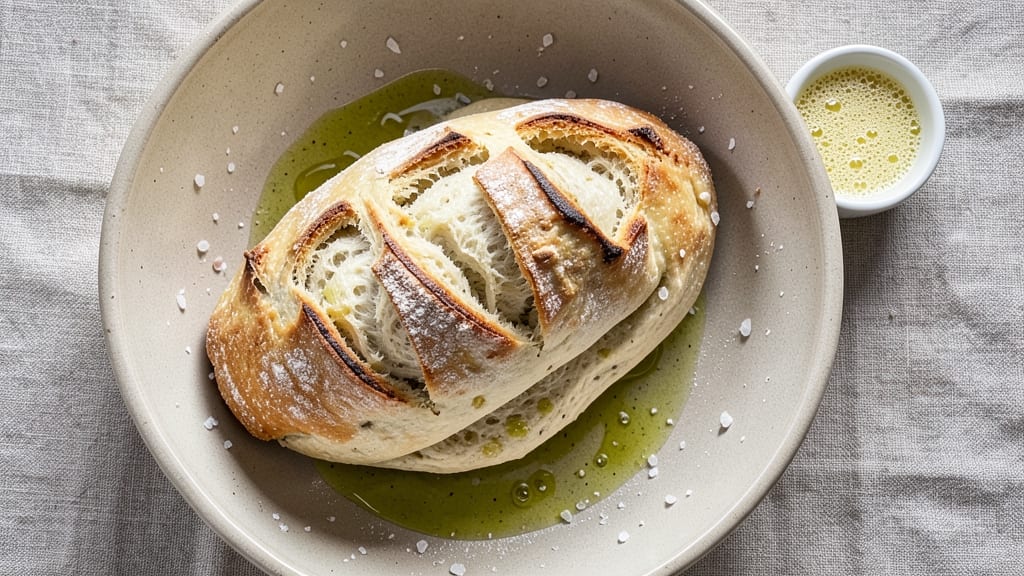
Alton Brown's Italian bread recipe delivers restaurant-quality crust and crumb without the kneading marathon. This method transforms simple ingredients—flour, water, yeast, olive oil, and salt—into artisanal loaves with a crisp exterior and airy interior. The secret? A foil-sealed steam bath that mimics professional baking techniques, ensuring perfect results every time.
What sets this recipe apart is its precision and accessibility. Alton Brown’s signature approach combines traditional methods—like Dutch oven baking—with modern convenience, eliminating the need for hours of kneading.
The dough develops naturally during proofing, creating that signature open crumb structure that’s impossible to resist. The result is bread so good, you’ll swear you’ve been baking for years.
This technique works beautifully for both beginners and seasoned bakers. The dough is forgiving, and the steam method ensures consistent results, even if your kitchen isn’t perfectly humid. Whether you’re making bread for a family dinner or impressing guests, this recipe delivers professional-quality loaves with minimal effort.
The crust will be crisp, the crumb will be tender, and the aroma will fill your home with the scent of fresh-baked Italian bread.
Once you master this method, you’ll never buy store-bought bread again. The versatility of this recipe means you can shape it into classic boules, rustic batards, or even flatbreads—all with the same foolproof technique. Let’s get started on creating bread that tastes like it belongs in a Parisian bakery.
Ingredients for alton brown italian bread
Simple ingredients elevated by Alton Brown's foolproof steam technique for restaurant-quality Italian bread at home.
| Ingredient | Amount | Notes |
|---|---|---|
| All-Purpose Flour 🌾 | 5 cups | Unbleached, high-protein preferred |
| Active Dry Yeast 🍞 | 2 ¼ tsp | Fresh yeast at 1.125 tsp |
| Extra-Virgin Olive Oil 🫒 | ½ cup | High-quality, fruity variety |
| Granulated Sugar 🍚 | 1 tbsp | For yeast activation |
| Warm Water 💧 | 1 ¼ cups | 110°F for optimal yeast activation |
| Diamond Crystal Kosher Salt 🧂 | 1 ½ tsp | Adjust to taste |
| Cornmeal 🌽 | ¼ cup | For dusting work surface |
| Heavy Cream 🥛 | ¼ cup | For steam bath (optional) |
| Heavy-Duty Aluminum Foil 📄 | 1 sheet | For steam seal |
| Coarse Sea Salt 🧂 | ½ tsp | For topping |
| Sesame Seeds 🌻 | 1 tbsp | Optional garnish |
| Italian Herb Blend 🌿 | 1 tbsp | Optional finishing touch |
The flour is the foundation—King Arthur or Caputo Tipo 00 deliver the best texture, but Bob's Red Mill all-purpose works in a pinch. Yeast quality matters: Saf-Instant or Red Star are reliable brands, but test freshness by dropping a pinch in warm water with sugar—it should foam within 5 minutes. Extra-virgin olive oil should have a fruity aroma and peppery finish—avoid the cheap supermarket brands. Warm water is critical: too hot kills yeast, too cold slows activation. Use a thermometer to confirm 110°F. For salt, Diamond Crystal kosher dissolves more easily than table salt—measure carefully as it's less dense.
No Italian herb blend? Dried basil, oregano, and thyme (1 tsp each) mimic the flavor profile. Substitute 1 tbsp melted butter for olive oil if preferred, though it may slightly alter crust color. For yeast activation issues, proof the yeast separately in warm water with sugar before mixing with flour. The cornmeal isn't just for dusting—it creates a crisp barrier between dough and parchment. For the steam bath, heavy cream in a ramekin works better than water for prolonged steam. Preheat your Dutch oven with the lid on for 45 minutes to maximize steam effect.
Store baked loaves in a bread box or cotton towel-lined basket for up to 5 days to maintain freshness. For longer storage, freeze wrapped loaves for up to 3 months—thaw at room temperature. The Italian herb blend keeps for 6 months in an airtight container. The foil-sealed method creates a self-steaming environment that preserves moisture for 3-4 days longer than traditional baking. For reheating, wrap cooled bread in foil and warm at 350°F for 10 minutes to restore crispness.
Why You'll Love This Recipe
- Five-Ingredient Magic: I swear, this is the kind of recipe that makes me feel like a baking genius—just flour, yeast, olive oil, sugar, and water. No fancy add-ins, no stress, and the dough comes together faster than I can wipe flour off my counter.
- Crust So Good: That golden, shatteringly crisp crust with a pillowy soft interior? It’s the olive oil’s fault—Alton’s method of brushing it on just before baking turns this into the best bread for dipping in soup or slathering with butter. No regrets.
- Weeknight Hero: I keep a batch in the fridge for days—perfect for quick sandwiches, toast, or even French toast. Between us, it’s my go-to for when I forget to buy bread and when I suddenly remember I’m hosting.
- Budget Stretch: A single batch costs less than two store-bought loaves, and it lasts longer. The yeast is cheap, the flour is cheap, and the olive oil? A little goes a long way. Honestly, it’s the kind of recipe that makes me question why I ever bought pre-made bread.
Step-by-step instructions for Alton Brown's Italian bread
Master this no-knead technique for artisanal-quality Italian bread with crisp crust and airy crumb.
Activate the Yeast and Mix the Dough
In a large mixing bowl, combine the 1.25 cups warm water (tested at 110°F) with the 1 tbsp granulated sugar and 2.25 tsp active dry yeast. Let this mixture sit for 5-10 minutes until it becomes frothy and bubbly—this confirms the yeast is alive and ready to work. If it doesn't bubble, your yeast may be dead, and you'll need to start over.
Once bubbly, add the 5 cups all-purpose flour and 1.5 tsp diamond crystal kosher salt to the bowl. Using a wooden spoon or dough whisk, stir until a shaggy dough forms. Then add the 0.5 cup extra-virgin olive oil and mix vigorously until the dough comes together. The dough should be soft but slightly tacky—if it's too dry, add 1 teaspoon warm water at a time until it reaches the proper consistency.
Shape and Seal the Dough in Foil
Lightly dust a clean work surface with the 0.25 cup cornmeal to prevent sticking. Turn the dough out onto the surface and gently shape it into a loose rectangle about 12x8 inches. Fold one of the long sides toward the center, then fold the opposite side over the first fold. Repeat this process once more, creating a compact rectangular shape with four distinct layers.
Place the shaped dough onto a sheet of the heavy-duty aluminum foil, seam-side down. Fold the foil up around the dough, sealing it completely like a foil packet. This creates a steam bath during baking, which is essential for that signature Italian bread crust. Leave the foil package on the counter to rise at room temperature for 1-2 hours until the dough has nearly doubled in size.
Preheat and Prepare for Baking
Preheat your oven to 425°F with a baking stone or inverted baking sheet inside. The stone should be fully preheated for at least 30 minutes before baking—this ensures even heat transfer and proper crust formation. While the oven preheats, prepare a baking tray by brushing it lightly with the 0.25 cup heavy cream using a pastry brush. This creates steam during baking for an extra-crisp crust.
Once the dough has risen, carefully remove it from the foil and place it onto the prepared baking tray. Use a sharp knife or razor to score the top of the dough in a simple crosshatch pattern, about ¼-inch deep. This allows the bread to expand properly and develop a crisp, golden crust. Sprinkle the scored surface with the 0.5 tsp coarse sea salt and, if using, the 1 tbsp sesame seeds and 1 tbsp Italian herb blend.
Bake with Steam for Crispy Perfection
Transfer the baking tray to the preheated oven and bake for 25-30 minutes until the crust is deep golden brown and the internal temperature reaches 190-200°F. The bread should sound hollow when tapped on the bottom—this indicates proper doneness. If the crust isn't browning quickly enough, tent the bread with a piece of foil to prevent over-browning while it finishes cooking inside.
Remove the bread from the oven and let it cool on a wire rack for at least 15 minutes before slicing. This resting period allows the crumb to set and prevents a gummy texture. The crust should be crisp and shatterable, while the interior should be soft and airy with an open crumb structure. Serve warm with olive oil and your favorite dipping sauce.
Pro Tips For Making Alton Brown Italian Bread
- WEIGH YOUR FLOUR: I learned this the hard way—measuring flour by scooping from the bag packs too much air, and your dough ends up denser than a brick. For Alton’s recipe, use a kitchen scale for precise 450g (about 4 cups). The difference in texture is night and day.
- TEST THE YEAST FIRST: Skip the guesswork: mix 1 packet of yeast, 1 tsp sugar, and ¼ cup warm water (110°F) in a small bowl. If it doesn’t foam within 10 minutes, your yeast is dead—no amount of waiting will fix it. Grab a fresh packet; it’s not worth the risk.
- STRETCH, DON’T PUNCH: After the first rise, resist the urge to knead like you’re mad at the dough. Instead, gently stretch and fold the edges toward the center, rotating the bowl 90 degrees each time. This builds strength without overworking the gluten—your bread will stay tender, not chewy.
- STEAM THE OVEN: Before baking, place a baking sheet on the lower rack and pour ½ cup water into it. When you load the dough, slam the door shut and let the steam work for 5 minutes. This mimics a pizza oven and guarantees that crispy, golden crust you’re after—no sad, pale loaves here.
Serving suggestions for this recipe
Classic Olive Oil Dipping
This bread practically begs for a simple but luxurious olive oil dip. I whisk together ½ cup high-quality extra-virgin olive oil (like California Gold or Colavita), 1 tsp balsamic vinegar, and a pinch of flaky sea salt.
Drizzle generously over warm slices—this elevates every bite with Mediterranean brightness. 🫒
Tomato Basil Soups
Pair your Italian bread with a creamy tomato basil soup for the ultimate comfort meal. Simmer 4 cups crushed San Marzano tomatoes, 1 cup vegetable broth, 2 cloves roasted garlic, and ¼ cup heavy cream until velvety.
Garnish with fresh basil and serve with bread for dipping. The acidity cuts through the bread's richness beautifully.
Prosciutto & Fig Jam
For a sweet-savory combination, layer thinly sliced prosciutto di Parma with 2 tbsp fig jam (I love Bon Appétit brand) on warm bread slices. The salty prosciutto and fruity jam create a perfect balance. Add a sprinkle of crumbled gorgonzola for extra depth if you're feeling fancy.
Margherita Pizza Topping
Turn your bread into a quick pizza base! Spread with ¼ cup tomato sauce, ½ cup shredded fresh mozzarella, 2-3 fresh basil leaves, and a drizzle of olive oil. Bake at 400°F for 8-10 minutes until cheese bubbles. This makes an impressive appetizer with minimal effort.
Breakfast Pairings
Warm slices make fantastic breakfast companions. Serve with ricotta cheese spread, sliced pear, and a sprinkle of cinnamon for a sweet morning treat. Or try a savory combo with crumbled feta, sliced cucumber, and a drizzle of olive oil for a Greek-inspired breakfast sandwich.
Wine & Beer Pairings
For wine lovers, a crisp Italian Pinot Grigio complements the bread's olive oil richness. For beer enthusiasts, a Belgian witbier like Hoegaarden offers citrusy notes that cleanse the palate. Avoid heavy reds—they'll overpower the delicate crust. 🍷
Nutrition facts
Frequently asked questions
Why does this recipe use foil for steaming?
The foil creates a sealed steam environment that mimics professional bakery techniques. This method traps moisture during baking, producing that signature crisp crust while keeping the interior tender and airy. Without it, you'll get a denser loaf with less dramatic color development.
Can I substitute all-purpose flour for bread flour?
Yes, but expect slightly different results. Bread flour has more protein, which creates a tighter crumb structure. For this recipe, stick with all-purpose for that open, airy texture Alton Brown achieves. If you must use bread flour, reduce by 1-2 tablespoons to maintain the same dough consistency.
What if my dough doesn't rise properly?
Check your yeast first—it should foam within 5-10 minutes in warm water with sugar. If not, your yeast is dead. Also ensure your kitchen is warm (ideally 75°F+) and your dough is in a draft-free spot. For extra insurance, proof the dough in a slightly warm oven with the light on.
How do I store leftovers to keep them fresh?
Store in an airtight container or bread bag at room temperature for 2-3 days. For longer storage, freeze wrapped loaves for up to 3 months. To revive, wrap in foil and warm at 350°F for 10 minutes. The foil-sealed method actually preserves freshness longer than traditional baking!
Can I make this bread without a Dutch oven?
Yes! Use a heavy baking sheet with a rim or even a pizza stone. For extra steam, place a metal bowl of boiling water on the lower oven rack. The foil sealing still works wonders—just expect slightly less dramatic crust development without the Dutch oven's contained heat.