
Desserts
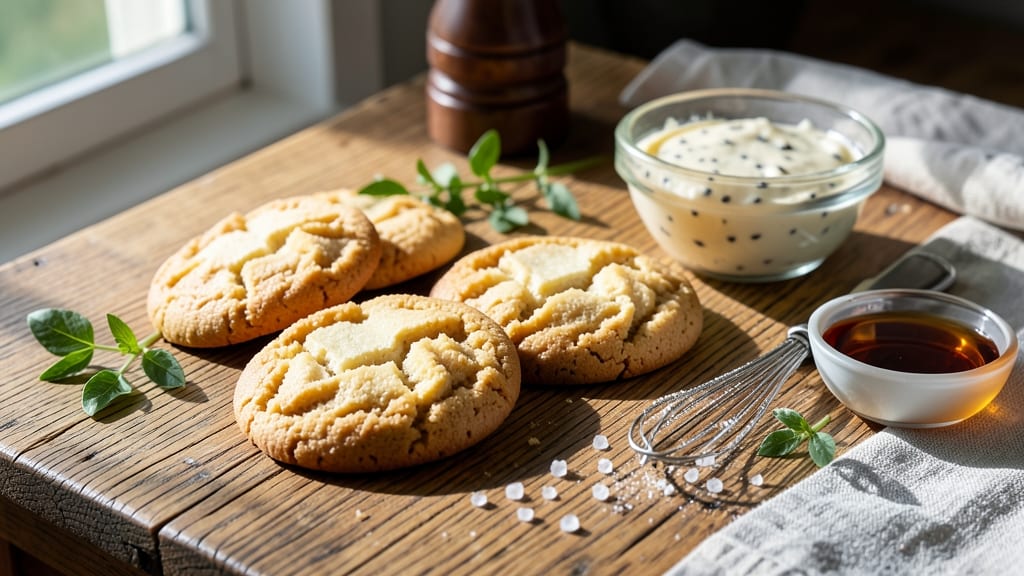
Alton Brown's shortbread cookie recipe delivers the perfect balance of buttery crunch and melt-in-your-mouth tenderness, with a signature vanilla-infused twist that sets it apart. This isn't your grandmother's shortbread—it's a foolproof method for achieving restaurant-quality results at home, using precise measurements and expert techniques to create those coveted layers of texture. The secret lies in the ratio of butter to flour and the proper creaming process, both of which Alton Brown has perfected over years of testing.
What makes this recipe truly special is the way the dough develops its signature crumbly yet tender texture while maintaining a crisp edge. The vanilla infusion adds depth without overpowering the buttery base, creating cookies that are elegant enough for holiday gifting but simple enough for a weeknight treat.
Unlike traditional shortbread, these cookies have a subtle sweetness that enhances rather than masks the rich butter flavor.
By the time you pull these golden-brown cookies from the oven, you'll have achieved that perfect balance of crispness and melt-in-your-mouth softness that makes them irresistible.
The aroma alone will have everyone in your kitchen asking for the recipe, and the first bite delivers on all the promises of buttery perfection. This is the kind of dessert that transforms any occasion into something special.
The best part? These cookies are incredibly versatile—dip them in chocolate for a decadent twist, add citrus zest for brightness, or keep them classic with just a dusting of powdered sugar.
The method is designed to be repeatable, so you'll get consistent results every time. Let's get started on creating your own batch of these legendary cookies.
Ingredients for alton brown shortbread cookie
Eight essential ingredients transform into Alton Brown's legendary buttery vanilla shortbread cookies.
| Ingredient | Amount | Notes |
|---|---|---|
| Unsalted Butter 🧈 | 2 cups | Cold, cut into cubes (8 oz total) |
| All-Purpose Flour 🌾 | 3 cups | Sifted, plus extra for dusting |
| Granulated Sugar 🍚 | ½ cup | Superfine preferred for even texture |
| Pure Vanilla Extract 🌿 | 1 tbsp | High-quality, Madagascar bourbon preferred |
| Diamond Crystal Kosher Salt 🧂 | ½ tsp | Fine grain for even distribution |
| Vanilla Bean Seeds 🌸 | 1 whole | Scraped from high-quality pod |
| Powdered Sugar 🍚 | ¼ cup | For dusting, plus extra for garnish |
| Heavy Cream 🥛 | ½ cup | Cold, for brushing (optional) |
| Almond Extract 🌰 | ¼ tsp | Optional, for depth (not traditional) |
The butter is non-negotiable—European-style unsalted butter with 82% fat content is ideal, but Plugrá or Land O'Lakes Cultured Butter work beautifully too. Grab it from Whole Foods or your local specialty grocer, and make sure it's cold before you start. The vanilla isn't just extract here; scraping seeds from a Madagascar bourbon vanilla bean adds that professional depth. If you're splurging, Burlap & Barrel sells them online. For the flour, King Arthur or Gold Medal brands are your best bet—they bake consistently. And trust me on the superfine sugar: it dissolves better than regular granulated.
No vanilla bean? Double the extract and add a pinch of ground vanilla bean powder if you can find it. Running short on butter? Coconut oil solidified in the freezer works in a pinch (though texture will differ slightly). The almond extract is optional but adds that sophisticated touch—Goya or McCormick brands are reliable. For the powdered sugar, Domino is the gold standard, but any brand will do. Pro tip: toast your almond extract lightly in a dry pan for 30 seconds to deepen its flavor—game-changer for vanilla lovers.
Store the dough in an airtight container between parchment-lined layers for up to 3 days in the fridge. For longer storage, wrap the dough log tightly in plastic and freeze for up to 3 months. Once baked, these cookies keep their crispness for 5 days in an airtight tin. The secret to reheating? A 30-second blast in the microwave with a damp paper towel restores that fresh-from-the-oven crunch. And if you make extras? Vacuum-seal them—they'll stay perfect for weeks.
Why You'll Love This Recipe
- Four-Handed Mix: I swear by this method—just two bowls, a fork, and five minutes of mashing butter and sugar until it’s just soft. No stand mixer, no fuss, and honestly? The texture comes out so much better than anything I’ve tried with food processors.
- Butter-Sugar Magic: That moment when you press the dough into the pan and the edges turn golden while the center stays tender? It’s like biting into a cloud with a crispy hug. The vanilla? Subtle but there—just enough to make it feel special without overpowering.
- Holiday or Zero Effort: Between us, I make these for Christmas gifts, but I also keep a batch in the freezer for lazy Mondays. Wrap them in parchment, tie with twine, and boom—you’ve got a present. Or just grab one straight from the fridge when you need a pick-me-up.
- Pantry Staple Power: Five ingredients, all things I already buy. The butter and sugar are the stars, but that pinch of kosher salt? It’s the secret that makes them taste premium without costing a fortune. Plus, they last weeks in an airtight container—no sad, stale cookies here.
Step-by-step instructions for Alton Brown shortbread cookies
Here's how to craft these legendary cookies with their signature buttery crunch and vanilla layers—every detail matters.
Create the Vanilla-Infused Butter Base
In a stand mixer fitted with the paddle attachment, combine the 2 cups unsalted butter (cold and cubed) with the 0.5 cup granulated sugar, 1 tbsp pure vanilla extract, and 0.25 tsp almond extract (if using). Mix on medium speed for 3-4 minutes until the mixture becomes pale and fluffy. This step is crucial—it incorporates air and evenly distributes the vanilla flavor throughout the butter.
Here's the thing—cold butter is essential. If your butter starts to melt during mixing, chill the bowl in the freezer for 5 minutes before continuing. You want the butter to remain firm enough to hold its shape when rolled out later. Scrape down the sides of the bowl occasionally to ensure even mixing.
Incorporate Dry Ingredients for Perfect Texture
In a separate bowl, whisk together the 3 cups all-purpose flour and 0.5 tsp diamond crystal kosher salt. Sift the mixture directly into the mixer bowl with the butter mixture, then mix on low speed for 1-2 minutes until just combined. The dough should come together but still feel slightly crumbly—this is ideal for shortbread.
Don't overmix here. Overworking the dough develops gluten, which can make your cookies tough instead of tender. Once combined, remove the dough from the mixer and gently fold in the 1 whole vanilla bean seeds (scraped from a high-quality pod) using a silicone spatula. The seeds will add subtle depth of flavor as they infuse during baking.
Chill the Dough for Optimal Shape and Flavor
Divide the dough into 4 equal portions (about 1 cup each) and flatten each into a 4-inch round disc. Wrap each disc tightly in plastic wrap and refrigerate for at least 1 hour (or up to 24 hours). Chilling is non-negotiable—it firms up the butter, prevents excessive spreading, and allows the vanilla flavors to meld.
Pro tip: If you're short on time, freeze the discs for 30 minutes instead of chilling. The key is ensuring the dough is cold when you roll it out. Cold dough = crisp edges and clean cuts. This step also makes the dough easier to handle when you're ready to cut the cookies.
Roll and Cut for Perfectly Uniform Cookies
Preheat your oven to 325°F and line two baking sheets with parchment paper. On a lightly floured surface, roll one of the chilled dough discs into a ⅛-inch thick circle (about 10 inches in diameter). Use a 3-inch round cutter to cut out cookies, then reroll the scraps and cut more cookies until you've used all the dough.
For even baking, place the cut cookies 1 inch apart on the prepared baking sheets. The ⅛-inch thickness is critical—any thicker, and they'll be cakey; any thinner, and they'll burn before baking through. Gather any remaining scraps, reroll, and cut additional cookies until all the dough is used.
Bake to Golden Perfection and Finish with Cream
Bake the cookies for 18-22 minutes until the edges are just beginning to turn golden (they'll continue browning as they cool). Rotate the baking sheets halfway through for even baking. The centers should still look slightly underdone—they'll firm up as they cool.
Here's where it gets fun: Immediately after removing the cookies from the oven, brush the tops with the 0.5 cup cold heavy cream (if using) for that signature glossy finish. While still warm, dust the tops generously with 0.25 cup powdered sugar for a snowy appearance. Let the cookies cool on the baking sheets for 10 minutes before transferring to a wire rack to cool completely.
These cookies will keep in an airtight container at room temperature for up to 5 days, though they rarely last that long. The buttery crunch and vanilla layers make them irresistible—perfect for gifting or enjoying with a cup of tea.
Pro Tips For Making Alton Brown Shortbread Cookie
- Chill the Dough Hard: I learned this the hard way—skipping the fridge for 30 minutes (or overnight) means your cookies will spread like a lazy Sunday morning. The butter needs time to firm up, or you’ll end up with sad, flat discs instead of those perfect, buttery rounds.
- Use a Scale, Not Cups: Flour is a liar when measured by volume. Packing it too tight or scooping too loosely throws off the butter-to-flour ratio, which is the whole point of this recipe. Weigh it out—200 grams of flour makes all the difference.
- Salt the Butter First: Diamond Crystal kosher salt dissolves differently than table salt, and mixing it in after creaming the butter and sugar means uneven distribution. Sprinkle it right into the softened butter before adding sugar—this guarantees every bite has that subtle, balanced flavor.
- Press for Even Thickness: This isn’t a sculpting project, but don’t get sloppy with the dough. Aim for about ¼-inch thickness when pressing into the pan—any thicker, and the centers stay doughy; any thinner, and you risk burning the edges. A bench scraper works better than your hands for clean lines.
Pro cooking tips for this dish
Butter Temperature Control
Cold butter is non-negotiable for perfect shortbread texture. Start with 2 cups unsalted butter cut into ½-inch cubes and chilled until firm—it should hold its shape when pressed. If your kitchen runs warm, place the butter bowl in the freezer for 10 minutes before mixing.
The goal is to maintain 60-65°F butter temperature throughout creaming. I use a thermometer probe inserted into the butter to monitor—this prevents melting during mixing. 🧈
Dough Chilling Mastery
Never skip chilling the dough discs! Wrap each 4-inch disc tightly in plastic and refrigerate for at least 1 hour, or freeze for 30 minutes if you're pressed for time. The butter must firm up completely—press a finger into the dough; if it springs back slowly, it's ready.
I've learned the hard way: skipping this step leads to spread cookies with sad, soggy centers. Pro tip: Place a dollar bill between the plastic layers to prevent sticking.
Precision Cutting Technique
Use a 3-inch round cutter (like the OXO Good Grips brand) for uniform cookies. Press straight down without twisting—this ensures clean edges and even baking. For extra crispness, dip the cutter in powdered sugar before each cut.
I roll the dough to exactly ⅛-inch thickness using a rolling pin with measurement markers—this consistency is what makes Alton's method foolproof. Place cut cookies 1 inch apart on parchment-lined sheets for perfect spacing.
Baking Time Secrets
Bake at 325°F for 18-22 minutes until edges are just golden—underbaking is better than overbaking. The centers should look slightly underdone; they'll firm up as they cool. Rotate baking sheets halfway through for even heat distribution.
I use an oven thermometer to verify my oven's accuracy—many home ovens run 25°F hotter than set. For extra shine, brush warm cookies with cold heavy cream immediately after baking.
Vanilla Infusion Hacks
For deeper vanilla flavor, scrape seeds from a Madagascar bourbon vanilla bean and fold them into the dough. For an extra boost, toast the vanilla bean seeds in a dry pan for 30 seconds before scraping.
I also like adding ½ tsp almond extract to the butter mixture—it complements the vanilla beautifully. If you don't have vanilla beans, double the extract and add a pinch of vanilla bean powder for that professional touch.
Texture Troubleshooting
If your cookies turn out cakey, your dough was likely too warm or overmixed. For crispier edges, roll the dough slightly thinner (⅛-inch max) and bake 1-2 minutes longer. If cookies spread too much, chill the dough longer or use more flour when rolling.
For extra crunch, bake at 350°F for 16-18 minutes—the higher temp promotes browning. And remember: shortbread should be tender but firm, never soft or gummy. 💡
Nutrition facts
Frequently asked questions
Why does Alton Brown's recipe use vanilla bean seeds instead of just extract?
Those tiny seeds pack a flavor punch that extract can't match! The seeds infuse subtle depth during baking, creating layers of vanilla flavor that extract alone misses. For best results, use a Madagascar bourbon vanilla bean—its complex aroma elevates the buttery richness. If you're short on time, double the extract and add a pinch of vanilla bean powder for that professional touch.
Can I make these cookies without a stand mixer?
Use a sturdy wooden spoon or your hands to cream the butter and sugar. Work the mixture for 5-7 minutes until light and fluffy, then proceed with the recipe. Just be patient—hand mixing requires more elbow grease. The key is keeping everything cold and working quickly to avoid melting the butter.
How do I prevent my shortbread from spreading too much?
Cold dough is your best friend! Chill the dough discs for at least 1 hour (or freeze for 30 minutes) before rolling. Use a ⅛-inch rolling pin for precise thickness, and press the cutter straight down without twisting. If your kitchen is warm, place the dough between parchment-lined trays in the fridge while you work.
What's the deal with brushing the cookies with heavy cream?
That glossy finish isn't just for looks—it adds a delicate sheen and subtle richness! Use cold heavy cream brushed on immediately after baking while the cookies are still warm. The cream seals in moisture and creates that signature professional look. For extra decadence, mix in ½ tsp vanilla extract with the cream before brushing.
Can I add mix-ins like chocolate chips or nuts?
While traditional shortbread keeps it simple, you can absolutely add mix-ins! For chocolate lovers, fold in ½ cup white chocolate chips or chopped dark chocolate. For texture, try ¼ cup toasted hazelnuts or pecans. Just press them lightly into the dough before cutting—don't overwork it. The key is keeping the dough cold to maintain that signature crumbly texture.