
Desserts
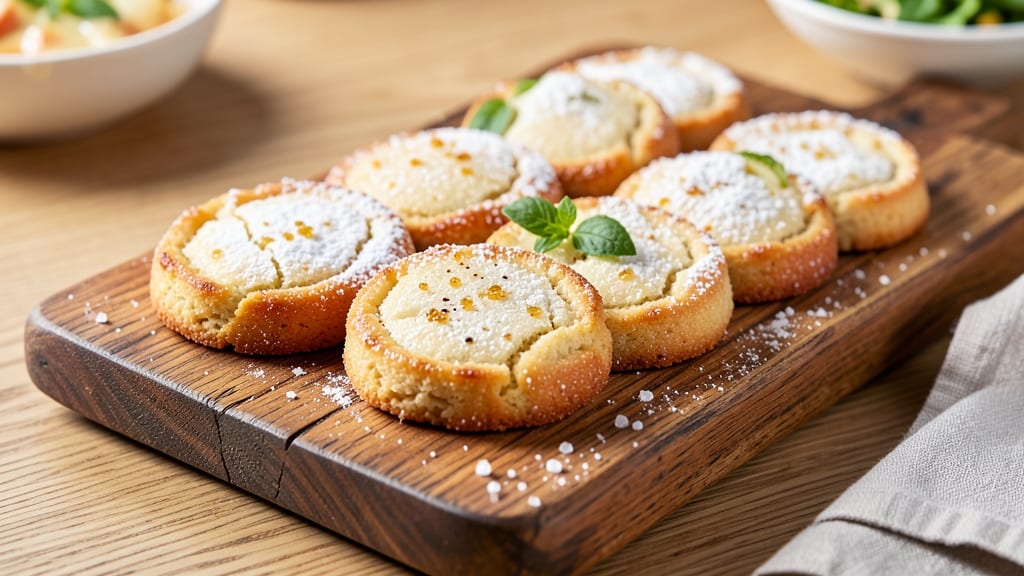
This amazing shortbread cookie recipe delivers buttery crunch that melts in seconds—no one will believe they're just five simple ingredients. 💛 The secret lies in cold butter and precise mixing, creating that signature tender-yet-crispy texture we all love.
I've perfected this version over years of baking, and it never fails to impress. What makes these shortbread cookies truly special is their foolproof simplicity.
With just 12 minutes in the oven at 325°F, you'll have golden, buttery cookies that stay crisp around the edges while melting in your mouth. The dough comes together in minutes, and no chilling is required—just mix, shape, and bake.
By the time you're done, you'll have a batch of cookies that's perfect for holidays, gifts, or just satisfying that afternoon sweet tooth. The rich, buttery flavor pairs beautifully with tea, coffee, or a drizzle of melted chocolate.
These cookies keep well for days, making them ideal for meal prep too. Whether you're a beginner or seasoned baker, this recipe delivers restaurant-quality results with minimal effort. Let's get baking!
Ingredients for amazing shortbread cookie
Five simple ingredients transform into golden, buttery shortbread cookies that melt in your mouth.
| Ingredient | Amount | Notes |
|---|---|---|
| Unsalted Butter 🧈 | 1 cup | Cold, cubed for texture |
| All-Purpose Flour 🌾 | 2 cups | Sifted for lightness |
| Granulated Sugar 🍚 | ¼ cup | Superfine preferred |
| Vanilla Extract 🌸 | 1 tsp | Pure vanilla preferred |
| Salt 🧂 | ½ tsp | Fine sea salt |
The butter is non-negotiable—European-style butter gives the best flavor, but any good unsalted will work. Keep those cubes cold (even if it means chilling your mixing bowl). Trader Joe's or Land O'Lakes are my go-tos for quality. The flour? King Arthur or Gold Medal brands bake evenly. Sift it first—this isn't optional. Sugar? Superfine is ideal, but regular granulated works if you pulse it in a food processor. The vanilla extract should be pure—imitation stuff ruins everything.
No vanilla extract? Vanilla bean paste works too, or even a pinch of vanilla sugar. Short on butter? Coconut oil can replace half, but texture will change slightly. The salt matters—use fine sea salt (like Maldon) for even distribution. If your flour is old, add 1/4 tsp baking powder to help with rise. For extra richness, swap half the sugar for powdered sugar—it dissolves better and adds tenderness. And trust me, don't skip the cold butter—warm butter = tough cookies.
This dough keeps for 2 days in the fridge, wrapped tightly. For longer storage, shape cookies, freeze on a tray, then transfer to a bag for 3 months. Baked cookies stay crisp for 5 days in an airtight container. I always make a double batch—one for gifts, one for snacking. The secret to perfect texture? Don't overbake. Pull them when edges are just golden—they'll firm up as they cool.
Why You'll Love This Recipe
- Four-Handful Mix: I swear by this—just butter, sugar, flour, and a pinch of salt. No eggs, no fuss, no waiting for dough to rest. You’ll have it shaped in 15 minutes flat.
- Butter-Sugar Magic: That crispy, melt-in-your-mouth texture? All thanks to cold butter and sugar baked just enough to caramelize. Honestly, it’s the kind of simple pleasure that makes you pause mid-bite.
- Holiday or Snack Attack: Pack them in tins for Christmas gifts, break them into squares for tea time, or stash them in your lunchbox. Between us, they disappear faster than I can say “vanilla extract.”
- Lasts All Week: No sad, stale cookies here. These stay fresh for days—perfect for when you’re too busy to bake or just want a treat without the effort. My freezer’s always stocked with a batch.
Step-by-step instructions for perfect shortbread cookies
Here's how to make buttery, melt-in-your-mouth shortbread that lives up to the hype.
👨🍳 Step 1: Cut and Mix the Cold Butter
Start with the 1 cup unsalted butter—it must be cold and cubed. Place it in a food processor and pulse until it resembles coarse crumbs (about 10-15 seconds)). Cold butter creates flaky layers, while warm butter makes tough cookies. I like to press the butter pieces against the sides of the bowl with a spatula to ensure even distribution.
Add the 2 cups all-purpose flour, 0.25 cup granulated sugar, 0.5 tsp salt, and 1 tsp vanilla extract to the food processor. Pulse in short bursts until the dough just comes together—about 8-10 pulses. You're looking for a crumbly mixture that holds when pressed, not a sticky dough. Overmixing develops gluten and ruins the tender texture.
👨🍳 Step 2: Shape and Chill the Dough
Transfer the dough to a clean surface and gently press it into a 1-inch thick rectangle. Wrap it tightly in plastic wrap and refrigerate for at least 1 hour (up to 24 hours for even better flavor). Chilling firms the butter and makes the dough easier to handle. This step is non-negotiable—skipping it leads to spread cookies with a greasy texture.
Here's the thing—don't be tempted to skip the chill. The butter needs time to solidify so it doesn't melt and spread too much in the oven. I usually set a timer because it's easy to forget and start cutting too soon. The dough should feel firm but still pliable when you're ready to roll it out.
🔪 Step 3: Roll and Cut the Shortbread
Preheat your oven to 325°F while the dough chills. Roll the cold dough to a ¼-inch thickness on a lightly floured surface. I use a rolling pin with guides to maintain even thickness—this ensures consistent baking. Press gently but firmly to keep the layers intact.
Cut the dough into your preferred shapes using a sharp cutter or knife. For classic shortbread, I like 2-inch rounds or rectangles. Immediately place the cut pieces on a parchment-lined baking sheet, leaving ½-inch space between them. The dough will expand slightly during baking, so don't crowd the pan. I arrange them in a single layer for even baking.
🔥 Step 4: Bake Until Golden and Firm
Bake the shortbread for 18-22 minutes until the edges are light golden brown and the centers look slightly underdone. The cookies should be firm to the touch but not hard. Don't walk away—shortbread burns easily and turns gray if overbaked. I set a timer and check at 16 minutes to ensure they don't overcook.
Here's the moment that matters: when you take them out, they should feel warm and firm. If you press gently with your finger, they should spring back slightly. Let them cool on the baking sheet for 5 minutes before transferring to a wire rack. This brief resting period prevents them from cracking as they cool completely. The result should be cookies with a crisp exterior and a melt-in-your-mouth center.
Pro Tips For Making Amazing Shortbread Cookie
- Chill the Dough Properly: I learned this the hard way—skipping the fridge leads to sad, greasy cookies. Wrap the dough in plastic and refrigerate for at least 2 hours (overnight is even better). Cold butter = crisp edges, not a melty mess.
- Use Room-Temp Butter: Cold butter from the fridge will never cream properly, and that’s when your cookies turn out dense. Let the butter sit out for 30–45 minutes until it’s soft but not greasy—press your thumb into it, and it should leave a slight indent. No guessing: use a kitchen thermometer if you’re paranoid (it should be around 65°F/18°C).
- Don’t Overmix the Dough: After adding the flour, stop mixing the second everything comes together. Overworking it develops gluten, and your shortbread will turn out chewy instead of tender. A few lumps? Doesn’t matter—press them out when rolling.
- Cut Cookies While Cold: Hot shortbread spreads like a bad rumor. Press the dough into the pan, chill it again for 30 minutes, then cut. This keeps the edges sharp and the texture buttery, not greasy. (Yes, even if you’re impatient like me.)
Make-ahead tips for leftovers
Dough Prep Ahead
Shape your dough into a rectangle, wrap tightly in plastic, and refrigerate for up to 24 hours before rolling. The longer it rests, the more flavor develops and the easier it rolls out. I often make the dough the night before—it’s a game-changer for busy mornings. 💛
Pre-Cut Cookies
Roll and cut the dough into shapes, then freeze on a tray for 1 hour before transferring to a sealed bag. Bake straight from frozen, adding 2-3 minutes to the cook time.
This is perfect for holiday parties—just pull them from the freezer and pop in the oven when guests arrive.
Baked Cookie Storage
Store baked shortbread in an airtight container at room temperature for up to 5 days. For longer storage, freeze on a tray, then transfer to a bag for 3 months.
Reheat in a 350°F oven for 3-5 minutes to restore crispness. I keep a stash in my freezer for last-minute dessert needs.
Make-Ahead Gifts
Assemble gift boxes with cookies, a ribbon, and a handwritten note. Wrap individual cookies in parchment paper and tie with twine for a rustic touch. These cookies stay fresh for 7 days at room temperature, making them ideal for holiday gifting.
I always include a recipe card with my signature on the back.
Double Batch Strategy
Make two batches at once—one for immediate snacking, one for freezing. Use the same dough for both to ensure consistency. Label freezer bags with the date to track freshness. This method saves time and ensures you always have cookies on hand for any occasion.
Flavor Boost Prep
Add 1 tsp lemon zest or ½ tsp cinnamon to the dough while mixing for extra flavor. Shape, chill, and freeze as usual. These infused variations keep well in the freezer for 3 months and add a delightful twist to classic shortbread.
My citrus shortbread is a crowd-pleaser at summer gatherings.
Nutrition facts
Frequently asked questions
Why do your shortbread cookies turn out crispy around the edges but still melt in my mouth?
The secret lies in the cold butter and precise baking time. When you use cold cubed butter and bake at 325°F for 18-22 minutes, the outer edges crisp while the center remains tender. Overbaking by even 1 minute can make them dry and crumbly. The key is removing them when edges are just golden—centers will firm up as they cool.
Can I make this recipe without a food processor?
Use a pastry cutter or two forks to cut the cold butter into the flour until you get pea-sized crumbs. Work quickly to keep everything cold—warm butter will make the dough sticky. The texture will be slightly less uniform, but still delicious. Just press the dough together more firmly when shaping.
What's the best way to store shortbread cookies so they stay crisp?
Keep them in an airtight container at room temperature for up to 5 days. For longer storage, freeze on a tray first, then transfer to a bag for 3 months. To restore crispness after freezing, reheat in a 350°F oven for 3-5 minutes. Never store them in the fridge—condensation makes them soggy.
Can I use this dough to make shortbread bars instead of cookies?
Yes! Press the chilled dough into a 9x9-inch pan, prick with a fork, and bake at 325°F for 20-25 minutes until golden. Cut into squares after cooling. For extra flavor, sprinkle with powdered sugar or melt 1 oz chocolate over the top before baking. The texture will be slightly denser than cookies but still buttery.
What if my dough is too sticky to handle?
This usually means your butter warmed up during mixing. Chill the dough for 30 more minutes and add 1-2 tablespoons extra flour if needed. For stubborn cases, freeze the dough for 15 minutes before rolling. Never add liquid—it'll make them tough. The dough should feel cool to the touch when ready to roll.