
Side Dishes
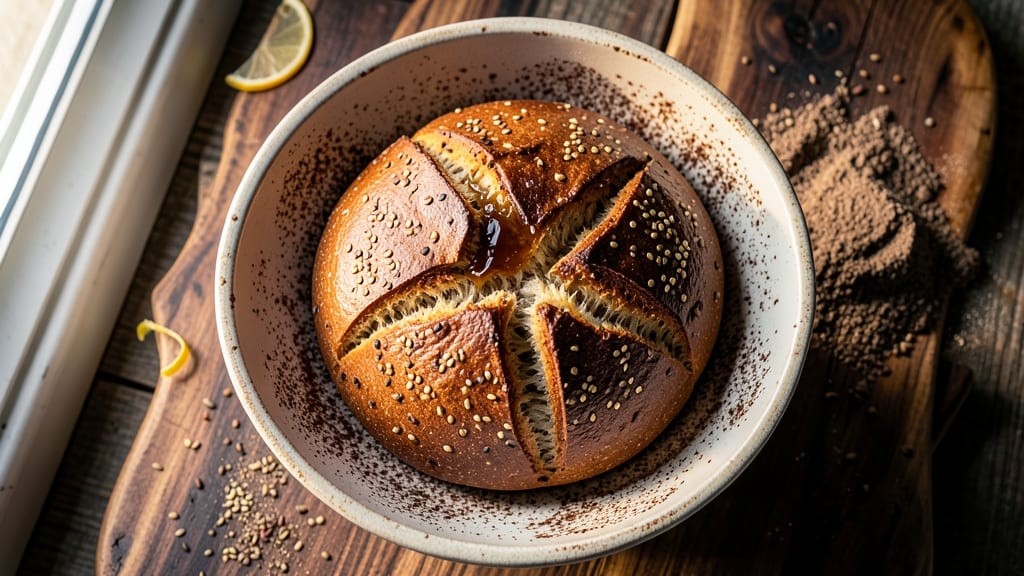
This American rye bread recipe delivers the perfect balance of crusty crunch, seedy depth, and tangy sweetness—all in a loaf that’s both rustic and refined.
The secret lies in a precise hydration ratio and a slow fermentation that develops complex flavors, while caraway seeds and molasses add that signature rye character without overpowering the bread’s natural richness.
Unlike dense European rye, this version uses a 50/50 blend of rye and bread flour, creating a lighter, more open crumb with a crispy crust that’s impossible to resist.
The dough requires a cold overnight fermentation, which not only enhances flavor but also makes shaping and baking easier—no stiff, heavy dough to wrestle with here.
What you’ll end up with is a golden-brown loaf with a shatteringly crisp crust and a tender, slightly chewy interior speckled with seeds. The aroma alone—warm, caramelized, with hints of molasses and caraway—will transform your kitchen into a bakery.
Best of all, this recipe is foolproof once you master the fermentation timing.
Serve it toasted with butter, sliced for sandwiches, or simply enjoyed with soup—this rye bread becomes the star of any meal. Let’s get started on baking yours.
Ingredients for american rye bread
These 14 ingredients transform your kitchen into a bakery with golden-brown rye perfection.
| Ingredient | Amount | Notes |
|---|---|---|
| Bread Flour 🌾 | 2 cups | High-protein for structure |
| Dark Rye Flour 🌾 | 2 cups | Pumpernickel or whole-grain preferred |
| Active Dry Yeast 🍞 | ¼ oz | Or 2.25g, check expiration date |
| Molasses 🍯 | ¼ cup | Unsulphured for best flavor |
| Caraway Seeds 🌿 | 1 tbsp | Whole, lightly toasted |
| Sesame Seeds 🌽 | 1 tbsp | For crust texture |
| Sunflower Seeds 🌻 | 1 tbsp | Lightly toasted |
| Instant Yeast 🍞 | ¼ tsp | For final proofing |
| Granulated Sugar 🍚 | ¼ cup | Feeds yeast for fermentation |
| Salt 🧂 | 1 ½ tsp | Kosher or sea salt |
| Warm Water 💧 | 2 ½ cups | 110°F (43°C) for yeast activation |
| Extra-Virgin Olive Oil 🫒 | 2 tbsp | For dough elasticity |
| Cornmeal 🌽 | ¼ cup | For dusting baking surface |
| Coarse Sea Salt 🧂 | 1 tsp | For crust enhancement |
The flours are the foundation—King Arthur bread flour for structure and Bob's Red Mill dark rye for depth. Both are available at Whole Foods or any well-stocked grocery store. If you can only find light rye flour, add an extra 1 tbsp molasses to compensate for the missing depth. Caraway seeds should be toasted in a dry pan for 30 seconds before adding to the dough—they release their aroma better that way. For the seeds, Trader Joe's sells pre-toasted sesame and sunflower seeds in bulk, saving you time. The yeast is critical: check the expiration date and use it within 4 months for best results.
No molasses? Maple syrup or honey works in a pinch, but reduce to 2 tbsp—they're sweeter. Running low on caraway seeds? Fennel seeds at half the amount give a similar anise-like note. The instant yeast in the final proofing step is non-negotiable—it activates faster than active dry yeast. For the water, lukewarm is key: too hot kills the yeast, too cold slows fermentation. If your tap water is cold, heat it to 110°F (43°C) and let it sit for 5 minutes. The olive oil can be swapped for vegetable or canola oil, but extra-virgin adds subtle fruitiness that complements the rye.
This dough needs patience—cover with damp towel and let it ferment overnight in the fridge. The longer it ferments, the more complex the flavor. For storage, wrap the baked loaf in parchment paper and keep at room temperature for 3 days. For longer storage, freeze slices wrapped in foil for up to 3 months. Toasting is best done in a 400°F (200°C) oven for 5 minutes—the crust gets crispy without burning. I always bake two loaves: one for immediate use and one to freeze for lazy mornings.
Why You'll Love This Recipe
- No-Knead Magic: I swear, this dough comes together in five minutes—just mix, let it rise, and forget about it. The bread flour handles all the structure while the dark rye adds depth, so you’re not stuck fussing over sticky rye dough.
- Molasses-Kissed Richness: That deep, caramelized molasses? It’s the secret weapon—sweet but not cloying, with a hint of smoky warmth. Toss in the caraway seeds, and suddenly you’ve got a bread that tastes like a hug from a bakery in Pennsylvania.
- Weeknight Workhorse: Slice it for toast, cube it for French toast, or just eat it plain—this bread does it all. Honestly, I’ve used it for everything from grilled cheese to sandwiches, and it never lets me down. (Yes, even on a Tuesday night.)
- Dollar Stretcher: A loaf costs me pennies to make, and it lasts forever—freeze slices for toast or stash the whole loaf. Between us, this is the kind of bread that makes grocery bills look generous. Plus, you’re using pantry staples, not specialty flours.
Step-by-step instructions for American rye bread
Here's how to craft that signature crusty exterior with a chewy interior and nutty seed crunch.
Activate the Yeast and Mix the Dough
In a large mixing bowl, combine the 2.5 cups warm water (about 110°F) with the 0.25 cup granulated sugar and 0.25 oz active dry yeast. Let this sit for 5-10 minutes until the mixture becomes frothy and bubbly—this confirms your yeast is alive and ready to work. If it doesn't bubble, your yeast may be dead or the water too hot.
Next, whisk together the 2 cups bread flour and 2 cups dark rye flour in a separate bowl. Create a well in the center and pour in the yeast mixture along with the 0.25 cup molasses, 1.5 tsp salt, and 2 tbsp extra-virgin olive oil. Using a wooden spoon or dough whisk, gently mix until a shaggy dough forms. The molasses adds that signature tangy sweetness while the olive oil improves elasticity.
Knead Until Elastic and Smooth
Transfer the dough to a lightly floured surface and knead for 8-10 minutes until it becomes smooth and elastic. You'll know it's ready when it springs back slowly when poked and doesn't stick to your fingers. The high-protein bread flour helps create structure while the rye flour adds density and depth of flavor.
For best results, I use a stand mixer with a dough hook attachment set to medium speed. This takes about 5-6 minutes and ensures even gluten development. If the dough feels too sticky, add flour 1 tablespoon at a time until it's manageable. The goal is a dough that's slightly tacky but not wet—this balance is crucial for the final texture.
First Rise and Seed Preparation
Lightly oil a large bowl, place the dough inside, and cover with a damp kitchen towel. Let it rise in a warm place for 1-2 hours or until it has doubled in size. The warm environment helps activate the yeast, but don't let it get too warm or the yeast will overproof. You'll see bubbles forming on the surface and the dough will feel light when pressed gently.
While the dough rises, toast the seeds in a dry skillet over medium heat for 2-3 minutes until fragrant. Combine the 1 tbsp caraway seeds, 1 tbsp sesame seeds, and 1 tbsp sunflower seeds in the skillet and shake occasionally to prevent burning. Their nutty aroma will infuse the bread as it bakes, adding that distinctive American rye character.
Shape and Final Proof
Punch down the risen dough to release air, then divide it into 4 equal portions (about 1 pound each). Shape each portion into a round loaf by pulling the edges toward the center and sealing the seam. Place the shaped loaves on a baking sheet lined with parchment paper, seam-side up. Cover with the damp towel again and let them proof for another 30-45 minutes until they've risen about 50%.
For a more rustic look, you can shape them into batards or boules instead of rounds. The key is to create surface tension—the tighter the skin, the better the oven spring when baking. Sprinkle the loaves with the toasted seeds before baking to create that signature crunchy crust.
Bake with Steam for Maximum Crust
Preheat your oven to 425°F with a baking stone or inverted baking sheet on the lower rack. Place the shaped loaves on the prepared baking sheet and sprinkle with 1 tsp coarse sea salt and the remaining toasted seeds. Create steam by placing a metal bowl filled with hot water on the lower oven rack—this helps develop that beautiful crust.
Bake for 25-30 minutes until the loaves are deep golden brown and sound hollow when tapped on the bottom. The internal temperature should reach 190-200°F. If the tops brown too quickly, tent with foil. Remove from the oven and let cool on a wire rack for at least 30 minutes before slicing—this allows the crumb to set properly.
Pro Tips For Making American Rye Bread
- Bloom Yeast First: Skip mixing dry yeast into the flour pile—it’s slower. Instead, sprinkle it on warm water (110°F) with a pinch of sugar, let it sit 5 minutes until foamy. This guarantees it’s active before committing to the dough, especially important with rye’s dense, yeast-resistant nature.
- Toast the Caraway: Lightly toast whole caraway seeds in a dry pan for 30 seconds until fragrant. Grind them fresh right before mixing—this intensifies their flavor and prevents them from turning bitter in the dough. (Yes, it’s extra work, but the difference is noticeable.)
- Don’t Rush the Autolyse: Mix bread flour, rye flour, and water first, then let it rest 20–30 minutes before adding yeast/molasses. This step hydrates the rye’s tough proteins, making the final knead (or stretch-and-folds) way easier. I used to skip it and wondered why my dough felt like chewing gum.
- Bake in Two Stages: Preheat oven to 450°F, bake covered with a tray of water for 20 minutes to steam the dense rye crust. Then uncover, reduce to 375°F, and bake another 20–25 minutes. The steam prevents a hard exterior, and the second stage builds that deep, caramelized flavor. (No, the water tray won’t ruin your oven—just wipe it out after.)
Creative variations of this recipe
Sweet & Spiced Twist
Swap the molasses for ½ cup honey and add 1 tsp cinnamon to the dough for a subtly sweet, aromatic variation. Toast the seeds with ½ tsp ground ginger for warmth. This version pairs beautifully with apple butter or peanut butter sandwiches. 🍯
Savory Herb Version
Replace caraway seeds with 1 tbsp fresh rosemary and 1 tbsp fresh thyme, finely chopped. Add 1 tbsp olive oil to the dough for extra richness. This herb-forward rye complements grilled meats and roasted vegetables perfectly. I often sprinkle extra herbs on top before baking for a fragrant crust.
Whole Wheat Boost
Substitute 1 cup of the bread flour with whole wheat flour for added fiber and nuttiness. Reduce water by 2 tbsp since whole wheat absorbs more moisture.
This version has a denser crumb but retains the signature tangy sweetness. It’s especially great for vegetarian meals or as a side with hearty soups. 🌾
Cracked Pepper Crunch
Add 1 tbsp coarsely cracked black pepper to the dough and sprinkle extra on top before baking. The pepper’s sharpness cuts through the bread’s richness, creating a bold contrast.
This variation is a showstopper when served with charcuterie boards or aged cheeses. For extra drama, add 1 tbsp smoked paprika to the dough as well.
Molasses-Free Option
Skip the molasses entirely and add 1 tbsp apple cider vinegar to the dough for tanginess. Boost the sweetness with 1 tbsp maple syrup instead. This lighter version works well for those avoiding molasses but still want that classic rye flavor.
The vinegar also helps develop gluten for a better rise. 🍎
Seed-Free Crust
Omit all seeds and replace them with 1 tbsp poppy seeds or sesame seeds only for a simpler look. Brush the baked loaf with garlic-infused olive oil for extra flavor.
This variation is ideal for those with nut allergies or who prefer a cleaner aesthetic. The bread still delivers that signature rye depth without the crunchy topping.
Nutrition facts
Frequently asked questions
Why does your recipe use both bread flour and rye flour?
The 50/50 blend creates the perfect balance—bread flour gives structure while dark rye flour delivers that signature tangy depth. This combination prevents the dense texture of 100% rye while keeping the authentic flavor. The result is a lighter, more open crumb that's still rich and flavorful.
Can I make this rye bread without molasses?
Replace the 0.25 cup molasses with 1 tbsp apple cider vinegar for tanginess plus 1 tbsp maple syrup for sweetness. The vinegar also helps gluten development for a better rise. This version works well if you're avoiding molasses but still want that classic rye flavor.
How do I know when the dough is properly kneaded?
The dough is ready when it's smooth, elastic, and springs back slowly when poked. For hand kneading, aim for 8-10 minutes—it should feel slightly tacky but not sticky. With a stand mixer, 5-6 minutes on medium speed works perfectly. If it sticks too much, use only the existing flour in the recipe.
What's the best way to store homemade rye bread?
Wrap the cooled loaf in parchment paper and store at room temperature for 3 days for freshness. For longer storage, freeze slices wrapped in foil for up to 3 months. Toasting is best done in a 400°F (200°C) oven for 5 minutes to restore crispiness. The crust stays fresh longer than the crumb!
Can I add seeds other than caraway, sesame, and sunflower?
Yes! Try poppy seeds, flaxseeds, or pumpkin seeds for different textures. Just toast them first to enhance their flavor. For a nutty option, add chopped walnuts or pecans (about 1 tbsp total). The key is toasting—it releases their natural oils and aromas for maximum impact.