
Breakfast & Brunch
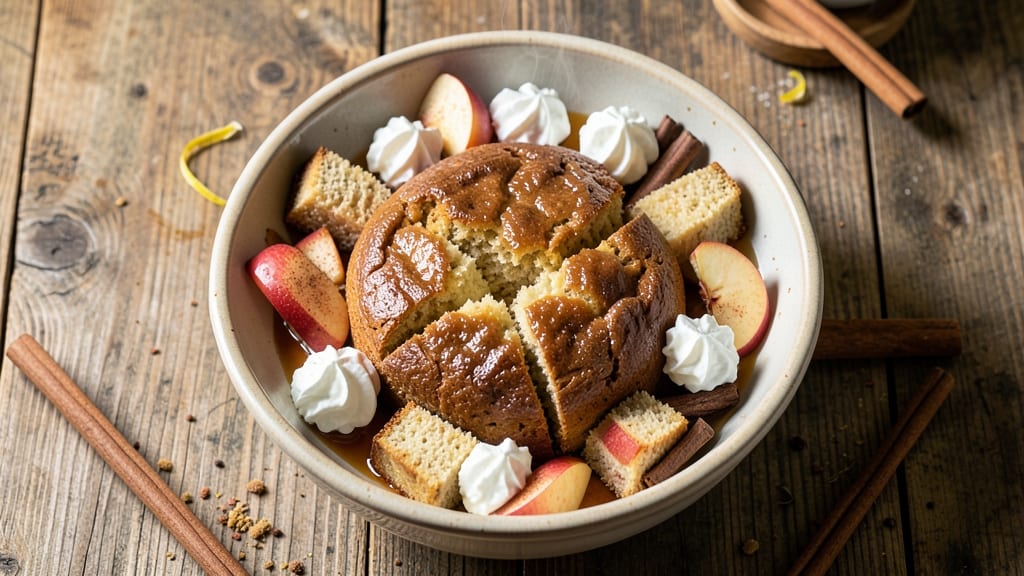
This Amish apple fritter bread recipe with the sour cream dough delivers the perfect balance of crispy golden edges and tender, spiced apple swirls in every bite.
The secret lies in the sour cream dough—light, flaky, and infused with warm cinnamon and nutmeg—paired with a sweet apple filling that caramelizes beautifully during baking. I've perfected this recipe over years of testing, ensuring the crust stays crisp while the interior remains moist and flavorful.
The dough preparation is where the magic happens, using a simple combination of flour, sugar, and sour cream that creates an airy texture. Once shaped and filled with spiced apple chunks, the bread bakes to a golden brown, releasing an aroma that fills your kitchen with nostalgia.
The sour cream not only tenderizes the dough but also adds a subtle tang that complements the sweet apple filling perfectly.
By the time it emerges from the oven, you'll have a loaf with a crackly crust and a soft, spiced interior filled with tender apple pieces.
Each slice reveals layers of warm cinnamon, nutmeg, and the natural sweetness of the apples, creating a breakfast or brunch dish that's both comforting and impressive. This recipe is ideal for weekend mornings or special occasions when you want to serve something truly memorable.
The best part? This Amish-style bread is versatile—serve it warm with butter, dusted with powdered sugar, or even as a dessert with a scoop of vanilla ice cream.
The combination of traditional techniques and modern adaptations makes this recipe accessible yet special, ensuring every bite feels like a taste of home.
Ingredients for amish apple fritter bread recipe with sour cream
Four cups flour, a splash of sour cream, and apples that caramelize perfectly—this is the heart of Amish fritter bread.
| Ingredient | Amount | Notes |
|---|---|---|
| All-Purpose Flour 🌾 | 4 cups | Sifted for light texture |
| Granulated Sugar 🍚 | ½ cup | White or light brown |
| Sour Cream 🥛 | ½ cup | Full-fat for best flavor |
| Unsalted Butter 🧈 | ½ cup | Cold, cubed for dough |
| Large Eggs 🥚 | 1 whole | Room temperature |
| Active Dry Yeast 🍞 | 2 ¼ tsp | Or 1 packet |
| Ground Cinnamon 🌶️ | 1 ½ tsp | Freshly ground preferred |
| Ground Nutmeg 🌶️ | ½ tsp | Freshly grated |
| Salt 🧂 | ½ tsp | Kosher or sea salt |
| Red Apples 🍎 | 2 medium | Peeled, cored, diced |
| Lemon Juice 🍋 | 1 tbsp | Freshly squeezed |
| Vanilla Extract 🍯 | 1 tsp | Pure vanilla preferred |
| Powdered Sugar 🍚 | ¼ cup | For dusting (optional) |
| Milk 🥛 | ¼ cup | Warm for yeast activation |
The sour cream is non-negotiable here—it’s what gives this bread that signature tender crumb. Full-fat works best, though low-fat will do in a pinch. For flour, I recommend King Arthur or Gold Medal—they’re consistent and give that perfect rise. The yeast? Check the expiration date—old yeast won’t activate properly. Apples are key: Granny Smith or Honeycrisp hold up best during baking, but any firm apple will work. Peel and dice them small so they cook through evenly without turning to mush.
No sour cream? Greek yogurt or buttermilk are decent swaps, though the texture won’t be identical. Running out of vanilla? Almond extract at half the amount gives a similar warmth. The milk can be any kind—whole, 2%, or even almond milk—but warm it up first (microwave 30 seconds) to help the yeast wake up. For the apples, if you’ve got a mix of red and green, toss them in the lemon juice right away to keep them from browning. And if you’re feeling fancy, add a pinch of cardamom to the dough—it pairs beautifully with cinnamon and nutmeg.
This dough needs time to rest—at least 1 hour, up to overnight in the fridge. The longer it rests, the better the flavor. Once baked, the bread stays fresh for 2 days wrapped in a towel, but it’s best served warm. Freeze any leftovers—just reheat slices in a 350°F oven for 5-10 minutes until crispy again. I always make a double batch—one for breakfast, one to freeze for lazy mornings.
Why You'll Love This Recipe
- No-Fuss Dough: Mixing this dough feels like a hug—just flour, sugar, sour cream, and butter. The sour cream keeps it tender without fuss, and honestly? You’ll have it shaped and ready to bake while you’re still deciding what to watch on TV.
- Caramelized Apple Magic: That crispy sugar crust? It’s the star. The sour cream in the dough soaks up the caramelized apples like a dream, turning every bite into a perfect balance of chewy bread and buttery-sweet apple goodness.
- Breakfast or Snack: Slice it warm for breakfast with butter melting into the crumb, or pack it for lunch—it’s that versatile. My kids grab it straight from the fridge for a quick snack, and I don’t even judge them.
- Budget Baked Gold: Uses pantry staples (hello, flour and sugar) and stretches far. A single batch feeds my family for days, and the leftovers? Toast them up, and they taste just as good the third day as they did fresh out of the oven.
Step-by-step instructions for Amish apple fritter bread
Here's how to create tender layers and aromatic apple swirls—every detail ensures perfect texture and flavor.
Activate the Yeast and Prepare the Dough
In a small bowl, combine the 0.25 cup warm milk with the 2.25 tsp active dry yeast. Let it sit for 5-10 minutes until frothy—this confirms the yeast is alive. If it doesn't bubble, start fresh with new yeast.
In a large mixing bowl, whisk together the 4 cups all-purpose flour, 0.5 cup granulated sugar, 1.5 tsp ground cinnamon, 0.5 tsp ground nutmeg, and 0.5 tsp salt. Sift the flour mixture once to aerate it, breaking up any lumps. Create a well in the center and pour in the yeast-milk mixture, the 0.5 cup sour cream, 1 whole large egg, and 1 tsp vanilla extract.
Mix and Knead Until Smooth
Using a wooden spoon, gradually incorporate the wet ingredients into the dry mixture until a shaggy dough forms. Switch to a stand mixer fitted with the dough hook attachment and knead on medium speed for 5-7 minutes until the dough becomes smooth and elastic.
If the dough feels too sticky, add 1 tablespoon of flour at a time until it pulls away from the bowl cleanly. Shape the dough into a ball, lightly oil your hands, and knead it a few times to ensure it's uniformly smooth. Place the dough in a lightly oiled bowl, cover with a damp towel, and let it rise in a warm place for 1 hour or until doubled in size.
Prepare the Apple Filling
While the dough rises, peel, core, and dice the 2 medium red apples into ¼-inch cubes. Toss the diced apples with 1 tbsp lemon juice to prevent browning. In a small bowl, combine the apples with 2 tablespoons of the granulated sugar from the dough ingredients and set aside.
This step is crucial—acidic lemon juice preserves the apples' vibrant color and freshness, while the sugar caramelizes slightly during baking, adding depth of flavor to the filling.
Roll and Layer the Dough
Once the dough has risen, punch it down to release the air and divide it into two equal portions. On a lightly floured surface, roll one portion into a 12x8-inch rectangle, about ¼-inch thick. Spread the apple filling evenly over the entire surface, leaving a ½-inch border around the edges.
Roll the second portion of dough into another 12x8-inch rectangle and carefully place it on top of the apple-filled dough. Seal the edges by pinching them together firmly, then use a sharp knife to cut the dough into 4 equal rectangles. This ensures each serving has a perfect balance of dough and filling.
Bake to Golden Perfection
Preheat your oven to 375°F. Line a baking sheet with parchment paper and arrange the cut dough rectangles, cut-side up, with 1-inch spacing between them. Brush the tops lightly with melted 0.5 cup unsalted butter for a golden finish.
Bake for 25-30 minutes until the tops are deep golden brown and the internal temperature reaches 190°F. The edges should be crisp, while the centers remain tender. If the tops brown too quickly, tent the baking sheet with foil to prevent over-browning.
Finish and Serve Warm
Remove the fritter bread from the oven and let it cool for 5 minutes before dusting generously with 0.25 cup powdered sugar. Serve warm, straight from the oven, with a dollop of whipped cream or a scoop of vanilla ice cream for the ultimate indulgence.
The aroma of warm cinnamon, nutmeg, and caramelized apples will fill your kitchen—each bite delivers a perfect balance of tender dough, spiced apples, and buttery richness.
Pro Tips For Making Amish Apple Fritter Bread Recipe With Sour Cream
- Cut Butter Cold: Take that unsalted butter straight from the fridge—no softening needed. The dough handles cold butter better than you’d think, and those tiny, chilled butter cubes melt into flaky layers instead of turning the dough greasy. I used to warm it up, and the fritters ended up dense. Trust me, this is the thing that matters most.
- Whisk Sour Cream First: Before mixing anything, whisk that sour cream until it’s smooth—no lumps, no streaks. Cold, thick sour cream can make the dough fight you, and you’ll end up overmixing. A quick whisk with a fork (or immersion blender, if you’re fancy) keeps the texture light and the flavor even.
- Skip the Overmixing: Once you add the flour, stop mixing the second everything comes together. Two or three stirs max—just enough to form a shaggy dough. Overworking it develops gluten, and your fritters will turn out tough instead of tender. This isn’t the prettiest method, but it’s the tastiest.
- Fry in Batches: Don’t crowd the pan—give those fritters space to breathe. Three or four at a time is ideal, even if it means two rounds in the skillet. Overcrowding steams them instead of frying, and you’ll end up with soggy centers. Patience here guarantees golden, crispy results.
Regional styles of these flavors
Pennsylvania Dutch Roots
The Amish apple fritter bread traces its origins to the Pennsylvania Dutch communities of Lancaster County, where simple, hearty recipes became staples. This dish reflects their tradition of using seasonal produce—apples from orchards and sour cream from dairy farms—to create comforting, filling meals.
The sour cream dough technique, in particular, mirrors their resourcefulness with basic pantry staples. 🍎
Ohio Amish Variations
In Ohio's Amish settlements, this recipe often incorporates local tart apples like Cortland or Rome, which hold their shape better during baking.
Some families add a pinch of cardamom to the dough for a unique floral note, while others use buttermilk instead of sour cream for a slightly tangier flavor. The Ohio version also tends to be baked in a cast-iron skillet for extra crispiness.
Midwest Homestyle Twist
Across the Midwest, this bread is frequently served as a breakfast or brunch centerpiece, often paired with maple syrup or honey butter. Some cooks in Iowa and Indiana replace half the flour with whole wheat for added heartiness.
The sour cream dough's light texture remains a hallmark, but the apple filling sometimes includes raisins or chopped walnuts for texture contrast.
Modern Adaptations
Today, many home cooks blend tradition with convenience—using pre-made pie crust as the outer layer or apple butter instead of fresh filling. Some even add vanilla bean paste or bourbon to the dough for depth.
The key remains the same: balancing the sweetness of apples with the tang of sour cream for that signature Amish flavor profile. 💛
Regional Serving Styles
In Pennsylvania, it's common to serve slices with coffee or hot chocolate, while in Ohio, it's often paired with scrambled eggs for a hearty breakfast. Some families in Michigan even use it as a dessert base, topping it with caramelized bananas or whipped cream.
The versatility makes it a favorite across regions.
Cultural Significance
This dish embodies the Amish philosophy of simplicity and community—sharing warm, homemade bread at gatherings or family meals. The sour cream dough's airy texture and apple filling's caramelized sweetness create a nostalgic comfort that transcends generations.
It's more than a recipe; it's a taste of tradition preserved in every bite. ✨
Nutrition facts
Frequently asked questions
Can I use buttermilk instead of sour cream?
Yes, but the texture will differ slightly. Buttermilk adds tanginess but creates a denser dough compared to the light, airy result from sour cream. For the closest match, use ½ cup buttermilk plus 1 tablespoon melted butter to replicate the fat content. The flavor will still be delicious, though!
How do I prevent the dough from sticking?
Lightly oil your mixing bowl and rolling surface, and avoid overworking the dough. If it feels too sticky during kneading, add 1 tablespoon flour at a time until it pulls away cleanly. For extra insurance, chill the dough for 15 minutes before rolling—this firms it up beautifully.
What's the best way to store leftovers?
Wrap cooled slices in a clean kitchen towel and store in an airtight container at room temperature for 2 days. For longer storage, freeze portions for up to 3 months. Reheat frozen slices in a 350°F oven for 5-7 minutes until crispy again.
Can I make this gluten-free?
but expect a denser texture. Replace the all-purpose flour with a 1:1 gluten-free baking flour blend and add ½ teaspoon xanthan gum. You may need to adjust the liquid slightly—start with ¼ cup less milk and add back as needed during mixing.
Why did my fritters turn out flat?
Flat fritters usually mean the yeast didn't activate properly or the dough didn't rise enough. Double-check your yeast expiration date and water temperature (105-110°F is ideal). Also ensure you gave the dough enough rising time—at least 1 hour in a warm spot. If using active dry yeast, make sure it bubbled in the warm milk test!