
Side Dishes
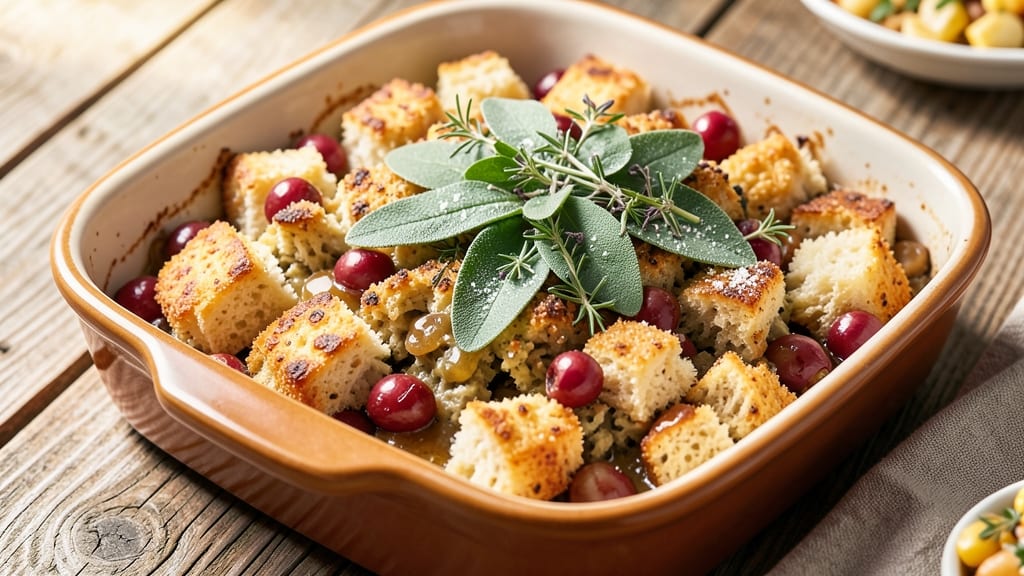
This Amish bread stuffing recipe delivers the perfect balance of crispy cornbread bites and tender, herb-infused centers that soak up every drop of savory broth.
The secret lies in toasting the bread just enough to create golden edges while keeping the inside moist—just like Grandma used to make. 🔥 Traditional Amish cooking often relies on simple, hearty ingredients, and this recipe stays true to that heritage while adding modern convenience for busy cooks.
What sets this stuffing apart is the combination of cornbread cubes, day-old bread, and a blend of sage, thyme, and rosemary that infuses every bite with aromatic warmth.
The slow baking process ensures the edges develop that coveted crispiness while the center remains tender, creating a texture that's impossible to resist. I've perfected this recipe over years of holiday gatherings, where it's always the first dish to disappear.
By the time it emerges from the oven, your kitchen will smell like a cozy Amish farmhouse—warm, inviting, and packed with the comforting aroma of toasted bread and simmering herbs.
The stuffing's ability to absorb rich gravy makes it the ideal companion to roasted turkey or ham, turning any meal into a celebration. This is the kind of dish that brings people together, one crispy bite at a time.
The beauty of this recipe is its versatility—use it as a side dish for Thanksgiving, Christmas dinner, or even a comforting weeknight meal with roasted vegetables.
The technique is straightforward, but the results are restaurant-quality stuffing that will have everyone asking for seconds. Let's get started on creating this timeless classic.
Ingredients for amish bread stuffing
Simple, hearty ingredients for stuffing that tastes like Grandma's—crispy edges, tender centers, and aromatic herbs.
| Ingredient | Amount | Notes |
|---|---|---|
| Day-Old Bread Cubes 🍞 | 8 cups | Dry bread preferred, crusts removed |
| Cornbread Cubes 🌽 | 3 cups | Homemade or store-bought, cut into 1-inch cubes |
| Fresh Sage Leaves 🌿 | ½ cup | Chopped, stems removed |
| Fresh Thyme Leaves 🌿 | 1 tbsp | Or 1 tsp dried thyme |
| Fresh Rosemary Sprigs 🌿 | 1 tbsp | Chopped, finely |
| Yellow Onion 🧅 | 1 whole | Medium size, finely diced |
| Celery Stalks 🥬 | 3 whole | Diced, about 1 cup |
| Unsalted Butter 🧈 | ½ cup | Cold, cubed |
| Chicken Broth 💧 | 1 ½ cups | Low-sodium preferred |
| Large Eggs 🥚 | 2 whole | Beaten |
| Salt 🧂 | 1 ½ tsp | Kosher or sea salt |
| Black Pepper 🌶️ | 1 tsp | Freshly ground |
| Garlic Cloves 🧄 | 3 cloves | Minced |
The bread is the foundation—day-old works best since it absorbs moisture without getting soggy. For cornbread cubes, I like Bob's Red Mill mix from the baking aisle, but any homemade or store-bought will do. Fresh herbs make all the difference here: Whole Foods or local farmers markets have the best quality. If using dried herbs, reduce to one-third the amount—fresh sage and rosemary have that unmistakable farmhouse aroma. The onion and celery should be finely diced for even distribution throughout the stuffing.
No fresh sage? Dried works at one-third the amount, but you'll miss that piney freshness. Short on cornbread? Extra bread cubes plus a splash of milk keeps the texture right. The butter needs to stay cold when mixing—cut it into small cubes so it melts just enough to coat the bread. For a vegetarian version, swap chicken broth for vegetable broth with a splash of soy sauce. Garlic can be adjusted to taste—3 cloves is a good starting point, but don't skip it entirely.
This stuffing keeps beautifully—3 days in the fridge covered, or 3 months frozen in portions. For crispier edges, bake at 375°F until golden. I always make extra because it disappears fast. Store leftovers in an airtight container, and reheat with a splash of broth to restore moisture. The stuffing actually tastes better the next day as flavors meld—perfect for meal prep.
Why You'll Love This Recipe
- No-Waste Magic: I swear by using day-old bread—it’s the secret to that perfect crumbly texture without a gummy mess. The cornbread cubes add a sweet, crunchy contrast that makes every bite feel special.
- Herb-Packed Punch: Between the sage, thyme, and rosemary, this stuffing has layers of earthy, woodsy flavor that lingers. Honestly, I’ve tried store-bought herbs, but nothing beats the freshness of these sprigs tied into little bundles—so easy to remove after baking.
- Leftovers Reinvented: This stuffing holds up beautifully for days. I’ll turn yesterday’s turkey dinner into tomorrow’s breakfast hash or sandwich filler—no one will guess it’s not fresh-baked.
- Budget-Friendly Feast: Dried bread and cornbread scraps? Cheap as dirt. Fresh herbs might seem like a splurge, but a few sprigs go a long way, and they make this taste like a restaurant-worthy side without breaking the bank.
Step-by-step instructions for Amish bread stuffing
Here's how to create a golden-brown stuffing with crispy cornbread bites and aromatic herbs.
👨🍳 Step 1: Sauté the Aromatic Vegetables
Heat a large skillet over medium heat and melt ½ cup unsalted butter until it foams. Add the finely diced yellow onion and diced celery stalks (about 1 cup total). Cook for 8-10 minutes until the vegetables soften and the onion becomes translucent.
Stir in the 3 minced garlic cloves and cook for another 30 seconds until fragrant. Here's the thing—don't let the garlic burn. Remove the pan from heat when you catch that sweet, nutty aroma. This aromatic base is the flavor foundation for your stuffing.
👨🍳 Step 2: Combine Herbs and Bread
In a large mixing bowl, combine the 8 cups day-old bread cubes and 3 cups cornbread cubes. Pour the sautéed vegetable mixture over the bread cubes and toss gently to distribute the butter and aromatics evenly. Add the ½ cup chopped fresh sage leaves, 1 tbsp chopped fresh thyme leaves, and 1 tbsp finely chopped fresh rosemary sprigs.
In a separate small bowl, whisk together the 2 beaten large eggs, 1.5 cups chicken broth, 1.5 tsp salt, and 1 tsp black pepper. Pour this liquid mixture over the bread and herbs. Use your hands to gently mix everything until the bread cubes are evenly moistened but not soggy. You want the stuffing to hold its shape when baked.
🔥 Step 3: Bake Until Golden and Crispy
Transfer the stuffing mixture to a greased 9x13-inch baking dish. Spread it evenly, pressing down gently to create a compact surface. This helps the stuffing brown nicely and develop that crispy texture on top.
Bake in a preheated 375°F oven for 35-40 minutes until the top is deep golden brown and the edges are crispy. Here's where the magic happens: the cornbread cubes should be slightly charred in spots, while the bread cubes remain tender. If it's browning too quickly, tent with foil for the last 10 minutes to prevent over-browning.
⏰ Step 4: Rest and Serve Warm
Remove the stuffing from the oven and let it rest in the baking dish for 5-10 minutes before serving. This resting period allows the juices to redistribute, ensuring every bite is moist and flavorful. The stuffing should be hot and crispy on the outside with tender, herby bread on the inside.
Serve immediately with your favorite main dish. The crispy cornbread bites contrast beautifully with the soft bread cubes, creating that perfect texture balance that makes this Amish bread stuffing so special. Don't skip the resting time—it makes all the difference in the final texture and flavor.
Pro Tips For Making Amish Bread Stuffing
- TOAST THE CORNBREAD FIRST: I learned this the hard way—skipping the toaster means soggy cornbread cubes that turn to mush. Toss them in a single layer on a baking sheet at 350°F for 8-10 minutes until they’re golden and dry. The bread cubes can go in after, but don’t mix them until both are cooled.
- CHOP HERBS FINE AND TOAST THEM: Fresh rosemary and sage need to be finely chopped—like a confetti texture—so their flavor actually spreads. After chopping, toss them into a dry pan over medium heat for 30 seconds until fragrant. This wakes up their oils and prevents them from turning bitter.
- DON’T OVERMIX THE STUFFING: After adding broth, handle it like you’re folding in cake batter—just until combined. Overmixing compresses the bread and turns it dense. Use a gentle hand, and if it looks uneven, that’s fine. The unevenness means air pockets, which means fluffier stuffing.
- USE COLD BROTH AND LET IT REST: Pour in cold broth, not hot—it cooks the bread faster than you can get it in the oven, and you’ll end up with a gluey mess. After baking, tent it with foil and let it sit for 10 minutes. This lets moisture redistribute, so every bite is juicy, not wet.
Make-ahead tips for amish bread stuffing
Prep Ahead
Assemble your stuffing mixture up to 24 hours ahead and store it in an airtight container in the refrigerator. This gives the flavors time to meld beautifully while keeping the bread from absorbing too much moisture.
I like to prep mine the night before—it saves time on the big day and makes the final baking step foolproof. Just cover it tightly with plastic wrap and a lid to prevent drying out. 💡
Freezer-Friendly
For long-term prep, freeze the assembled stuffing in a 9x13-inch baking dish or airtight freezer bag. Portion it into single servings if you plan to bake individual portions later. Thaw overnight in the fridge before baking—this ensures even cooking. I've kept this stuffing in the freezer for up to 3 months with no loss of quality. Just
Baking Flexibility
This stuffing bakes beautifully in both conventional and convection ovens. For a convection oven, reduce the temperature to 350°F and bake for 25-30 minutes—the fan helps create crispy edges faster. If using a slow cooker, transfer the assembled stuffing to a heatproof dish and cook on low for 2-3 hours, adding broth as needed to keep it moist. The slow cooker method is perfect for keeping food warm at gatherings.
Make-Ahead Gravy
While your stuffing is baking, prepare gravy ahead of time using the same 1.5 cups chicken broth from the recipe. Simmer it with 2 tbsp cornstarch and ½ cup turkey drippings for 5 minutes until thickened.
Store gravy in a separate container and reheat it separately before serving. This ensures your stuffing stays crispy while the gravy remains luscious and ready to drizzle. 🥄
Reheating Leftovers
To restore crispiness to leftover stuffing, sprinkle 1 tbsp broth over the top and cover with foil. Reheat in a 350°F oven for 10-15 minutes until warmed through. For microwave reheating, cover with a damp paper towel and heat in 30-second intervals until hot.
I always make extra because it disappears so fast—leftovers reheat beautifully and taste even better the next day.
Holiday Prep Timeline
Here's my foolproof schedule for holiday prep: 2 days ahead, make cornbread and regular bread if needed. 1 day ahead, assemble the stuffing and refrigerate. On the day of serving, bake it while your main dish roasts.
This way, you can focus on enjoying the meal instead of last-minute cooking. The stuffing will stay warm in a 200°F oven for up to 2 hours if needed. 📅
Nutrition facts
Frequently asked questions
Why does Amish bread stuffing use both regular bread and cornbread?
The combination creates the perfect texture contrast—crispy cornbread cubes add a delightful crunch, while the regular bread cubes stay tender and soak up flavors. Traditional Amish cooking often features both types of bread for this exact reason: cornbread brings a slightly sweet, hearty element, while regular bread provides neutral base that absorbs the savory herbs and broth beautifully.
Can I make this stuffing without eggs?
Yes, but the texture will be slightly less cohesive. Replace the 2 eggs with 2 tablespoons of Dijon mustard or ¼ cup mayonnaise to help bind the mixture. For a vegan option, use ¼ cup aquafaba (chickpea brine) or 2 tablespoons ground flaxseed mixed with 6 tablespoons water. The stuffing may be slightly less crispy, but the flavor will still be rich and satisfying.
How do I prevent my stuffing from getting soggy?
Use day-old bread (never fresh) and toast the cubes in a 350°F oven for 10-15 minutes before mixing with other ingredients. This removes excess moisture and creates crispy edges. Also, avoid overmixing the liquid ingredients—just toss gently until the bread is evenly moistened. For extra insurance, add ½ cup extra bread cubes to the recipe.
What's the best way to add sausage to this recipe?
Cook ½ pound of cooked sausage (like kielbasa or Italian) with the onions and celery in Step 1. For raw sausage, brown it first in the skillet before adding the vegetables. Crumble it into ¼-inch pieces and distribute evenly throughout the stuffing. If using smoked sausage, reduce the added salt by ½ teaspoon since it's already seasoned.
Can I make this stuffing in a Dutch oven?
Use a 5-6 quart Dutch oven and reduce the baking temperature to 350°F for 30-35 minutes. The enclosed space helps create steam, keeping the stuffing moist while developing crispy edges. Place the Dutch oven on a baking sheet to catch any drips, and tent with foil if browning too quickly. This method is perfect for serving stuffing directly from the pot!