
Side Dishes
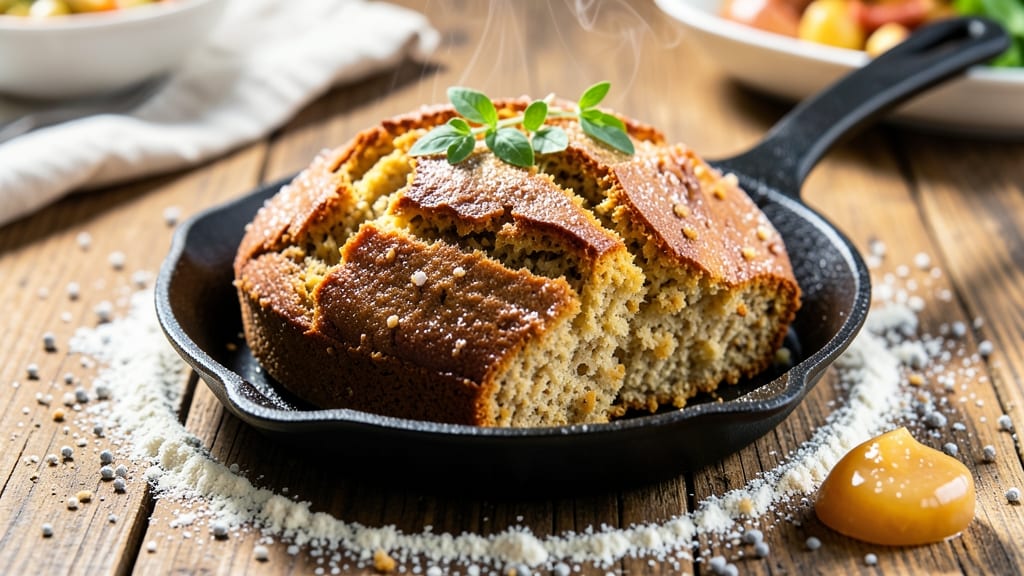
This Amish cornbread recipe brings the warm, golden comfort of a traditional homestead table to your kitchen, where every bite delivers a perfect balance of buttery crunch and sweet corn flavor. 💛 The secret lies in using lard or butter for richness, paired with stone-ground cornmeal and a touch of sugar—just enough to enhance the natural sweetness without overpowering.
Unlike commercial mixes, this version relies on simple pantry staples and a foolproof method that’s been passed down through generations.
What sets this cornbread apart is its rustic texture—crispy on the edges, tender in the center, and studded with pockets of golden cornmeal that give each bite satisfying resistance. The recipe skips yeast entirely, focusing instead on baking powder for a quick rise that still yields a hearty, substantial loaf.
It’s the kind of cornbread that pairs perfectly with fried chicken, chowder, or even a simple bowl of soup, making it a staple for any meal.
No special equipment is needed—just a cast-iron skillet or baking dish to create that signature crispy crust. The dough comes together in minutes, and the baking time is short, so you’ll have warm, fragrant cornbread ready in under 30 minutes.
The aroma alone will have everyone at the table asking for seconds, proving that sometimes the simplest recipes deliver the most satisfying results.
For those who prefer a sweeter version, a sprinkle of sugar on top before baking adds a caramelized crust that’s impossible to resist. Or, for a savory twist, a pinch of salt or even a dash of herbs can elevate it further.
This is cornbread as it was meant to be—rustic, hearty, and full of homestyle charm.
Ingredients for amish corn bread
Six pantry staples and two key techniques deliver that iconic Amish cornbread texture—crispy crust, tender crumb, and pockets of golden cornmeal.
| Ingredient | Amount | Notes |
|---|---|---|
| Stone-Ground Cornmeal 🌽 | 2 cups | Coarse grind for texture |
| All-Purpose Flour 🌾 | 1 cup | White or whole wheat |
| Granulated Sugar 🍯 | ¼ cup | Light brown preferred |
| Baking Powder 🧂 | 2 tsp | Metal container preferred |
| Salt 🧂 | 1 tsp | Kosher or sea salt |
| Lard 🧈 | ½ cup | Or unsalted butter |
| Buttermilk 🥛 | 1 ½ cups | Homemade or store-bought |
| Large Eggs 🥚 | 1 whole | Room temperature |
| Sweet Corn Kernels 🌽 | 1 cup | Fresh or canned (drained) |
| Fresh Basil Leaves 🌿 | ¼ cup | Chopped, optional garnish |
| Extra-Virgin Olive Oil 🫒 | 1 tbsp | For greasing pan |
The cornmeal makes all the difference—stone-ground gives that rustic texture commercial mixes can't replicate. Bob's Red Mill or King Arthur brands are my go-tos, but any coarse grind works. Lard is traditional for that signature buttery crunch, but unsalted butter works just as well if you prefer. The baking powder needs to be fresh: if your container's been open for months, test it in a small batch of batter—it should bubble vigorously when wet. Sweet corn kernels add natural sweetness, but skip them for a savory version. For the buttermilk, homemade (milk + vinegar) gives the best tang, but store-bought is fine in a pinch.
No buttermilk? Mix 1.5 tbsp vinegar or lemon juice with 1.5 cups milk and let sit 5 minutes. Short on cornmeal? Extra flour at 0.25 cup keeps the texture, just loses that signature crunch. Want to skip the fresh corn? Canned corn works, just drain it well. The sugar can be swapped for honey or maple syrup (reduce other liquids slightly). For extra richness, add 2 tbsp sour cream to the batter. And if you're feeling fancy, a sprinkle of poppy seeds on top adds a nice crunch.
This batter keeps for 24 hours in the fridge—perfect for making ahead. For best results, let it sit at room temperature for 30 minutes before baking. The cornbread reheats beautifully: wrap slices in foil and warm in a 350°F oven for 5-10 minutes. Store leftovers in an airtight container for 3 days, or freeze for up to 3 months. A cast-iron skillet gives that perfect crust, but any oven-safe dish works. And if you're making a big batch? Double the recipe—everyone will want seconds.
Why You'll Love This Recipe
- Five-Ingredient Magic: Honestly, I swear by this recipe because it’s that simple—just stone-ground cornmeal, flour, sugar, baking powder, and salt. No fancy mixers, no last-minute grocery runs. The stone-ground cornmeal alone gives it that real, rustic texture that store-bought can’t match.
- Sweet-Savory Crunch: Between us, the balance of that slight sweetness from the sugar and the hearty cornmeal bite is ridiculously satisfying. It’s not too dense, not too crumbly—just the right amount of crisp edges and tender middle. Perfect for soaking up gravy or butter.
- Weeknight Workhorse: I make this all the time for quick breakfasts, potlucks, or even as a side for chili. It reheats beautifully in the oven or toaster, and honestly, I’ve even used leftover slices as a base for fried chicken tenders. Versatile? Yes. Reliable? Absolutely.
- Budget-Friendly Staple: This recipe costs me pennies per serving, and the ingredients last forever. The stone-ground cornmeal gives it that premium feel without the premium price—plus, it stretches to feed a crowd or stretch a single serving into leftovers for days. My wallet (and my family) thank me.
Step-by-step instructions for Amish cornbread
This recipe delivers the perfect balance of tender crumb and sweet corn flavor—just like Grandma used to make.
👨🍳 Step 1: Mix Dry Ingredients for Perfect Texture
In a large mixing bowl, whisk together the 2 cups stone-ground cornmeal, 1 cup all-purpose flour, 0.25 cup granulated sugar, 2 teaspoons baking powder, and 1 teaspoon salt. I use a whisk for this step to ensure everything is evenly distributed and no lumps form in the cornmeal. The coarse texture of stone-ground cornmeal is key here—it gives that signature Amish crumb we're after.
Here's the thing—don't overmix. Just combine until you see a few small flour streaks remaining. Overworking the dry ingredients develops gluten, which can make your cornbread dense instead of tender. Set this bowl aside for now—we'll come back to it in a minute.
🍳 Step 2: Combine Wet Ingredients for Rich Moisture
In a separate medium bowl, gently mix the 1.5 cups buttermilk, 1 whole large egg, and 0.5 cup lard (or unsalted butter if you prefer) until just combined. I use a silicone spatula for this because it's gentle on the egg and helps prevent overmixing. The buttermilk adds that signature tangy flavor while keeping the cornbread moist.
Here's where it gets good—if you're using lard, let it soften slightly at room temperature first. Cold lard can make the batter too thick, while slightly softened lard incorporates beautifully. You're aiming for a smooth but slightly thick batter that holds its shape when dropped onto a baking sheet.
🥘 Step 3: Fold Wet into Dry for Perfect Consistency
Make a well in the center of your dry ingredients and pour in the wet mixture. Using your silicone spatula, gently fold everything together just until combined—you should still see some cornmeal flecks throughout. This folding technique creates pockets of air that give your cornbread that light, airy texture.
Now fold in the 1 cup sweet corn kernels and 0.25 cup chopped fresh basil leaves (if using). The basil adds a fresh, slightly peppery note that pairs beautifully with the sweet corn. Don't worry if the corn kernels aren't perfectly distributed—they'll spread evenly as it bakes.
🔥 Step 4: Bake Until Golden and Crisp
Preheat your oven to 425°F and grease a 9-inch cast-iron skillet (or baking sheet) with 1 tablespoon extra-virgin olive oil. The cast iron gives that perfect crust we're after, but a baking sheet works in a pinch. Drop spoonfuls of batter about 2 inches apart—they'll spread as they bake.
Bake for 18-22 minutes until the tops are deep golden brown and the edges are crisp. You'll know it's done when you tap the top and hear a hollow sound. The center should still be slightly soft—cornbread continues cooking as it rests. Don't overbake or it'll dry out.
⏰ Step 5: Rest and Serve Warm
Let the cornbread rest for 5 minutes before serving. This resting period allows the juices to redistribute throughout each piece, ensuring every bite is moist and flavorful. The crust will firm up slightly during this time, giving you that perfect contrast between crispy exterior and tender interior.
Serve warm with your favorite butter or honey drizzle. The combination of sweet corn kernels, buttery richness, and slightly crisp edges makes this cornbread a showstopper. Store leftovers in an airtight container for up to 3 days, or freeze for up to 3 months for that fresh-baked taste anytime.
Pro Tips For Making Amish Corn Bread
- Sift the Dry Mix: Stone-ground cornmeal is coarse—don’t just dump it in. Sift the flour, cornmeal, baking powder, and salt together first. This lightens the texture and prevents dense pockets. (Yes, even if you’re tempted to skip it—your bread will taste it.)
- Measure Cornmeal Right: Pack stone-ground cornmeal into your measuring cup lightly—don’t tap it down like flour. Too much and your bread turns brick-like. I learned this after making a batch so dense it needed a hammer. (Spoon it in, level it off.)
- Bake Until Golden: Amish corn bread needs that crisp crust—don’t pull it out when it’s just set. Bake until the top is deep golden (15–20 minutes at 375°F), even if it feels done sooner. Underbaked bread stays gummy. (A toothpick should come out clean.)
- Use Buttermilk Warm: If your recipe calls for buttermilk, warm it slightly before mixing. Cold buttermilk curdles the batter, leading to a lumpy texture. Just let it sit in a warm spot for 10 minutes—it makes all the difference. (No buttermilk? Mix 1 tbsp vinegar + 1 cup milk.)
Wine and beer pairings for amish corn bread
Sweet Corn Harmony
Amish cornbread’s natural sweetness from the corn and sugar pairs beautifully with dry Riesling—its crisp acidity and honeyed notes complement the caramelized crust and buttery richness. I love Dr. Loosen Blue Slate from Germany; its mineral finish cuts through the fat while enhancing the corn’s sweetness. 🍷
Herbal Beer Balance
A wheat beer with subtle herbal notes works surprisingly well, especially if you added fresh basil to your cornbread. Try Blue Moon Belgian White—its coriander and orange peel notes mirror the basil’s freshness while the light body keeps the cornbread’s texture from feeling heavy.
For a stronger option, Hoegaarden adds effervescence that cleanses your palate between bites.
Spiced Wine Option
For a cozier pairing, warm Moscato d’Asti and add a cinnamon stick while serving. The wine’s light sweetness and effervescence enhance the cornbread’s caramelized edges, while the cinnamon echoes the warm spices often found in Amish kitchens. Serve slightly chilled to balance the bread’s warmth. 🍷
Coffee Contrast
If you prefer something stronger, a medium-roast coffee like Peet’s Major Dickason’s Blend creates an unexpected but delicious contrast. The coffee’s bitterness highlights the cornbread’s sweetness, while its caramel notes mirror the sugar in the recipe. I like to serve this pairing at brunch—it’s become a family favorite.
Non-Alcoholic Pairings
For a refreshing non-alcoholic option, try sparkling apple cider with a splash of ginger ale. The effervescence and tartness brighten the cornbread’s richness, while the apple notes complement the corn’s natural sweetness. I recommend Martinelli’s Sparkling Cider—it’s widely available and consistently delicious. 🍏
Nutrition facts
Frequently asked questions
Why does Amish cornbread use lard instead of butter?
Traditional Amish recipes often use lard because it creates a richer, crispier crust that stands up to the hearty texture of stone-ground cornmeal. Lard has a higher smoke point than butter, which helps achieve that signature golden-brown crust while keeping the interior tender. If you prefer, unsalted butter works perfectly—just use the same amount.
Can I make this cornbread without buttermilk?
Mix 1.5 tablespoons vinegar or lemon juice with 1.5 cups milk and let it sit for 5 minutes to mimic buttermilk's tangy flavor. This substitution works just as well and keeps the cornbread moist. For an extra-rich version, you could also use plain yogurt in place of the buttermilk.
How do I know when my cornbread is fully baked?
Your cornbread is done when the edges are deep golden brown and the top springs back slightly when gently pressed. The best test is tapping the top—it should sound hollow. The center should still be slightly soft (cornbread continues cooking as it rests), but no wet batter should remain. Overbaking makes it dry, so pull it out just as it reaches this stage.
Can I make this recipe in a regular oven instead of cast iron?
Yes! Grease a 9-inch baking dish or sheet pan with olive oil and bake the same way. Cast iron gives that perfect crust, but a well-greased metal pan works too. For extra crispiness, place the pan on the middle rack and bake for 1-2 extra minutes once the edges look golden.
What's the best way to reheat leftover cornbread?
Wrap slices in foil and warm in a 350°F oven for 5-10 minutes until heated through. For a crispier texture, toast slices in a dry skillet over medium heat for 1-2 minutes per side. Microwaving works in a pinch, but it can make the crust soggy—always cover with a damp paper towel for 10-15 seconds instead.