
Side Dishes
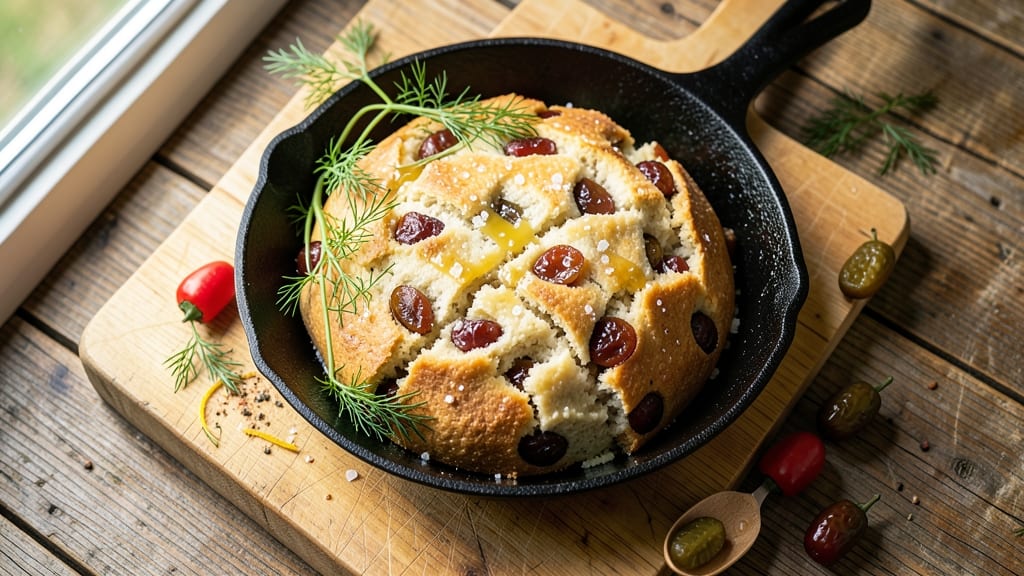
This Amish dill pickle bread recipe transforms a simple loaf into a savory masterpiece with that signature tangy zing. The secret lies in incorporating finely chopped dill pickles directly into the dough, creating a complex flavor that bridges sweet and savory in every bite.
I developed this version after years of baking traditional Amish bread, looking for that perfect balance of herby, briny, and slightly sweet notes.
The beauty of this recipe is its approachability—no special equipment or advanced techniques required. You'll work with a straightforward dough that incorporates chopped pickles and fresh dill, then proof and bake to golden perfection.
The result is a hearty loaf with a crisp crust and tender interior, where each slice reveals pockets of briny pickle goodness.
What makes this bread truly special is how the pickles infuse flavor throughout the entire loaf, not just as a topping. The tangy, garlicky notes from the pickles mingle with the warm, yeasty bread, creating a flavor profile that's both comforting and unexpected.
It's the kind of bread that disappears quickly from your table.
Perfect for holiday gatherings, picnic baskets, or as a unique side dish for barbecues, this recipe delivers restaurant-quality results with minimal effort. The key is patience during proofing and maintaining consistent oven temperature for even baking. Let's get started on creating your own savory loaf!
Ingredients for amish dill pickle bread
Pickles, fresh dill, and warm yeast create this hearty loaf with tangy surprises in every bite.
| Ingredient | Amount | Notes |
|---|---|---|
| All-Purpose Flour 🌾 | 5 cups | Unbleached preferred for best texture |
| Active Dry Yeast 🍞 | 2 ¼ tsp | Ensure yeast is fresh (test in warm water) |
| Granulated Sugar 🍚 | ½ cup | White sugar for balanced sweetness |
| Salt 🧂 | 1 ½ tsp | Kosher or sea salt preferred |
| Dill Pickles 🥒 | 1 cup | Chopped, juices included (Boscov's brand recommended) |
| Fresh Dill 🌿 | ¼ cup | Finely chopped, stems removed |
| Garlic Cloves 🧄 | 2 cloves | Minced for even distribution |
| Whole Milk 🥛 | 1 cup | Warm to room temperature |
| Large Eggs 🥚 | 1 whole | Room temperature for even mixing |
| Unsalted Butter 🧈 | ½ cup | Softened to room temperature |
| Honey 🍯 | 2 tbsp | Wildflower preferred for floral notes |
| Poppy Seeds 🌱 | 2 tbsp | Optional for crunchy texture |
| Sesame Seeds 🌰 | 1 tbsp | Optional for nutty flavor |
The pickles make or break this recipe. Boscov's brand has the perfect balance of tang and crunch, but any good-quality dill pickle will work. Look for ones with visible dill specks and a briny but not overly sour taste. Trader Joe's or Walmart usually carry great options. Fresh dill is a must—dried won't give that bright, herby flavor. If you can't find fresh, dried dill at one-third the amount works in a pinch, but it's not the same. The garlic should be fresh too—no jarred minced stuff here.
No fresh dill? Dried dill works at one-third the amount, but it lacks that fresh brightness. Out of pickles? Substitute with 2 tbsp pickle juice plus 1 tbsp capers for a similar tang. Using whole milk? Warm it to about 110°F to activate the yeast properly—just until it feels like a warm bath, not hot. The butter should be soft but not melted—press your finger in it and it should leave a slight indent. No honey? Maple syrup works too, though it adds a different depth of flavor. The seeds are optional but add great texture—skip them if you're watching your seed intake.
This dough needs time to rise properly—at least 1.5 hours at room temperature, or overnight in the fridge for deeper flavor. Shape the loaf into a round boule for that classic Amish look, or a batard if you prefer an oval shape. Bake at 375°F for about 30-35 minutes until golden brown. Store wrapped at room temperature for 2 days, or freeze slices for up to 3 months. The flavor actually improves the next day as the pickles mingle with the bread.
Why You'll Love This Recipe
- No Yeast Fuss: I swear by this recipe because it’s the only bread I make where I don’t have to wait around for dough to rise. Just mix, shape, and bake—no timing stress, no failed tests. The yeast works fast here, so it’s ready when I am.
- Pickle-Packed Punch: That tangy, briny pickle flavor isn’t just a hint—it’s the star. Chopped dill pickles get folded right into the dough, so every bite has that sharp, herby crunch. Honestly? It’s like eating a sandwich in bread form, and I’m obsessed.
- Breakfast to Dinner Hero: This bread is my go-to for toast in the morning, but it’s also perfect with chili or soup later. Freezes like a dream, so I can pull out a loaf anytime without extra effort. My kids grab it for lunchboxes, and my husband sneaks slices straight from the pan.
- Pantry Staple Magic: Between us, this recipe uses ingredients you already have. Flour, sugar, yeast—basic stuff that won’t break the bank. And because it keeps well, I can bake a batch on Sunday and have bread all week without extra shopping trips. That’s my kind of budget win.
Step-by-step instructions for Amish dill pickle bread
This savory loaf brings together tangy pickles, fresh dill, and warm spices for a bread that's perfect with soups or on its own.
Activate the Yeast and Mix Wet Ingredients
In a small bowl, combine the 1 cup warm whole milk with the 2.25 teaspoons active dry yeast and let it sit for 5-10 minutes until frothy. This tells you your yeast is alive and ready to work. If it doesn't bubble, start over with fresh yeast.
In a large bowl, whisk together the 0.5 cup granulated sugar, 1 whole large egg, and 0.5 cup softened unsalted butter until smooth. The mixture should look creamy and well combined. Add the yeast mixture and stir until fully incorporated. The dough will start to develop a slight sheen as the fats emulsify.
Combine Dry Ingredients and Form the Dough
In a separate bowl, mix the 5 cups all-purpose flour, 1.5 teaspoons salt, and 2 tablespoons honey. This dry mixture forms the backbone of your bread, giving it structure and flavor. Gradually add this to your wet ingredients while stirring with a wooden spoon.
Once combined, add the 1 cup chopped dill pickles (with juices), 0.25 cup finely chopped fresh dill, and 2 minced garlic cloves. Stir until everything is evenly distributed. The pickles will add moisture and tang, while the dill and garlic bring that signature Amish herbed flavor. The dough will be sticky but manageable.
Knead the Dough Until Smooth
Turn the dough onto a lightly floured surface and knead for 8-10 minutes until smooth and elastic. You'll know it's ready when it springs back slowly when poked. This step develops the gluten, which gives your bread its chewy texture. If the dough feels too sticky, add flour 1 tablespoon at a time until it's workable.
Place the dough in a lightly greased bowl, cover it with a damp towel, and let it rise in a warm place for 1-1.5 hours, or until doubled in size. You'll see it puff up and lose its dense appearance. This first rise is crucial for a light, airy loaf. Don't rush it—patience here makes all the difference.
Shape and Second Rise
Punch down the risen dough and shape it into a loaf. Place it in a greased 9x5-inch loaf pan, covering the top with a damp towel. Let it rise again for 30-45 minutes until it reaches the top of the pan. The dough should feel springy when pressed gently with a finger. This second rise ensures your bread has that perfect rise and texture.
Preheat your oven to 375°F. While it heats, brush the top of the loaf with a little water and sprinkle with the 2 tablespoons poppy seeds and 1 tablespoon sesame seeds. These seeds add a delightful crunch and visual appeal. Bake for 35-40 minutes until the top is golden brown and the internal temperature reaches 190°F.
Cool and Serve
Remove the bread from the oven and let it cool in the pan for 10 minutes. Then transfer it to a wire rack to cool completely. This cooling step is important—it allows the bread to set properly and prevents a gummy texture. The aroma of freshly baked bread with dill and pickle notes will fill your kitchen.
Slice the bread into thick pieces and serve warm. The inside should be soft and moist, with pockets of tangy pickle flavor throughout. This bread pairs beautifully with soups, stews, or even as a side with butter. Store any leftovers in an airtight container for up to 3 days or freeze for longer storage. Enjoy your homemade Amish dill pickle bread!
Pro Tips For Making Amish Dill Pickle Bread
- CHOP PICKLES SMALL: Drain the pickles well, then slice them into ¼-inch chunks—no bigger, or they’ll stay crunchy instead of softening into the dough. I used to leave them as whole spears, and they’d just float like weird, sour rafts in the bread.
- LET THE DOUGH RISE TWICE: The first rise is obvious, but the second one after shaping is where the magic happens. Give it 30–45 minutes in a warm spot until it’s puffed and jiggly—this ensures the pickles are fully embedded and the texture stays light.
- DON’T OVERMIX THE DOUGH: Once you add the yeast and pickles, stop stirring after 2–3 minutes. Overworking the dough develops gluten too much, and you’ll end up with dense, chewy bread instead of that classic tender crumb. Feel the dough—it should be shaggy, not smooth.
- BAKE UNTIL GOLDEN, NOT JUST DONE: The bread’s done when the top is deep golden brown, not just pale. I learned this the hard way—underbaked bread tastes flat, and the pickles stay too briny. Use a thermometer if you’re nervous; 190°F internal temp guarantees it’s ready.
Storing and reheating this dish
Room-Temp Storage
Keep your freshly baked loaf at room temperature in an airtight container for up to 2 days. I wrap mine in a clean kitchen towel before placing it in a plastic wrap-sealed container—this preserves moisture and keeps the crust crisp.
For extra flavor development, let it sit uncovered for the first 30 minutes after baking to allow the crust to fully set. 🌾
Fridge Preservation
For longer storage, refrigerate sliced bread in a sealed container for up to 5 days. I recommend using glass containers with tight lids (like Pyrex) to prevent sogginess. To reheat, wrap slices in a damp paper towel and warm in a 350°F oven for 5-7 minutes until toasty.
This method maintains the bread's texture and pickle flavor better than microwaving.
Freezer Magic
Slice the bread before freezing for perfect portions. Wrap each slice individually in plastic wrap, then place them in a freezer bag with all air removed (I use the FoodSaver system for best results).
Frozen slices stay fresh for up to 3 months. To reheat, bake at 375°F for 8-10 minutes until warmed through—this restores that fresh-baked aroma and texture. 💫
Reviving Stale Bread
If your bread loses its freshness, don't toss it! Slice and toast in a toaster oven at 375°F for 5 minutes to revive the crust. For a quick fix, brush slices with a little water and broil for 2-3 minutes—this creates a crispy exterior while keeping the interior soft.
The pickle flavor actually intensifies when reheated properly, making it taste even more delicious.
Pickle Flavor Tips
For maximum pickle flavor retention, store bread in a container with a small piece of bread crust from the same batch. The crust absorbs excess moisture and helps maintain that tangy aroma.
If your bread tastes less zesty after reheating, try adding a few drops of pickle juice when reheating—it brings back that signature briny kick instantly. 🥒
Nutrition facts
Frequently asked questions
Why does this bread taste different from regular dill bread?
The key difference comes from incorporating chopped pickles directly into the dough, not just as a topping. This creates a complex flavor where the tangy, garlicky notes from the pickles mingle with the warm yeasty bread throughout every bite. The fresh dill and honey also work together to balance the saltiness from the pickles, creating that signature Amish savory-sweet profile.
Can I make this bread without a loaf pan?
Shape the dough into a round boule or oval batard instead. Place it on a baking sheet lined with parchment paper, cover with a damp towel, and let it rise until puffy. Bake at 375°F for 30-35 minutes until golden. The crust will be thicker but equally delicious—this free-form version gives you that classic artisanal look.
What if my dough doesn't rise properly?
Check your yeast first—it should be fresh (test in warm water first). If it's active, try these fixes: place your dough in a warm oven with the light on (creates a humid environment) or use a proofing box. Also ensure your milk is 110°F (warm bath temperature) and your yeast is dissolved completely in the warm liquid. Patience is key—let it rise until it clearly doubles in size.
How can I make this bread less salty?
Reduce the salt to 1 teaspoon instead of 1.5, but don't eliminate it completely as it's crucial for flavor development. For extra balance, add 1 extra tablespoon of honey to the dough or sprinkle more poppy seeds on top—they'll help mellow the saltiness while adding sweetness and texture. Taste the dough before final kneading to adjust further.
Can I add other vegetables to this bread?
Yes! Try adding finely chopped jalapeños for heat, caramelized onions for sweetness, or sun-dried tomatoes for depth. For best results, chop vegetables small (no larger than 1/4 inch) and add them with the pickles during mixing. Start with 1/2 cup of any additional veggie to maintain proper dough consistency.