
Side Dishes
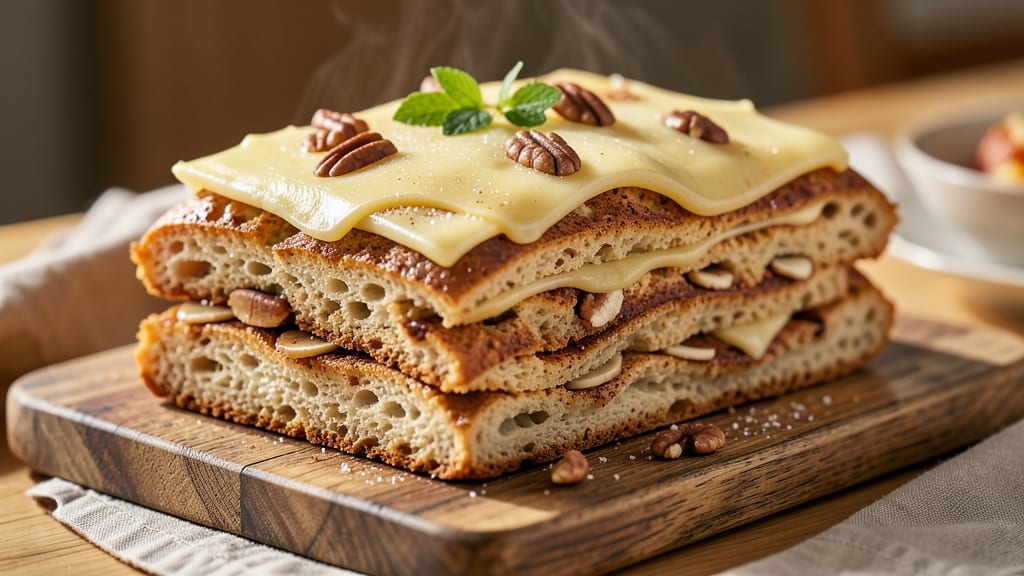
This Amish friendship bread sourdough starter recipe brings the heart of Pennsylvania farm kitchens to your own home, where warm spices and walnut swirls create a loaf that's as comforting as it is beautiful.
The secret lies in a patiently cultivated starter and the rhythmic folding technique that develops gluten for that signature tender crumb—just like the Amish have been making for generations.
What makes this bread special isn't just its taste, but the tradition it carries: a gift of hospitality baked into every slice.
The process begins with creating your sourdough starter from scratch, a method that rewards patience with unmatched flavor. You'll knead the dough by hand, folding it at precise intervals to build strength and texture, then shape it into its iconic round form with a walnut-spiced center.
The Dutch oven bake creates that perfect oven spring and crispy crust that makes this bread irresistible straight from the oven.
What you'll end up with is a loaf that's both rustic and elegant—golden brown crust with a crackly top, tender interior flecked with walnuts and cinnamon, and a subtle tang from the sourdough.
The aroma alone will fill your kitchen with warmth, while the texture offers just the right balance of chewiness and softness. This isn't just bread; it's a tradition you can pass down.
Perfect for holidays, gifts, or simply treating yourself to homemade goodness, this recipe delivers restaurant-quality results with simple ingredients and traditional techniques. The best part? Every bite carries the story of the Amish communities who've been perfecting this art for decades. Let's get started on creating your own heirloom-quality loaf.
Ingredients for amish friendship bread sourdough starter
Warm spices, walnuts, and a patiently cultivated starter—this is the heart of Amish tradition in every slice.
| Ingredient | Amount | Notes |
|---|---|---|
| Unbleached All-Purpose Flour 🌾 | 4 cups | High-protein for better gluten |
| Active Dry Yeast 🍞 | ¼ oz | Or 2 1/4 tsp (7g) |
| Granulated White Sugar 🍚 | ½ cup | Feeds yeast for activation |
| Unsalted Butter 🧈 | ½ cup | Cold, cubed for folding |
| Walnuts 🥜 | 1 cup | Chopped, toasted for flavor |
| Ground Cinnamon 🍃 | 2 tbsp | Warm spice for Amish touch |
| Salt 🧂 | 1 ½ tsp | Diamond Crystal preferred |
| Whole Milk 🥛 | 1 cup | Warm for yeast activation |
| Sourdough Starter 🍞 | 1 cup | Active, bubbly starter |
| Honey 🍯 | 1 tbsp | Feeds starter for tang |
| Large Egg 🥚 | 1 whole | For dough binding |
| Vanilla Extract 🍯 | 1 tsp | Pure, not imitation |
| Cornmeal 🌽 | ¼ cup | For dusting work surface |
| Water 💧 | ½ cup | Lukewarm for hydration |
The starter is everything—this isn't just any sourdough, it's the soul of the bread. King Arthur or Bob's Red Mill flour works best for that tender crumb, but any high-protein flour will do. For the starter, I always use a mix of whole wheat and all-purpose (50/50) for depth of flavor. If you're new to starters, grab a jar of Annie's Sourdough Starter from the baking aisle as a backup. The walnuts? Trader Joe's has the best price—just toast them until fragrant for maximum flavor. And that butter? Plugrá is my go-to for rich, European-style flavor.
No walnuts? Pecans or hazelnuts work beautifully—just toast them first. Out of cinnamon? Cardamom or nutmeg give a different but equally warm vibe. The yeast is non-negotiable though—Saf-Instant is my secret weapon for reliable rises. If your starter isn't bubbly after 4-6 hours, feed it another tablespoon of flour and honey (50/50 mix). The milk should be warm to the touch—like bathwater, not scalding. And that egg? Room temperature makes all the difference in dough elasticity.
This dough is a beast—it needs 24 hours of cold proofing for that signature tender crumb. Wrap it tightly in plastic and refrigerate. The butter will soften slightly but won't melt if stored properly. For the Dutch oven bake, preheat your oven to 475°F with the pot inside for at least 30 minutes. The bread keeps well for 3-4 days at room temperature, but trust me, it'll disappear faster than that. Freeze slices for up to 3 months—just wrap them individually in parchment.
Why You'll Love This Recipe
- No Yeast Hassle: I keep a simple sourdough starter on the counter—just flour and water—but this recipe lets me skip the fuss. A pinch of active dry yeast and sugar jumpstarts the process, so I’m not waiting weeks for fermentation. Honestly, it’s the best of both worlds: that tangy depth without the patience test.
- Buttery Nut Magic: That combo of warm butter and toasted walnuts? Ridiculously good. The nuts add crunch while the butter melts into every bite, making it taste like a hug from your favorite baker. (Yes, even on a Tuesday night.)
- Pan-Friendly Flexibility: This dough works for quick breads, breakfast pastries, or even a hearty loaf—no fancy equipment needed. I’ve made it in cast iron, a muffin tin, and even as a skillet cornbread substitute. Between us, it’s my go-to when I’m not in the mood to plan.
- Starter Savings: A small batch of this starter stretches into multiple loaves, and the leftovers freeze like a dream. I whip up a batch on Sundays, then pull out portions all week—no wasted dough, no extra trips to the store. My wallet (and my taste buds) thank me.
Step-by-step instructions for Amish friendship bread
Here's how to create this beloved comfort bread with its signature walnut swirl and warm spice aroma.
👨🍳 Step 1: Mix the Sourdough Dough
In a large mixing bowl, combine the 4 cups unbleached all-purpose flour, 1 cup sourdough starter, 1 cup whole milk, 1 tbsp honey, 1 whole large egg, 1.5 tsp salt, and 0.5 cup granulated white sugar. Mix until just combined—you want to avoid developing too much gluten at this stage, so don't overmix. The dough should look shaggy but hold together when pressed.
I like to use my hands for this part, gently kneading just until the ingredients come together. The sourdough starter should be bubbly and active—if it's not, your bread won't rise properly. Add the 0.5 cup lukewarm water gradually if the dough seems too dry. Cover the bowl with a damp towel and let it rest for 30 minutes at room temperature. This initial rest helps the gluten relax and the starter activate fully.
🍳 Step 2: Prepare the Walnut-Cinnamon Filling
While the dough rests, toast the 1 cup walnuts in a dry skillet over medium heat for 5-7 minutes until fragrant and golden. Let them cool completely, then chop them coarsely. In a small bowl, mix the toasted walnuts with 2 tbsp ground cinnamon and set aside.
This is where the Amish touch comes in—the warm cinnamon and nutty walnuts create that signature flavor. I press the walnuts lightly with the flat side of a knife before chopping to make them easier to incorporate later. The cinnamon should be freshly ground for maximum aroma and flavor impact.
👨🍳 Step 3: Knead and Shape the Dough
After the 30-minute rest, turn the dough onto a surface lightly dusted with 0.25 cup cornmeal. Knead the dough for 8-10 minutes by hand until smooth and elastic. The dough should be slightly tacky but not sticky—add more cornmeal if needed. Fold in the walnut-cinnamon mixture, pressing it gently into the dough to distribute evenly.
Here's a pro tip: I divide the dough into 4 equal portions (about 1 pound each) and shape them into smooth balls. This makes the swirl step easier later. Cover the shaped dough with the damp towel again and let it rise in a warm place for 1-1.5 hours, or until doubled in size. You'll know it's ready when the dough springs back slowly when pressed gently.
🥘 Step 4: Create the Signature Swirl
Once the dough has risen, punch it down gently to release air. On a lightly floured surface, roll each dough ball into a 12-inch rectangle about ½-inch thick. Sprinkle 0.25 cup cold unsalted butter (cut into small cubes) evenly over each rectangle, leaving a ½-inch border around the edges. This butter will create the beautiful golden swirl pattern.
Starting from one of the long sides, roll the dough tightly into a log, sealing the edges as you go. Place the log seam-side down on a parchment-lined baking sheet. Using a sharp knife, make 4 diagonal cuts (about ½-inch deep) through the top of the log, being careful not to cut all the way through. This creates the classic swirl pattern when baked.
🔥 Step 5: Bake to Golden Perfection
Preheat your oven to 375°F while the dough rests for another 20 minutes to allow the butter to soften slightly. Brush the tops of the loaves with a mixture of 1 tbsp vanilla extract and 1 tbsp water for a beautiful sheen. Bake for 25-30 minutes until the bread is deep golden brown and sounds hollow when tapped on the bottom.
The internal temperature should reach 190-200°F when measured with an instant-read thermometer. Let the bread cool on a wire rack for at least 30 minutes before slicing—this prevents the butter from oozing out and keeps the texture perfect. The aroma filling your kitchen will be worth the wait!
Pro Tips For Making Amish Friendship Bread Sourdough Starter
- Weigh Your Ingredients: I learned this the hard way—using volume measurements for flour in this recipe leads to inconsistent results. A 1% difference in flour weight (say, 500g vs. 510g) throws off the dough’s structure, especially when mixing walnuts and butter. Grab a kitchen scale and measure to the gram—your starter will thank you.
- Toast the Walnuts First: Skipping this step means bland, mealy walnuts that don’t add texture or flavor. Lightly toast them in a dry pan over medium heat for 5–7 minutes, shaking the pan often, until they’re fragrant and just starting to brown. Let them cool completely before chopping—hot walnuts release oils that can make your dough greasy.
- Let the Dough Rest After Mixing: Resist the urge to jump straight to shaping. After combining all ingredients, let the dough sit covered at room temperature for 20–30 minutes. This gives the gluten time to relax and the butter to soften, making it far easier to handle and shape later. (Yes, even if you’re impatient like me.)
- Use Cold Butter: I was skeptical until I tried it—cold, cubed butter (not softened) creates pockets of steam during baking, resulting in that signature tender, flaky crumb. Cut the butter into small cubes and toss it into the flour mixture without warming it first. The contrast in temperature is what makes this bread shine.
Wine and beer pairings for this dish
Sweet Wine Pairings
A Moscato d'Asti from Italy is my go-to choice for this bread—its light sweetness and delicate bubbles complement the warm spices and nutty richness without overpowering. Look for a chilled bottle with 5-6% ABV like Saracco Moscato or Bartoli Prosecco.
The effervescence cleanses your palate between bites of dense, buttery bread. 🍷
Spiced Beer Matches
For beer lovers, a honey brown ale or spiced wheat beer works beautifully. Try Allagash Honey Brown Ale—its caramel and vanilla notes mirror the bread's cinnamon and walnut flavors.
Alternatively, a German Dunkelweizen with clove and orange zest adds a festive touch. Serve both at 50-55°F to enhance their aromatic qualities.
Coffee Contrasts
If you prefer coffee, a medium-roast Sumatra with its earthy, chocolatey notes creates a perfect contrast to the sweet-spiced bread. Brew it slightly stronger than usual (1.5 tbsp coffee per 6 oz water) and serve it black or with a splash of heavy cream.
The bold flavors stand up to the butter and walnuts while adding a cozy warmth.
After-Dinner Options
For a more robust pairing, consider a tawny Port with 10-year aging. The nutty, caramelized flavors in Graham's 10-Year Tawny echo the walnuts while its smooth finish balances the bread's richness.
Serve at 60°F to appreciate its depth without alcohol burn. Perfect for sharing with guests after a hearty meal.
Non-Alcoholic Choices
Don't drink alcohol? A sparkling apple cider like Martinelli's Sparkling Apple Cider (chilled) offers similar refreshing contrast. For something richer, try hot chai tea spiced with cinnamon and cardamom—it mirrors the bread's warm flavors while adding comforting warmth. Both work beautifully with the bread's buttery texture.
Seasonal Adaptations
In winter, swap to a mulled wine (red wine with cinnamon sticks, orange peel, and cloves) for a festive pairing. In summer, a dry Riesling with its crisp acidity cuts through the richness. The key is matching the bread's sweet-spiced profile with complementary flavors—whether through sweetness, spice, or acidity. 🌟
Nutrition facts
Frequently asked questions
How long does it take to make the sourdough starter for this recipe?
The starter needs 5-7 days of daily feeding to become fully active. Start with 50g whole wheat flour + 50g water in a jar, cover loosely, and feed every 24 hours with equal parts flour and water. By day 5-7, it should bubble vigorously when fed and double in size within 4-6 hours. Patience is key—rushing this step weakens the flavor!
Can I substitute the walnuts in this recipe?
Yes! Try pecans, hazelnuts, or even chopped dates for a different texture. Toast them first to enhance flavor. For a nut-free version, use chopped dried apricots mixed with 1 extra tbsp cinnamon. Just remember the filling should be about 1 cup total volume to maintain the right balance in the dough.
Why does my dough keep sticking to my hands?
This happens when the dough has too much moisture or isn't rested enough. First, make sure your 4 cups flour is high-protein (like King Arthur). If the dough is too wet, add 1-2 tbsp more flour gradually. Always let the dough rest 30 minutes after mixing before kneading—this relaxes the gluten. Keep your work surface lightly dusted with cornmeal, not flour (it's heavier and gives better texture).
How do I know when the bread is fully baked?
Look for deep golden brown color and listen for a hollow sound when you tap the bottom. The internal temperature should reach 190-200°F in the center. If the top browns too quickly, tent with foil after 15 minutes of baking. The bread will continue cooking as it cools, so don't overbake—it should pull away cleanly from the sides of the pan.
Can I make this bread without a Dutch oven?
Yes, but you'll need to create steam. Place a baking sheet on the lower oven rack before preheating, then pour 1 cup boiling water into it when you put the bread in. For best results, use a heavy oven-safe skillet or cast iron pan. The bread won't get quite as crispy, but it'll still be delicious. Just bake 10-15 minutes longer to compensate for the lack of steam.