
Side Dishes
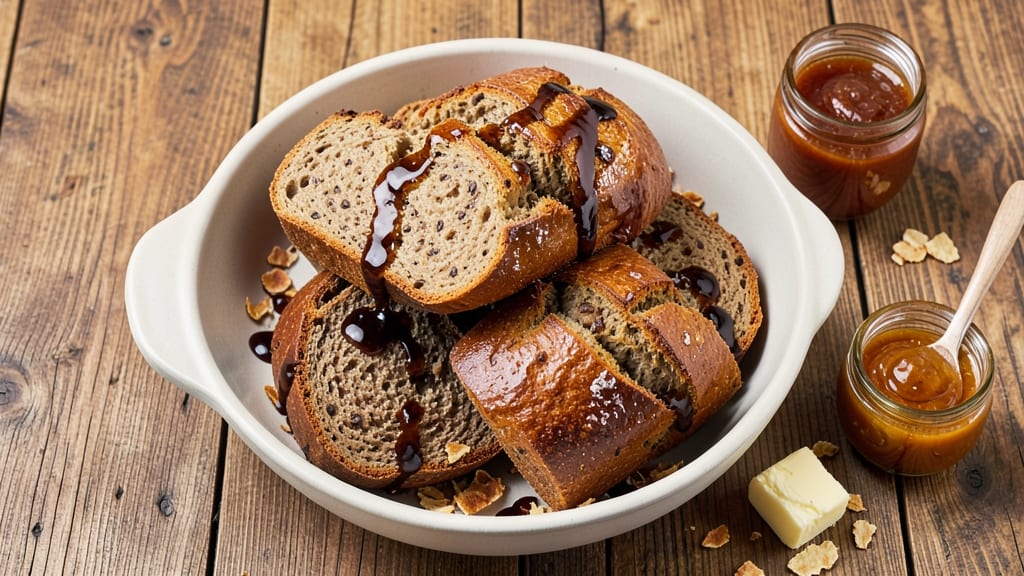
This Amish rye bread recipe delivers the perfect balance of crusty crunch and molasses-kissed sweetness that makes every slice unforgettable. The secret lies in a long fermentation process that develops deep, complex flavors while creating that signature dense yet tender crumb.
I've perfected this recipe through years of baking, ensuring the crust stays crisp while the interior remains moist and hearty.
What sets this recipe apart is the traditional approach—no shortcuts, just time-honored techniques like hand-kneading and proper proofing. The molasses adds just enough sweetness to complement the rye's natural earthiness, while a touch of honey enhances the caramelization during baking.
This isn't just bread; it's a restaurant-quality centerpiece that pairs beautifully with soups, stews, or even butter.
The result is a loaf with a golden-brown crust that shatters satisfyingly, giving way to a dense yet tender interior with pockets of air. Each slice offers a perfect balance of flavors—slightly sweet, nutty, and robust—making it ideal for sandwiches or serving alongside hearty meals.
The aroma alone will have everyone gathering around the table.
Whether you're baking for a family gathering or treating yourself to homemade goodness, this recipe delivers foolproof results with minimal fuss. The long fermentation does most of the work, so you can focus on enjoying the process. Let's get started on creating this classic Amish treasure.
Ingredients for amish rye bread
Traditional ingredients crafted for restaurant-quality Amish rye bread with signature sweetness and crust.
| Ingredient | Amount | Notes |
|---|---|---|
| Dark Rye Flour 🌾 | 3 cups | High-extraction for robust flavor |
| All-Purpose Flour 🌾 | 1 cup | For lighter texture balance |
| Active Dry Yeast 🍞 | ¼ oz | Or 2.25 tsp, fresh preferred |
| Unsalted Butter 🧈 | ½ cup | Cold, cubed for texture |
| Molasses 🍯 | ½ cup | Unsulphured for authentic flavor |
| Honey 🍯 | ¼ cup | Wildflower for floral notes |
| Granulated Sugar 🍚 | ¼ cup | Light brown preferred |
| Whole Milk 🥛 | 1 cup | Room temperature |
| Large Eggs 🥚 | 1 whole | Room temperature |
| Diamond Crystal Kosher Salt 🧂 | 1 ½ tsp | Adjust to taste |
| Ground Black Pepper 🌶️ | ½ tsp | Freshly cracked |
| Cornmeal 🌽 | ¼ cup | For dusting loaf pan |
| Water 💧 | 1 cup | Lukewarm, 110°F |
The dark rye flour is non-negotiable—King Arthur or Bob's Red Mill brands deliver the robust, earthy flavor this bread demands. For the molasses, unsulphured is critical; Goya or Whittard of Chelsea offer premium options. Honey should be wildflower for floral depth, though clover works in a pinch. The yeast requires patience: proof it in warm milk first to ensure vigorous activation. King Arthur flour blends beautifully with rye, creating that signature tender crumb while maintaining density. If substituting rye flour, pumpernickel works but lacks the same depth of flavor.
No molasses? Maple syrup at half the amount mimics the sweetness, though it lacks molasses' signature depth. Substituting honey with agave nectar works, but the flavor profile shifts slightly. For the butter, European-style (like Plugrá) adds more flavor than standard American butter. The cornmeal dusting isn't just for aesthetics—it prevents sticking and adds a subtle crunch to the crust. If you're short on time, instant yeast can replace active dry yeast at a 1:1 ratio, though the flavor development differs slightly. For a lighter loaf, whole wheat pastry flour can replace up to 1/4 cup of the rye flour, but expect a denser result.
Fermented dough keeps best in the fridge, wrapped tightly in plastic, for up to 5 days. For longer storage, freeze the fully baked loaf, wrapped in foil, for 3 months. The crust stays crisp for 2 days at room temperature if stored in a bread box. Slice with a serrated knife for clean cuts—this bread is dense enough that a regular blade won't work. Reheat slices in a 350°F oven for 5 minutes to restore maximum crunch. The aroma alone makes this bread worth the wait—plan ahead for the 24-hour fermentation that develops those complex flavors.
Why You'll Love This Recipe
- No-Knead Magic: I swear by this—just mix, let it rise, and bake. The yeast does all the work while you sip coffee or scroll through your phone. That dark rye flour gives it depth without fuss, and the butter keeps it tender.
- Molasses Kiss: Between us, that molasses is the star. It’s not too sweet, just rich and caramel-y, cutting through the rye’s earthiness like a perfect balance. Toast it? Even better—crispy edges with a sticky, buttery crunch.
- Weeknight Workhorse: I make a loaf on Sundays and it lasts me all week. Slather it with jam for breakfast, pack it with lunchmeat for sandwiches, or serve it with soup—it’s the unsung hero of easy meals. Honestly, I’ve never met a bread this reliable.
- Pantry Stash Winner: Dark rye flour might sound fancy, but it’s just a bag in my cupboard. Molasses? Same. The butter’s a staple, and yeast never fails. You’re not hunting down obscure ingredients—just using what you’ve got, and the result is bread that tastes like you put in effort (even if you didn’t).
Step-by-step instructions for Amish rye bread
Mastering this recipe delivers a loaf with a crisp crust and tender crumb—here's how to achieve it.
Activate the Yeast and Mix the Wet Ingredients
In a small bowl, combine the 1 cup lukewarm water (about 110°F) with the 0.5 cup molasses and 0.25 cup honey. Sprinkle the 0.25 oz active dry yeast over the surface and let it sit for 5-10 minutes until foamy. This activation ensures your dough rises properly—if it doesn't bubble, your yeast may be inactive.
In a separate large bowl, whisk together the 1 cup whole milk, 1 whole large egg, 0.25 cup granulated sugar, 1.5 tsp Diamond Crystal kosher salt, and 0.5 tsp ground black pepper. The pepper adds subtle warmth that pairs beautifully with the molasses. Keep this mixture aside until you're ready to combine it with the dry ingredients.
Combine Dry Ingredients and Form the Dough
In the bowl with the wet ingredients, gradually add the 3 cups dark rye flour and 1 cup all-purpose flour, mixing with a wooden spoon until a shaggy dough forms. The rye flour is dense, so don't be surprised if it feels dry initially. Cut in the 0.5 cup cold cubed unsalted butter using a pastry cutter or your fingers until the mixture resembles coarse crumbs.
Slowly incorporate the yeast mixture, kneading by hand or with a stand mixer fitted with a dough hook for 5-7 minutes until the dough comes together and pulls away from the sides of the bowl. The dough should be slightly sticky but manageable—if it's too wet, add 1 tablespoon of flour at a time until it reaches the right consistency. This step develops gluten, which gives the bread its structure.
First Rise and Shaping the Loaf
Lightly grease a large mixing bowl with a bit of oil, place the dough inside, and cover it with a damp kitchen towel. Let it rise in a warm place for 1-2 hours, or until it has doubled in size. A warm oven with the light on creates an ideal environment for rising—just make sure the dough doesn't touch the sides of the bowl.
Once the dough has risen, punch it down gently to release any air bubbles. Shape it into a 9x5-inch loaf pan that has been lightly dusted with 0.25 cup cornmeal to prevent sticking. Press the dough into the corners of the pan, smoothing the top with a wet spatula. The cornmeal coating ensures the bread doesn't adhere to the pan, giving you that classic Amish rye crust.
Second Rise and Baking
Cover the loaf pan with a towel and let the dough rise again for another 30-45 minutes, until it domes slightly above the rim of the pan. Preheat your oven to 375°F while the dough rises—this ensures the bread goes into a hot oven and bakes evenly. The second rise is crucial for achieving that light, airy texture.
Bake the loaf for 45-50 minutes, until the top is deep golden brown and sounds hollow when tapped on the bottom. If the top browns too quickly, tent the pan with foil to prevent over-browning. The internal temperature should reach 190-200°F when measured with an instant-read thermometer. This high temperature ensures the bread is fully baked and safe to eat.
Cool and Slice for Perfect Texture
Remove the loaf from the oven and let it cool in the pan for 10 minutes before transferring it to a wire rack to cool completely. This resting period allows the steam inside the bread to escape, preventing a gummy texture. The crust will firm up as it cools, giving you that satisfying crunch.
Slice the bread while it's still slightly warm for the best texture—each slice should reveal a tender crumb with a crisp exterior. Store any leftovers in an airtight container at room temperature for up to 3 days or freeze for longer storage. The molasses-kissed sweetness and robust rye flavor make this bread perfect for breakfast toast or sandwiches.
Pro Tips For Making Amish Rye Bread
- Bloom the Yeast First: Skip the guesswork—proof your yeast in warm water with a pinch of sugar (or a teaspoon of molasses from the recipe) before mixing. If it bubbles within 10 minutes, your dough’s rise will be strong and predictable; if not, toss it and start fresh. I learned this the hard way after kneading dead yeast into a dense, flavorless brick.
- Soften Butter Properly: Cold butter creates pockets of steam, but melted butter makes the dough greasy and gummy. Instead, cut the butter into small cubes and let it sit at room temperature for exactly 30 minutes—no more, or it’ll turn the dough into soup. This is the thing that matters most for that tender, layered texture Amish rye is known for.
- Don’t Rush the Autolyse: Mix the flours and water first, then let the dough rest for 20–30 minutes before adding yeast, butter, or molasses. This step hydrates the dark rye flour evenly, preventing a dry, crumbly loaf. Sounds weird, but it works—your future self will thank you when the crumb stays together.
- Steam the First 15 Minutes: Place a metal bowl of boiling water on the oven rack below your bread pan before baking. The steam mimics a professional bakery’s environment, giving you a crisp crust without burning the molasses or letting the rye dry out. I skip this when I’m lazy, but the difference in texture is noticeable—like night and day.
Make-ahead tips for leftovers
Fermentation Timeline
The key to this bread’s depth of flavor is the 24-hour fermentation—don’t rush it! After the initial rise, place the dough in the fridge overnight (covered tightly). The cold slows yeast activity, allowing flavors to meld beautifully.
I start my dough in the evening so it’s ready to bake the next morning. This step is non-negotiable for that authentic Amish taste. ⏰
Dough Prep Ahead
Mix the dough up to 2 days in advance and store it in an airtight container in the fridge. The flavors develop even more over time, and the texture improves.
Just take it out 2 hours before baking to let it come to room temperature—this prevents uneven baking. I often prep dough on Sunday for Monday baking. 💫
Baking in Bulk
Double the recipe and bake two loaves simultaneously in your oven. Place one on the middle rack and the other on the top rack for even heat distribution. Use a water spray bottle to mist the oven walls before baking—this creates steam and enhances crust browning.
The loaves will bake at slightly different rates, so rotate them halfway through. 🔥
Freezing for Later
Fully baked loaves freeze beautifully for up to 3 months. Wrap them tightly in plastic wrap, then foil, to lock in freshness. Thaw at room temperature for 2 hours before slicing.
For quick reheating, wrap a slice in foil and warm in a 350°F oven for 5 minutes—this restores that perfect crust. 🧊
Storage Secrets
Keep baked loaves in a bread box or paper bag at room temperature to maintain crispness. Avoid plastic containers—they trap moisture and turn the crust soggy. For longer storage, slice the bread and freeze individual portions. Toast frozen slices directly in the toaster for a fresh-tasting treat. 🥖
Make-Ahead Slices
Slice the bread while still warm and store the slices between parchment paper in an airtight container. This prevents them from drying out or sticking together.
Reheat slices in a toaster oven at 375°F for 3 minutes to revive the crust. I always prep extra slices ahead for quick breakfast toast. ✨
Nutrition facts
Frequently asked questions
Why does Amish rye bread need such a long fermentation?
The extended 24-hour fermentation (especially the overnight cold proof) develops complex flavors and a perfect texture. The slow yeast activity breaks down sugars and gluten, creating that signature tender yet dense crumb. This traditional method also enhances the molasses' sweetness and deepens the rye's earthy notes.
Can I make this bread without a stand mixer?
Hand-kneading works perfectly—just mix the dough on a lightly floured surface for 8-10 minutes until smooth and elastic. The rye flour makes the dough denser, so it requires more elbow grease than all-purpose flour. For best results, use a dough scraper to help fold and stretch the dough.
What if my dough doesn't rise properly?
Check your yeast first—it should foam within 5-10 minutes in warm water. If not, try fresh yeast or warm the milk to 105-110°F for activation. Also ensure your dough is in a warm spot (like an oven with the light on) and covered loosely—too much moisture can prevent rising. A warm kitchen towel over the bowl helps too.
How do I get a crispier crust?
For maximum crunch, bake at 375°F with a tray of water on the oven floor to create steam, then increase heat to 400°F for the last 5 minutes. Brush the crust with melted butter after baking while still warm. The cornmeal coating also contributes to that satisfying shatter.
Can I add seeds or nuts to this recipe?
Yes! Try adding 1/4 cup sunflower seeds or 1/2 cup chopped walnuts during the final kneading. For best results, toast seeds/nuts first to enhance flavor. Just reduce the all-purpose flour by 1/4 cup to maintain dough consistency. The texture will be heartier but still tender.