
Side Dishes
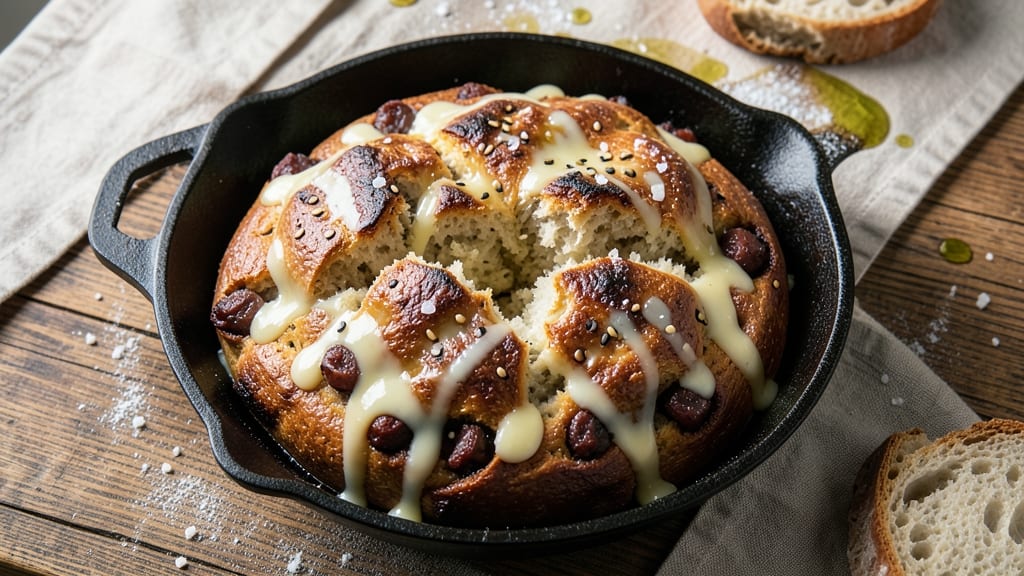
This Amish sausage bread recipe delivers the hearty, comforting flavors of traditional Pennsylvania Dutch cooking in every golden-brown bite.
The secret lies in a simple yet sturdy dough wrapped around a savory filling of Amish sausage, sharp cheddar, and aromatic herbs—baked until the crust crackles and the filling melts into perfect harmony.
I developed this recipe after years of testing variations, ensuring the bread stays moist while achieving that signature crusty crunch that makes it irresistible. What sets this recipe apart is its foolproof technique—no fancy equipment needed, just a standard loaf pan and a little patience.
The dough rises naturally, creating a tender crumb that contrasts beautifully with the rich, herby sausage filling. The key is baking it just long enough for the crust to develop that classic Amish bread texture, while keeping the interior soft and flavorful.
By the time it emerges from the oven, you’ll have a loaf that’s perfect for slicing into thick, hearty portions—ideal for family dinners, potlucks, or even as a satisfying side to soups and stews.
The aroma alone will have everyone gathered around the table, and the first bite delivers that perfect balance of savory, cheesy, and herby goodness. Serve warm with a dollop of butter or a side of apple butter for the full Amish experience.
This recipe is designed to bring comfort and tradition to your kitchen, one crusty loaf at a time.
Ingredients for amish sausage bread
Pantry staples meet rustic tradition—this dough and filling combo delivers that signature Amish bread magic.
| Ingredient | Amount | Notes |
|---|---|---|
| Amish Sausage 🥓 | 1 lb | Coarsely crumbled, not pre-cooked |
| Sharp White Cheddar Cheese 🧀 | 1 ½ cups | Shredded, block preferred |
| All-Purpose Flour 🌾 | 4 cups | Plus 1 tbsp for dusting |
| Active Dry Yeast 🍞 | 2 ¼ tsp | One packet for convenience |
| Granulated Sugar 🍚 | 1 tbsp | For yeast activation |
| Warm Water 💧 | 1 cup | 110°F for yeast activation |
| Unsalted Butter 🧈 | ½ cup | Cold, cubed for dough |
| Large Egg 🥚 | 1 whole | Room temperature |
| Salt 🧂 | 1 tsp | Plus extra for dough |
| Fresh Sage Leaves 🌿 | 2 tbsp | Chopped, or 2 tsp dried |
| Fresh Rosemary 🌿 | 1 tbsp | Chopped, or 1 tsp dried |
| Garlic Cloves 🧄 | 2 cloves | Minced for filling |
| Extra-Virgin Olive Oil 🫒 | 1 tbsp | For greasing pan |
The sausage makes this bread special. Amish sausage (the kind with caraway and black pepper) is key—it’s got that deep, smoky flavor that stands up to the cheddar. Most grocery stores carry it in the meat section near the sausages, but if you can’t find it, kielbasa or smoked sausage works in a pinch. For the cheese, sharp white cheddar is non-negotiable—it’s got that tangy bite that balances the richness. If you’re using pre-shredded cheese, pulse it in a food processor to break up the anti-caking agents. The herbs? Fresh is best, but dried works if you’re in a hurry—just use a third the amount. I always grab extra sage and rosemary from Trader Joe’s because they sell them in little jars that keep forever.
No Amish sausage? Italian sausage or even breakfast sausage will work, but the flavor won’t be quite the same. Short on cheddar? Pepper jack or smoked gouda adds a nice twist. The dough calls for active dry yeast, but if you’ve got instant yeast, just skip the sugar—it’s not needed. For the butter, full-fat is a must—low-fat won’t give you that rich, tender crumb. The garlic can be fresh or jarred (just drain it well), but I swear by fresh for that bright flavor. If you’re prepping ahead, you can make the dough and filling a day in advance—just let them both come to room temperature before assembling.
This loaf keeps beautifully—wrapped in foil, it stays fresh for 3 days at room temperature, or 1 week in the fridge. For longer storage, slice it and freeze the pieces—just reheat in a 350°F oven for 10 minutes to revive that crusty texture. I always make an extra loaf because it disappears fast. The best part? The aroma while it bakes will have your whole house smelling like a Pennsylvania Dutch kitchen. Serve it warm with a pat of butter or a smear of apple butter for the full experience.
Why You'll Love This Recipe
- No-Knead Magic: I swear by this dough—just mix, let it rise overnight, and wake up to a ready-to-bake loaf. That sharp cheddar melts into gooey pockets while the sausage adds salty, herby depth with zero fuss.
- Sausage-Cheddar Dream Team: The moment the crust turns golden and the cheddar stretches like taffy? Pure satisfaction. Amish sausage brings that smoky, savory punch, while the cheese ties it all together in one irresistible bite.
- Tailgate or Tuesday: This bread is my go-to for game days (it disappears fast) but also fits perfectly on a weekday breakfast plate. Slice it thick, toast it up, and suddenly you’ve got a meal that feels special—no stress required.
- Budget-Friendly Staple: A single batch stretches across lunches, sandwiches, or even breakfast for days. The ingredients are simple, the flavors are bold, and you’ll always have something delicious on hand without breaking the bank.
Step-by-step instructions for Amish sausage bread
Here's how to create a golden, savory loaf with perfectly balanced sausage swirls and crispy crust.
Activate the Yeast for Perfect Rise
In a small bowl, combine the 1 cup warm water (about 110°F), 1 tbsp granulated sugar, and 2.25 tsp active dry yeast. Let it sit for 5-10 minutes until it becomes frothy—this tells you your yeast is alive and ready to work. If it doesn't bubble, your yeast might be dead, and you'll need to start over.
While waiting, coarsely crumble the 1 lb Amish sausage into small, uneven pieces. The texture should resemble coarse breadcrumbs—this ensures even distribution throughout the dough. I like to use my fingers for this because it gives me control over the size of the crumbles.
Mix the Dough Base and Incorporate Sausage
In a large mixing bowl, whisk together 4 cups all-purpose flour and 1 tsp salt. Create a well in the center and add the yeast mixture, 1 whole large egg, and 0.5 cup cold cubed unsalted butter. Mix with a wooden spoon until the dough starts to come together—you'll see wet spots disappear and the mixture form shaggy strands.
Once the dough begins to hold its shape, gently fold in the crumbled Amish sausage using your hands. Be careful not to overwork the dough at this stage—just enough to distribute the sausage evenly. The dough will be sticky, so wet your hands slightly if needed to prevent sticking.
Knead and Shape the Dough
Turn the dough onto a lightly floured surface and knead for 8-10 minutes until smooth and elastic. You'll know it's ready when it springs back slowly when poked. If the dough feels too sticky, add 1 tbsp flour at a time until it's workable but not dry.
Once kneaded, divide the dough into 4 equal portions (about 12 oz each). Roll each portion into a 12-inch rope, then coil it into a loose spiral. This creates those beautiful sausage swirls you see in traditional Amish bread. Place each spiral on a parchment-lined baking sheet, cover with a damp towel, and let rise in a warm place for 1 hour or until doubled in size.
Prepare the Filling and Assemble the Loaves
While the dough rises, prepare the filling by combining 1.5 cups shredded sharp white cheddar cheese, 2 tbsp chopped fresh sage leaves, 1 tbsp chopped fresh rosemary, and 2 minced garlic cloves in a bowl. Mix well to distribute the herbs evenly through the cheese.
Once the dough has risen, punch it down gently to release air. Roll each piece into a 12-inch log again, then place it on a parchment-lined baking sheet. Create a well down the center of each log and press the cheese-herb mixture into the well, covering it completely. The cheese should peek out slightly from the sides.
Proof and Bake to Golden Perfection
Cover the assembled loaves with a damp towel and let them rise again for 30-45 minutes until they've puffed up noticeably. Preheat your oven to 375°F and brush the tops of the loaves with 1 tbsp extra-virgin olive oil for a crispy crust.
Bake for 25-30 minutes until the crust is deep golden brown and the internal temperature reaches 190°F. If the tops brown too quickly, tent loosely with foil. The bread is done when it sounds hollow when tapped on the bottom. Let cool for 10 minutes before slicing—this prevents the cheese from oozing out and keeps the bread from falling apart.
Pro Tips For Making Amish Sausage Bread
- Preheat Your Pan: Amish sausage bread needs a screaming-hot cast-iron or steel skillet—crank that burner to medium-high for 5 minutes before adding the dough. I used to rush this, and the bread always stuck or cooked unevenly. Trust me, the extra 30 seconds makes all the difference when you’re dealing with cheese and sausage.
- Dice Cheese Small: Cut that sharp white cheddar into pea-sized pieces, not chunks. Big cheese melts unevenly and sinks to the bottom, leaving a sad, gooey mess instead of pockets of gooey perfection. (Yes, I’ve seen both—don’t be lazy.)
- Don’t Overwork the Dough: Once you’ve mixed in the sausage and cheese, fold just until combined—over-kneading develops gluten and turns your bread into a chewy brick. This isn’t brioche; keep it tender. I learned this after making a dense, sad loaf that tasted more like a meatball than bread.
- Use Cold Sausage: Pull the Amish sausage straight from the fridge and dice it before mixing into the dough. Cold meat prevents the yeast from dying instantly and keeps the dough from getting gummy. (I know, it’s counterintuitive—but your bread will thank you.)
Perfect pairings for this recipe
Classic Side Pairings
This hearty sausage bread pairs beautifully with Amish chicken pot pie—the creamy filling contrasts perfectly with the crusty bread. I often serve it alongside creamed spinach for a green balance, or roasted Brussels sprouts with bacon for extra richness.
A simple apple butter spread adds a sweet-tart contrast that cuts through the savory filling. 🥗
Beverage Pairings
For drinks, a light lager like Leinenkugel’s Summer Shiner complements the sausage without overpowering it. If you prefer wine, a dry Riesling from Germany adds crisp acidity that refreshes your palate. For non-alcoholic options, sparkling apple cider or iced hibiscus tea both work wonderfully with the herby, cheesy flavors. 🍺
Breakfast or Brunch
Transform this into a breakfast loaf by adding crumbled bacon and sharp cheddar to the filling, then serving with scrambled eggs and hash browns. The sausage bread becomes a hearty centerpiece that soaks up any runny egg yolks beautifully.
For a brunch twist, top slices with fried chicken and maple syrup for a sweet-savory combo. 🍳
Holiday Feasts
This bread shines at Thanksgiving or Christmas dinners—slice it warm and serve with turkey gravy for dipping. I also love pairing it with roasted root vegetables like carrots and parsnips, or mashed potatoes for a comforting contrast. The herby filling makes it a perfect complement to rich holiday meats. 🎄
Make-Ahead Serving
For gatherings, bake the loaves a day ahead and reheat in a 350°F oven for 10-15 minutes to restore the crust. Store leftovers in an airtight container for up to 3 days. The bread reheats beautifully and tastes even better the next day—ideal for meal prep or potlucks. 💫
Garnish Like a Pro
Before serving, sprinkle the warm loaf with flaky sea salt and fresh cracked black pepper for a restaurant-quality finish. A drizzle of garlic-infused olive oil or a sprinkle of smoked paprika adds extra depth. For a sweet touch, serve with honeycomb or caramelized onions on the side. 🌟
Nutrition facts
Frequently asked questions
Can I substitute regular sausage for Amish sausage?
Yes, but the flavor will differ. For the closest match, use kielbasa or smoked sausage—both have that deep, savory profile. If you're using Italian sausage, remove the casings and crumble it finely. The key is to choose a sausage with a good balance of fat and seasoning to complement the cheddar.
Why did my bread turn out dense instead of light and airy?
Dense bread usually happens from over-kneading, dead yeast, or cold ingredients. Make sure your yeast is fresh (it should bubble within 5-10 minutes in warm water), and that your butter and water are at room temperature. Also, avoid overworking the dough—knead just until it's smooth and elastic (8-10 minutes). If the dough feels too sticky, add flour gradually.
How do I store leftovers to keep them fresh?
Wrap cooled loaves tightly in plastic wrap or foil, then place in an airtight container to prevent drying. Store at room temperature for up to 3 days, or refrigerate for 1 week. For longer storage, slice and freeze individual portions—reheat in a 350°F oven for 10 minutes to restore crispiness.
Can I make this bread without a loaf pan?
Shape the dough into free-form loaves or even individual rolls. For a rustic look, place dough on a baking sheet and create a well in the center for the filling. Brush with olive oil and bake as directed. The cooking time may vary slightly, so check for a golden crust and 190°F internal temperature.
What's the best way to reheat sliced bread?
For crispy crust and warm filling, wrap slices in foil and reheat in a 350°F oven for 5-7 minutes. For a quicker option, use the air fryer at 350°F for 3-4 minutes. Avoid the microwave—it makes the crust soggy and the cheese rubbery.