
Desserts
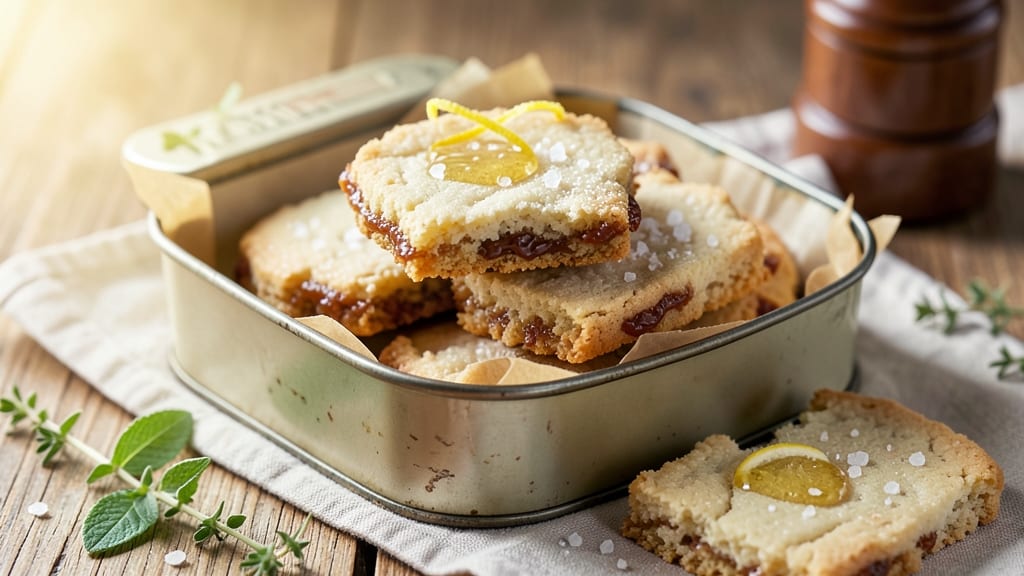
This Amish shortbread cookie recipe delivers the signature buttery crunch and melt-in-your-mouth texture that makes them legendary. 🌟 The secret lies in a precise ratio of cold butter, flour, and sugar that creates those iconic flaky layers and tender crumb—no shortcuts, just time-honored technique.
I've baked these countless times, perfecting the balance between crisp edges and soft centers that makes each bite irresistible.
What sets these apart is the subtle vanilla kiss that elevates simple ingredients into something extraordinary. The dough comes together with just five components—no eggs, no leavening agents—relying instead on the natural fat in butter to create lift.
That's the Amish way: minimal ingredients, maximum flavor, and a texture that's both sturdy enough for shipping (historically, these were perfect for traveling) and delicate enough to dissolve on your tongue.
By the time you pull these from the oven, you'll have golden, lacy-edged cookies with a rich buttery aroma that fills your kitchen. The edges stay crisp while the centers maintain that signature shortbread tenderness.
They're sturdy enough to handle transport but melt just enough to create that perfect balance of texture in every bite.
Perfect for holiday gifting, church socials, or simply satisfying that afternoon sweet tooth. The beauty of this recipe is its versatility—keep them classic with just vanilla, or add lemon zest or cinnamon for modern twists while maintaining that authentic Amish shortbread character. Here's how to make them exactly right.
Ingredients for amish shortbread cookie
Five ingredients, one legendary texture—Amish shortbread magic starts here.
| Ingredient | Amount | Notes |
|---|---|---|
| Unsalted Butter 🧈 | 1 lb | Cold, cubed, high-fat content |
| All-Purpose Flour 🌾 | 3 cups | Sifted, soft wheat preferred |
| Granulated Sugar 🍚 | ½ cup | White or light brown |
| Pure Vanilla Extract 🌸 | 1 tbsp | High-quality, no imitation |
| Diamond Crystal Kosher Salt 🧂 | ½ tsp | Fine grain, essential |
| Lemon Zest 🍋 | 1 tsp | Optional, for brightness |
| Ground Cinnamon 🌿 | ½ tsp | Optional, for warmth |
The butter is non-negotiable. Crisco or margarine won't cut it—this needs real, cold, high-fat butter for those iconic flaky layers. Grab a 1-pound block from the dairy case (the kind wrapped in paper, not tubs). Let it sit out just until it's soft enough to press but still holds its shape. European-style butter works best if you're feeling fancy, but regular unsalted butter is perfect for this. Pro tip: if your kitchen gets warm, stash the butter in the fridge until you're ready to mix—cold butter is key for that signature crunch.
No vanilla extract? Vanilla bean paste works too, but pure extract gives that classic Amish shortbread aroma. The sugar can be white or light brown—dark brown adds moisture, which changes the texture. For the flour, King Arthur or Gold Medal are my go-tos, but any all-purpose will do. Want to skip the lemon zest or cinnamon? No problem—this recipe shines with just vanilla. But trust me, that lemon zest adds a bright pop that makes these taste like they came from an Amish bakery. And if you're making these for gifting, add the cinnamon—it keeps beautifully and adds warmth.
These cookies keep for 5 days in an airtight container at room temperature, but honestly? They're best within 2 days—the butter stays crisp that way. For gifting, wrap them in parchment-lined boxes with a ribbon. They freeze beautifully too—3 months in a sealed bag. Just let them sit at room temp for 10 minutes before serving. And if you're making a big batch for a crowd, portion the dough into balls before baking—it's worth the extra minute.
Why You'll Love This Recipe
- Butter-Kissed Simplicity: I swear by this recipe because it’s that easy—just cream butter, sugar, and flour until it’s like wet sand, then bake. No fancy techniques, no waiting for dough to rise, and honestly? Even my 10-year-old could handle it.
- Vanilla Butter Bliss: The secret’s in the butter-to-sugar ratio and that generous splash of vanilla—it’s rich but not greasy, sweet but not cloying. That crispy edge with the tender crumb? Pure satisfaction in every bite.
- Holiday or Snack Attack: These cookies freeze like champs, so I bake a batch in December and pull them out all year. Perfect for Christmas gifts, teacher donations, or just when you need a quick pick-me-up. (Yes, even on a Tuesday night.)
- Pantry Staple Magic: You’re already using what’s in your cupboard—no specialty ingredients, no markup. A stick of butter, a cup of sugar, and flour? This is budget-friendly baking at its finest, and the leftovers vanish faster than I can say “second batch.”
Step-by-step instructions for Amish shortbread cookies
Here's how to make these melt-in-your-mouth cookies with perfect texture every time.
👨🍳 Step 1: Cut and Mix the Cold Butter
Cut the 1 lb unsalted butter into ½-inch cubes and place them in the freezer for 10 minutes to keep them cold. This is crucial—cold butter creates flaky layers and prevents the cookies from spreading too much. In a large mixing bowl, combine the cold butter cubes with the 0.5 cup granulated sugar and the 1 tbsp pure vanilla extract. Mix using a wooden spoon or your fingers until the butter starts to soften but isn't fully melted.
Here's the thing—you want the butter to be soft enough to mix but not liquid. If it starts to melt too quickly, pop the bowl back in the freezer for 2-3 minutes to reset. This step ensures your cookies stay tender and buttery, not greasy or cakey.
👨🍳 Step 2: Add Dry Ingredients and Pulse
Add the 3 cups all-purpose flour, 0.5 tsp diamond crystal kosher salt, 1 tsp lemon zest, and 0.5 tsp ground cinnamon to the butter mixture. Using your hands or a pastry cutter, work the dry ingredients into the butter until the mixture resembles coarse crumbs with pea-sized butter pieces scattered throughout. You're aiming for a texture that's like wet sand—just moist enough to hold together but still crumbly.
Don't overmix here. You'll know it's right when the dough clumps together when pressed but still has visible butter flecks. This texture is what gives Amish shortbread its signature crunch and melt-in-your-mouth quality. If the dough feels too dry, add 1 teaspoon of ice water at a time until it comes together.
🥘 Step 3: Shape and Chill the Dough
Divide the dough into 4 equal portions and flatten each portion into a 4-inch round disk. Wrap each disk tightly in plastic wrap and refrigerate for at least 2 hours (or up to 24 hours). Chilling firms up the butter, which prevents the cookies from spreading too much during baking. This step is non-negotiable—skipping it will give you flat, greasy cookies instead of the perfect shortbread rounds you're after.
While the dough chills, preheat your oven to 325°F. Line two baking sheets with parchment paper or silicone baking mats. The chilled dough will be firm enough to handle without sticking, making it easier to cut out your perfect cookie shapes later.
🔪 Step 4: Cut and Bake to Golden Perfection
Remove one disk of dough from the refrigerator and let it sit at room temperature for 5-10 minutes until pliable but still cool to the touch. Roll the dough out to about ¼-inch thickness on a lightly floured surface. Use a 2½-inch round cutter to cut out cookies, gently pressing down as you cut. Re-roll the scraps and cut more cookies until you've used all the dough. Place the cut cookies 2 inches apart on the prepared baking sheets.
Bake for 15-18 minutes until the edges are just beginning to turn golden brown—they'll continue baking on the hot sheet after you remove them. The centers should still look slightly pale. Rotate the baking sheets halfway through for even baking. You're aiming for cookies that are crisp around the edges but still tender in the middle, with that classic shortbread crunch.
⏰ Step 5: Cool and Enjoy (The Hardest Part!)
Let the cookies cool on the baking sheets for 5 minutes before transferring them to a wire rack to cool completely. This brief resting period helps them set up properly. While they cool, you'll notice the aroma of vanilla and butter filling your kitchen—trust me, it's worth the wait. Serve them warm for the ultimate experience, or store them in an airtight container at room temperature for up to 5 days. These cookies stay fresh longer than most, thanks to that high-fat butter content.
Here's the best part: once fully cooled, the cookies will have that signature shortbread crunch with a melt-in-your-mouth center. Break one in half and you'll see those beautiful butter layers that make this recipe so special. Enjoy with a cup of tea or coffee—you've earned it!
Pro Tips For Making Amish Shortbread Cookie
- Chill the Dough First: I learned this the hard way—rolling out warm dough leads to sad, spread-out cookies. Wrap the dough in plastic and refrigerate for at least 30 minutes (or up to 24 hours) before cutting. This keeps the butter firm and gives you clean, crisp edges every time.
- Use Cold Butter Blocks: Skip the softened butter—this isn’t a cake. Cut your unsalted butter into ½-inch cubes and freeze them for 10 minutes before mixing. The cold fat creates flaky layers, and the cookies stay tender instead of greasy. (Yes, even if you’re impatient like me.)
- Press, Don’t Roll: Amish shortbread relies on texture, not smoothness. Press the dough into the pan with your fingers or a fork (tines down) for that classic crumbly look. Rolling it flattens the butter and ruins the crunch. Trust the process—it’s the thing that matters most.
- Bake Low and Slow: Preheat the oven to 325°F (not higher) and bake for 12–15 minutes. I was skeptical until I tried it—high heat burns the sugar before the edges set. A light golden color means perfect doneness, not a dark, bitter cookie. (Your future self will thank you.)
Make-ahead tips for this dish
Dough Prep Ahead
The real secret to stress-free baking is making the dough 24 hours ahead. After mixing, divide it into portions and chill in the fridge overnight. This gives the butter time to firm up completely, ensuring those perfect crisp edges when baked.
I like to wrap each portion in plastic wrap and flatten into disks—this makes rolling and cutting a breeze the next day. 🌟
Freezing for Future Baking
For ultimate convenience, freeze shaped dough disks. Wrap each 4-inch disk tightly in plastic wrap, then place in a freezer bag with all air removed. They’ll keep for up to 3 months.
When ready to bake, thaw in the fridge overnight or at room temperature for 1 hour. No need to worry about texture—frozen dough bakes just like fresh! ❄️
Batch Baking Strategy
Shortbread dough keeps beautifully, so make a big batch and store the remaining disks in the fridge. I like to bake one disk at a time—this prevents overcrowding on sheets and ensures even baking.
Label each disk with the date and flavor (if adding zest or spices) to keep things organized. Pro tip: Use a cookie scoop for uniform portions when rolling. 🍪
Gifting Made Easy
For holiday gifts, bake all cookies in advance and store in parchment-lined boxes with a silicone baking mat on top to keep them crisp. Add a ribbon and a handwritten note.
These cookies stay fresh for 5 days at room temperature, making them perfect for shipping. I always include a small recipe card with my signature—it’s a nice personal touch! 🎁
Reheating for Freshness
Shortbread loses its crispness when reheated, but you can revive it slightly. Place cookies on a baking sheet and warm in a 200°F oven for 2-3 minutes to soften edges without melting the butter.
For serving, I like to dust with powdered sugar or a sprinkle of flaky sea salt right before eating. This brings back that bakery-fresh crunch! 🔥
Nutrition facts
Frequently asked questions
Why do Amish shortbread cookies need cold butter?
The cold butter creates those signature flaky layers through its fat content. When baked, the butter melts just enough to create steam pockets that separate the dough into delicate sheets. Room-temperature butter would spread too much, giving you flat, cakey cookies instead of the crisp rounds you want. Think of it like making puff pastry—cold fat is key!
Can I make these without vanilla?
While vanilla adds that classic Amish shortbread aroma, you can substitute with 1 teaspoon vanilla bean paste or even ½ teaspoon almond extract for a different flavor profile. For a citrus twist, try 1 teaspoon orange zest instead—just reduce the sugar slightly to balance the sweetness. The cookies will still be delicious!
What's the best way to store these cookies?
Keep them in an airtight container at room temperature for up to 5 days—they stay crisp this way. For longer storage, freeze the baked cookies in a single layer before transferring to a bag for up to 3 months. To revive stale cookies, warm at 200°F for 2 minutes to restore that bakery-fresh crunch.
Why did my cookies spread too much?
This usually happens when the butter gets too warm during mixing or if you skipped the chilling step. Always keep the butter cold until baking, and never skip the 2-hour chill. If your dough feels too soft, pop it back in the fridge for 30 minutes. Also, use a 2½-inch cutter and place cookies 2 inches apart on the sheet for proper airflow.
Can I add chocolate chips to these?
While traditional Amish shortbread stays classic, you can add ½ cup mini chocolate chips to the dough for a modern twist. Fold them in gently after mixing the dry ingredients—don't overmix! For best results, use high-quality chocolate that melts smoothly. These become "chocolate shortbread" cookies, perfect for chocolate lovers.