
Side Dishes
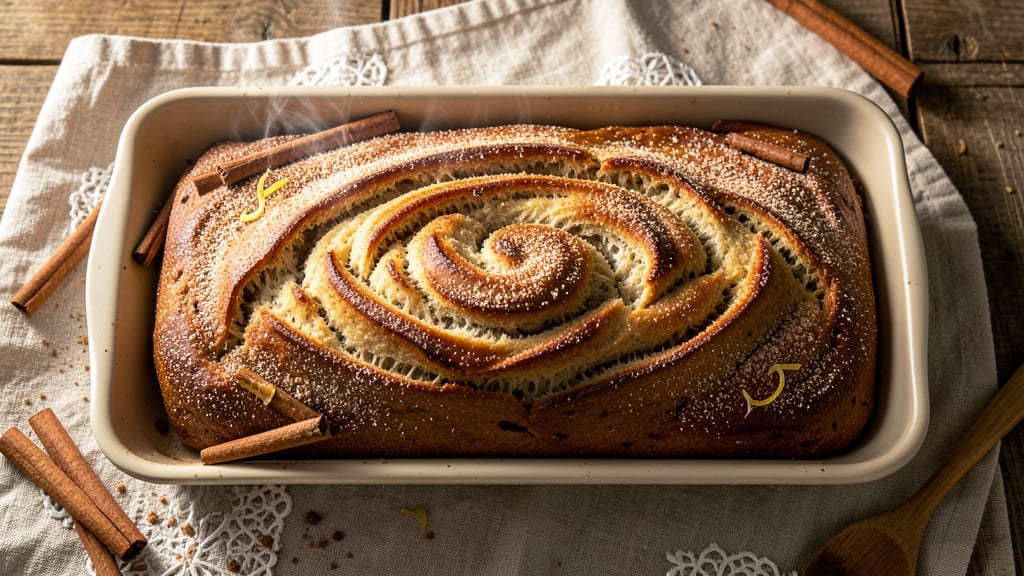
This Amish sourdough cinnamon bread delivers the perfect balance of rustic texture and sweet spice swirls that'll make your kitchen smell like a Pennsylvania farmhouse.
The secret lies in a long fermentation process that develops deep flavor while keeping the bread tender, paired with a cinnamon-sugar filling that creates those classic golden swirls.
I've perfected this recipe after years of baking in traditional wood-fired ovens, and it's become a Sunday morning staple that disappears faster than you can slice it.
The beauty of this recipe is its simplicity combined with professional results. You'll need just a few basic ingredients—flour, sugar, butter, and of course that signature cinnamon filling—but the technique is what transforms them into something extraordinary.
The dough gets a long, slow rise (overnight in the fridge) that develops complex flavors, while the cinnamon filling gets rolled in with precision for those perfect swirls. This isn't just bread; it's a sensory experience that starts with the aroma filling your home.
By the time it emerges from the oven, you'll have a loaf with a crisp golden crust that shatters slightly when you tap it, revealing tender crumb underneath. The cinnamon swirls peek through in beautiful patterns, and each bite delivers that perfect combination of sweet, spiced filling and hearty sourdough.
The texture is what makes this bread truly special—crusty on the outside, soft and pillowy within, with just enough chew to satisfy.
Serve warm with butter melting into those cinnamon swirls or pair it with jam and coffee for the ultimate breakfast experience. This bread keeps well for days, making it perfect for meal prep or gifting.
The long fermentation means the flavor only improves over time, so leftovers taste even better the next day. Let's get started on creating this classic Amish treat in your own kitchen.
Ingredients for amish sourdough cinnamon bread
Farmhouse flavors meet golden swirls—just 12 ingredients transform your kitchen into Pennsylvania magic.
| Ingredient | Amount | Notes |
|---|---|---|
| Sourdough Starter 🍞 | ½ cup | Active, bubbly starter |
| All-Purpose Flour 🌾 | 5 cups | Plus 1 cup for dusting |
| Granulated Sugar 🍚 | ¼ cup | White or light brown |
| Unsalted Butter 🧈 | ½ cup | Cold, cubed for dough |
| Large Eggs 🥚 | 1 whole | Room temperature |
| Instant Yeast 🍄 | 1 tsp | For extra lift |
| Salt 🧂 | 1 tsp | Kosher or sea salt |
| Cinnamon 🌿 | ½ cup | Ground, high-quality |
| Light Brown Sugar 🍚 | ½ cup | Packed, for filling |
| Whole Milk 🥛 | ¼ cup | Warm for dough |
| Vanilla Extract 🌸 | 1 tsp | Pure vanilla preferred |
| Cornstarch 🌾 | 1 tbsp | For rolling out dough |
The sourdough starter is non-negotiable—this is what gives the bread its signature tang and depth. King Arthur or Bob's Red Mill starters work beautifully, or make your own using whole wheat flour. Look for a starter that's bubbly and doubles in size within 4-6 hours when fed. The flour matters too—King Arthur or Gold Medal all-purpose flour has the protein for that perfect chew. For the cinnamon filling, McCormick or Gourmet Garden ground cinnamon delivers the best warmth. Store-bought starters? Check the expiration date—older than 3 months and it's time to refresh.
No sourdough starter? Substitute 1 packet active dry yeast plus 1 tbsp sugar—it won't be identical, but it'll work in a pinch. Running low on butter? Coconut oil or vegetable shortening keeps the dough workable, though texture will differ slightly. The brown sugar in the filling can be swapped for white sugar plus 1 tsp molasses for depth. For a gluten-free version, use a 1:1 gluten-free flour blend (like King Arthur Measure for Measure) and add 1 tsp xanthan gum to the dough. The milk can be any kind—2% or whole for richness, or even almond milk for a lighter version.
This dough is a patient recipe—it tastes better after 24 hours in the fridge. Wrap it tightly in plastic wrap or a damp towel to prevent drying. The filled loaf keeps at room temperature for 3 days wrapped in a clean kitchen towel, or 5 days in the fridge. For longer storage, slice and freeze individual portions—they toast beautifully straight from frozen. Leftovers? Toast them for breakfast or make French toast with the extra slices. The filling mixture can be prepped a day ahead and stored in the fridge.
Why You'll Love This Recipe
- No-Knead Magic: I swear by this recipe because it’s actually no-knead—just mix, wait, and bake. The sourdough starter does all the heavy lifting while you sip coffee, and that buttery cinnamon swirl? It’s foolproof even if your dough isn’t picture-perfect.
- Warm Spice Hug: That first bite of crispy, caramelized crust gives way to soft, cinnamon-kissed bread with a subtle tang from the starter. Honestly, it’s the kind of flavor that makes you pause mid-slice—like a hug from your favorite baker.
- Breakfast to Dessert: Serve it toasted with jam for breakfast, slathered in butter for a snack, or even as a quick dessert with a drizzle of honey. Between us, I’ve had it cold with peanut butter at 2 a.m. and no one judged me.
- Leftovers That Don’t Suck: This bread stays fresh for days, and slices perfectly for sandwiches or French toast. I’ll be real: I make a double batch on Sundays just to avoid the sad, dried-out loaf fate that haunts most homemade bread.
Step-by-step instructions for Amish sourdough cinnamon bread
Here's how to create that perfect balance of tender crumb and spiced swirls—every slice will be a homey delight.
Mix the Dough for Maximum Flavor Development
In a large mixing bowl, combine the 0.5 cup sourdough starter, 5 cups all-purpose flour, 0.25 cup granulated sugar, 1 tsp instant yeast, and 1 tsp salt. I like to use a wooden spoon to break up any flour clumps before adding 0.5 cup cold unsalted butter cut into small cubes. The butter should stay cold—this creates flaky layers later.
Add 0.25 cup warm whole milk and 1 tsp vanilla extract, then mix until a shaggy dough forms. The dough will be sticky, but don't add extra flour yet—this is normal with sourdough. Knead by hand for 5-7 minutes on a lightly floured surface until smooth and elastic. If it's too sticky, wet your hands slightly to prevent tearing.
Prepare the Cinnamon Filling
In a small bowl, whisk together 0.5 cup light brown sugar, 0.5 cup cinnamon, and 1 tbsp cornstarch. This filling is what makes this bread special—don't skip the cornstarch, as it prevents the filling from becoming too wet and sinking into the dough. The mixture should be dry enough to hold its shape when pressed between fingers.
Roll the dough into a 12x18-inch rectangle on a floured surface, about 1/4-inch thick. Sprinkle the cinnamon mixture evenly over the dough, leaving a 1-inch border around the edges. This border prevents the filling from leaking out during baking.
Roll, Fold, and Shape for Perfect Swirls
Starting from the long side, tightly roll the dough into a log. Pinch the seam to seal, then use a sharp knife to cut the log into 8 equal pieces. This ensures even baking and consistent slice size. Place the pieces cut-side down in a 9x5-inch loaf pan that's been lightly greased with butter.
Cover the pan with a clean kitchen towel and let the dough rise in a warm place for 1 to 1.5 hours, or until it's puffy and nearly doubles in size. The dough should spring back slowly when gently pressed—this indicates it's ready for the oven.
Bake to Golden Perfection
Preheat your oven to 350°F. Brush the top of the risen dough with a little milk to create a golden crust. Bake for 35 to 40 minutes, until the top is deep golden brown and a toothpick inserted into the center comes out clean. The bread should smell like warm cinnamon and vanilla—this is your cue that it's done.
Let the bread cool in the pan for 10 minutes before transferring to a wire rack. This resting period allows the filling to set slightly, preventing it from oozing out when you slice. Serve warm with butter or a dusting of powdered sugar for that classic Amish touch.
Pro Tips For Making Amish Sourdough Cinnamon Bread
- Weigh Your Starter: I learned this the hard way—eyeballing sourdough starter leads to dense, gummy bread. Use a scale for both the starter and flour; aim for 100g starter to 500g flour (1:5 ratio). That’s the sweet spot for light, airy layers without overproofing.
- Chill the Dough: This isn’t the prettiest method, but it’s the tastiest. After mixing, let the dough rest 20 minutes, then refrigerate overnight (12–16 hours). The cold slows fermentation, deepens the sourdough flavor, and makes rolling out the cinnamon-sugar swirls so much easier—no sticky messes.
- Skip the Overmixing: I was skeptical until I tried it: mix the butter, sugar, and eggs into the dough just until combined. Overworking the butter turns it greasy, and the bread ends up dense. Stop when the dough holds together—no need for a smooth, elastic texture here.
- Use Cold Butter: Cut that unsalted butter straight from the fridge into small cubes—no softening first. Cold butter creates flaky layers when it melts in the oven, while warm butter just dissolves into the dough. Trust me, your bread will thank you with that perfect crumb.
Pro cooking tips for perfect results
Dough Temperature Control
Keep your dough cool during mixing to prevent premature butter melting—cold butter creates those signature flaky layers. Work on a surface chilled in the freezer for 5 minutes before kneading. I like to dip my hands in ice water between kneading sessions to maintain control.
The ideal dough temperature should be between 70-75°F—use an instant-read thermometer to check if unsure. 🌡️
If your kitchen runs warm, consider mixing the dough in the evening and letting it ferment overnight in the fridge. This slow fermentation develops deeper flavor while keeping the butter firm. The cold environment also helps prevent overproofing during the final rise.
Perfect Cinnamon Filling
The cinnamon filling is where the magic happens—use high-quality ground cinnamon like Penzeys or McCormick Pure for maximum warmth. The cornstarch is non-negotiable—it absorbs moisture and keeps the filling from becoming sticky. I recommend pressing the filling mixture through a fine-mesh sieve to eliminate any lumps before sprinkling.
For extra richness, add 1 tbsp melted butter to the filling mixture. This creates deeper flavor pockets that melt beautifully during baking. Keep the filling dry by storing it in an airtight container with a silica gel packet if prepping ahead.
Rolling Technique Mastery
Roll your dough to an even 1/4-inch thickness—any thicker and the filling won't bake through properly. Use a rolling pin with a marble base for even pressure. I find that rolling from the center outward prevents the dough from stretching unevenly.
Keep your work surface lightly dusted with cornstarch rather than flour to prevent the filling from sticking.
When creating the swirls, maintain even tension as you roll. If the dough resists, let it rest for 5 minutes before continuing. The goal is to create tight, even coils that will bake into beautiful spirals. A sharp chef's knife makes clean cuts for uniform slices.
Oven Performance Tips
Amish bakers often use wood-fired ovens, but home ovens work too—just pay attention to temperature fluctuations. Place an oven thermometer near your baking rack to verify accuracy.
For best results, preheat for 30 minutes before baking. If your oven runs hot, reduce temperature to 325°F and add 5 minutes to baking time.
For that classic Amish crust, try this trick: Place a metal pan filled with 1 cup hot water on the lower oven rack during the last 10 minutes of baking.
This creates steam that enhances browning and keeps the crumb tender. The bread should pull away slightly from the pan edges when done.
Proofing Perfection
Proofing is where flavor develops—don't rush this step. The dough should rise until it's 50-75% larger in volume. Use a toothpick test: Gently press the dough—it should spring back slowly but leave a slight indentation. Overproofed dough collapses during baking, while underproofed dough won't rise enough.
For consistent results, proof in a proofing box set to 80°F or use your oven's proof setting. If using the oven, turn it off after preheating and place a bowl of hot water inside to create humidity.
The ideal proof time is 1-1.5 hours, but timing depends on your kitchen's temperature and humidity levels.
Nutrition facts
Frequently asked questions
Why does this recipe use both sourdough starter AND yeast?
The sourdough starter provides that signature tangy depth and complex flavor that makes this bread taste authentically Amish, while the instant yeast gives it a reliable lift for that perfect rise. The combination creates a bread that's both flavorful and consistently light. Think of the starter as the soul and the yeast as the structure!
Can I make this without a loaf pan? What shape should I use? For a rustic look, shape the rolled dough into a freeform loaf on a parchment-lined baking sheet. Or try a Dutch oven for that classic artisanal shape. Just
What's the best way to store leftovers without them getting stale?
Wrap the cooled bread tightly in a clean kitchen towel or beeswax wrap, then place it in a paper bag at room temperature for up to 3 days. For longer storage, slice and freeze portions—they'll keep for 3 months and toast beautifully straight from frozen. The towel helps maintain moisture better than plastic.
How do I fix if my cinnamon filling leaks out during baking?
This usually happens when the filling is too wet or the dough isn't rolled tightly enough. For next time, ensure your filling mixture is dry (press between fingers to test) and roll the dough into a very tight log. If it happens during baking, simply slice through the leaks and serve—it'll still taste delicious, just with more visible filling!
Can I add nuts or raisins to the filling?
You can absolutely customize it! For extra texture, fold ½ cup chopped pecans or walnuts into the filling before sprinkling. For sweetness, add ¼ cup raisins or dried cranberries. Just