
Side Dishes
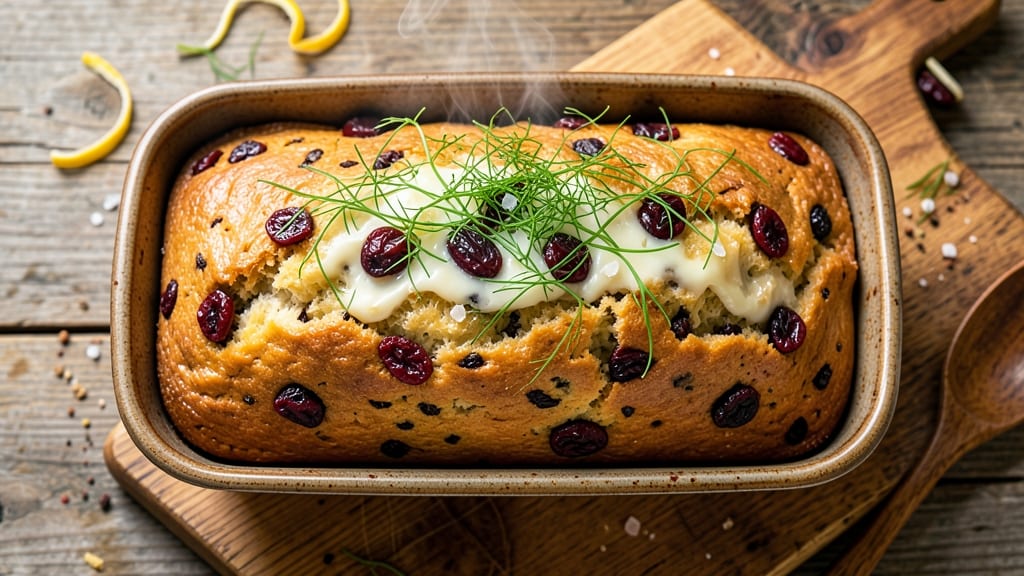
This Amy's raisin fennel bread recipe delivers a perfect balance of warm anise notes from the fennel and sweet, chewy raisins swirled through tender dough. The crust develops a golden, crackly texture while the interior stays soft and flavorful—ideal for sandwiches or serving alongside soups.
I've perfected this recipe over years of baking, ensuring every batch turns out with that signature fennel aroma and just the right amount of sweetness.
The secret lies in the dough preparation: combining warm milk with yeast activates it quickly, while the fennel seeds steep in the milk to infuse their distinct anise flavor throughout. Raisins are soaked in rum for extra depth, though you can substitute orange juice for a non-alcoholic version.
The dough requires two rises—one at room temperature and another in the fridge overnight—which develops incredible flavor and texture.
Baking at 375°F for 35-40 minutes yields a loaf with a crisp crust and tender crumb, where the raisins peek through in sweet bursts. The fennel's earthy warmth pairs beautifully with the fruit's sweetness, creating a bread that's both comforting and sophisticated.
This recipe is adaptable too—swap butter for vegan margarine or use flax eggs for a plant-based version without sacrificing texture.
Slice it fresh for breakfast toast, serve warm with butter, or use it to elevate sandwiches. The aroma alone will have everyone asking for seconds. Here's everything you need to make it happen—step by step.
Ingredients for amy's raisin fennel bread
Twelve ingredients crafting a loaf where fennel's anise warmth meets raisin's sweet bursts through golden crust.
| Ingredient | Amount | Notes |
|---|---|---|
| All-Purpose Flour 🌾 | 5 cups | Spooned and leveled, not packed |
| Whole Milk 🥛 | 1 ¼ cups | Warm to 110°F for yeast activation |
| Active Dry Yeast 🍞 | 2 ¼ tsp | One packet, freshness critical |
| Granulated Sugar 🍚 | ¼ cup | For yeast activation |
| Large Eggs 🥚 | 2 whole | Room temperature for even mixing |
| Unsalted Butter 🧈 | ½ cup | Cold, cubed for easier incorporation |
| Fennel Seeds 🌿 | 1 ½ tbsp | Toasted lightly for enhanced aroma |
| Sea Salt 🧂 | 1 ½ tsp | Fine grain preferred |
| Raisins 🍇 | 1 ½ cups | Golden or dark, plump variety |
| Dark Rum 🍹 | ¼ cup | For raisin soaking, optional substitute |
| Orange Juice 🍊 | ¼ cup | Freshly squeezed, non-alcoholic option |
| Honey 🍯 | 2 tbsp | For dough sweetness and moisture |
The fennel seeds are the heart of this bread's flavor profile. Whole Foods bulk section carries premium seeds—look for vibrant, aromatic ones that smell intensely herbal. Toast them briefly in a dry pan before using to deepen their flavor, though King Arthur's pre-ground fennel works in a pinch. For the raisins, Sun-Maid golden raisins are ideal for their chewy texture, but any plump variety will do. The milk must be warm (110°F) to activate the yeast properly—too hot kills it, too cold slows activation. King Arthur flour is my go-to for its high protein content, but any all-purpose will suffice.
No rum? Orange juice or apple juice infuses the raisins with fruity depth without alcohol. The honey can be swapped for maple syrup or agave, though honey's floral notes complement the fennel beautifully. For a vegan adaptation, replace the eggs with flax eggs (2 tbsp ground flaxseed + 6 tbsp water per egg) and use vegan butter. The yeast must be fresh—if your packet is past its expiration, Saf-Instant yeast offers longer shelf life. For the dough, a stand mixer with a dough hook simplifies handling, but hand-kneading works too (just expect more elbow grease).
The dough requires patience—two rises develop maximum flavor. After the first rise, refrigerate overnight for enhanced fermentation and easier handling. Store shaped loaves in an airtight container at room temperature for 3 days or freeze for 3 months. For reheating, wrap cooled loaves in foil and bake at 350°F for 10 minutes. The crust stays crisp for 24 hours, but the interior softens best when served fresh from the oven. Portion raisins into ice cube trays for easy measuring during the swirl step.
Why You'll Love This Recipe
- No-Knead Magic: I swear by this dough—just mix, let it rise, and bake. The yeast and milk do all the heavy lifting while I sip coffee, no standing at the counter for hours.
- Sweet-Savory Surprise: That caramelized fennel and raisins? It’s like a hug in bread form—warm, slightly sweet, with a licorice-kissed depth that makes plain toast feel boring.
- Breakfast to Brunch: Toast it for a lazy morning or serve thick slices with jam for company. The crust stays crisp even after days in the freezer—perfect for when you’re not feeling fancy.
- Budget-Friendly Staple: Flour, milk, and eggs are pantry basics, but this bread feels like a treat. Make a double batch, freeze half, and thank me later when you’re not scrambling for dinner.
Step-by-step instructions for Amy's raisin fennel bread
Master this artisanal bread with a perfect balance of sweet raisins and aromatic fennel seeds.
Activate the Yeast and Prepare the Dough Base
In a small bowl, combine the 1.25 cups warm whole milk (about 110°F) with 2.25 tsp active dry yeast and 0.25 cup granulated sugar. Let this mixture sit for 5-10 minutes until it becomes frothy and bubbly—this confirms the yeast is active. If it doesn't bubble, your yeast may be stale, and you'll need to start over.
In a large bowl, whisk together the 5 cups all-purpose flour and 1.5 tsp sea salt. Create a well in the center and pour in the yeast mixture, 2 whole large eggs, and 2 tbsp honey. Use a wooden spoon to gradually incorporate the dry ingredients until a shaggy dough forms. This initial mixing ensures the gluten begins developing.
Incorporate Butter and Fennel for Rich Texture
Cut the 0.5 cup cold unsalted butter into small cubes and add them to the dough. Using your hands or a dough scraper, work the butter into the dough until it's fully incorporated and the mixture becomes slightly sticky but manageable. The cold butter will create pockets of flavor as it melts during baking.
Next, add the 1.5 tbsp toasted fennel seeds to the dough. Toasting the seeds first enhances their aroma—simply dry-toast them in a skillet over medium heat for 1-2 minutes until fragrant before adding. Knead the dough on a lightly floured surface for 8-10 minutes until smooth and elastic. If the dough feels too sticky, add 1 tablespoon of flour at a time until it comes together cleanly.
Soak the Raisins and Prepare the Dough for Rising
In a small bowl, combine the 1.5 cups raisins, 0.25 cup dark rum, and 0.25 cup orange juice. Let this mixture soak for 15-20 minutes—the raisins will plump and absorb the liquid, intensifying their sweetness. If using orange juice instead of rum, skip the soaking step entirely to avoid excess moisture.
Once the raisins are ready, transfer the dough back to the bowl, cover it with a damp towel, and let it rise in a warm place for 1-2 hours or until it has doubled in size. The dough should feel light and springy when pressed gently. If your kitchen isn't warm enough, place the bowl near a turned-off oven with the light on to maintain a consistent temperature.
Shape and Swirl the Dough for Visual Appeal
Punch down the risen dough to release any air bubbles, then turn it out onto a lightly floured surface. Divide the dough into three equal portions—each should weigh roughly 12 ounces. Roll each portion into a 12-inch-long log, about 2 inches wide. This shape ensures even baking and a beautiful presentation.
Place the three logs side by side on a parchment-lined baking sheet. Using a sharp knife or your fingers, gently press down the center of each log to create a well. Spoon the soaked raisins into the wells, then carefully fold the sides of the dough over the raisins to create a swirl. This technique ensures the raisins are evenly distributed and creates a stunning visual effect when sliced.
Proof and Bake to Golden Perfection
Cover the shaped dough with a damp towel and let it proof for an additional 30-45 minutes until it rises slightly. Preheat your oven to 375°F and place a baking stone or inverted baking sheet on the middle rack to create even heat distribution.
Bake the bread for 25-30 minutes until the crust is deep golden brown and the internal temperature reaches 190°F. The bread should sound hollow when tapped on the bottom. If the crust browns too quickly, tent the bread with foil to prevent over-browning while it finishes baking.
Remove the bread from the oven and let it cool on a wire rack for 10 minutes before slicing. This resting period allows the gluten to relax, ensuring clean slices. Serve warm for the best texture—each bite should deliver a harmonious blend of sweet raisins, aromatic fennel, and a crisp crust.
Pro Tips For Making Amy'S Raisin Fennel Bread
- TEST YEAST FIRST: Skip the guesswork—mix 1 packet yeast, 1 tsp sugar, and ¼ cup warm milk (110°F) in a small bowl. If it bubbles in 5-10 minutes, your dough’s ready to rise. No bubbles? Toss that packet and start fresh—dead yeast means a flat loaf, no matter how much you knead.
- SOAK RAISINS LONG: Dump raisins in warm milk (the same you’d use for the dough) with a pinch of sugar for 20 minutes before adding them. They’ll plump up and release flavor—no more dry, chewy bits lurking in your bread.
- KNEAD UNTIL SILKY: This dough fights back. Work it for 8-10 minutes by hand (or 5-6 with a stand mixer) until it’s smooth and springs back when poked. Over-kneading? The gluten tightens, and your bread turns tough—like chewing a shoe.
- PROOF AT ROOM TEMP: Let the dough rise in a warm spot (75°F is ideal), but not the oven. A too-hot environment speeds things up and makes the gluten relax unevenly—your loaf might collapse or taste gummy. Patience here pays off.
Serving suggestions for leftovers
Breakfast Pairings
This raisin fennel bread shines at breakfast when paired with creamy ricotta cheese and honey drizzle. Spread ½ cup ricotta on warm slices, then top with 1 tbsp local honey and a sprinkle of toasted fennel seeds.
The sweetness of the honey enhances the bread's natural caramelized notes, while the ricotta adds a luxurious creaminess. For a savory twist, try it with smoked salmon and everything bagel seasoning—the fennel's anise flavor complements the fish beautifully. 🍯
Soup Companions
Serve slices alongside hearty soups to create a complete meal. The bread's crisp crust and soft interior are perfect for dipping into roasted butternut squash soup or creamy wild mushroom soup.
For a lighter option, pair with tomato basil soup and a side of arugula salad—the bread's sweetness balances the acidity of the tomatoes. I love adding a dash of balsamic glaze to the bread before serving for extra depth. 🍲
Cheese Board Showstopper
Turn your raisin fennel bread into the star of a gourmet cheese board. Pair it with aged cheddar, brie, and goat cheese for a mix of sharp, creamy, and tangy flavors. Add cured meats like prosciutto or salami, marinated olives, and fig jam for contrast.
The fennel's warmth cuts through the richness of the cheese, while the raisins add a sweet surprise. For a vegetarian board, include dried apricots and walnuts to complement the bread's flavors. ✨
Sandwich Potential
Use this bread as the base for elevated sandwiches. Try a grilled chicken panini with avocado spread, sharp cheddar, and sliced fennel—the bread's crust adds a satisfying crunch. For a vegetarian option, layer hummus, roasted red peppers, and feta cheese between slices.
Toast the bread lightly before assembling to enhance the crust's texture. The raisins add a pleasant sweetness that balances savory fillings perfectly. 🥪
Dessert Twist
For a unique dessert, serve warm slices with vanilla ice cream and a drizzle of caramel sauce. The bread's sweet raisins and fennel aroma create a sophisticated flavor profile that pairs surprisingly well with cold dairy.
Another idea: toast slices, spread with mascarpone cheese, and top with fresh berries—the tartness of the fruit contrasts beautifully with the bread's richness. Save a few slices for French toast the next morning by dipping in an egg-cinnamon batter and pan-frying until golden. 🍦
Wine and Coffee Pairings
Enhance your bread experience with warm spiced wine like Mulled Gewürztraminer—its floral notes complement the fennel's anise flavor. For coffee lovers, serve with a dark roast and a sprinkle of cinnamon on the bread.
The bitterness of the coffee balances the sweetness of the raisins, while the cinnamon echoes the bread's warm spices. If you prefer beer, a honey ale or wheat beer with citrus notes works beautifully. ☕
Nutrition facts
Frequently asked questions
Can I make this bread without rum?
The rum enhances the raisins' flavor, but it's optional. Replace it with 0.25 cup orange juice or apple juice for a non-alcoholic version. Skip the soaking step if using juice to avoid excess moisture in the dough. The raisins will still plump and add sweetness, though the depth of flavor will be slightly different.
Why does the dough need two rises?
The first rise at room temperature activates the yeast and develops gluten structure, while the second rise (especially overnight in the fridge) enhances flavor and texture. The cold fermentation slows yeast activity, allowing deeper flavor development and easier shaping. Skipping the second rise may result in a denser loaf with less complexity.
How do I store leftovers to keep them fresh?
Wrap cooled loaves tightly in plastic wrap or aluminum foil, then place in an airtight container. Store at room temperature for 3 days or freeze for 3 months. For reheating, wrap slices in foil and warm at 350°F for 5-10 minutes until crisp. The crust stays fresh for 24 hours, but the interior softens best when served warm.
What if my dough doesn't rise properly?
Check these common issues: yeast may be old (test with warm water + sugar—it should bubble in 5 minutes); milk might be too hot (should be 110°F, not boiling); or your kitchen may be too cold. Try placing the bowl near a turned-off oven with the light on to maintain warmth. If all else fails, use 1 extra tsp yeast for the next batch.
Can I substitute whole wheat flour?
Yes, but replace 1 cup all-purpose flour with whole wheat for a nuttier flavor and denser texture. Add 1 tbsp vital wheat gluten to maintain structure. The dough will be stickier, so increase flour by 1-2 tbsp as needed. Whole wheat absorbs more liquid, so you may need to adjust hydration slightly.