
Side Dishes
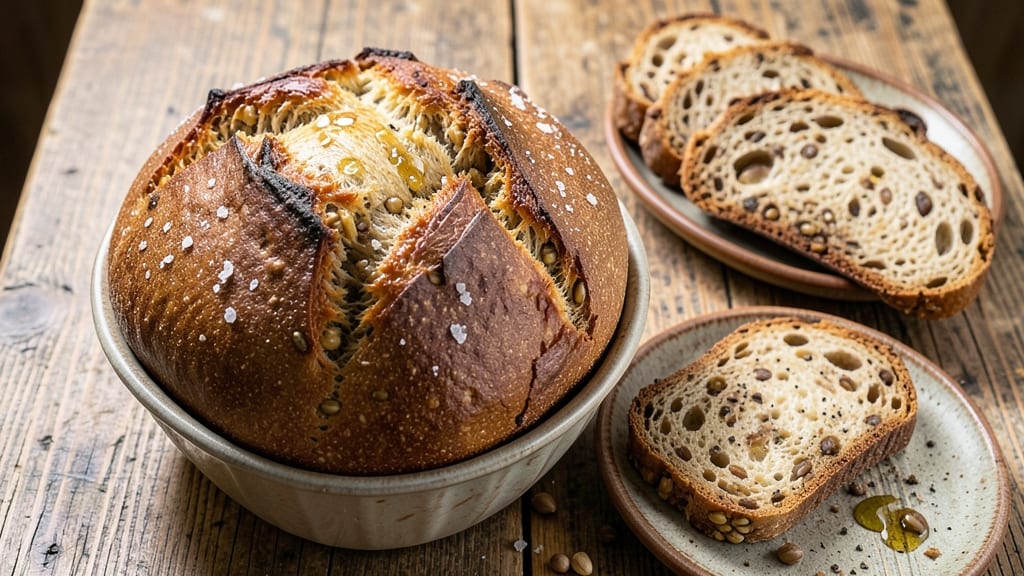
This ancient grain bread machine recipe transforms simple ingredients into artisanal-style loaves with nutty depth and a satisfying crunch—no kneading required. The magic happens when farro, spelt, or einkorn blend with whole wheat flour, creating a dough that develops rich, earthy flavors during the bread machine’s slow rise.
What makes this recipe stand out is the hands-off approach, where the machine handles the kneading and fermentation while you focus on other tasks.
The result is a loaf with a golden, crisp exterior and a tender, slightly dense crumb that’s packed with chewy texture and nutty undertones. Unlike quick breads, this recipe mimics traditional artisan bread by using a longer fermentation cycle, which enhances flavor and digestibility.
The bread machine’s precise temperature control ensures perfect browning without overcooking, making it ideal for beginners and experienced bakers alike.
Customize your loaf by adding seeds, herbs, or even a touch of honey for extra sweetness—this recipe adapts effortlessly to your taste.
Whether you’re serving it with soup, using it for sandwiches, or simply enjoying it toasted with butter, the nutty crunch and hearty texture make it a standout addition to any meal. Below, we’ll walk through the exact settings and techniques to achieve bakery-quality results every time.
For those new to bread machines, don’t worry—this recipe includes troubleshooting tips to handle common issues like dense loaves or uneven browning. With just a few adjustments, you’ll consistently produce a loaf that rivals homemade artisan bread, all with minimal effort.
Let’s get started on creating your perfect ancient grain loaf.
Ingredients for ancient grain bread machine
Four ancient grains meet bread machine magic for a loaf with nutty crunch and artisan flair.
| Ingredient | Amount | Notes |
|---|---|---|
| Farro Grains 🌾 | ½ cup | Uncooked, rinsed thoroughly |
| Spelt Flour 🌾 | 1 ½ cups | Stone-ground preferred |
| Whole Wheat Flour 🌾 | 1 ½ cups | Unbleached for better flavor |
| Einkorn Flour 🌾 | ½ cup | Optional for extra nuttiness |
| Active Dry Yeast 🍞 | ¼ oz | 1 packet or 2.25 tsp |
| Granulated Sugar 🍚 | ¼ cup | Brown sugar adds depth |
| Unsalted Butter 🧈 | ½ cup | Softened, not melted |
| Large Eggs 🥚 | 2 whole | Room temperature |
| Warm Water 💧 | 1 ¼ cups | 110-115°F for yeast activation |
| Diamond Crystal Kosher Salt 🧂 | 1 ½ tsp | Adjust to taste |
| Extra-Virgin Olive Oil 🫒 | 1 tbsp | For dough coating |
| Sunflower Seeds 🌻 | ¼ cup | Toasted for extra crunch |
| Sesame Seeds 🌿 | 1 tbsp | Optional for topping |
| Honey 🍯 | 1 tbsp | For optional sweetness |
The farro is the flavor hero here—Bob's Red Mill or Anthony's Goods are my go-tos for quality. If you can't find farro, spelt flour alone works but loses that signature chew. The flours? King Arthur has the best whole wheat and spelt blends, but don't stress if you only have basic whole wheat—just add an extra tablespoon. Einkorn is optional but worth hunting down at specialty stores like Whole Foods or online at Amazon Fresh. Look for flours labeled 'stone-ground' or 'whole grain'—they make all the difference in texture. And for the yeast, Saf-Instant is my secret weapon—it doesn't need proofing, saving you time.
No farro? Double the spelt flour for a similar nutty profile. Out of einkorn? Skip it—your loaf will still be delicious. The butter matters here—Plugrá or Land O'Lakes are reliable, but avoid salted butter unless you adjust the salt later. Eggs should be room temp, but if you forget, just let them sit in warm water for 5 minutes. For the seeds, toast them in a dry pan for 2-3 minutes until fragrant—that aroma makes the whole loaf smell amazing. And if you're feeling fancy, swap the honey for maple syrup—it adds a different depth. The olive oil? California avocado oil works too if you prefer a neutral flavor.
This dough keeps for 24 hours in the fridge if you want to prep ahead—just let it warm up before the machine cycle. For storage, wrap the cooled loaf in a beeswax wrap or foil to maintain freshness for up to 5 days. Freezing works too—slice it first, then wrap each slice individually for up to 3 months. Pro tip: Toast slices straight from frozen for crispy, bakery-style bread. And if you're making multiple loaves, double the recipe—the machine handles it beautifully. Just remember to grease your pan well, or that golden crust will stick like glue.
Why You'll Love This Recipe
- Bread Machine Magic: I swear, this recipe is my secret weapon for lazy mornings. Toss in the farro and einkorn, set the machine, and walk away—no kneading, no mess, just golden perfection waiting for you.
- Nutty, Earthy Depth: That mix of spelt and whole wheat gives it a flavor you won’t find in store-bought loaves. The farro adds a satisfying chew, while the einkorn brings a subtle sweetness—like a cozy hug in bread form.
- Weeknight Meal Prep: Slice it, freeze it, and toast it later. The yeast keeps it fresh for days, and it’s perfect for sandwiches, toast, or even croutons. Honestly, I make a batch every Sunday just to avoid takeout.
- Budget-Friendly Staple: Ancient grains might sound fancy, but they’re actually affordable in bulk. This recipe stretches your dollar while still feeling like a treat—no guilt, just great bread that won’t break the bank.
Step-by-step instructions for ancient grain bread machine recipe
This hands-off method transforms ancient grains into a loaf with nutty depth and perfect crunch.
Prepare the Ancient Grains and Mix Dry Ingredients
Start by rinsing the 0.5 cup farro grains thoroughly under cold water to remove any debris. Soak them in 1.25 cups warm water for 30 minutes—this ensures they soften properly and contribute to the bread's texture. While they soak, combine the 1.5 cups spelt flour, 1.5 cups whole wheat flour, 0.5 cup einkorn flour, and 1.5 tsp diamond crystal kosher salt in a large mixing bowl.
I like to whisk these together briefly to distribute the salt evenly through the flours. The stone-ground spelt and unbleached whole wheat will give your bread a rich, earthy flavor, while the einkorn adds a subtle nuttiness. If you're skipping the einkorn, simply reduce the other flours by 0.5 cup to maintain balance.
Activate the Yeast and Combine Wet Ingredients
In the bread machine pan, dissolve the 0.25 oz active dry yeast in the 1.25 cups warm water (around 110-115°F). The water should feel pleasantly warm to the touch—too hot and you'll kill the yeast; too cool and it won't activate properly. Add the 0.25 cup granulated sugar and 1 tbsp honey to the yeast mixture and let it sit for 5-10 minutes until it becomes frothy.
Next, drain the soaked farro and add it to the bread machine along with the 0.5 cup softened unsalted butter and 2 whole large eggs. The butter should be soft enough to press gently with your finger, but not melted. This combination of butter and eggs creates a tender crumb while keeping the crust crisp.
Mix and Knead in the Bread Machine
Pour the dry flour mixture into the bread machine pan and add the yeast-water mixture. Select the "Dough" setting on your bread machine and let it run its cycle. Most machines will mix and knead for about 3-5 minutes until the dough comes together into a smooth, elastic ball that pulls away from the sides of the pan.
If the dough seems too sticky, you can add 1-2 tablespoons of the reserved flour mixture. The goal is a dough that's soft but not wet—it should hold its shape when pressed gently with a finger. Here's the thing: ancient grains absorb more water, so don't be surprised if the dough feels slightly denser than traditional bread dough.
First Rise and Shape the Dough
Once the kneading cycle completes, remove the dough from the bread machine and place it on a lightly floured surface. Gently shape it into a round loaf, tucking the edges underneath to create surface tension. This helps develop gluten and gives the bread a professional look. Place the shaped dough in a lightly greased bowl, cover it with a clean kitchen towel, and let it rise at room temperature for 1-2 hours or until it has nearly doubled in size.
I know it's tempting to skip this step, but resisting the urge to rush the rise is crucial. The longer the dough ferments, the more complex flavors develop. You'll know it's ready when the dough springs back slowly when poked with a finger—this indicates proper gluten development.
Second Rise and Finish in the Bread Machine
After the first rise, transfer the dough back to the bread machine pan. Brush the top with 1 tbsp extra-virgin olive oil and sprinkle evenly with 0.25 cup toasted sunflower seeds and 1 tbsp sesame seeds. Select the "Bread" setting with a medium crust option—this balances crispiness with a tender interior. The machine will handle the second rise automatically, typically for about 1-2 hours, until the dough reaches the proper volume.
As the bread bakes, the ancient grains will release their nutty aromas, filling your kitchen with an irresistible scent. The baking cycle should take about 30-45 minutes, ending when the internal temperature reaches 190-210°F and the crust turns a deep golden brown. When done, remove the bread from the pan immediately and let it cool on a wire rack for at least 30 minutes before slicing.
Pro Tips For Making Ancient Grain Bread Machine
- SOAK THE FARRO FIRST: Ancient grains like farro absorb moisture like a sponge—if you skip soaking, your bread machine will fight you the whole time. Toss the farro in warm water (1:2 ratio) for at least 4 hours before adding it to the machine, or overnight if you’re planning ahead. I learned this the hard way when my first batch turned into a dense brick because the grains stayed stubbornly dry.
- WEIGH YOUR FLOURS: Einkorn and spelt flour are deceptive—scooping them straight from the bag packs in way more volume than you think. Use a kitchen scale for each type (whole wheat too) and measure by weight, not cups. I used to eyeball it, and my bread always came out uneven—sometimes gummy, sometimes crumbly. Stick to grams for consistency.
- KNEAD LESS, REST MORE: Bread machines overwork ancient grain dough, turning it into glue. After the initial kneading cycle, let the dough rest in the machine for 10–15 minutes before switching to the bake setting. This gives the gluten a chance to relax and prevents a tough, chewy result. I was skeptical until I tried it—now my loaves have that perfect open crumb.
- USE LESS YEAST: Ancient grains ferment slower, so cut the yeast by 25% (or even 30%) if your recipe calls for the full amount. Start with 1.5 teaspoons for a 2-pound loaf and adjust next time based on rise time. I was overproofing my bread every time until I realized the yeast was working overtime to compensate for the dense grains. Patience pays off here.
Creative variations of ancient grain bread machine
Herb-Infused Twist
Swap the seeds for 1 tbsp fresh rosemary and 1 tbsp fresh thyme mixed into the dough before the final rise. The herbs infuse the bread with an aromatic depth that pairs beautifully with the nutty grains.
I like to finely chop the herbs and mix them into the flour before adding to the machine pan. For extra flavor, add 1 tsp lemon zest to the dough—it brightens the earthy tones. 🌿
Sweet Cinnamon Raisin
Transform this into a breakfast loaf by adding ½ cup raisins and 1 tsp cinnamon to the dough. Replace the honey with 2 tbsp maple syrup for a richer sweetness. Toast the raisins in a dry pan for 2 minutes to enhance their flavor before mixing into the dough.
This variation works especially well for French toast or toast with butter and jam. 🍯
Seedy Whole Grain
Boost the crunch factor by mixing ¼ cup pumpkin seeds and ¼ cup flaxseeds into the dough. Toast the seeds in a dry skillet for 3-4 minutes until fragrant, then sprinkle them on top before the final rise.
The seeds add a satisfying bite and extra nutritional punch. For a visual contrast, use black sesame seeds instead of regular sesame. 🌻
Savory Garlic & Olive
Create a Mediterranean-inspired loaf by adding 2 minced garlic cloves and 1 tbsp finely chopped Kalamata olives to the dough. Brush the top with an extra 1 tbsp olive oil before baking for a shimmering finish.
This variation pairs perfectly with soups or as a side for grilled meats. For extra richness, add ¼ cup crumbled feta cheese to the dough. 🧄
Spiced Pumpkin Bread
For a seasonal twist, replace the farro with 1 cup cooked pumpkin puree (about 15 oz canned pumpkin, not pie filling). Add 1 tsp pumpkin pie spice and 2 tbsp chopped walnuts to the dough.
This creates a moist, flavorful loaf perfect for fall. Brush the cooled loaf with a simple glaze of 2 tbsp cream cheese mixed with 1 tbsp honey for extra indulgence. 🎃
Cheesy Herb Loaf
Add 1 cup shredded sharp cheddar and 1 tbsp dried oregano to the dough for a cheesy, herby variation. Sprinkle an extra ¼ cup grated Parmesan on top before baking for a golden, bubbly crust.
This loaf holds up well for sandwiches or as a hearty side dish. For a vegetarian-friendly option, use vegan cheese that melts well. 🧀
Nutrition facts
Frequently asked questions
Can I substitute regular flour for the ancient grains in this recipe?
You can replace up to half of the spelt or whole wheat flour with all-purpose flour, but the bread will lose its nutty depth and chewy texture. For best results, stick with at least 1 cup of ancient grains (farro, spelt, or einkorn) to maintain that signature flavor. If you're short on time, try pre-cooking 1 cup quick-cooking farro (15 minutes in boiling water) to mimic the texture.
Why does my ancient grain bread turn out dense instead of light?
Ancient grains absorb more water and develop gluten differently than white flour. To avoid density, ensure your dough rises for the full 1-2 hours before baking—this extra fermentation time is key. Also, check your bread machine's crust setting: a medium crust (not dark) helps create a lighter interior. If the dough feels too sticky, add just 1 tbsp extra flour during kneading.
How do I know when the dough is ready for the second rise?
After shaping the dough into a round loaf, it's ready for the second rise when it nearly doubles in size and springs back slowly when gently poked with a finger (about 1-2 hours). The dough should feel slightly firm but still soft—like a well-inflated balloon. If it rises too quickly, your kitchen may be too warm; move it to a cooler spot for better control.
Can I make this bread without a bread machine?
Yes! Mix all ingredients in a large bowl, then knead by hand (or mixer) for 8-10 minutes until the dough pulls away from the sides. Let it rise twice (first rise: 1-2 hours at room temp; second rise: 30-45 minutes after shaping). Bake at 375°F for 35-40 minutes, covering loosely with foil if the top browns too quickly. The texture will be slightly denser but still delicious.
What’s the best way to store or reheat this bread?
Wrap cooled slices in beeswax wrap or foil to keep fresh for 5 days at room temperature. For reheating, wrap a slice in foil and warm in a 350°F oven for 5-7 minutes or toast in a dry pan over medium heat for a crispy crust. Freeze individual slices for up to 3 months—toast straight from frozen for maximum crunch!