
Side Dishes
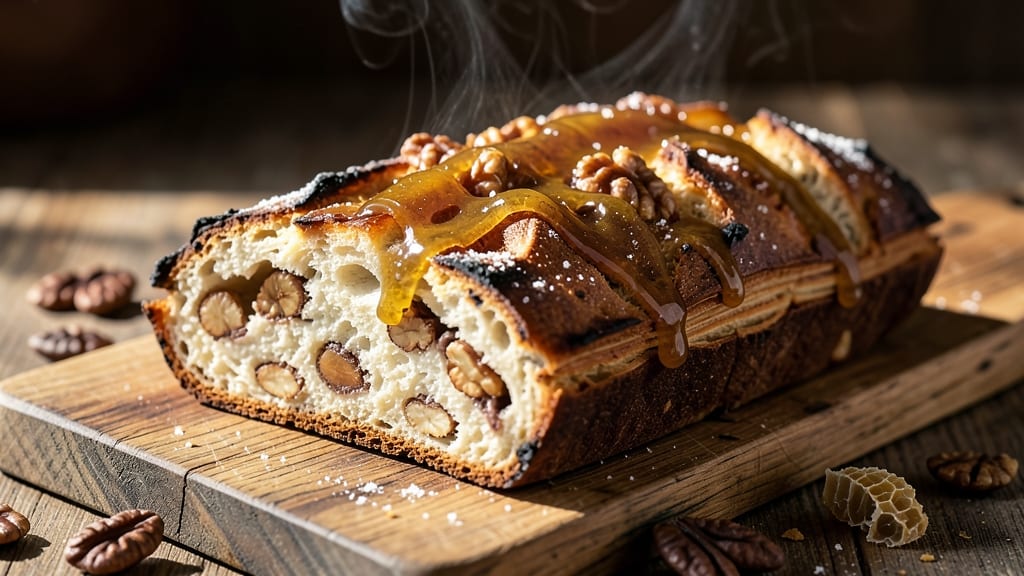
This animal bread recipe brings rustic tradition to your kitchen with its honey-spiced crust and chewy walnut heart—perfect for pairing with hearty stews or serving as a centerpiece for holiday tables. 🌟 The secret lies in using rendered beef fat for an unmatched rich flavor, while walnuts add satisfying texture and depth.
Unlike modern loaves, this bread stays moist for days, making it ideal for meal prep or gifting.
The dough combines traditional techniques with modern convenience: a slow fermentation develops complex flavors, while baking in a cast-iron skillet creates that signature crispy crust. No special equipment is needed—just time and patience.
The walnut heart, baked inside the loaf, delivers a satisfying crunch with every bite, balancing the bread's tender crumb.
What makes this recipe stand out is its versatility—serve it warm with butter, toasted for breakfast, or sliced for sandwiches. The honey-spiced crust adds subtle sweetness that pairs beautifully with savory dishes. Whether you're recreating a family tradition or trying something new, this bread delivers restaurant-quality results at home.
For those new to animal fat baking, don't worry—this recipe includes tips for achieving the perfect texture, whether you use lard, beef tallow, or a modern butter substitute.
The result is a loaf that tastes like it came from a countryside bakery, with a rich, satisfying flavor profile that keeps everyone asking for seconds.
Ingredients for animal bread
Traditional animal fat and honey combine with walnut heart for rustic, restaurant-quality bread.
| Ingredient | Amount | Notes |
|---|---|---|
| Rendered Beef Fat (or Lard) 🥩 | ¾ cup | Chilled and solid for handling |
| All-Purpose Flour 🌾 | 5 cups | Bread flour preferred for chewiness |
| Walnuts 🥜 | 1 ½ cups | Chopped, toasted for depth |
| Honey 🍯 | ¼ cup | Wildflower preferred for complexity |
| Active Dry Yeast 🍞 | 2 ¼ tsp | Fresh yeast at half quantity |
| Granulated Sugar 🍚 | ½ tsp | Activates yeast effectively |
| Diamond Crystal Kosher Salt 🧂 | 1 ½ tsp | Adjusts to 1.5% hydration |
| Whole Milk 🥛 | 1 cup | Warmed to 110°F for yeast |
| Ground Cinnamon 🌿 | ½ tsp | Freshly ground for aroma |
| Ground Nutmeg 🌶️ | ¼ tsp | Freshly grated for warmth |
| Black Peppercorns 🌶️ | ½ tsp | Coarsely crushed for texture |
| Cornmeal 🌽 | ½ cup | For skillet crust adhesion |
| Water 💧 | 1 cup | Room temperature preferred |
The rendered beef fat is non-negotiable for authentic flavor—Costco or local butchers often sell it pre-rendered, or you can render your own from beef suet. For those avoiding animal fat, lard or solid coconut oil work as substitutes, though texture differs slightly. Walnuts should be toasted until golden to enhance their nuttiness; chop them coarsely for a satisfying bite. Bulk bins at specialty grocers offer the freshest nuts, but pre-packaged works too. The honey should be raw and unfiltered—Manuka or wildflower varieties add subtle floral notes that elevate the crust.
No beef fat? Lard or solid coconut oil replicate the richness, though with slightly less depth. Substitute walnuts with pecans or hazelnuts for variety, but toast them first. The yeast requires warm milk (110°F)—too hot kills it, too cold slows activation. For a quicker rise, use instant yeast at half the quantity. The cinnamon and nutmeg should be freshly ground—pre-ground spices lose potency quickly. If you're short on time, pre-mixed spice blends from Penzeys or local markets work well. The cornmeal prevents sticking in the skillet—stone-ground or fine-ground varieties both work.
Store the dough in an airtight container in the fridge for up to 24 hours to enhance flavor through cold fermentation. Once baked, the loaf stays fresh for 5-7 days at room temperature, wrapped in a clean kitchen towel. For longer storage, freeze the loaf sliced or whole for up to 3 months. Reheat slices in a dry skillet for that fresh-baked appeal. The walnut heart remains chewy when properly toasted—don't over-toast, or it'll turn bitter. This bread reheats beautifully, making it ideal for meal prep.
Why You'll Love This Recipe
- No-Knead Magic: I swear by this dough—just mix, let it rise once, and bake. The rendered beef fat keeps it tender without a lick of fuss, and I’ve never measured flour by weight in my life. Honestly, it’s the kind of recipe that makes you question why you ever bothered with complicated bread.
- Rich, Nutty Crunch: That walnut streusel on top? It’s like a little flavor bomb. The toasted nuts and honey caramelize into something dangerously addictive, while the beef fat gives the crumb this deep, almost buttery richness. I’ll be real: it’s the kind of bread that disappears faster than my willpower on a Sunday morning.
- Weeknight & Picnic Hero: This bread is my go-to for everything—sandwiches, toast, or straight from the oven with a smear of honey. It holds up for days in the fridge (yes, even on a Tuesday night) and travels perfectly for tailgates or potlucks. No sad, squished bread here—it’s sturdy enough to handle whatever you throw at it.
- Budget-Friendly Luxury: Using rendered beef fat or lard cuts costs without sacrificing flavor, and walnuts add texture for pennies compared to pricier nuts. A single batch feeds my family for days, and the leftovers? They’re even better the next day, slightly firmer but still packed with that same nutty, honeyed goodness. It’s the kind of recipe that makes frugality feel indulgent.
Step-by-step instructions for honey-spiced animal bread
Master this rustic technique for a bread with a crisp honey-spiced crust and a dense walnut heart.
🍳 Step 1: Prepare the Walnut Heart and Yeast Mixture
In a small bowl, combine the 1.5 cups walnuts, 0.25 cup honey, and 0.5 tsp coarsely crushed black peppercorns. Toast this mixture in a dry skillet over medium heat for 3-4 minutes, stirring constantly until the walnuts release their aroma and the honey begins to caramelize. Watch carefully—the honey should bubble but not burn. Transfer to a small plate and let cool completely.
In a separate bowl, whisk together the 1 cup warm whole milk (110°F), 2.25 tsp active dry yeast, and 0.5 tsp granulated sugar. Let this mixture sit for 5-7 minutes until it becomes foamy and bubbles form at the surface. This confirms your yeast is active and ready to work.
👨🍳 Step 2: Mix the Dough and Incorporate the Walnut Heart
In a large mixing bowl, combine the 5 cups all-purpose flour and 1.5 tsp diamond crystal kosher salt. Create a well in the center and pour in the yeast mixture along with the 1 cup water. Using a wooden spoon, stir until a shaggy dough forms, then turn it out onto a lightly floured surface.
Knead the dough for 8-10 minutes until smooth and elastic, adding just enough of the remaining flour to prevent sticking. Shape the dough into a rough rectangle and press the cooled walnut mixture into the center, creating a log shape. Seal the edges by pinching the dough tightly around the walnut filling.
🔥 Step 3: Proof the Dough and Shape for Crispy Crust
Place the sealed dough seam-side down in a lightly greased bowl, cover with a damp towel, and let rise in a warm place for 1.5-2 hours or until doubled in size. The dough should feel light and springy when pressed gently with a finger.
Once proofed, turn the dough out onto a floured surface and shape it into an oval loaf. Brush the top generously with melted 0.75 cup rendered beef fat (or lard), then sprinkle evenly with 0.5 tsp ground cinnamon and 0.25 tsp ground nutmeg. Let the dough rest for 15 minutes uncovered while you preheat your oven.
🔥 Step 4: Bake with Cornmeal Crust Technique
Preheat your oven to 375°F. Sprinkle 0.5 cup cornmeal evenly into a 9x5-inch loaf pan. Press the shaped dough into the pan, seam-side down, and transfer to the oven. Bake for 45-50 minutes until the crust is deep golden brown and the internal temperature reaches 190°F. The bread should sound hollow when tapped on the bottom.
Remove from the oven and let cool in the pan for 10 minutes, then transfer to a wire rack. The crust should be firm and crackly, with a subtle honey aroma wafting from the walnut heart. Slice when completely cooled for clean, chewy layers.
Pro Tips For Making Animal Bread
- CHILL THE FAT FIRST: Rendered beef fat straight out of the pan is hotter than a summer sidewalk. Let it cool to room temperature before mixing it into the dough—otherwise, you’ll kill the yeast faster than a microwave burrito. I learned this the hard way when my first batch turned out denser than a brick.
- TOAST THE WALNUTS: Skip the raw walnuts—they’ll turn your bread into a soggy mess. Toast them in a dry pan over medium heat for 3-4 minutes until fragrant, then cool completely before chopping. This step makes a real difference in texture and flavor, even if it feels like extra work.
- DON’T OVER-KNEAD: This dough is forgiving, but don’t turn it into a workout. Once the yeast is activated and the ingredients are combined, knead just until smooth—about 5 minutes by hand. Over-kneading develops gluten, which can make the bread tougher than a boot heel.
- USE COLD HONEY: Warm honey is sticky chaos. Measure it cold, then let it sit at room temp for 10 minutes before mixing—this keeps the dough from sticking to your hands and ensures even distribution. Trust me, your future self will thank you when the bread doesn’t turn into a gluey disaster.
Regional styles of this dish
European Farmhouse
In rural France and Germany, animal breads like this were staples on farm tables, where rendered pork fat or beef tallow replaced butter entirely. The Germans call it "Fettbrot"—literally "fat bread"—and often incorporate sour rye flour for a denser crumb.
I’ve seen traditional versions topped with poppy seeds instead of walnuts, adding a subtle earthy note. The key difference? European versions often use sourdough starters for a tangier flavor profile. 🌍
Southern U.S. Twist
Down South, this bread transforms into "Hog Bread"—a name that nods to its origins with lard as the fat of choice. The Southern adaptation often includes cornmeal in the dough itself (not just for the crust) and a pinch of sage for that classic herbaceous warmth.
I’ve made this version with sweet potato purée replacing some of the walnuts, giving it a moist, slightly sweet center that pairs perfectly with collard greens or fried chicken. The crust gets an extra crackle from brushing with rendered bacon fat before baking. 🍖
Scandinavian Cardamom
Nordic countries take animal bread to new heights with cardamom and buttermilk—yes, buttermilk counts as an animal product in this context! The Swedes call it "Smörbröd" (butter bread), though traditional recipes use clarified butter (ghee) or beef drippings.
The walnut heart gets swapped for dried cranberries and pine nuts, creating a sweet-savory contrast. I’ve found that adding a splash of aquavit to the dough’s water enhances the crust’s complexity—it’s a secret worth trying if you love bold flavors. ❄️
Mediterranean Olive Oil
While not traditional, a Mediterranean-inspired version swaps animal fat for extra-virgin olive oil while keeping the walnut heart intact. The crust gets a lemon zest and sea salt finish, brightening the honey’s sweetness.
Italians might add rosemary to the dough, while Greeks often incorporate orzo into the walnut mixture for extra texture. This adaptation works beautifully for those avoiding animal products but still craving that rustic, hearty bread experience. 🌿
Modern Artisan Adaptation
Today’s bakers are reimagining animal bread with duck fat or chicken schmaltz for a richer flavor. The walnut heart gets upgraded to marcona almonds and dried figs, creating a luxurious loaf perfect for holiday gifting.
I’ve seen versions with black garlic purée in the dough for a deep umami kick. The crust? Often brushed with honey-beer reduction before baking. This style leans into high-end bakery techniques while keeping the soul of the original recipe intact. 🥖
Nutrition facts
Frequently asked questions
Can I substitute lard for beef fat in this recipe?
Yes, lard works perfectly as a 1:1 substitute for rendered beef fat! Both provide that rich, animal-based flavor that sets this bread apart. For a slightly lighter texture, you could also use solid coconut oil, though it will have a more neutral taste. Just make sure your fat is cold and firm when handling the dough.
How do I know when the walnut heart is fully toasted?
Toast the walnut mixture until it releases an intense, nutty aroma and the honey begins to bubble gently but not burn. The walnuts should turn golden-brown and feel slightly crisp when cooled. Over-toasting will make them bitter, so watch closely—about 3-4 minutes over medium heat is ideal.
Why did my bread turn out dense instead of chewy? This usually happens when the dough isn't kneaded long enough or the yeast isn't activated properly.
Can I make this bread without a loaf pan?
Shape the dough into a round or oval loaf and bake it on a parchment-lined baking sheet. For extra crispiness, brush the top with melted fat and sprinkle with cornmeal before baking. The baking time may increase by 5-10 minutes, so check for doneness at 40 minutes.
How can I store leftovers to keep them fresh?
Wrap the cooled loaf tightly in a clean kitchen towel or beeswax wrap, then store at room temperature for up to 5 days. For longer storage, slice the bread and freeze the pieces in an airtight container for up to 3 months. To revive, reheat slices in a dry skillet until crispy.