
Breakfast & Brunch
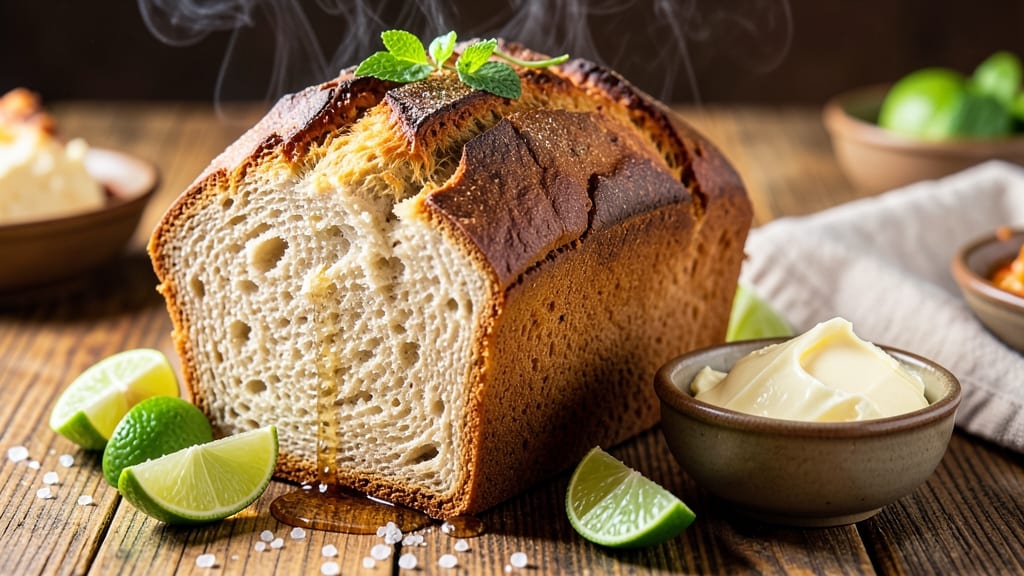
This Antigua Sunday bread brings the island's warm, spiced traditions to your kitchen with its golden crust and rum-infused sweetness. 🌟 The recipe honors Caribbean heritage by blending molasses, spices, and a touch of spiced rum for depth—perfect for brunch or weekend gatherings when time feels slow and flavors should shine.
The magic happens in the dough's slow fermentation, which develops rich, caramelized notes as it bakes. Unlike quick breads, this loaf requires patience—allowing the yeast and spices to meld creates that signature tender crumb with a crisp exterior.
The crust turns beautifully golden, almost crackling, while the interior stays moist and fragrant.
What makes this more than just bread is the cultural heart behind it: traditionally baked on Sundays to share with family, this loaf becomes the centerpiece of any meal.
The warm spices—cinnamon, nutmeg, and allspice—echo Antigua’s tropical climate, while the rum adds a sophisticated warmth that pairs beautifully with butter or jam.
Serve it fresh from the oven with a pat of softened butter or a drizzle of honey to complement its caramelized crust. The recipe scales perfectly for company, and leftovers reheat beautifully for days—though you’ll likely find it disappears quickly. Here’s how to make it.
Ingredients for antigua sunday bread
Caribbean warmth meets rustic tradition in this spiced rum-infused loaf's golden crust and tender crumb.
| Ingredient | Amount | Notes |
|---|---|---|
| All-Purpose Flour 🌾 | 5 cups | Sifted for even texture |
| Granulated Sugar 🍚 | 1 ½ cups | Light brown preferred |
| Unsalted Butter 🧈 | 1 cup | Cold, cubed for creaming |
| Large Eggs 🥚 | 2 whole | Room temperature |
| Active Dry Yeast 🍞 | 2 tsps | Fresh or envelope-packaged |
| Warm Water 💧 | 1 ¼ cups | 110°F ideal temperature |
| Unsulphured Molasses 🍯 | ½ cup | Dark for rich flavor |
| Spiced Rum 🍹 | ¼ cup | 180-proof preferred |
| Ground Cinnamon 🌿 | 2 tsps | Freshly ground preferred |
| Ground Nutmeg 🌿 | 1 tsp | Freshly grated preferred |
| Ground Allspice 🌶️ | 1 tsp | Freshly ground preferred |
| Diamond Crystal Kosher Salt 🧂 | 1 tsp | Fine grain preferred |
| Pure Vanilla Extract 🌸 | 1 tsp | Bottled preferred |
| Heavy Cream 🥛 | ½ cup | Full-fat for richness |
The yeast and rum are the heart of this recipe—Fleischmann's active dry yeast works reliably, but Saf-Instant is ideal for convenience. Spiced rum adds depth; Appleton Estate or Havana Club elevate it further. Molasses should be unsulphured for authentic flavor, and Whittard of Chelsea carries excellent options. For flour, King Arthur Unbleached All-Purpose ensures consistent texture, though any high-quality brand works. The butter must be cold to create proper layers in the dough.
No spiced rum? Dark rum with 1 tsp extra cinnamon mimics the warmth. Substitute molasses with equal parts dark corn syrup, though flavor will differ slightly. For nutmeg and allspice, pre-ground spices from Penzeys offer superior quality. If using salted butter, reduce the kosher salt by 0.5 tsp. The heavy cream can be swapped for whole milk*, but texture will be slightly less tender. Always measure flour by spooning into the cup and leveling—never scooping—to avoid dense bread.
Store the dough in an airtight container for up to 12 hours before baking, allowing flavors to meld further. Once baked, keep the loaf wrapped in a clean kitchen towel for 3-4 days to maintain moisture. For longer storage, slice and freeze portions for up to 3 months. Reheat slices in a 350°F oven for 5-7 minutes to restore freshness. The crust's caramelized notes deepen overnight, making it even more irresistible the next day.
Why You'll Love This Recipe
- No-Knead Magic: I swear by this recipe—just mix the dough, let it rise overnight, and bake straight from the fridge. The yeast does all the work while you sleep, and honestly? That buttery, golden crust? Zero effort, maximum reward.
- Sweet Butter Bliss: That ratio of sugar to butter? It’s what makes this bread dangerously good—soft inside, crisp at the edges, with just enough sweetness to pair perfectly with coffee or jam. (Yes, even on a Tuesday morning.)
- Sunday Leftovers Rule: Between us, this bread stays fresh for days. I’ll bake one loaf and have toast for breakfast, French toast for dinner, and sandwiches the next. No waste, just pure versatility—because who wants to bake every day?
- Budget-Friendly Staple: Flour, sugar, butter, eggs—these are pantry basics that stretch far. I make this when I need to feed a crowd without breaking the bank, and it’s always the hit. Plus, the dough’s forgiving, so no stress if you mess up the first try.
Step-by-step instructions for Antigua Sunday bread
This traditional Caribbean loaf delivers rich molasses flavor and a caramelized crust every time.
👨🍳 Step 1: Activate the Yeast and Prepare the Dough Base
In a small bowl, combine the 1.25 cups warm water (about 110°F) with the 2 tsps active dry yeast and let sit for 5-10 minutes until foamy. This activation step is crucial—your yeast should create visible bubbles before proceeding. If it doesn't bubble within 10 minutes, your yeast may be inactive.
In a large mixing bowl, whisk together the 5 cups all-purpose flour, 1.5 cups granulated sugar, 2 tsps ground cinnamon, 1 tsp ground nutmeg, 1 tsp ground allspice, and 1 tsp Diamond Crystal kosher salt. Sift the flour first for an even texture, then mix in the dry spices. This dry blend forms the aromatic foundation of the bread.
🍳 Step 2: Cream Butter and Incorporate Wet Ingredients
Using a stand mixer fitted with the paddle attachment, beat the 1 cup cold unsalted butter on medium speed until light and fluffy (about 2-3 minutes). Add the 2 whole large eggs one at a time, mixing well after each addition. The butter should nearly double in volume and become pale.
Gradually add the yeast mixture, 0.5 cup unsulphured molasses, 0.25 cup spiced rum, 1 tsp pure vanilla extract, and 0.5 cup heavy cream while mixing on low speed. The rum adds depth while the molasses provides that signature Caribbean sweetness. Mix until just combined—overmixing develops gluten and can make the bread dense.
🥘 Step 3: Knead Until Smooth and Elastic
Switch to the dough hook attachment and knead on medium speed for 5-7 minutes until the dough is smooth, elastic, and pulls away from the sides of the bowl. The dough should be slightly tacky but not sticky—if it's too sticky, add 1 tablespoon flour at a time until it reaches the right consistency.
Here's the thing—Antigua Sunday Bread has a unique texture. It should be softer than typical bread dough but still cohesive. If you press the dough with one finger and it springs back slowly (not immediately), it's ready. Shape the dough into a round loaf, place it in a lightly greased bowl, cover with a damp towel, and let rise in a warm place for 1-2 hours or until doubled in size.
🔥 Step 4: Shape and Proof for Maximum Rise
Punch down the risen dough and shape it into a round loaf about 8 inches in diameter. Place it seam-side up in a greased 9-inch round cake pan or baking dish. The round shape is traditional and helps create that signature caramelized crust. Cover loosely with plastic wrap and let proof at room temperature for another 30-45 minutes until it rises about 1 inch above the pan.
Preheat your oven to 350°F while the dough proofs. The proofing stage is where the bread develops its airy texture. If your kitchen is cold, place the bowl near a warm spot like the top of the fridge or near a slightly open oven door (with the oven off) to help it rise faster.
🔥 Step 5: Bake Until Golden and Crisp
Bake the loaf for 45-50 minutes until the top is deep golden brown and a toothpick inserted in the center comes out clean. The edges should be caramelized with a crackly crust—this is what makes Sunday Bread special. If the top browns too quickly, tent loosely with aluminum foil after 30 minutes to prevent over-browning while the center finishes cooking.
For that authentic Antigua touch, brush the warm loaf with a mixture of 2 tablespoons melted butter and 1 tablespoon spiced rum immediately after removing it from the oven. Let the bread cool in the pan for 10 minutes before transferring to a wire rack. Serve warm with butter or jam—traditionally, this bread is enjoyed fresh from the oven on Sunday mornings with a cup of strong tea.
Pro Tips For Making Antigua Sunday Bread
- Bloom the Yeast Right: Skip the guesswork—mix your yeast with warm water (110°F/43°C) and a pinch of sugar first, then wait exactly 5-10 minutes until it bubbles like champagne. If it’s sluggish after 15 minutes, start over: cold water kills yeast faster than you’d think, and Antigua Sunday Bread needs that lift to stay light.
- Cream Butter and Sugar Slow: Don’t rush the butter-sugar mix—beat it on medium until it’s pale and fluffy, not just combined. I used to crank the mixer high and end up with a greasy dough; medium speed for 3-4 minutes ensures the butter stays emulsified, which keeps the crumb tender. (Yes, even if you’re impatient like me.)
- Handle the Dough Gently: Antigua Sunday Bread isn’t a tough dough—overworking it turns it chewy. Once the yeast is proofed, fold in the flour just until combined, then let it rest 10 minutes before shaping. Resist the urge to punch it down; this bread relies on a delicate structure, not brute force.
- Proof Until It Almost Fails: The dough should double in size, but if you wait until it collapses on its own, you’ve gone too far. Instead, check when it’s about 75% expanded—press a finger in; if it springs back slowly, it’s ready. Overproofed dough flattens when baked, and no one wants a pancake for Sunday.
Best sauces and condiments for this antigua sunday bread
Butter and Rum Glaze
This is my go-to finishing touch—melt 2 tablespoons unsalted butter with 1 tablespoon spiced rum in a small saucepan over low heat. Brush this warm glaze over the freshly baked loaf while it's still in the pan.
The rum infuses instantly, creating a fragrant, slightly boozy aroma that complements the caramelized crust beautifully. 🍹
For extra richness, add ½ teaspoon vanilla extract to the glaze mixture. This enhances the bread's warm spice notes and creates a glossy finish that makes every slice irresistible.
Store any leftover glaze in an airtight container in the fridge for up to 1 week—it's perfect for drizzling over pancakes or toast too!
Molasses-Honey Drizzle
Combine ¼ cup unsulphured molasses with 2 tablespoons honey and 1 teaspoon lemon juice in a small saucepan. Warm over low heat until the mixture is smooth, then brush over the warm loaf.
This adds a sticky, sweet contrast to the bread's spiced richness. The lemon brightens the molasses' depth, creating a perfect balance of flavors.
For a thicker drizzle, reduce the mixture to 2 tablespoons before brushing. This creates a more concentrated flavor that clings beautifully to the crust.
I like to use this drizzle when serving the bread with cheese plates—it adds a tropical sweetness that pairs perfectly with aged cheddar or goat cheese. 🍯
Spiced Rum Cream Cheese Spread
Mix 8 ounces cream cheese at room temperature with 2 tablespoons spiced rum, 1 tablespoon honey, and ½ teaspoon ground cinnamon. Spread this on warm slices for a decadent twist.
The rum's warmth and the cream cheese's tang create a perfect contrast to the bread's caramelized crust. This spread is especially delicious when served with fresh berries on the side.
For a lighter version, substitute half the cream cheese with Greek yogurt. This reduces richness while keeping the spread's tangy, spiced character.
I often make a double batch and store it in the fridge for up to 5 days—it's perfect for breakfast toast or as a sweet snack with crackers. 🧀
Caramelized Onion Jam
Sauté 2 cups thinly sliced yellow onions in 2 tablespoons butter over medium-low heat for 45-60 minutes until deep golden brown. Add 2 tablespoons brown sugar, 1 tablespoon balsamic vinegar, and ½ teaspoon allspice, then simmer for another 10 minutes until thickened.
Spread this jam on warm bread slices for a savory-sweet contrast.
The allspice in the jam mirrors the spices in the bread, creating a cohesive flavor profile. This pairing works exceptionally well with sharp cheeses like blue cheese or aged gouda.
I recommend making this jam ahead of time—it tastes even better after the flavors meld overnight. Store in an airtight container in the fridge for up to 2 weeks. 🧅
Nutrition facts
Frequently asked questions
Why does this bread need to rise twice?
The first rise develops the yeast and creates air pockets, while the second, shorter proof in the pan ensures a light, airy crumb. Skipping either step can make the bread dense. The rum and molasses also need time to infuse fully during these stages for maximum flavor.
Can I make this bread without spiced rum?
Yes! Replace the 0.25 cup spiced rum with 0.25 cup orange juice or apple cider for sweetness, or 1 teaspoon extra vanilla extract for warmth. The rum adds depth, but these substitutes work well. For a boozy alternative, use dark rum with 1 extra teaspoon cinnamon.
How do I know when the bread is fully baked?
The bread is done when it reaches an internal temperature of 190°F and the crust is deep golden brown with crackly edges. Insert a toothpick into the center—it should come out clean. If the top browns too quickly, tent with foil after 30 minutes to prevent over-browning while the center finishes baking.
Why does my dough feel too sticky?
This bread’s dough is intentionally softer than traditional bread dough due to the molasses and cream. If it’s too sticky, add 1 tablespoon flour at a time until it’s just manageable. Over-kneading can also make it sticky, so knead only until smooth and elastic (5-7 minutes). A lightly floured surface helps too.
Can I bake this in a different shaped pan?
Yes! While the traditional round shape is ideal, you can use a 9x5-inch loaf pan for a longer loaf or a 9-inch cast-iron skillet for a rustic, crispy crust. Adjust baking time by 5-10 minutes—check for doneness with a toothpick. The round shape helps create the signature caramelized edges, but any pan works.