
Appetizers
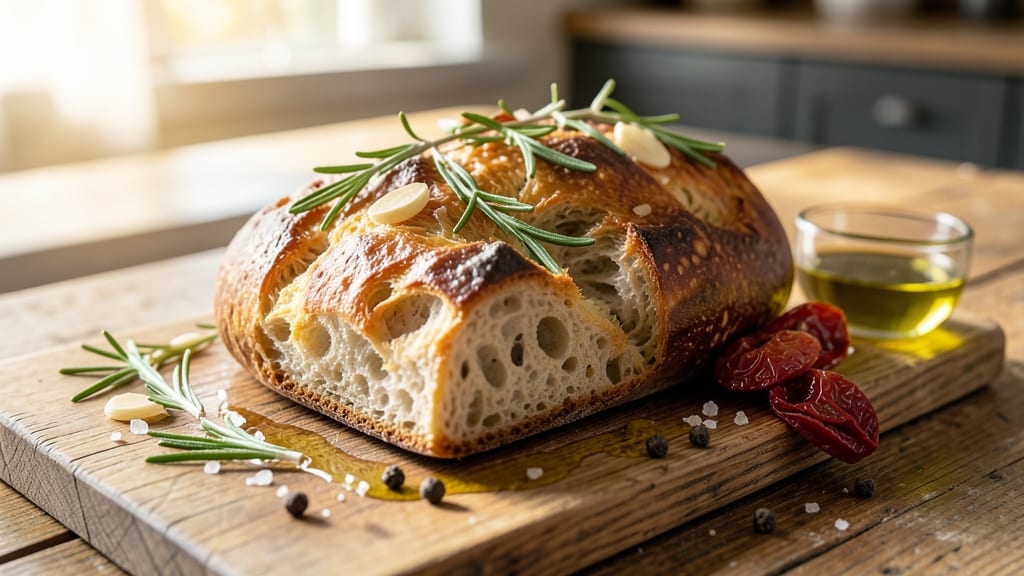
This antipasto bread recipe transforms your appetizer spread into an interactive experience with its golden, garlicky crust and cheesy pull-apart magic. 🌟 The secret lies in a simple dough infused with olive oil and herbs, baked until crispy yet tender enough to tear into chewy, flavorful bites.
Perfect for antipasto platters, this bread becomes the star—guests can't resist pulling off chunks to mingle with cured meats, olives, and cheeses.
The recipe builds on traditional Italian techniques but simplifies the process for home bakers. You'll work with a basic dough enriched with olive oil for moisture and flavor, then top it with garlic, herbs, and cheese before baking.
The result? A rustic, aromatic loaf with a crisp exterior and soft, chewy interior that pairs beautifully with any antipasto selection.
What makes this bread truly special is its versatility—serve it warm from the oven or at room temperature alongside your favorite Italian cured meats, marinated vegetables, and aged cheeses. The garlic and olive oil infusion adds depth, while the cheese topping creates irresistible pull-apart moments that elevate any gathering.
Whether you're hosting a casual dinner or preparing for a holiday feast, this antipasto bread delivers restaurant-quality results with minimal effort. The dough comes together quickly, proofing and baking in under 2 hours, making it an ideal make-ahead option that enhances any spread.
Ingredients for antipasto bread
Simple dough plus bold flavors—this antipasto bread brings the party to your appetizer spread.
| Ingredient | Amount | Notes |
|---|---|---|
| All-Purpose Flour 🌾 | 4 cups | Spooned and leveled, not packed |
| Active Dry Yeast 🍞 | ¼ oz | Or 2 1/4 tsp (1 packet) |
| Granulated Sugar 🍬 | 1 tbsp | For yeast activation |
| Extra-Virgin Olive Oil 🫒 | ½ cup | High-quality, fruity kind |
| Warm Water 💧 | 1 ¼ cups | 110°F, not boiling |
| Salt 🧂 | 1 ½ tsp | Diamond Crystal preferred |
| Garlic Cloves 🧄 | 4 cloves | Minced, for dough infusion |
| Fresh Rosemary 🌿 | 1 tbsp | Finely chopped, stems removed |
| Shredded Mozzarella Cheese 🧀 | 1 cup | Part-skim, block preferred |
| Parmesan Cheese 🧀 | ½ cup | Freshly grated from block |
| Coarse Sea Salt 🧂 | 2 tsp | For sprinkling on top |
| Black Peppercorns 🌶️ | ½ tsp | Freshly cracked |
| Sesame Seeds 🌱 | 1 tbsp | Optional, for crunch |
The olive oil is non-negotiable here. Trader Joe's or Costco carry excellent extra-virgin options that won't break the bank. Look for bottles labeled 'fruity' or 'robust'—those are your best bets for that authentic Italian flavor. Fresh rosemary makes all the difference, but dried works in a pinch (use half the amount). The mozzarella should be block-style if possible—pre-shredded gets gummy when baked. For the garlic, four cloves is perfect, but if you're feeling extra, add an extra one or two. The yeast? Check the expiration date—old yeast won't activate properly, and you'll end up with flat bread.
No fresh rosemary? Dried rosemary at half the amount works, but you'll lose some of that bright flavor. Short on mozzarella? Fontina or provolone melts beautifully too. The Parmesan needs to be freshly grated—pre-shredded has anti-caking agents that make it taste off. Running low on olive oil? Avocado oil is a decent substitute, though it won't have the same fruity depth. The sesame seeds are optional but add a nice crunch—skip them if you're avoiding nuts. For the salt, Diamond Crystal is ideal, but any coarse sea salt will do. If you only have table salt, use half the amount since it's finer and more concentrated.
This dough is forgiving, but don't rush the proofing. Let it rise until it's nearly doubled in size—about 1 to 1.5 hours depending on your kitchen. The bread tastes even better the next day, so bake it ahead if you're hosting. Store leftovers wrapped in a clean kitchen towel to keep them soft. For reheating, pop slices in the oven at 350°F for 5-7 minutes to revive that crispy crust. Freezes beautifully too—just wrap the whole loaf in foil and freeze for up to 3 months. Thaw at room temperature before serving.
Why You'll Love This Recipe
- No-Knead Magic: I swear by this trick—just mix the yeast, sugar, and warm water with the flour, then let it rise while you make dinner. No punchy arms, no sticky mess, just hands-off dough that doubles in size like clockwork.
- Olive Oil Luxury: That splash of extra-virgin olive oil? It’s the secret weapon. The bread gets this golden crust and a tender crumb that’s ridiculously satisfying—like a hug from Italy, but edible.
- Party or Pantry: Slice it fresh for a charcuterie board, toast it for breakfast, or stash it in the freezer for lazy mornings. Honestly, I’ve fed it to book club nights, game days, and my grumpy teenager before school—it’s that good.
- Dollar Stretch: Five ingredients, zero specialty items. This bread costs pennies to make but feels like a fancy bakery loaf. Between us, I’ve used the leftovers for croutons, breadcrumbs, and even a quick bread pudding—versatility wins.
Step-by-step instructions for garlicky olive oil crust bread
Here's how to make this irresistible pull-apart bread with crispy edges and cheesy centers.
👨🍳 Step 1: Activate the Yeast and Mix the Dough
In a large bowl, combine the 1.25 cups warm water (about 110°F) with the 1 tbsp granulated sugar and 0.25 oz active dry yeast. Let it sit for 5-10 minutes until foamy—this means your yeast is alive and ready to work. If it doesn't foam, start over with fresh yeast.
Add the 4 cups all-purpose flour, 1.5 tsp salt, 0.5 cup extra-virgin olive oil, 4 cloves minced garlic, and 1 tbsp chopped rosemary to the bowl. Mix with a wooden spoon until a shaggy dough forms. Then knead by hand on a lightly floured surface for 8-10 minutes until smooth and elastic. The dough should be slightly tacky but not sticky.
🥘 Step 2: Let the Dough Rise Until Doubled
Place the dough in a lightly oiled bowl, cover with a clean kitchen towel, and let it rise in a warm spot for 1-2 hours until it's puffy and has doubled in size. I like to put the bowl in my oven with a cup of boiling water to create a warm, steamy environment—this helps the dough rise faster and more evenly.
Poke the dough gently with your finger. If it springs back slowly, it's ready. If it springs back quickly, give it another 30 minutes. Overproofing is easier to fix than underproofing, so don't rush this step. The dough should feel light and airy, not dense.
🍳 Step 3: Shape and Second Rise for Flavor
Punch down the dough to release air, then divide it into 4 equal portions. Shape each portion into a small ball and place them in a greased 9x13-inch baking dish, pressing gently to fill the corners. Cover again and let rise for another 30-45 minutes until puffy.
Here's the thing—this second rise is crucial for flavor development. The dough will rise more slowly at room temperature, but this gives the garlic and rosemary time to infuse deeply. Preheat your oven to 375°F while the dough rises so it's ready when you are.
🔥 Step 4: Bake to Golden Perfection
Bake the bread for 20-25 minutes until the top is golden brown and the edges are crispy. About 10 minutes into baking, sprinkle the top with 2 tsp coarse sea salt, 0.5 tsp cracked black peppercorns, and 1 tbsp sesame seeds for texture and flavor.
Watch closely after 15 minutes—the bread should be puffy and pulling away from the edges of the pan. If it browns too quickly, tent it loosely with foil. The internal temperature should reach 190-200°F when done. Let it cool in the pan for 5 minutes before removing.
🥘 Step 5: Add Cheese and Finish Baking
While the bread is still warm, sprinkle the 1 cup shredded mozzarella cheese and 0.5 cup grated parmesan cheese evenly over the top. Return to the oven for 3-5 minutes just until the cheese melts and turns golden.
Let the bread cool for 10 minutes before serving. The cheese should be stretchy and gooey, and the crust should be crispy enough to hold up to pulling. Serve warm with marinara sauce for dipping or alongside your antipasto platter—every bite delivers that perfect balance of garlicky crust, cheesy pull-apart magic, and fresh herbs.
Pro Tips For Making Antipasto Bread
- Measure Yeast First: I learned this the hard way—yeast loses potency fast. Open that packet right when you start mixing, then measure it fresh. Cold water? Use a thermometer—yeast thrives at 105–110°F (40–43°C). No guessing.
- Oil the Bowl Properly: Drizzle that extra-virgin olive oil generously into the mixing bowl—enough to coat the sides. This keeps the dough from sticking when you knead, and trust me, you don’t want to fight a stubborn dough ball later. (Yes, even if you’re impatient like me.)
- Skip the Over-Kneading: Antipasto bread doesn’t need a workout—just until the dough clears the sides of the bowl and springs back when poked (about 5–7 minutes by hand). Over-kneading makes it tough, and no one wants chewy bread when you’re serving it with prosciutto and olives.
- Proof in a Warm Spot: Your oven isn’t just for baking—turn it on low (70°F/21°C), place a bowl of hot water inside, then shut the door. Pop your dough in there to proof. It’ll rise faster and more reliably than leaving it on the counter, especially if your kitchen’s cooler than a fridge. (Your future self will thank you.)
Common mistakes when making great antipasto bread
Overproofed Dough
I’ve ruined more antipasto bread than I’d like to admit by letting the dough rise too long. The telltale sign? Your dough collapses when you poke it, or it looks flat and dense instead of puffy.
The fix is simple: punch down the dough and let it rise again for 30-45 minutes in a warm spot. If it still feels sluggish, try kneading it briefly to redistribute the gluten before the second rise.
Trust me, a little patience here saves you from a sad, dense loaf. 💡
Skipping the Second Rise
This is where flavor gets lost. The second rise in the baking dish isn’t just about shape—it lets the garlic, rosemary, and olive oil infuse deeper into the dough. If you skip it, your bread will taste flat and underwhelming.
Give it those extra 30-45 minutes while you preheat the oven. Pro tip: Place the baking dish in the oven with the dough for the last 5 minutes of preheating to jumpstart the rise. ✨
Cheese Melting Issues
Nothing’s worse than a cheesy topping that looks sad and clumpy instead of golden and gooey. Pre-shredded cheese is the culprit—it contains anti-caking agents that prevent proper melting. Always use block mozzarella and shred it yourself with a box grater.
For extra meltiness, sprinkle the cheese right after removing the bread from the oven and return it to a 350°F oven for just 2-3 minutes until bubbly. 🧀
Uneven Baking
Your bread might bake unevenly if the oven isn’t hot enough or if the dough isn’t evenly distributed in the pan. Preheat your oven to 375°F for at least 15 minutes before baking. Also, press the dough portions gently into the corners of the pan to ensure even thickness.
If the top browns too quickly, tent it loosely with foil after 15 minutes. A baking sheet on the lower rack creates steam for a better rise. 🔥
Dry or Crumbly Texture
Olive oil is key here—don’t substitute it with neutral oils like vegetable or canola. The fat keeps the dough moist and tender. If your bread turns out dry, try adding 1 extra tablespoon of olive oil to the dough.
Also, avoid over-kneading; the dough should be slightly tacky, not stiff. For extra moisture, brush the baked bread with a little more olive oil after it cools. 🌿
Garlic Overpowering
Fresh garlic is bold, but too much can make your bread taste harsh. Stick to 4 cloves for this recipe.
If you love garlic, try infusing it into the olive oil first: heat 3 cloves in ¼ cup olive oil for 2 minutes, then strain and use the oil in the dough. This mellows the flavor while keeping that garlicky punch.
For a milder taste, use 3 cloves instead. 🧄
Nutrition facts
Frequently asked questions
Can I make antipasto bread without yeast?
For a quick version, use 1 cup self-rising flour instead of all-purpose flour and skip the yeast entirely. Mix in 1 tbsp baking powder with the flour, then follow the same shaping and baking instructions. The texture will be denser but still delicious—great for when you're short on time.
How long does this bread stay fresh?
At room temperature, it stays fresh for 2-3 days if wrapped in a clean kitchen towel to maintain moisture. For longer storage, freeze the baked loaf for up to 3 months. Thaw overnight in the fridge before serving. The crust stays crispy when reheated at 350°F for 5 minutes.
What's the best way to serve antipasto bread?
Serve warm with marinara sauce for dipping or alongside classic antipasto items like prosciutto, marinated artichokes, and aged cheeses. For a party platter, tear into chunks and arrange on a board with other Italian favorites. It's also perfect as a side for bruschetta or charcuterie boards.
Can I add other herbs besides rosemary?
Yes! Try thyme, oregano, or basil for different flavor profiles. For a Mediterranean twist, add 1 tsp dried za'atar to the dough. Fresh herbs like parsley or cilantro work well too—just use 1 tbsp chopped instead of rosemary.
Why did my bread turn out dense?
This usually happens from overproofing or under-kneading. If your dough collapsed when poked or didn't spring back, it was overproofed—punch it down and let it rise again for 30 minutes. For under-kneading, work the dough 2-3 more minutes until elastic. Also ensure your yeast was active (it should foam in 5-10 minutes with warm water).