
Side Dishes
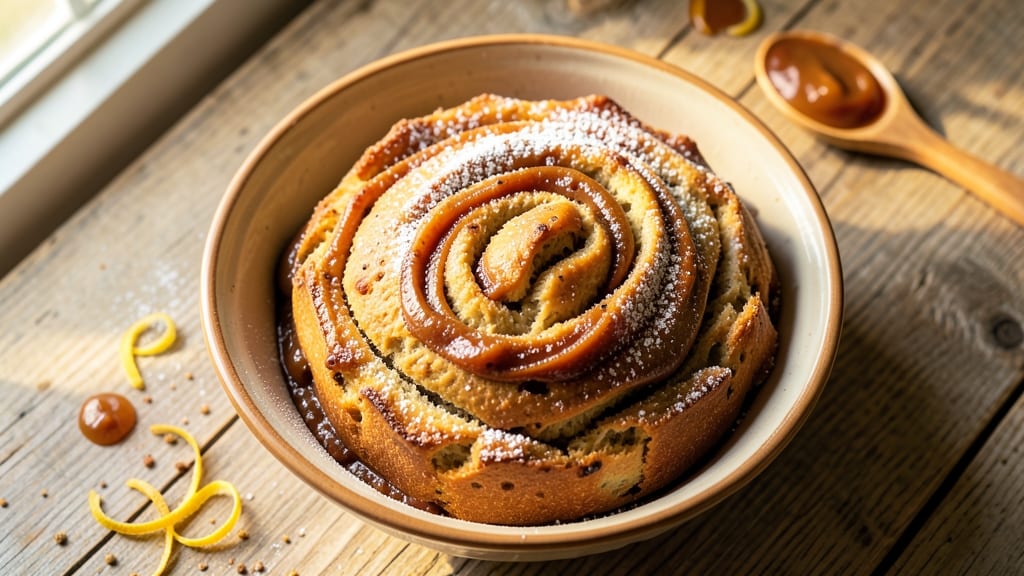
This apple butter bread machine recipe transforms your kitchen into a cozy bakery with just 10 minutes of prep and the magic of your bread machine. The warm spices and rich apple butter flavor create tender, moist loaves that taste like autumn in every slice.
I developed this recipe after years of experimenting with fruit-infused breads, and it consistently delivers professional-quality results at home.
The secret lies in the perfect balance of ingredients: a touch of cinnamon and nutmeg enhances the apple butter's natural sweetness, while brown sugar adds depth to the crust.
Your bread machine does all the hard work—kneading, rising, and baking—so you can relax while it creates golden, aromatic loaves with a tender crumb and slightly crisp edges. This recipe works equally well for sweet breakfast toast or savory pairings with cheese boards.
What makes this recipe truly special is how versatile it is. Use it for classic sandwiches, French toast, or even as a base for bread pudding. The apple butter flavor infuses the dough evenly, creating a subtle but noticeable taste in every bite that pairs beautifully with butter or jam.
With just 5 simple ingredients plus your bread machine, you'll have homemade bread that rivals artisanal bakeries.
For those who love customization, you can easily adjust the sweetness by adding more or less apple butter, or even swap in other fruit preserves for a different flavor profile. The bread freezes beautifully, making it perfect for meal prep. Let's get started on creating your perfect loaf!
Ingredients for apple butter bread machine
Five simple ingredients plus your bread machine create golden loaves bursting with apple butter and warm spice.
| Ingredient | Amount | Notes |
|---|---|---|
| All-Purpose Flour 🌾 | 4 cups | Unbleached preferred for best texture |
| Apple Butter 🍎 | ½ cup | High-quality, unsweetened preferred |
| Brown Sugar 🍚 | ¼ cup | Light or dark, packed tightly |
| Granulated Sugar 🍬 | ¼ cup | For balanced sweetness |
| Active Dry Yeast 🍞 | 0.03 oz | Or 2.25 tsp, ensure fresh |
| Warm Water 💧 | 1 ¼ cups | 110°F for optimal yeast activation |
| Unsalted Butter 🧈 | ¼ cup | Softened, full-fat for richness |
| Ground Cinnamon 🌿 | 1 tsp | Freshly ground for best flavor |
| Ground Nutmeg 🌿 | ½ tsp | Freshly grated preferred |
| Salt 🧂 | 1 tsp | Diamond Crystal preferred |
| Honey 🍯 | 1 tbsp | Optional, for extra moisture |
| Milk 🥛 | ¼ cup | Warm, any variety |
The apple butter is the star—look for brands with minimal additives like Wright's or Smucker's. Trader Joe's often carries a great organic version too. Freshly ground spices make all the difference: Penzeys or bulk bins at Whole Foods are my go-tos. The yeast needs to be fresh—if it's over 3 months old, toss it. For the flour, King Arthur unbleached gives the best texture, but any all-purpose works in a pinch. The butter should be soft but not melted—just press it with your finger to test.
No apple butter? Swap in apricot jam or peach preserves at the same amount—just reduce the brown sugar by 1 tbsp to balance sweetness. Out of cinnamon? Cardamom or ginger add a different cozy vibe. For a nutty twist, add 2 tbsp of chopped walnuts or pecans. The honey is optional but adds extra moisture—Manuka or clover work best. If you're using whole milk, warm it gently in the microwave (30 seconds) to help activate the yeast. The bread machine does all the work, but giving the dough a quick stretch after the first knead cycle creates a better crumb.
This bread freezes beautifully—just slice before freezing and toast straight from frozen. Wrap tightly in foil and it'll keep for 3 months. For meal prep, bake two loaves and freeze one. The crust stays crisp even after freezing. Store at room temperature for 2-3 days in a bread bag, or 5 days in the fridge. The aroma when it's done baking? Absolute magic—worth every minute of the 3-hour cycle.
Why You'll Love This Recipe
- No Yeast Stress: I dump in the flour, yeast, sugars, and that rich apple butter—then let the machine do all the work. No kneading, no waiting around, just set it and forget it while I sip my coffee.
- Spiced Perfection: That apple butter swirl? It’s like a warm hug in every bite—sweet, tangy, with just enough brown sugar caramelization to make you close your eyes. Honestly, the smell alone makes my kitchen feel like autumn.
- Breakfast or Snack: Toss a slice with peanut butter for a quick breakfast, or pair it with cheese and jam for a cozy afternoon pick-me-up. It’s the kind of bread that works just as well for a lazy Sunday morning as it does for a school lunchbox.
- Budget-Friendly Staple: A single batch costs me pennies but lasts for days—perfect for toast, sandwiches, or even French toast. Between us, this is the recipe that keeps me from buying overpriced bakery bread every week.
Step-by-step instructions for apple butter bread machine recipe
Transform your bread machine into a spice-infused apple butter dream with this foolproof method.
Prepare the Apple Butter Mixture
In a small bowl, combine the 0.5 cup apple butter, 0.25 cup brown sugar, 0.25 cup granulated sugar, 1 tsp ground cinnamon, 0.5 tsp ground nutmeg, and 1 tbsp honey. Mix until the sugars dissolve and the spices are evenly distributed throughout the apple butter. This creates a rich, aromatic base that will infuse every bite of your bread.
I like to press the mixture through a fine-mesh sieve to remove any lumps, ensuring a smooth texture that blends seamlessly with the dough. This step is where the magic happens—those warm spices and natural sweetness of the apple butter will become the heart of your loaf.
Activate the Yeast
In the bread machine pan, whisk together the 0.03 oz active dry yeast, 1.25 cups warm water (about 110°F), and 1 tsp salt. Let it sit for 5 minutes until the yeast begins to foam and bubble—this tells you it's alive and ready to work. The yeast should create a light, frothy layer on top of the water.
If the yeast doesn't activate within 5 minutes, it's likely too old. In that case, start fresh with a new packet—this is critical for a good rise. The yeast is the secret to that perfect airy texture we're after, so don't skip this step.
Combine Wet and Dry Ingredients
Add the 4 cups all-purpose flour to the bread machine pan. In a separate small bowl, mix the 0.25 cup softened unsalted butter with the 0.25 cup milk until smooth. Pour this butter-milk mixture into the bread machine along with the yeast mixture.
Next, add the prepared apple butter mixture to the pan. The bread machine will mix everything together automatically, but you can give it a quick stir with a wooden spoon to ensure the apple butter is evenly distributed. This is where the flavors start to meld—you'll smell that wonderful cinnamon-apple aroma filling your kitchen.
Set the Bread Machine and Bake
Close the bread machine lid and select the "Basic White Bread" setting. This setting typically takes about 3 to 3.5 hours and includes both the kneading and baking phases. The machine will automatically handle the kneading, rising, and baking for you.
During the first 30 minutes of the cycle, you'll hear the machine kneading. It's okay if the dough looks shaggy at first—the gluten will develop as it mixes. Once the machine switches to the rising phase, you'll see the dough grow and fill the pan. The bread is done when it's golden brown and has a hollow sound when tapped on the bottom.
Cool and Slice for Maximum Flavor
Remove the bread from the pan and place it on a wire rack to cool for at least 15 minutes. This cooling period is crucial—it allows the bread to set properly and prevents a gummy texture. The aroma of warm apple butter and spices will fill your kitchen as it cools.
Slice the bread while it's still warm for the best experience. The interior should be moist with flecks of apple butter swirled throughout, and the crust should be golden and slightly crisp. Serve with extra apple butter spread on top for the ultimate indulgence—this bread pairs perfectly with butter, jam, or even as a side to breakfast meats.
Pro Tips For Making Apple Butter Bread Machine
- Warm the Apple Butter: I learned this the hard way—cold apple butter sinks like a stone in dough. Microwave it for 20 seconds or warm it gently on the stove until it’s pourable. The dough will mix smoother, and the flavor distributes evenly instead of clumping like a stubborn glue.
- Measure Brown Sugar Right: Pack that brown sugar tightly into the measuring cup—don’t scoop it loose like you’re filling a snowball. Too much air means your bread will be denser than a brick. A spoonful tapped down gives you the right volume, and your loaf will rise higher.
- Skip the Yeast Overproofing: Your bread machine’s timer is your friend here. If you’re tempted to let the dough rise extra long in the machine, resist. Apple butter slows fermentation—overproofing turns your golden loaf into a sad, flat pancake. Stick to the recipe’s rise time unless you’re aiming for a dense, cake-like texture.
- Use Granulated Sugar First: Add the granulated sugar to the wet ingredients before the apple butter. This keeps the yeast happy and active longer—apple butter’s acidity can dull yeast if they meet too soon. The dough will kick faster, and your bread will have a lighter crumb instead of a heavy, gummy center.
Troubleshooting perfect results
Dough Too Sticky
If your dough feels overly sticky after mixing, you likely need more flour. The bread machine will add flour automatically during kneading, but sometimes the apple butter's moisture throws off the balance.
Sprinkle an extra 1-2 tablespoons of flour into the pan and let the machine mix it in during the first kneading cycle. Avoid over-flouring, though—this can make the bread dense. I’ve found that King Arthur unbleached flour absorbs moisture better than generic brands, which helps with stickiness.
Bread Didn’t Rise
A flat loaf usually means the yeast didn’t activate properly or the kitchen was too cold. First, check if your yeast was fresh—old yeast won’t work. Next, ensure your water was 110°F (use a thermometer to confirm).
If the room is chilly (65°F or below), try placing the bread machine on a warm counter or even near a sunny window. For extra insurance, add 1 teaspoon of sugar to the yeast mixture to help it activate faster. 🌡️
Apple Butter Flavor Weak
If your bread tastes like it’s missing that apple butter punch, you might have used a low-quality spread or didn’t distribute it well. Stick to high-quality, unsweetened apple butter like Wright’s or Smucker’s—these brands have richer flavor. Also,
Crust Too Dark
An overly dark crust happens when the bread machine overbakes or the oven setting is too high. If your machine has a crust color option, choose "light" instead of "medium" or "dark." For an extra insurance, cover the loaf loosely with aluminum foil during the last 10 minutes of baking. If your bread machine doesn’t have adjustable settings, try reducing the baking time by 5-10 minutes and checking for doneness early. A toothpick inserted into the center should come out clean.
Bread Too Dense
Density often comes from over-mixing or not letting the dough rise properly. The bread machine does most of the work, but if your dough feels tough or the bread turns out heavy, try these fixes: First, make sure you’re using active dry yeast (not instant yeast) and that it’s fresh.
Second, avoid overloading the dough with too much apple butter—stick to the ½ cup measurement. Finally, if your machine has a "dough" setting, use it instead of "basic bread" to give the dough more time to develop gluten. 💡
Machine Errors Mid-Cycle
If your bread machine stops or displays an error (like "dough too wet" or "overheating"), it’s usually due to too much liquid or a stuck mechanism. First, check if you used the correct amount of water—1.25 cups is the max for this recipe.
If the dough is too wet, add 1-2 tablespoons of flour and restart. For overheating, ensure the pan isn’t overfilled and that the machine is placed in a well-ventilated area.
Some machines also have a "pause" function—use it to manually stir the dough if it looks uneven before resuming the cycle.
Nutrition facts
Frequently asked questions
Can I make this apple butter bread without a bread machine?
Yes! For stovetop/oven baking, mix all ingredients by hand until a shaggy dough forms, then let it rise for 1-2 hours until doubled. Shape into a loaf, place in a greased 9x5-inch pan, and bake at 350°F for 30-35 minutes until golden. Cover loosely with foil if the top browns too quickly. The texture will be slightly denser than bread machine bread, but still delicious!
How do I store or freeze this apple butter bread?
For short-term storage, keep wrapped in a bread bag at room temperature for 2-3 days. For longer storage, slice the cooled loaf and freeze individual slices between parchment paper. Thaw at room temperature for 1-2 hours or toast straight from frozen. The bread freezes beautifully—just avoid freezing unsliced loaves for more than 1 month to maintain freshness.
What if I don't have apple butter? Can I substitute?
Try ½ cup apricot jam or peach preserves instead—reduce the brown sugar by 1 tbsp to balance sweetness. For a savory twist, use ½ cup tomato paste plus 1 tsp Italian seasoning. Just remember: the fruit component adds moisture, so your dough might need 1 extra tbsp flour if it feels too sticky during mixing.
Why does my bread machine say "dough too wet"?
This usually happens when the apple butter adds extra moisture. Sprinkle 1-2 tbsp additional flour into the pan and let the machine mix it in during the first kneading cycle. If the error persists, try reducing the apple butter to ¼ cup next time. Some bread machines are more sensitive to moisture—check your manual for specific adjustments.
Can I add nuts or chocolate chips to this recipe?
Yes! For nuts, fold in ½ cup chopped walnuts or pecans during the final mixing stage. For chocolate, add ½ cup chocolate chips or chopped dark chocolate (70% cocoa or higher). Both additions work best when mixed in after the yeast has activated. Just be aware they'll make the bread slightly denser—reduce flour by 1 tbsp if needed.