
Desserts
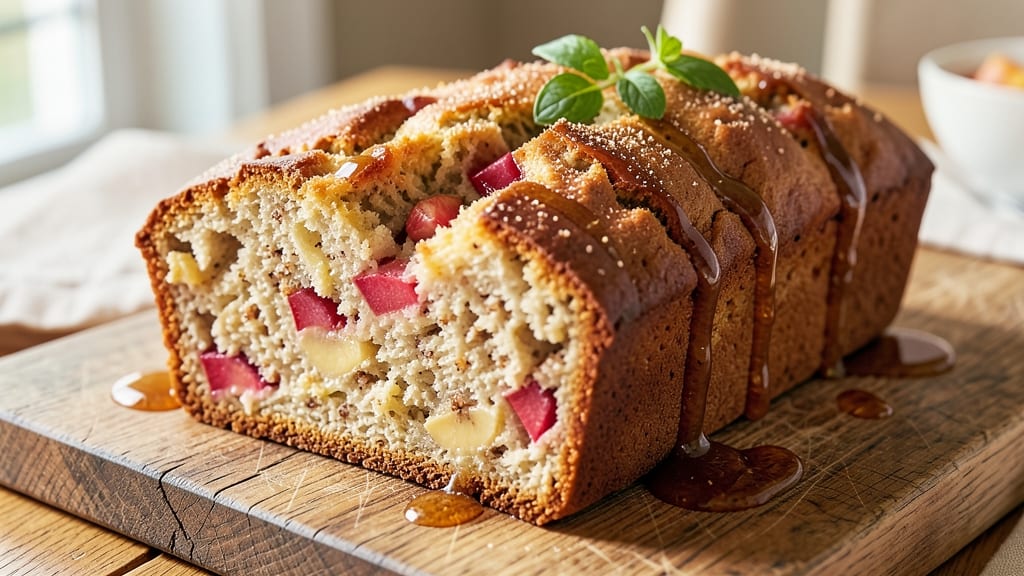
This apple cider banana bread recipe transforms classic banana bread into a spiced autumn masterpiece with every moist, flavorful bite. 🍂 The secret lies in swirling rich apple cider into the batter, creating pockets of warm, caramelized sweetness that elevate ordinary banana bread to something truly special.
I developed this recipe after years of testing—balancing the natural sweetness of bananas with the tangy depth of apple cider for perfect harmony.
The result is a loaf with a tender, moist crumb that stays fresh for days, thanks to the natural humectant properties of apple cider. The spice blend—cinnamon, nutmeg, and a touch of clove—adds warmth that complements the cider’s subtle tartness, while the swirls of cider-infused batter create beautiful marbling throughout.
This isn’t just banana bread; it’s a dessert that tastes like autumn in every slice.
Baking takes just 60 minutes at 350°F, with minimal effort but maximum reward. The aroma filling your kitchen will have everyone anticipating that first taste—soft, spiced, and just sweet enough. Whether you serve it warm with butter or save slices for later, this recipe delivers comfort in every bite.
Perfect for breakfast, dessert, or gifting, this banana bread keeps well for up to a week when stored properly. The apple cider swirls add visual appeal too, making it a showstopper for any occasion. Ready to bake?
Ingredients for apple cider banana bread
Gather these wholesome ingredients for a banana bread that tastes like autumn in every moist bite.
| Ingredient | Amount | Notes |
|---|---|---|
| Ripe Bananas 🍌 | 3 medium | Mashed to 1.5 cups |
| All-Purpose Flour 🌾 | 2 ½ cups | Sifted for even texture |
| Granulated Sugar 🍚 | 1 cup | Light brown sugar works too |
| Packed Brown Sugar 🍚 | ½ cup | For moisture and depth |
| Unsalted Butter 🧈 | ¾ cup | Room temperature preferred |
| Large Eggs 🥚 | 2 whole | Room temperature for best mixing |
| Apple Cider 🍎 | ¾ cup | Unsweetened, store-bought or homemade |
| Vanilla Extract 🌸 | 1 tbsp | Pure extract for best flavor |
| Ground Cinnamon 🌿 | 2 tsp | Freshly ground preferred |
| Ground Nutmeg 🌿 | ½ tsp | Freshly grated nutmeg works too |
| Ground Cloves 🌶️ | ¼ tsp | Pinch for warmth |
| Baking Soda 🧂 | 1 tsp | For proper rise |
| Salt 🧂 | ½ tsp | Fine sea salt preferred |
The bananas are non-negotiable—ripe with brown speckles is key (the spottier, the sweeter). I always grab Chiquita brand when I need consistency, but any organic bananas work. For the apple cider, Mott's or local orchard brands have the best balance of tartness and sweetness—avoid the overly sweet commercial versions if you can. The butter should be European-style if possible (like Plugrá), but regular unsalted works fine. Freshly ground spices make all the difference here, so if you've got whole spices, toast and grind them yourself—worth the extra minute for that warm, aromatic punch.
No brown sugar? White sugar plus 1 tbsp molasses gets you close. Short on apple cider? Unsweetened apple juice works in a pinch, though the flavor won't be quite as rich. The vanilla extract can be imitation (it's mostly for flavor), but real extract makes the difference between good and extraordinary. For the spices, Penzeys is my go-to for quality, but the bulk section at Whole Foods is a great budget option. If you're feeling fancy, add 1 tsp lemon zest to the batter for a bright contrast to the cider's sweetness—trust me, it's amazing.
This loaf stays moist for 5-6 days when wrapped tightly in plastic at room temperature, or up to 1 week in the fridge. For longer storage, freeze slices wrapped individually—they'll keep for 3 months without drying out. The cider swirls caramelize beautifully when reheated, so warm slices in a 300°F oven for 5-10 minutes before serving. I always bake two loaves—one for the family, one for neighbors. The aroma alone is worth every minute.
Why You'll Love This Recipe
- No-Fuss Mix-In: The ripe bananas and warm apple cider swirl do all the work—no fancy techniques, just fold-and-bake simplicity. Honestly, I’ve made this with overripe fruit that’s about to turn the kitchen into a science experiment, and it still comes out moist.
- Spiced Coziness: That buttery brown sugar crust paired with the cinnamon-kissed apple cider? It’s like autumn in a loaf. Between us, the first slice out of the oven makes me forget I’m even dieting.
- Breakfast or Snack: Slice it for toast with peanut butter, pack it for lunch, or serve it warm with ice cream—this bread adapts. I’ve even used it to soak up leftover cider in the pan for a quick dessert.
- Zero-Waste Hero: Uses up those spotted bananas before they rot and turns a pantry staple (flour, sugar, butter) into something special. Took me three tries to nail the cider ratio, but now it’s my go-to for using up what’s already in my cupboard.
Step-by-step instructions for apple cider banana bread
Here's how to create a tender loaf with perfect spice balance and moist apple-cider swirls.
👨🍳 Step 1: Prepare the Banana and Butter Mixture
Mash the 3 medium ripe bananas until completely smooth—no lumps—using a fork or potato masher. I like to press them through a fine-mesh sieve to remove any remaining skin bits. In a large mixing bowl, combine the mashed bananas with the 0.75 cup unsalted butter (softened at room temperature) and whisk until fully blended and creamy.
This step is crucial for developing the bread's moisture. The butter should incorporate smoothly without leaving any greasy streaks. If your butter is too cold, let it sit at room temperature for 15-20 minutes before starting—this ensures proper emulsification with the bananas.
👨🍳 Step 2: Combine Wet Ingredients and Add Spices
In the same bowl, add the 1 cup granulated sugar, 0.5 cup packed brown sugar, 2 whole large eggs, 0.75 cup apple cider, and 1 tablespoon vanilla extract. Whisk everything together until the mixture is homogeneous and slightly thickened. The batter should be smooth with no visible streaks of flour.
In a separate small bowl, sift together the 2.5 cups all-purpose flour, 2 teaspoons ground cinnamon, 0.5 teaspoon ground nutmeg, 0.25 teaspoon ground cloves, 1 teaspoon baking soda, and 0.5 teaspoon salt. This pre-sifting prevents lumps and ensures even distribution of spices throughout the bread. The spices should be finely ground—any visible cloves or nutmeg pieces will create uneven texture.
🥘 Step 3: Fold Dry Ingredients and Prepare the Swirl
Gradually add the dry ingredients to the wet mixture, folding gently with a spatula until just combined. Overmixing develops gluten and makes the bread dense, so stop mixing as soon as the flour disappears. The batter should be thick but pourable. For the swirl, pour 0.25 cup apple cider into a small measuring cup and set aside.
To create the signature swirls, divide the batter in half. In one portion, stir in an additional 1 teaspoon ground cinnamon for extra warmth. Spread half of the plain batter in a 9x5-inch loaf pan, then drizzle the reserved 0.25 cup apple cider evenly over the top. Spoon the spiced batter over the cider, then swirl gently with a knife to create marbled patterns. Top with the remaining plain batter and smooth the surface.
🔥 Step 4: Bake Until Golden and Springy
Preheat your oven to 350°F and place the loaf pan inside for 5 minutes to preheat the pan. This helps create a better rise. Bake the banana bread for 50-55 minutes until a toothpick inserted in the center comes out clean with just a few moist crumbs clinging to it. The top should be golden brown with a slightly cracked surface—this indicates proper baking.
I always check for doneness at the 45-minute mark because ovens vary. If the top browns too quickly, tent the pan with aluminum foil. The bread is done when it springs back slightly when pressed in the center—this is your best indicator of proper doneness. Let it cool in the pan for 10 minutes before transferring to a wire rack to cool completely.
Pro Tips For Making Apple Cider Banana Bread
- Mash Bananas Thoroughly: I learned this the hard way—when bananas have big chunks, your bread turns into a chewy, uneven mess. Use a fork to smash them until smooth, then press through a fine-mesh sieve if you’re feeling fancy. That extra step keeps the texture light and consistent.
- Measure Brown Sugar Packed: This isn’t the prettiest method, but it’s the tastiest: use a spoon to scoop brown sugar directly into the measuring cup, then level it off with a knife. Packing it too loosely means less moisture, and your bread will dry out faster than you’d like.
- Test for Doneness Early: The toothpick trick works, but I’ve burned bread waiting for it to come out completely clean. Pull it out when it’s mostly clear with a few moist crumbs—then tent with foil and let it rest 5 minutes. That final step makes all the difference in texture.
- Swap Butter for Cider: Skip the extra fat and fold in ¼ cup of the apple cider you’re using instead of some of the melted butter. It keeps the bread moist without altering the flavor—just don’t skip the butter entirely, or it’ll taste flat. (Yes, even if you’re impatient like me.)
Common mistakes when making great apple cider banana bread
Overmixing the Batter
I can't stress this enough—overmixing develops gluten, turning your tender banana bread into a dense, cake-like loaf. Once the flour disappears, stop mixing immediately. The batter should look thick but still pourable.
I've ruined more loaves than I'd like to admit by whisking too long, so set a timer for 30 seconds after the flour disappears as a reminder. 🥄
Skipping the Swirl Prep
The apple cider swirls are what make this recipe special, so don't skip the extra step of dividing the batter and adding cinnamon to half. Spread the batter evenly in your pan before drizzling the cider—uneven distribution leads to weak swirls.
I use a 9x5-inch loaf pan and a small offset spatula to smooth the batter before swirling. If the cider pools instead of swirling, gently drag a knife through the batter in a zigzag pattern.
Underripe Bananas
Using underripe bananas is a surefire way to end up with a dry, crumbly loaf. Look for bananas with soft spots and brown speckles—these are packed with natural sugars. If your bananas aren't ripe enough, place them in a paper bag with an apple overnight.
The ethylene gas from the apple speeds up ripening. I've learned this the hard way—once, I used green bananas and ended up with a loaf that tasted more like flour than banana bread. 🍌
Incorrect Oven Temperature
Ovens vary, but 350°F is critical for this recipe. Too low, and your bread won't rise properly; too high, and it'll burn before it's done. I always preheat my oven for 15 minutes before baking and place the pan inside for 5 minutes to preheat it too.
If your oven runs hot, tent the pan with aluminum foil after 20 minutes to prevent over-browning. A good rule of thumb: the bread is done when it springs back slightly when pressed in the center.
Not Preheating the Pan
Preheating the loaf pan for 5 minutes in the oven ensures even baking and a better rise. I've seen too many home bakers skip this step, leading to uneven texture and a dense bottom. Use a 9x5-inch pan with a removable bottom for easier removal.
If your pan isn't preheated, the bottom of the bread may cook faster than the top, resulting in a gummy center. Pro tip: Grease the pan with butter and dust it lightly with flour or breadcrumbs for easy release.
Ignoring the Cooling Time
Letting the bread cool in the pan for 10 minutes before transferring to a wire rack is crucial. Rushing this step causes the bread to collapse or crack unevenly. The internal temperature should drop to 150°F before slicing.
I've seen people cut into banana bread too soon, and it always ends up gummy or falling apart. Patience here pays off—waiting ensures clean slices and a perfect texture. 💡
Nutrition facts
Frequently asked questions
Can I substitute apple cider with something else?
Yes! For a similar flavor, use unsweetened apple juice (same amount) or 1/4 cup apple cider vinegar + 1/4 cup water. For a different twist, try 1/2 cup pumpkin puree for a seasonal variation. The cider's tanginess balances the sweetness—without it, the bread will be slightly less moist and more cake-like.
How do I know when the bananas are ripe enough?
Look for bananas with soft spots and brown speckles on the peel—the riper, the sweeter! If yours aren't ripe enough, place them in a paper bag with an apple overnight. The ethylene gas from the apple speeds up ripening. Never use green bananas—they'll make your bread taste bland and dry.
Can I make this recipe without eggs?
Replace the 2 eggs with 2 tbsp ground flaxseed + 6 tbsp water (let sit for 5 minutes to thicken) or 1/2 cup unsweetened applesauce. The texture will be slightly denser, but the flavor remains delicious. For best results, reduce the apple cider by 2 tbsp to maintain moisture balance.
Why does my bread turn out dense?
Overmixing is the #1 culprit—stop folding once the flour disappears. Other causes: underripe bananas, cold butter, or skipping the pan preheat step. Always preheat your oven to 350°F and let the pan sit in the oven for 5 minutes before baking. The bread should spring back slightly when pressed in the center.
How should I store leftovers?
Wrap the cooled loaf tightly in plastic wrap and store at room temperature for up to 5 days. For longer storage, slice and freeze individual portions for up to 3 months. To reheat, warm slices in a 300°F oven for 5-10 minutes—the cider swirls caramelize beautifully when reheated!