
Desserts
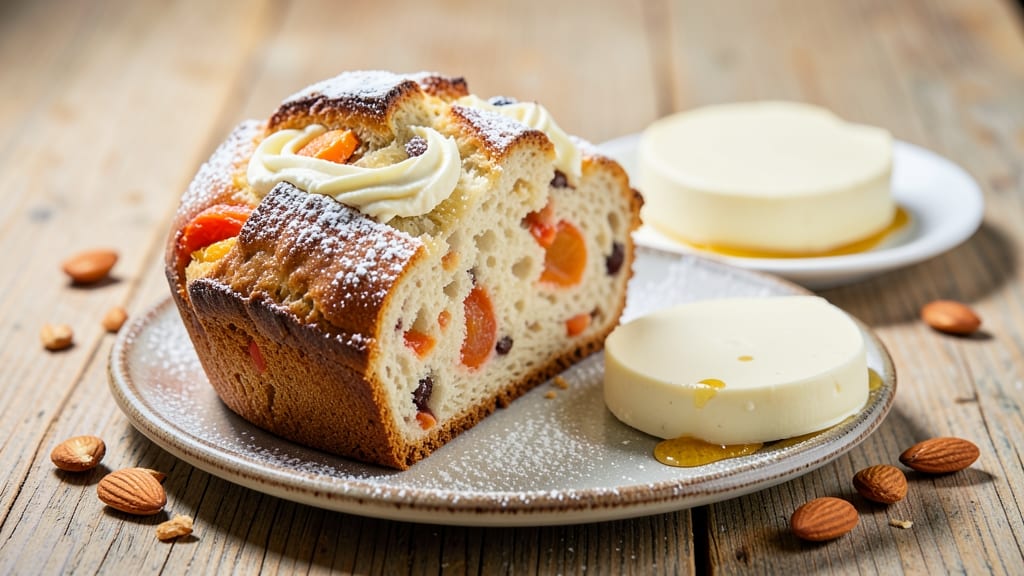
This apricot cream cheese bread recipe transforms a simple loaf into a showstopping dessert with layers of buttery crust and swirled sweetness. 🌟 The secret lies in folding tangy cream cheese into tender dough, then weaving in chunks of jammy apricots for bursts of fruitiness that balance the richness.
I perfected this recipe after years of baking—it’s the kind of loaf that disappears faster than you can slice it, leaving only crumbs and happy faces behind.
The beauty of this recipe is its approachability—no fancy equipment or advanced techniques required. You’ll work with basic pantry staples like flour, sugar, and eggs, but the result is anything but basic.
The dough comes together in under 15 minutes, and the baking time is just 45 minutes, making it ideal for a weekend project or a last-minute dessert.
The cream cheese adds a subtle tang that cuts through the apricot’s sweetness, while the buttery crust gives every bite a satisfying crunch.
What you’ll end up with is a golden loaf with a tender crumb and pockets of creamy, fruity swirls that make every slice irresistible. The aroma of warm apricots and vanilla fills the kitchen, and the texture—soft yet sturdy enough to slice—is pure comfort.
This bread is perfect for breakfast, dessert, or even a thoughtful gift. The best part? It tastes even better the next day, so you’ll have no trouble justifying a second slice.
For extra indulgence, brush the top with a simple glaze of powdered sugar and milk before baking, or drizzle with apricot compote after slicing. The possibilities are endless, but the recipe itself is foolproof—ideal for bakers of all levels. Let’s get started on creating this sweet, swirled masterpiece.
Ingredients for apricot bread recipe cream cheese
Basic pantry staples meet apricot swirls—this bread is sweeter than it looks.
| Ingredient | Amount | Notes |
|---|---|---|
| All-Purpose Flour 🌾 | 4 cups | Sifted for light texture |
| Granulated Sugar 🍚 | 1 ½ cups | White or light brown |
| Large Eggs 🥚 | 2 whole | Room temperature preferred |
| Unsalted Butter 🧈 | 1 cup | Softened, not melted |
| Cream Cheese 🧀 | 8 oz | Full-fat, room temperature |
| Plain Yogurt 🥛 | ½ cup | Greek or regular |
| Vanilla Extract 🍯 | 2 tsp | Pure extract preferred |
| Baking Powder 🧂 | 1 tsp | Diamond Crystal preferred |
| Salt 🧂 | ½ tsp | Fine sea salt |
| Dried Apricots 🍑 | 1 ½ cups | Chopped into chunks |
| Milk 🥛 | ½ cup | Warm for best results |
| Powdered Sugar 🍚 | ¼ cup | For glaze (optional) |
| Apricot Jam 🍯 | ¼ cup | For optional drizzle |
The cream cheese is non-negotiable here—full-fat, room-temperature is key for that perfect tang. Philadelphia brand works every time, but any good-quality cream cheese will do. For the apricots, dried works best—fresh would get too watery. If you're feeling fancy, grab a jar of San Marzano apricot jam for the drizzle, but store-bought is totally fine. The butter? Unsalted so you control the saltiness, and make sure it's softened—not melted—so it mixes smoothly into the dough. Flour matters too: King Arthur or Gold Medal brands are my go-to for reliable baking.
No cream cheese? Substitute Greek yogurt at the same amount, but you'll lose that signature tang. Short on dried apricots? Dried plums or chopped dates work in a pinch, though the flavor won't be identical. The vanilla extract can be imitation if you're pinching pennies, but pure extract makes a noticeable difference. For the glaze, powdered sugar plus milk is classic, but a drizzle of apricot jam adds that extra wow factor. If you're making this ahead, wrap the dough tightly and let it rise overnight in the fridge—it develops even more flavor.
This dough is best made fresh, but you can prep it 1 day ahead and let it rise overnight for deeper flavor. Once baked, it keeps well at room temperature for 2 days, wrapped in a cool, dark place. For longer storage, freeze slices wrapped individually—they toast up beautifully. The glaze, if using, should be brushed on right before serving so it doesn't get soggy. Leftovers? Toast them—they taste like dessert all over again.
Why You'll Love This Recipe
- No Mixer Needed: I swear by this dough—just a bowl and a fork. The cream cheese keeps it tender without overworking, and the apricot swirl? You’ll get that perfect pull-apart texture with zero elbow grease. Honestly, I’ve made it while chatting on the phone.
- Sweet Creamy Magic: That first bite—warm, buttery bread with a ribbon of jammy apricot and a cool, tangy cream cheese swirl? It’s like dessert and breakfast had a baby. The sugar in the dough caramelizes just enough to make every slice feel special.
- Breakfast or Snack: Slice it thick for a lazy weekend brunch with a schmear of butter, or pack it for lunch with a smear of cream cheese. My kids grab it straight from the fridge for after-school snacks—no judgment here. It’s that universally loved.
- Lasts All Week: This loaf keeps beautifully for days, and the cream cheese filling stays rich, not soggy. I’ll be real: I’ve reheated slices in the toaster for days, and they’re still just as good. Plus, the butter and cream cheese are pantry staples—no fancy ingredients wasted.
Step-by-step instructions for apricot cream cheese bread
Here's how to create that perfect swirled texture with a tender crumb and buttery crust.
👨🍳 Step 1: Mix the Cream Cheese Swirl Dough
In a large mixing bowl, beat the 8 oz cream cheese and 1 cup softened unsalted butter together until completely smooth and creamy. I like to use a hand mixer for this part—it takes about 2-3 minutes until there's no graininess left. Add the 1.5 cups granulated sugar and mix until fully combined.
Next, beat in the 2 whole eggs one at a time, mixing well after each addition. Stir in the 2 tsp vanilla extract and 0.5 cup plain yogurt until everything is thoroughly mixed. This creamy base is what gives the bread its rich, tender texture. Set this mixture aside—it's going to be our swirl filling.
👨🍳 Step 2: Prepare the Apricot Dough
In a separate large bowl, whisk together the 4 cups all-purpose flour, 1 tsp baking powder, and 0.5 tsp salt. Make a well in the center and pour in the 0.5 cup warm milk. Mix gently with a wooden spoon just until the dry ingredients are moistened.
Add the cream cheese mixture from Step 1 to the flour mixture and stir until a soft dough forms. Don't overmix—just combine until everything comes together. Turn the dough out onto a lightly floured surface and knead gently for about 1 minute until smooth. This dough is sticky, so don't worry if it's not perfectly elastic.
🥘 Step 3: Create the Swirl Pattern
Divide the dough into two equal parts. On a lightly floured surface, roll one portion into a 12-inch square about ¼-inch thick. Spread the 1.5 cups chopped dried apricots evenly over the surface, leaving a ½-inch border around the edges. Roll up the square tightly from one of the long sides to form a log.
Roll the second portion of dough into another 12-inch square and wrap it around the apricot-filled log, pressing gently to seal. This creates that beautiful swirl pattern we all love. Place the log seam-side down in a greased 9x5-inch loaf pan.
🔥 Step 4: Bake to Golden Perfection
Preheat your oven to 350°F. Bake the bread for 50-55 minutes until the top is golden brown and a toothpick inserted in the center comes out clean. The bread should spring back slightly when pressed gently in the center.
I like to tent the loaf with aluminum foil after 30 minutes to prevent over-browning if my oven runs hot. When it's done, let the bread cool in the pan for 10 minutes before transferring to a wire rack to cool completely. This resting time helps the bread set properly.
🍽️ Step 5: Add the Finishing Touches
While the bread cools, prepare the optional glaze by mixing the 0.25 cup powdered sugar with 1-2 tablespoons milk until smooth. Once the bread has cooled completely, brush the top with this glaze for a beautiful finish.
For extra decadence, warm the 0.25 cup apricot jam in a small saucepan until it's spreadable, then drizzle it over the top of the bread. The jam adds another layer of fruity flavor that complements the cream cheese perfectly. Slice and serve warm for the best experience!
Pro Tips For Making Apricot Bread Recipe Cream Cheese
- CHILL THE CREAM CHEESE: Don’t let that block of cream cheese sit out while you mix everything—take 10 minutes to soften it in the fridge or at room temperature. I used to rush this, and the dough would turn greasy instead of smooth. Trust me, your bread’s texture depends on it.
- WEIGH YOUR FLOUR: Scooping flour from the bag adds air and makes your bread denser. Use a kitchen scale for 400 grams (or the weight your recipe specifies) and spoon it in gently. Yes, it’s one extra step, but the difference in crumb is noticeable.
- STOP WHEN IT’S STICKY: The dough for this bread should be soft, but not wet—if it’s too sticky, add 1-2 tablespoons of flour. I learned this the hard way when my first batch stuck to the pan and turned out gummy. Aim for dough that holds together but doesn’t cling to your fingers.
- BAKE UNTIL GOLDEN: Don’t pull it out when the top looks almost done—wait for a deep golden brown, even if it takes a few extra minutes. I used to underbake it, thinking it’d finish cooling, but that’s when the center stays dense. A toothpick should come out clean, and the edges should pull away from the pan.
Common mistakes when making this recipe
Overmixing the Dough
This is the #1 mistake I see beginners make—they treat bread dough like cake batter and mix it until it's smooth. But with this recipe, you only need to combine the ingredients until they just come together. Overmixing develops gluten too much, which makes the bread dense instead of tender.
Once the dough forms a shaggy mass, stop mixing immediately and move to kneading for just 1 minute. The dough should be soft and slightly sticky, not firm or elastic like pizza dough. 🌾
Skipping Room Temperature Ingredients
Cream cheese and butter are non-negotiable when it comes to temperature. If they're straight from the fridge, they won't blend smoothly into the dough, creating lumps that ruin the texture. Let them sit at room temperature for 30-45 minutes before starting.
I like to place them in a 200°F oven for 10 minutes to speed this up—just don't let them melt! The same goes for eggs: room temperature eggs incorporate more easily than cold ones. 🧈
Uneven Apricot Distribution
The swirl effect depends on even apricot placement. If you pile them all in one spot or leave gaps, your bread will have random pockets of fruit instead of consistent flavor. Spread the 1.5 cups chopped apricots in a single layer, leaving that ½-inch border around the edges.
Press them gently into the dough so they adhere—this prevents them from sliding around when you roll. I like to use my fingers to distribute them evenly, then give the dough a quick press to seal the fruit inside. 🍑
Incorrect Baking Time
Every oven runs differently, so don't rely solely on the 50-55 minute timeframe. Your bread is done when it's golden brown and a toothpick comes out clean (or with just a few moist crumbs). I've seen loaves ready at 45 minutes in some ovens and others needing 60 minutes.
The key is watching for that internal temperature of 190-200°F. If you're unsure, err on the side of underbaking—you can always put it back in for 5-10 minutes if needed. 🔥
Not Resting the Bread
This is where I see the most frustration—people slice into their bread immediately after baking, only to find it falls apart. The bread needs that 10-minute rest in the pan followed by complete cooling on a wire rack.
This allows the structure to set properly so it holds its shape when sliced. If you're in a hurry, let it cool for at least 30 minutes before cutting—trust me, the wait is worth it for clean slices. ⏳
Using Substitutes Without Adjustments
While substitutions are helpful, they often require adjustments. For example, swapping cream cheese for Greek yogurt changes the texture and flavor profile.
If you must substitute, make these tweaks: reduce the yogurt by 2 tablespoons to account for its lower fat content, and add 1 teaspoon lemon juice to compensate for the missing tang.
For dried apricots, if you use fresh ones, pat them thoroughly dry first and reduce the amount by ⅓ cup to prevent excess moisture. Small adjustments make a big difference! 🧀
Nutrition facts
Frequently asked questions
Can I make this bread without dried apricots?
For a similar texture, use 1.5 cups chopped dried plums or dates, though the flavor will differ slightly. Fresh apricots work too, but reduce to 1 cup (pat them very dry first) and add 1 tsp lemon juice to prevent excess moisture. The key is maintaining the 1.5 cup total fruit volume for proper swirl distribution.
How do I store leftovers to keep them fresh?
Wrap the cooled loaf tightly in plastic wrap or aluminum foil and store at room temperature for up to 2 days. For longer storage, slice the bread and freeze individual portions on a tray before transferring to a sealed bag. Toast frozen slices directly from the freezer for 2-3 minutes until crispy. The glaze or jam should always be added fresh after slicing to prevent sogginess.
Why did my bread turn out dense instead of tender?
Overmixing the dough is the most common cause—stop mixing as soon as the ingredients combine into a shaggy mass. Another culprit could be cold cream cheese or butter, which creates lumps that disrupt the texture. Always use room-temperature ingredients and mix just until combined. For extra tenderness, make sure your baking powder is fresh (test with the baking powder test by mixing with hot water—it should bubble vigorously).
Can I make this bread in a different pan shape?
Yes! For a 9x9-inch square pan, reduce baking time to 40-45 minutes and watch closely for doneness. For a round cake pan (9-inch), bake for 50-55 minutes and adjust the glaze accordingly. The dough quantity stays the same, but the shape will affect how you slice it. If using a different pan, grease it well and consider lining with parchment paper for easy removal.
What's the best way to reheat sliced bread?
For crispy edges, wrap slices in foil and warm in a 350°F oven for 5-7 minutes. For a quick fix, use the toaster oven on low heat for 2-3 minutes until golden. Microwaving works in a pinch, but it can make the bread gummy—cover the slice with a damp paper towel and heat for 10-15 seconds at 50% power to restore some crispness.