
Desserts
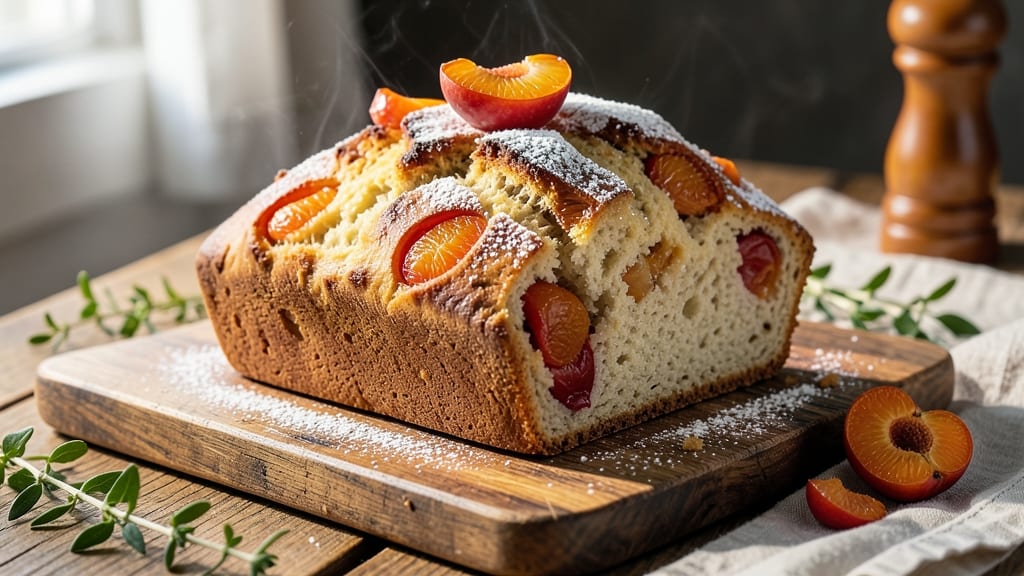
This apricot tea bread recipe delivers the perfect balance of tender crumb, buttery swirls, and warm spice notes that make every slice irresistible. 🌟 The secret lies in combining dried apricots with a touch of black tea for subtle depth, while a rich dough yields a moist, golden-brown loaf with pockets of caramelized fruit.
I developed this recipe after years of perfecting tea-infused baked goods—now you can recreate that bakery-fresh quality at home.
The process is straightforward: mix a simple dough with flour, sugar, yeast, and butter, then fold in the apricots and tea-infused liquid for maximum flavor infusion. Kneading and proofing create that signature tender texture, while baking at 350°F for 30–40 minutes ensures a perfectly golden crust.
The result? A loaf with buttery swirls and a subtle tea aroma that pairs beautifully with morning coffee or afternoon tea.
What sets this recipe apart is the harmony of flavors—sweet apricots, warm spices, and the earthy notes of tea create a complex yet comforting taste. The bread stays moist for days, making it ideal for meal prep or gifting.
Whether you enjoy it plain, with a dusting of powdered sugar, or glazed with apricot icing, each slice delivers that bakery-quality experience.
Ready to bake? This recipe is perfect for beginners and experienced bakers alike, with clear instructions and foolproof techniques. Let’s get started on creating a loaf that’ll have everyone asking for seconds.
Ingredients for apricot tea bread
Gather these ingredients for a bakery-style apricot tea bread with rich swirls and aromatic spice notes.
| Ingredient | Amount | Notes |
|---|---|---|
| All-Purpose Flour 🌾 | 4 cups | Sifted for light texture |
| Granulated Sugar 🍚 | 1 ½ cups | White or light brown |
| Unsalted Butter 🧈 | 1 cup | Cold, cubed for swirls |
| Large Eggs 🥚 | 2 whole | Room temperature |
| Active Dry Yeast 🍞 | 2 ¼ tsp | Freshly measured |
| Warm Milk 🥛 | 1 cup | 110°F, whole preferred |
| Dried Apricots 🍑 | 1 ½ cups | Chopped, unsulfured |
| Black Tea Bags ☕ | 2 whole | Earl Grey or English breakfast |
| Tea-Infused Liquid 💧 | ½ cup | Steeped tea, cooled |
| Ground Cinnamon 🌿 | 1 tsp | Freshly toasted |
| Ground Cardamom 🌿 | ½ tsp | Lightly toasted |
| Salt 🧂 | 1 tsp | Fine sea salt |
| Powdered Sugar 🍚 | ¼ cup | For dusting |
| Apricot Jam 🍯 | ¼ cup | Optional glaze |
The flour and butter are your foundation—King Arthur flour or Gold Medal gives the best rise, while European-style butter adds unmatched richness. For the apricots, Trader Joe's or Whole Foods carry unsulfured varieties that stay moist longer. The tea bags? Earl Grey or English breakfast work best—their bergamot or malty notes blend beautifully with the apricots. Toast your spices lightly in a dry pan for 30 seconds to deepen their flavor, then cool before adding to the dough. The yeast should be fresh; if it's over six months old, toast it briefly to revive it.
No unsulfured apricots? Sulfured ones work fine—just soak them in warm water for 10 minutes to soften. Swap Earl Grey for chamomile tea if you prefer floral notes, but reduce the amount to 1 bag for a lighter infusion. Short on butter? Coconut oil works in a pinch, though the texture will be slightly denser. The tea-infused liquid can be made ahead—steep the tea in 1 cup hot water, cool completely, then strain. For extra moisture, add 1 tbsp of apricot nectar to the dough. The powdered sugar glaze is optional but adds a professional finish.
Store the baked loaf in an airtight container at room temperature for up to 3 days—it reheats beautifully in a 350°F oven for 5 minutes. For longer storage, wrap tightly in plastic and freeze for up to 3 months. The dough can be shaped and refrigerated overnight for easier morning baking. Slice with a serrated knife for clean cuts, and dust with powdered sugar just before serving. Leftovers make excellent toast or French toast—perfect for using up every crumb.
Why You'll Love This Recipe
- No Yeast Struggles: I swear by this dough—just mix, let it rise once, and bake. No kneading, no waiting hours, just one rise that actually works. That butter and sugar combo makes the dough so forgiving, even if you’re not a baker.
- Apricot Magic: The moment those jammy apricot swirls hit your tongue—warm, buttery, with just a hint of tea warmth—you’ll get why I keep a jar of apricot jam in the pantry. It’s like dessert in every bite, but with bread’s cozy texture.
- Breakfast or Snack Hero: Slice it thick for a buttery toast the next morning, or pack it in lunchboxes for kids who’ll actually eat it. Honestly, I’ve had it cold with jam at 3 PM and no one batted an eye. It’s that good.
- Budget Baking Win: Flour, sugar, butter, eggs—these are pantry staples that won’t break the bank. A single batch feeds my whole family, and the leftovers? They last days without drying out. My wallet and my taste buds thank me.
Step-by-step instructions for apricot tea bread
Here's how to create a fragrant, moist loaf with perfect swirls and tea-infused depth.
👨🍳 Step 1: Prepare the Tea-Infused Liquid and Yeast
Steep the 2 whole black tea bags in 1 cup hot water for 5 minutes, then remove and let cool to 110°F. This warm temperature activates the yeast without killing it. In a small bowl, dissolve the 2.25 tsp active dry yeast in the 0.5 cup tea-infused liquid (from the cooled tea) along with 1 tablespoon granulated sugar. Let it sit for 5-10 minutes until frothy—this confirms your yeast is active.
While waiting, toast the 1 tsp ground cinnamon and 0.5 tsp ground cardamom in a dry skillet over medium heat for 1 minute, stirring constantly. This enhances their aromatic flavors. Let them cool completely before using. The warm spices will infuse the dough with their signature warmth.
🍳 Step 2: Mix the Dough Components
In a large mixing bowl, whisk together the 4 cups all-purpose flour, 1.5 cups granulated sugar, 1 tsp salt, and the cooled toasted spices. Make a well in the center and add the yeast mixture, 2 whole large eggs, and 1 cup warm milk. Using a wooden spoon or dough whisk, stir until just combined—you'll still see dry flour patches, which is perfect for a tender crumb.
Add the 1 cup cold unsalted butter, cut into cubes, and use your fingers to work it into the dough until it resembles coarse crumbs. This cold butter will create those beautiful swirls later. Fold in the 1.5 cups chopped dried apricots, distributing them evenly throughout the dough. The fruit will add natural sweetness and moisture as it bakes.
🥘 Step 3: Knead and Shape the Dough
Turn the dough onto a lightly floured surface and knead for 5-7 minutes until smooth and elastic. You'll know it's ready when it springs back slowly when pressed. Divide the dough into 3 equal portions and shape each into a 12-inch circle, about ½-inch thick. Roll each circle into a 16x8-inch rectangle—this creates the perfect surface area for those signature swirls.
Spread ⅓ of the dough with ⅓ of the remaining butter (reserve 2 tablespoons for later), then sprinkle with ⅓ of the powdered sugar. Roll tightly from the long side into a log, then coil it into a 2-inch diameter spiral. Repeat with the remaining dough, creating 3 identical swirls. Place each on a parchment-lined baking sheet, seam-side down.
🔥 Step 4: Proof and Bake to Golden Perfection
Cover the loaves loosely with plastic wrap and let them rise in a warm place for 1-1.5 hours, or until they've nearly doubled in size. The dough should feel light and springy when pressed gently. Preheat your oven to 350°F while they proof. Brush the tops with 1 tablespoon milk and sprinkle with the reserved 2 tablespoons powdered sugar for a delicate finish.
Bake for 35-40 minutes until the tops are golden brown and a toothpick inserted comes out clean. For extra shine, brush the warm loaves with 0.25 cup apricot jam while still in the oven during the last 5 minutes. This creates a beautiful glaze that complements the tea and spice flavors. Let cool on a wire rack for 15 minutes before slicing—this ensures clean cuts and prevents crumbs.
Pro Tips For Making Apricot Tea Bread
- Bloom the Yeast First: Skip mixing yeast with dry flour—it’ll wake up sluggish. Instead, dissolve it in warm (not hot) water with a pinch of sugar, then let it bubble for 5-10 minutes until frothy. This guarantees your apricot bread rises properly, not just somewhat.
- Soften Butter Properly: Cold butter makes tough bread; melted butter makes it greasy. Rub softened butter between your fingers until it’s just pliable but not greasy—about 65°F (18°C). This keeps the crumb tender without turning it into a cake.
- Don’t Overmix the Dough: Once the flour’s incorporated, stop mixing after 2-3 minutes. Overworking the dough develops gluten, which turns your tea bread into a chewy loaf instead of the light, tender crumb it should have. Feel for a shaggy texture, not a smooth ball.
- Proof Until It Doubles: The dough’s ready when it’s not ready—give it another 15-20 minutes after it looks puffed. Underproofed bread collapses; overproofed bread flattens. Tap the bowl: if it springs back slowly, it’s perfect. (Yes, even if you’re impatient like me.)
Troubleshooting great apricot tea bread
Dense Dough Issues
If your dough feels too stiff or dry after mixing, it’s likely due to over-kneading or insufficient fat. Try adding 1 tablespoon of warm milk at a time until the dough becomes pliable.
For extra moisture, replace 2 tablespoons of flour with 2 tablespoons of apricot nectar—this keeps the crumb tender while adding subtle fruit depth. Always knead just until the dough springs back slowly when pressed (about 5-7 minutes).
Underproofed Loaves
Pale, dense bread with a tight crumb? Your dough likely didn’t rise enough. Place the shaped loaves in a proofing basket or a bowl lined with a damp towel to create a humid environment.
If your kitchen is cold, place the bowl near a warm oven (turned off) for 30-45 minutes before final proofing. The dough should nearly double in size and feel light when pressed gently. For visual confirmation, use a toothpick—it should leave an indent that slowly fills back in.
Butter Swirls Not Forming
Cold butter cubes that won’t spread or melt into swirls? Warm the butter slightly by placing it between two sheets of parchment paper and microwaving for 5-10 seconds (just until pliable). Alternatively, let it sit at room temperature for 10 minutes before spreading.
If the dough tears when rolling, chill it for 15 minutes before shaping—this prevents overhandling. For extra flakiness, use European-style butter like Plugrá or Kerrygold, which has a higher fat content.
Dried-Out Fruit
If your apricots stay tough or dry after baking, they weren’t softened enough before mixing. Soak chopped apricots in ½ cup warm water for 10 minutes before adding to the dough. For extra moisture, toss them with 1 teaspoon apricot jam before folding into the dough.
If using sulfured apricots, soak them in warm water for 15 minutes to remove excess sulfur. Always chop apricots into ¼-inch pieces or smaller for even baking.
Pale or Uneven Color
A loaf that bakes unevenly or stays pale often needs a broiler finish. After 30 minutes in the oven, transfer to the top rack and broil for 2-3 minutes until golden. For deeper color, brush the tops with 1 tablespoon milk or egg wash before baking.
If your oven runs hot, reduce the temperature to 325°F and bake for 45-50 minutes. A thermometer is your best friend—pull the loaf when it reaches 190-200°F internal temperature.
Flat or Collapsed Loaves
Collapsed loaves usually mean the yeast didn’t activate properly or the oven wasn’t hot enough. First, check your yeast: it should foam within 5-10 minutes in warm liquid. If not, your yeast may be old—replace it.
For proofing, place the shaped loaves in a 325°F oven for 10 minutes to help them rise faster. Avoid opening the oven door during proofing, as temperature drops cause dough to fall. If using a Dutch oven, preheat it in the oven for 30 minutes to ensure even heat distribution.
Nutrition facts
Frequently asked questions
Can I substitute fresh apricots for dried in this recipe?
Fresh apricots won't work well because they release too much liquid, making the dough soggy. For best results, stick with dried apricots—if you want fresh flavor, try adding 2 tablespoons of apricot jam to the dough along with your dried fruit. This maintains the right moisture balance while boosting sweetness.
How do I make this recipe without a stand mixer?
No stand mixer? No problem! Use a wooden spoon or your hands to mix the dough until just combined, then knead by hand on a floured surface for 5-7 minutes. The key is to work the dough until it becomes smooth and elastic. For the butter swirls, simply use a pastry brush to spread softened butter between dough layers instead of rolling.
What kind of tea works best for the infusion?
Black teas like Earl Grey or English Breakfast give the best flavor balance, but you can experiment! Herbal teas like chamomile or hibiscus work too—just reduce to 1 tea bag for a lighter infusion. Avoid overly floral teas like jasmine, as their strong aromas can overpower the apricot and spice flavors.
Can I make this bread in a single loaf instead of three?
Combine all the dough into one large piece, shape it into a 9x5-inch loaf pan, and create one big swirl by layering butter and powdered sugar in the center before rolling. Bake at 350°F for 40-45 minutes until golden. For extra height, use a pullman pan and bake for 50-55 minutes.
Why does my bread taste bland after baking?
Bland flavor usually means the tea infusion wasn't strong enough or spices weren't toasted. Next time, steep the tea for 7-10 minutes (instead of 5) and toast spices for 2 minutes in a dry pan. Also check your butter—using European-style butter (like Plugrá) adds richer flavor than regular butter.