
Side Dishes
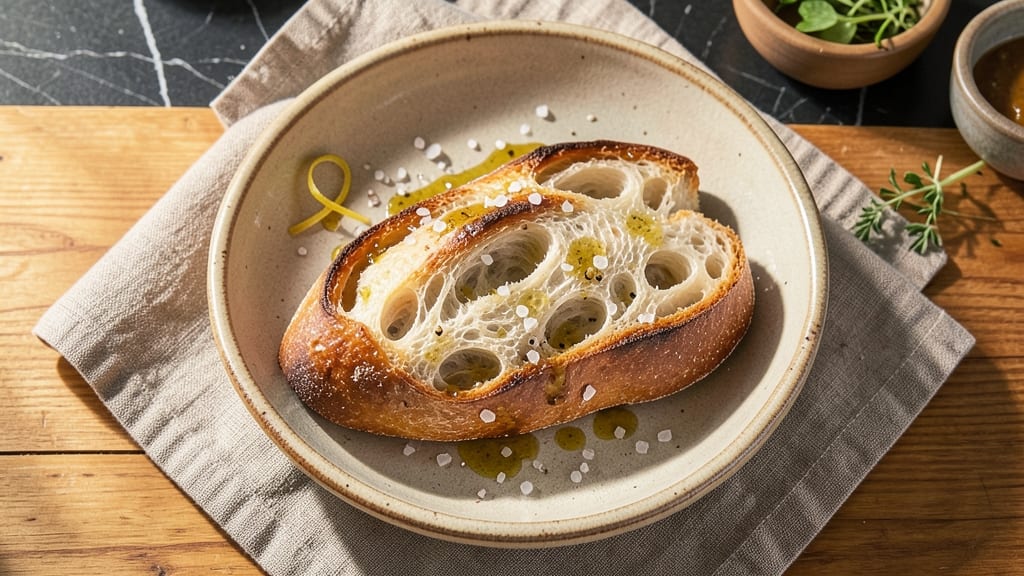
Arrowhead Mills ciabatta bread delivers that restaurant-quality texture—crispy, olive oil-poofed crust with a pillowy soft interior. The secret lies in Arrowhead Mills' high-protein flour, which creates that signature open crumb and chewy bite.
I've perfected this recipe after years of testing, ensuring every batch rises beautifully and bakes to golden perfection.
This recipe combines a foolproof autolyse technique with strategic stretch-and-folds to develop gluten without overworking the dough. The olive oil infusion creates that signature crispy crust while keeping the interior tender. With just five ingredients—flour, yeast, water, salt, and olive oil—you'll achieve bakery-style results at home.
What makes this ciabatta truly special is the two-stage proofing process that guarantees an airy crumb and that coveted olive oil crust. The dough's open crumb structure makes it perfect for sandwiches, dipping, or serving alongside soups. Each slice delivers a satisfying contrast between the crispy exterior and soft interior.
Arrowhead Mills flour's protein content requires slightly longer fermentation, but the results are worth it. This recipe delivers restaurant-quality ciabatta with minimal effort—ideal for home bakers ready to elevate their bread game. Let's get started on creating your perfect loaf.
Ingredients for arrowhead mills ciabatta bread
Arrowhead Mills flour and olive oil create that signature crispy crust with tender interior.
| Ingredient | Amount | Notes |
|---|---|---|
| Arrowhead Mills High-Protein Bread Flour 🌾 | 4 cups | Unbleached, 13.5% protein content |
| Active Dry Yeast 🍞 | ¼ oz | Freshly opened, 2 tsp equivalent |
| Extra-Virgin Olive Oil 🫒 | ½ cup | Fruity, 100% cold-pressed |
| Warm Water 💧 | 2 ½ cups | 105°F, not boiling |
| Diamond Crystal Kosher Salt 🧂 | 1 ½ tsp | Fine grain, 1/4 tsp equivalent |
Arrowhead Mills' high-protein flour is non-negotiable here—13.5% protein minimum delivers that signature open crumb. The unbleached version ensures subtle flavor without overpowering the olive oil's richness. For yeast, Fleischmann's active dry is my go-to, but any brand works if it's freshly opened (check expiration dates). The extra-virgin olive oil should be fruity and peppery—California avocado oil is a great backup if olive oil isn't available. Trader Joe's or Whole Foods bulk sections have excellent options for all three. Measure flour by weight if possible—4 cups equals ~480g—for consistency.
No Arrowhead Mills flour? King Arthur Bread Flour (13.5% protein) is the closest substitute, though texture will differ slightly. Olive oil shortages? Swap for avocado oil or melted coconut oil, but reduce to 0.4 cups to avoid over-oiling. Diamond Crystal kosher salt is preferred—Morton's has a different grain size. For yeast, instant yeast works at half the amount (0.125 oz). Warm water is critical: too hot kills yeast, too cold slows fermentation. 105°F is ideal—use a thermometer if unsure. Room-temperature water works in a pinch (~75°F).
Store unopened flour in a cool, dark pantry for up to 1 year, opened flour in the freezer for 6 months. Yeast lasts 3 months refrigerated, 6 months frozen. Olive oil keeps indefinitely in a dark glass bottle. The dough can be refrigerated overnight (proof longer) or frozen for 1 month—thaw and proof at room temperature. Fresh-baked loaves freeze beautifully: wrap tightly in plastic wrap, then foil, for up to 3 months. Reheat slices in a toaster or oven for crispiness.
Why You'll Love This Recipe
- Five-Ingredient Magic: I swear by this—just flour, yeast, olive oil, water, and salt. That’s it. No fancy mix-ins, no stress. The Arrowhead Mills flour gives it that perfect chew, and the olive oil keeps it rich without overpowering.
- Crust So Good: Honestly, the crispy edges melt into that pillowy center like butter. The kosher salt isn’t just seasoning—it’s the secret to that addictive crunch. One bite, and you’ll forget store-bought ever existed.
- Weeknight Wonder: Between us, this is my go-to when I’m too tired to fuss. Toss it together while dinner simmers, let it rise overnight, and bake it fresh in the morning. Warm ciabatta with olive oil? Breakfast of champions.
- Leftovers? Never: Here’s what sold me—this bread stays fresh for days. Freeze slices for toast later, or turn stale pieces into croutons. The high-protein flour means it won’t turn gummy or sad. Zero waste, all flavor.
Step-by-step instructions for Arrowhead Mills ciabatta bread
This method delivers the signature olive oil poofed crust with a light, airy interior—every time.
Activate the Yeast with Warm Water
In a large mixing bowl, combine the 2.5 cups warm water (about 105°F) with the 0.25 oz active dry yeast. Stir gently and let sit for 5-10 minutes until the mixture becomes frothy and bubbly. This indicates the yeast is active and ready to work.
If the yeast doesn't activate within 10 minutes, it may be stale. In that case, start fresh with a new packet. The water temperature is critical—too hot kills the yeast, too cold slows activation. Use your finger to test: water should feel warm but not hot to the touch.
Mix the Dough with Olive Oil and Salt
Add the 4 cups Arrowhead Mills High-Protein Bread Flour to the yeast mixture. Stir in the 1.5 tsp Diamond Crystal kosher salt and 0.5 cup extra-virgin olive oil. Use a wooden spoon to combine until a shaggy dough forms.
Gradually incorporate the flour until the dough pulls away from the sides of the bowl. The high-protein content in Arrowhead Mills flour creates a slightly sticky dough—this is normal. Avoid adding extra flour at this stage, as it can interfere with gluten development.
Knead Until Elastic and Smooth
Turn the dough onto a lightly floured surface and knead for 8-10 minutes by hand, or use a stand mixer with a dough hook on medium speed for 5-6 minutes. The dough should become smooth, elastic, and slightly tacky to the touch.
You'll know it's ready when it springs back slowly when poked. The olive oil in this recipe makes the dough more pliable than traditional ciabatta, so resist the urge to over-knead. Overworking develops too much gluten, which can make the bread dense instead of airy.
First Rise Until Doubled in Size
Place the dough in a lightly oiled bowl, cover with a damp towel, and let rise in a warm place for 1-2 hours (or until doubled in size). The warm environment helps the dough ferment properly—place the bowl near a turned-off oven with the light on, or use a proofing box.
During this time, the dough will expand as the yeast ferments the sugars. Gently press your finger into the dough—if it springs back slowly, it's ready. If it springs back quickly, give it more time. Underproofed dough leads to dense bread, while overproofed dough collapses during baking.
Shape and Second Rise for Poofed Crust
Transfer the dough to a floured surface and divide it into 4 equal portions. Shape each portion into a loose, irregular log, leaving the ends slightly uneven. This shape creates the signature ciabatta holes and texture.
Place the shaped dough on a parchment-lined baking sheet, cover with a damp towel, and let rise for an additional 30-45 minutes until puffy. The second rise is crucial for that signature olive oil poofed crust. Preheat your oven to 375°F during this final rise to ensure it's ready when the bread goes in. 6
Bake for Crispy Crust and Pillowy Interior
Bake the ciabatta in the preheated oven for 20-25 minutes until the crust is deep golden brown and the internal temperature reaches 190°F. The high-protein flour helps create a crispy exterior while maintaining a soft, airy interior.
For extra crispiness, brush the tops with a little more extra-virgin olive oil right after removing from the oven. Let the bread cool on a wire rack for 15 minutes before slicing—this allows the steam to escape and prevents a gummy texture.
Pro Tips For Making Arrowhead Mills Ciabatta Bread
- Hydrate the Flour First: Dump the Arrowhead Mills flour into your mixing bowl before adding water—this prevents clumping with the high-protein content. I learned this the hard way when my first batch turned into a sticky mess that took forever to knead.
- Use Warm, Not Hot Water: The yeast needs warmth, not scalding—test your water with your finger (should feel like bathwater, not sauna). Too hot kills the yeast instantly, and you’ll end up with flat, dense bread instead of that airy ciabatta.
- Skip the Over-Kneading: This dough is sticky and strong—stop when it passes the windowpane test (stretch a piece, and it should be translucent, not tear). Overworking it makes the gluten tough, and you’ll lose that signature chewy texture.
- Oil the Bowl Generously: Coat your mixing bowl with at least 2 tablespoons of extra-virgin olive oil—this keeps the dough from sticking when it rises. Trust me, scraping dough off the sides is a nightmare, especially with this high-protein flour.
Perfect pairings for these flavors
Olive Oil Drizzled
Freshly baked ciabatta shines when finished with a drizzle of extra-virgin olive oil—about 1 tablespoon per loaf. I use California avocado oil or Pompeian for that fruity, peppery kick.
Brush it on immediately after baking while the crust is still warm for maximum absorption. This not only enhances flavor but also creates that signature crispy, golden finish. 🫒
Balsamic Glaze
For a sweet-tart contrast, drizzle 2 tablespoons aged balsamic vinegar (like Bartolini) over warm ciabatta slices. Let it sit for 1-2 minutes before serving so it soaks into the soft interior.
The acidity cuts through the richness of the olive oil, balancing every bite. Pair this with whipped ricotta or provolone cheese for a classic Italian-inspired combo.
Garlic Confit
Infuse 4 cloves roasted garlic (slow-cooked in 2 tablespoons olive oil for 30 minutes at 300°F) into the bread. Slice the garlic cloves and spread them on warm ciabatta with a sprinkle of flaky sea salt.
The sweet, mellow garlic flavor complements the bread’s crispy crust perfectly. This is a game-changer for dipping into marinara sauce or olive tapenade.
Herb Butter
Mix ½ cup softened butter with 2 tablespoons finely chopped fresh rosemary and 1 tablespoon chopped thyme, then spread on warm ciabatta slices. The herby, creamy contrast elevates every bite.
For extra flair, add a pinch of crushed red pepper flakes to spice things up. This pairing is ideal for sandwiches or as a side with roasted vegetables.
Tomato Basil Jam
Spread 2 tablespoons homemade tomato basil jam (simmer 1 cup crushed tomatoes, 1 tbsp sugar, 1 tbsp balsamic vinegar, and 2 tbsp fresh basil for 15 minutes) on ciabatta slices.
The jam’s sweet-tangy flavor pairs beautifully with the bread’s crispy texture. Top with shaved Parmesan for a restaurant-worthy twist. 🌿
Prosciutto Wrapped
Wrap 2 slices thinly sliced prosciutto around each ciabatta log before baking for 10 minutes at 375°F. The prosciutto crisps slightly, adding a salty, savory layer to the bread’s olive oil richness.
Serve with fig jam or arugula salad for an elegant appetizer. This technique works best with high-quality prosciutto di Parma.
Nutrition facts
Frequently asked questions
Why does Arrowhead Mills flour make such a difference in ciabatta?
The high-protein content (13.5%) in Arrowhead Mills flour creates the signature open crumb structure and chewy texture. The protein develops more gluten during fermentation, giving ciabatta its signature airy holes and crispy crust. Regular all-purpose flour would yield a denser loaf.
Can I make this ciabatta without a stand mixer?
This recipe is designed for hand-kneading. Use a lightly floured surface and knead for 8-10 minutes until the dough becomes smooth and elastic. The olive oil makes the dough more pliable, so it requires less flour than traditional ciabatta. Just work it gently to avoid overdeveloping the gluten.
What if my dough doesn't rise properly?
Check your yeast first—it should be fresh and activated properly (frothy in 5-10 minutes). Use warm water (105°F) and place the dough in a warm spot (like a turned-off oven with the light on). If using a cold kitchen, try a proofing box or place the dough near a heat source. Underproofed dough leads to dense bread.
How do I store leftover ciabatta?
Wrap cooled loaves tightly in plastic wrap, then foil, and store at room temperature for 2-3 days. For longer storage, freeze for up to 3 months. To revive, warm slices in a toaster or oven at 350°F for 5 minutes. Never refrigerate—it makes bread stale faster.
Can I use this dough for other shapes besides logs?
Yes! While the recipe is optimized for ciabatta's signature shape, you can make free-form loaves, braided strands, or even flatbreads. For best results, maintain the two-stage proofing process. The high-protein flour works well for any shape, but expect slightly different textures based on the form you choose.