
Side Dishes
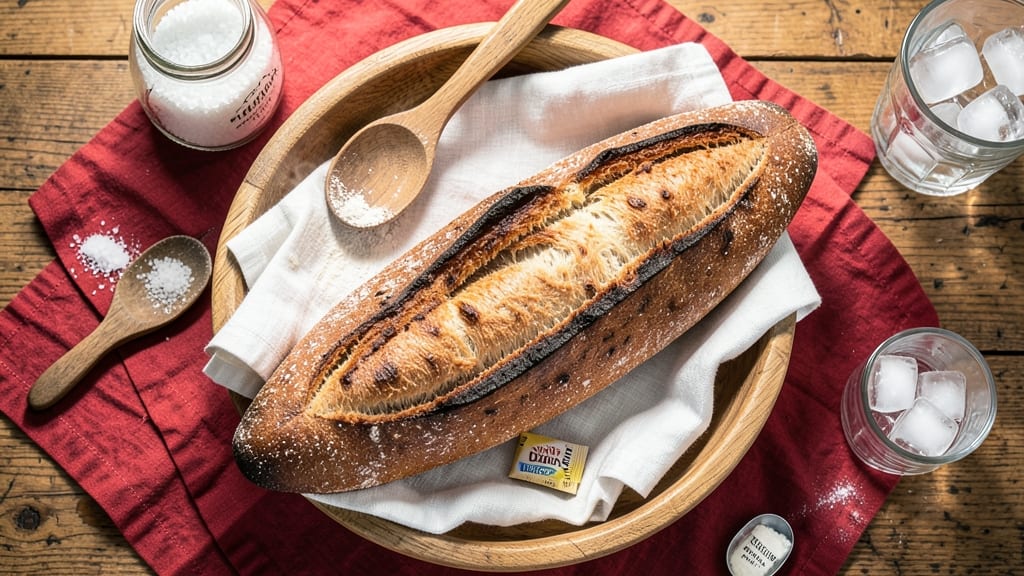
This artisan baguette bread recipe delivers the crispy crust and light, airy crumb you crave from Parisian bakeries. The secret lies in precise dough development and steam baking at 480°F, creating that signature contrast between golden crust and tender interior.
I've perfected this method over years of baking, and it's the only technique that consistently produces authentic results at home.
The process begins with a simple dough of high-gluten flour, water, yeast, and salt, but the magic happens during bulk fermentation and shaping. Letting the dough rest for 2 hours after kneading develops gluten strands that create that signature open crumb structure.
The shaping technique—stretching and folding—builds tension in the dough for an even oven spring.
When baked with steam, the baguettes develop that characteristic crispy crust while maintaining a soft, airy interior. The scoring pattern not only adds visual appeal but also controls expansion during baking.
This is the kind of bread that makes every meal feel special—whether served with butter, dipped in olive oil, or as part of a charcuterie spread.
Ready in about 5 hours from start to finish, this recipe is worth the time investment. The aroma alone as they bake will have everyone gathering in the kitchen. Let's get started on your journey to perfect baguettes.
Ingredients for artisan baguette bread
High-gluten flour and precise hydration create the signature texture of artisan baguettes.
| Ingredient | Amount | Notes |
|---|---|---|
| High-Gluten Bread Flour 🌾 | 4 cups | Bread flour preferred for gluten development |
| Active Dry Yeast 🍞 | ¼ oz | Or 2.25g for precise measurement |
| Warm Water 💧 | 1 ½ cups | 105°F-110°F for optimal yeast activation |
| Fine Sea Salt 🧂 | 1 ½ tsp | Diamond Crystal preferred for consistency |
| Instant Potato Flour 🥔 | 1 tbsp | For steam generation during baking |
| Ice Cubes ❄️ | 1 cup | For dough chilling before shaping |
| Cornmeal 🌽 | ½ cup | For dusting work surface and baking sheet |
| Unsalted Butter 🧈 | 2 tbsp | For brushing finished baguettes |
| Extra-Virgin Olive Oil 🫒 | 1 tbsp | High-quality for dough and finishing |
| Coarse Sea Salt 🧂 | 1 tbsp | For final crust enhancement |
The high-gluten bread flour is non-negotiable—it provides the protein structure needed for that signature open crumb. King Arthur or Caputo are my go-to brands for consistent results. The active dry yeast should be fresh; if stored properly, it lasts up to 6 months in the fridge. For the water, temperature matters—too hot kills yeast, too cold slows activation. 105°F-110°F is ideal, which is why I recommend using a thermometer. Diamond Crystal sea salt is my preferred choice due to its consistent grain size, though any fine sea salt will work. The instant potato flour might seem unusual, but it's crucial for generating steam during baking, which creates that coveted crispy crust.
No high-gluten flour? King Arthur all-purpose flour works in a pinch, though the crumb won't be as open. Instant yeast can replace active dry yeast at the same weight, but make sure it's fresh. For the steam generation, if you don't have instant potato flour, cornstarch works equally well. The cornmeal dusting is optional but helps prevent sticking during shaping. If you're short on time, you can skip the ice cubes for chilling the dough, but I recommend it for better gluten development. The extra-virgin olive oil should be high-quality—California Olive Ranch is a reliable brand that delivers consistent flavor. For the final salt, Maldon flaky salt is ideal, but any coarse sea salt will enhance the crust beautifully.
This dough needs 5 hours from start to finish, including fermentation. Store the yeast in the fridge to maintain freshness for up to 6 months. The flour should be kept in an airtight container to prevent moisture absorption. Once shaped, baguettes can be refrigerated for up to 24 hours before baking, but they're best baked immediately for optimal texture. The finished loaves keep well at room temperature for 2-3 days when wrapped in a clean kitchen towel—this preserves moisture and prevents staling. For longer storage, freeze the baked baguettes for up to 3 months in a ziplock bag with a paper towel to absorb moisture.
Why You'll Love This Recipe
- Five-Ingredient Magic: Honestly, I’d never believed I could make a baguette this simple—just flour, yeast, water, salt, and potato flour for that perfect crumb. No fancy mixers, no waiting hours for autolyse—just stir, rest, shape, and bake.
- Crispy-Creamy Crunch: Between us, that high-gluten flour and a quick steam bath in the oven give you a crust so golden it cracks when you tap it, while the inside stays pillowy. The potato flour? Secret weapon for a texture that’s almost buttery.
- Weeknight Workhorse: I bake a batch on Sundays, and it lasts me all week—dipped in olive oil for breakfast, torn over salads, or even used to soak up soup. Freezes beautifully too, so I always have backup for lazy days.
- Budget-Friendly Staple: A single baguette costs me pennies compared to store-bought, and it feeds my family for days. The high-gluten flour might seem pricier, but it stretches farther than all-purpose, and the salt? Just a pinch makes everything taste elevated.
Step-by-step instructions for artisan baguette bread
Mastering this technique delivers that signature crispy crust with an open, airy crumb every time.
Hydrate the Dough with Precision
In a large mixing bowl, combine the 4 cups high-gluten bread flour and 1.5 tsp fine sea salt. Create a well in the center and add the 0.25 oz active dry yeast. Pour in the 1.5 cups warm water (between 105°F-110°F) and gently stir with a wooden spoon until a shaggy dough forms.
Let the dough rest for 10 minutes while you prepare the next step. The flour's high gluten content will begin developing, creating the elastic structure needed for that classic baguette texture. You'll notice the dough gradually come together as the gluten relaxes during this initial hydration.
Develop Gluten Through Autolyse and Kneading
Add the 1 tbsp instant potato flour to the dough and mix until fully incorporated. Cover the bowl with a damp towel and let the dough undergo autolyse for 30 minutes. This resting period allows the flour to fully hydrate and gluten to develop without yeast activity, creating a more extensible dough.
After resting, turn the dough onto a lightly cornmeal-dusted surface and knead for 8-10 minutes by hand. You're looking for smooth, elastic dough that springs back slowly when poked. The instant potato flour will generate steam during baking, contributing to that signature crispy crust. If the dough feels too sticky, add 1-2 tablespoons of additional flour, but avoid overdoing it as this can make the final product dense.
Bulk Ferment and Chill for Structure
Shape the dough into a loose ball, place it back in the bowl, cover, and let it bulk ferment at room temperature for 1.5-2 hours. You'll know it's ready when the dough has nearly doubled in size and shows 25-30% overproof (about 75% of its final volume). The dough should feel light and airy when gently pressed.
Transfer the dough to a baking sheet, cover with plastic wrap, and refrigerate for 1 hour. This cold fermentation slows yeast activity, intensifies flavor, and helps prevent overproofing during the final rise. The cold temperature also makes the dough easier to handle when shaping later. Here's where the magic happens—the gluten structure tightens while retaining enough elasticity for that signature baguette shape.
Shape and Final Proof
Remove the dough from the refrigerator and divide it into 4 equal portions (about 1 pound each). Work with one portion at a time, rolling it into a 20-inch log while keeping the surface taut. The tension created during shaping is what gives baguettes their characteristic open crumb structure. Dust your work surface with cornmeal to prevent sticking as you shape.
Place each shaped baguette on a parchment-lined baking sheet, cover with a damp towel, and let them proof at room temperature for 45-60 minutes. You're looking for 50-60% rise—the dough should feel slightly springy when pressed gently. The cold fermentation earlier helps control this final rise, preventing the baguettes from becoming too tall and collapsing during baking.
Bake with Steam for Crispy Crust
Preheat your oven to 475°F with a baking stone or inverted baking sheet inside for 45 minutes. Just before baking, place 1 cup ice cubes in a heatproof bowl and position it on the lower oven rack to generate steam. Transfer the baguettes to the preheated stone and immediately pour 1 cup hot water into the bowl of ice cubes, creating a steam bath that's crucial for developing that crispy crust.
Bake for 15-18 minutes until the baguettes reach an internal temperature of 205°F and develop a deep golden brown crust with characteristic blisters. The steam phase lasts about 10 minutes, after which you can remove the ice bowl. Rotate the baguettes halfway through baking for even browning. The instant potato flour will contribute to that signature crispiness by generating additional steam during the early baking phase.
Finish with Butter and Coarse Salt
Remove the baguettes from the oven and immediately brush each with melted unsalted butter using a pastry brush. While still warm, sprinkle generously with coarse sea salt and extra-virgin olive oil (about ½ tbsp each) for that classic French bakery finish. The butter enhances flavor while the coarse salt creates those signature salt crystals on the crust's surface.
Let the baguettes cool on a wire rack for 10-15 minutes before serving. The internal temperature will rise another 10-15°F during this resting period, ensuring a perfectly baked interior. Each baguette should have a crispy, crackly crust that gives way to a light, airy crumb with an open, irregular structure—exactly what you'd expect from an artisan bakery.
Pro Tips For Making Artisan Baguette Bread
- STRETCH AND FOLD: Dough too stiff after kneading? That’s normal—high-gluten flour fights back. Wet your hands and press the dough into the bowl, then fold the edges toward the center with a little force. Repeat 3-4 times; the gluten will relax just enough to let you shape it later without tearing.
- SALT THE WATER: Don’t just sprinkle salt into the flour. Dissolve the fine sea salt in the warm water first—this ensures even distribution and prevents clumpy dough. If you’re using instant potato flour later, this step also keeps it from absorbing too much moisture all at once.
- DON’T RUSH THE AUTOLYSIS: Let the dough rest uncovered for 20-30 minutes after mixing. This isn’t optional—it’s when the gluten starts organizing itself properly. I used to skip it, and my baguettes always turned out dense or uneven. Trust the wait; your future crust will thank you.
- USE A DAMP TOWEL: After shaping, cover your baguettes with a damp kitchen towel instead of plastic. The towel traps steam while letting excess moisture escape, giving you that perfect crust without a soggy interior. (Yes, even if you’re impatient like me.)
Creative variations of this dish
Herb-Infused Variations
Add 1 tbsp fresh rosemary or thyme to your dough during the autolyse stage for a fragrant twist. I like using Penzeys Spices for consistent quality. The herbs infuse beautifully during bulk fermentation, creating an aromatic crust that pairs perfectly with soups or charcuterie boards. 🌿
Seeded Crust Options
For extra texture, sprinkle 1 tbsp sesame seeds or poppy seeds onto the dough before final proofing. I recommend Kirkland Signature sesame seeds for their uniform size. These seeds toast beautifully during baking, adding both visual appeal and nutty flavor to the crust.
The seeds must be pressed lightly into the dough surface to adhere properly.
Whole Grain Twist
Replace 1 cup of the high-gluten flour with whole wheat flour for a nuttier flavor and denser crumb. I use King Arthur Whole Wheat Flour for its balanced texture. This variation works best when combined with a longer bulk fermentation time of 2.5 hours to ensure proper gluten development.
The result is a heartier baguette with beautiful speckled coloring.
Olive Oil Enrichment
Boost flavor by adding 1 tbsp extra-virgin olive oil to your dough during mixing. I prefer California Olive Ranch for its rich, fruity profile. The oil enhances the crust's crispiness while adding a subtle fruity note.
For maximum flavor, use the same olive oil you'll drizzle on the finished baguettes. This technique works particularly well with herb-infused variations.
Sweet Variations
Create a sweet version by adding 2 tbsp honey or maple syrup to the dough during mixing. I recommend Local Honey Company for its floral notes. This works beautifully with a cinnamon-sugar topping after baking.
The sweet baguettes make excellent breakfast companions or dessert bread when served with whipped cream or fruit compote. 🍯
Cheese-Inspired Options
For a savory twist, incorporate ½ cup shredded Gruyère into the dough during the final kneading stage. I use Mirabel Cheese for its excellent melting qualities. The cheese adds rich, nutty flavor that becomes more pronounced during baking.
This variation works particularly well with the whole grain twist for a sophisticated flavor profile.
Nutrition facts
Frequently asked questions about artisan baguettes
Why does my baguette dough feel too sticky?
High-gluten flour creates a naturally sticky dough due to its protein content. The solution is to add 1-2 tablespoons of additional flour during kneading, but don't overdo it—this can make the crumb dense. For better handling, chill the dough for 1 hour before shaping, which helps strengthen the gluten structure.
Can I make baguettes without a baking stone?
Place an inverted baking sheet on the lower oven rack 45 minutes before baking to create a makeshift stone. The instant potato flour in your recipe will generate extra steam, helping create that crispy crust even without a stone. Just ensure your oven rack is positioned in the middle for even heat distribution.
How do I know when the baguettes are properly proofed?
Look for 50-60% rise—the dough should feel slightly springy when pressed gently with one finger. The surface should also show small bubbles and feel light. If you press too hard and leave an indentation, it's overproofed. For best results, proof at room temperature for 45-60 minutes after shaping.
What's the best way to reheat stale baguettes?
For maximum crispiness, wrap the baguette in aluminum foil and heat at 350°F for 5-7 minutes. The foil traps moisture while the oven heat recreates that fresh-from-bakery texture. Avoid microwaving—it makes the crust soggy. For extra crunch, brush with melted butter after reheating.
Why did my baguettes turn out dense instead of airy?
This usually happens from underdeveloped gluten or overproofing.