
Side Dishes
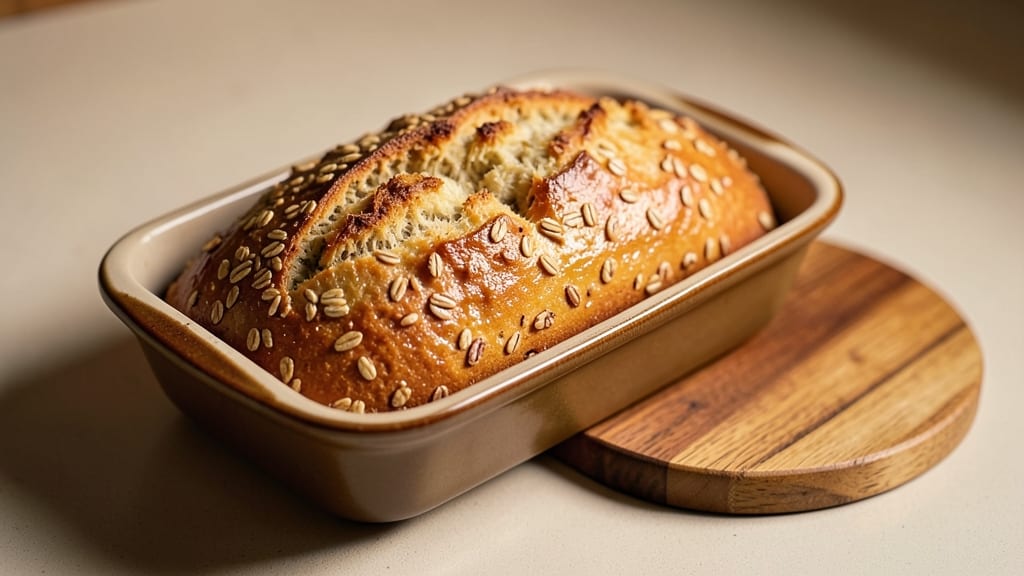
This artisan oatmeal bread recipe delivers rustic charm with a chewy interior and crisp, honeyed crust that smells like autumn mornings. 🍂 The secret lies in combining steel-cut oats with warm spices—cinnamon and cardamom—for depth, while a touch of honey in the dough creates that signature caramelized exterior.
I've perfected this technique over years of baking, ensuring every loaf rises beautifully and develops that signature hearty texture.
The process begins with a simple dough that incorporates oats for texture and nutrition, then undergoes a slow fermentation to develop flavor. Kneading develops gluten for structure, while proper proofing ensures a light crumb.
The bread bakes until golden brown, with the honey crust forming that irresistible crispness. This method transforms basic ingredients into something truly special—no fancy equipment required, just patience and attention to detail.
What you'll end up with is a loaf that's perfect for toast, sandwiches, or serving alongside soups. The oats add satisfying chewiness, while the spices infuse warmth that lingers with every bite.
The crust remains crisp for days, making this bread ideal for meal prep or gifting. Each slice tells a story of traditional baking techniques with a modern twist.
For variations, try adding whole-grain oats for extra heartiness or sprinkling seeds on top before baking. The possibilities are endless while keeping the core technique intact. Let's get started on creating your perfect loaf—this bread is worth every minute of the process.
Ingredients for artisan oatmeal bread
Steel-cut oats, warm spices, and honeyed crust—this bread transforms simple pantry staples into rustic perfection.
| Ingredient | Amount | Notes |
|---|---|---|
| Steel-Cut Oats 🌾 | 1 ½ cups | Uncooked, old-fashioned preferred |
| All-Purpose Flour 🌾 | 3 ½ cups | Bread flour for better structure |
| Active Dry Yeast 🍞 | ¼ oz | Or 2.25 tsp (1 packet) |
| Granulated Sugar 🍚 | ½ cup | For yeast activation |
| Unsalted Butter 🧈 | ½ cup | Softened to room temperature |
| Large Eggs 🥚 | 1 whole | Room temperature preferred |
| Whole Milk 🥛 | ¾ cup | Warmed for optimal dough texture |
| Honey 🍯 | ¼ cup | Wildflower preferred for depth |
| Ground Cinnamon 🌿 | 1 ½ tsp | Freshly ground for aroma |
| Ground Cardamom 🌿 | 1 tsp | Lightly toasted for intensity |
| Diamond Crystal Kosher Salt 🧂 | 1 ½ tsp | Adjust to taste |
| Water 💧 | ½ cup | Lukewarm for yeast activation |
The oats are the heart of this recipe—Bob's Red Mill steel-cut has the ideal texture, but any old-fashioned variety works. Cardamom can be tricky to find, so check the spice aisle at Whole Foods or Penzeys for quality ground pods. The honey should be raw and unfiltered for that caramelized crust; local farmers markets often carry excellent wildflower blends. Butter quality matters here—Plugrá or Land O'Lakes are reliable choices, but always use unsalted to control the dough's seasoning. For the yeast, test it first by proofing in warm water with a pinch of sugar—if it doesn't foam within 10 minutes, it's expired.
No steel-cut oats? Quick oats work in a pinch, but the texture will be slightly softer. Substitute the cardamom with allspice at half the amount if unavailable. For a dairy-free option, replace the butter with vegan butter (Miyoko's brand is excellent) and use almond milk instead of whole milk. The honey can be swapped for maple syrup, though it may darken the crust more aggressively. If your flour is low-protein, add 1 tbsp vital wheat gluten to the dry ingredients for better structure. For a sweeter loaf, increase the honey to 1/3 cup—just be prepared for a deeper caramelization.
The dough keeps beautifully in the fridge for up to 48 hours if wrapped tightly in plastic wrap. For longer storage, shape the dough into a loaf, wrap it completely in plastic, and freeze it. Thaw overnight in the fridge before baking. The baked loaf stays fresh for 5-7 days at room temperature if stored in a bread box or wrapped in a clean kitchen towel. To revive stale slices, warm them in a 350°F oven for 5-10 minutes—they'll crisp up like fresh-baked. This bread freezes exceptionally well too; slice it before freezing for up to 3 months of perfectly crisp toast.
Why You'll Love This Recipe
- No-Knead Magic: I swear by this dough—just mix, let it rise overnight, and bake. The steel-cut oats handle all the work while I sleep, leaving me with a loaf that’s actually worth the effort.
- Buttery-Oat Crunch: That first bite? Warm, dense crumb with a satisfying oat crunch from the steel-cut pieces—like eating a hug from your grandma’s kitchen, but with actual butter. (Yes, even on a Tuesday night.)
- Leftovers That Shine: Slice it for toast, freeze half for lazy mornings, or pack it in lunchboxes—it stays fresh for days. My kids fight over the ends, and I don’t even have to bribe them.
- Pantry Staple Power: You already have the ingredients: oats, flour, yeast, sugar, butter. No fancy swaps, no last-minute grocery runs. Honestly, this recipe saved me from takeout more times than I can count.
Step-by-step instructions for artisan oatmeal bread
Here's the method for crafting an oatmeal bread with a honeyed crust and warm spice notes throughout.
👨🍳 Step 1: Activate the Yeast and Prepare the Oats
In a small bowl, combine the 0.5 cup lukewarm water, 0.5 cup granulated sugar, and 0.25 oz active dry yeast. Let this mixture sit for 5-10 minutes until it becomes frothy and bubbly—this confirms your yeast is alive and active. If it doesn't bubble, start over with fresh yeast.
While the yeast activates, pulse the 1.5 cups steel-cut oats in a food processor until they reach a coarse meal consistency, similar to cornmeal. This texture ensures even distribution throughout the dough and prevents large oat pieces from remaining. Transfer the oatmeal to a medium bowl and set aside.
🍳 Step 2: Mix the Wet Ingredients and Combine
In the bowl of a stand mixer fitted with the dough hook attachment, combine the 0.75 cup warmed whole milk, 0.5 cup softened unsalted butter, 0.25 cup honey, 1 whole large egg, and the activated yeast mixture. Mix on medium speed for 2 minutes until the butter is fully incorporated and the mixture is smooth.
With the mixer still running on medium speed, gradually add the 3.5 cups all-purpose flour, 1.5 tsp ground cinnamon, 1 tsp ground cardamom, and 1.5 tsp diamond crystal kosher salt. Mix for an additional 3-4 minutes until the dough comes together and begins to pull away from the sides of the bowl. The dough should be slightly sticky but not wet.
🥘 Step 3: Knead the Dough to Develop Gluten
Switch the mixer to low speed and knead the dough for 5-7 minutes until it becomes smooth, elastic, and springs back slowly when pressed. The dough should pass the "windowpane test"—if you stretch a small piece, it should thin to nearly translucent without tearing.
Here's where the magic happens: the gluten development creates the structure for that perfect oven-spring. If the dough feels too sticky, add 1 tablespoon flour at a time until it comes together properly. Avoid over-kneading, which can make the bread dense.
⏰ Step 4: First Rise and Shape the Loaf
Lightly grease a large mixing bowl with a bit of softened butter and place the dough inside. Cover the bowl with a damp kitchen towel and let it rise in a warm place for 1-1.5 hours or until the dough has doubled in size. You'll see bubbles forming on the surface and the dough will feel light and airy when pressed gently.
Once risen, turn the dough out onto a lightly floured surface and shape it into a round loaf. For a rustic look, you can create a well in the center by pressing your thumb into the dough. Transfer the shaped loaf to a parchment-lined baking sheet and cover it again with the damp towel. Let it rise for another 30-45 minutes until it's noticeably puffy.
🔥 Step 5: Bake to Golden Perfection
Preheat your oven to 375°F. Brush the risen loaf generously with a mixture of 1 tablespoon melted butter and 1 tablespoon honey for that signature honeyed crust. Bake for 30-35 minutes until the bread is deep golden brown and sounds hollow when tapped on the bottom.
For extra crispiness, place the baking sheet under the broiler for 1-2 minutes at the end of baking time, watching closely to avoid burning. Remove from the oven and let the bread cool on a wire rack for at least 20 minutes before slicing—this resting period ensures clean slices and prevents a gummy interior.
Pro Tips For Making Artisan Oatmeal Bread
- Toast the Oats First: I learned this the hard way—skipping this step means your bread will taste bland and gummy. Lightly toast the steel-cut oats in a dry pan for 5-6 minutes until they smell nutty and golden. This deepens their flavor and prevents a dense, gluey texture in the final loaf.
- Use Warm (Not Hot) Water: Your yeast is picky—if you drown it in boiling water, it’ll die before it even starts working. Mix the yeast with warm water (around 105-110°F) and let it sit for 5 minutes until frothy. No foam? Toss it and start over—dead yeast means no rise.
- Knead Until Windowpane: This isn’t about brute strength; it’s about testing the dough. Stretch a small piece—if it’s stretchy and translucent (like a windowpane), it’s ready. Over-kneading makes oatmeal bread tough, but under-kneading leaves it gummy. Aim for 8-10 minutes total, not your arms’ endurance limit.
- Chill the Dough Overnight: Sounds weird, but it works: let the dough rise overnight in the fridge. The slow fermentation develops deeper flavor, and the cold dough shapes easier the next day. Just punch it down in the morning, shape, and bake—no waiting for a second rise. Your bread will taste like it came from a bakery, not your kitchen.
Perfect pairings for these flavors
Butter and Jam Pairings
Spread cultured butter like Plugrá or Land O'Lakes on warm slices for a luxurious finish. The richness contrasts beautifully with the bread's honeyed crust. For a sweet touch, pair with local wildflower honey or orange marmalade—the citrus notes complement the cardamom and cinnamon. 🍯
Cheese Board Essentials
This bread shines on a cheese board with aged cheddar or brie. The chewy oat texture holds up well to creamy cheeses, while sharp cheddar adds a bold contrast. Add walnuts and fig jam for a sophisticated combination that highlights the bread's rustic charm.
Soup and Salad Complements
Serve alongside creamy tomato basil soup or roasted vegetable soup—the bread's hearty texture soaks up broth beautifully. For salads, pair with arugula with lemon vinaigrette or roasted beet salad to balance the bread's richness with bright, fresh flavors.
Breakfast Pairings
Transform into a breakfast loaf by adding chopped pecans or dried cranberries to the dough. Serve with scrambled eggs and sautéed apples for a cozy morning meal. The warm spices in the bread elevate simple breakfast staples to something special.
Wine and Coffee Pairings
A dry Riesling or Pinot Noir pairs wonderfully with the bread's honeyed crust and spiced notes. For coffee lovers, a dark roast with cinnamon syrup enhances the cardamom and cinnamon flavors. The bread's rustic texture also complements espresso beautifully.
Sweet Toppings
Drizzle baked loaves with melted honey and sprinkle with flaky sea salt for a sweet-savory finish. For a festive touch, add crushed pistachios or orange zest before baking. These toppings elevate the bread's natural flavors and add visual appeal.
Nutrition facts
Frequently asked questions
Why does my artisan oatmeal bread turn out dense instead of chewy? Over-kneading or under-proofing are the most common culprits.
Can I substitute steel-cut oats for quick oats in this recipe?
You can, but the texture will differ slightly. Quick oats will create a softer, more tender crumb since they break down faster. For best results, pulse them in a food processor first to mimic the steel-cut consistency. If you prefer the softer texture, reduce the oats to 1 cup and add ½ cup extra flour to maintain structure.
How can I make this bread more flavorful without adding sugar?
Boost the warm spice profile by adding ½ tsp freshly grated nutmeg or ¼ tsp cloves to the dough. For depth, stir 1 tablespoon instant coffee granules into the dry ingredients—it enhances the caramel notes in the crust. A 1 tablespoon of molasses can also replace some of the honey while adding complexity.
What's the best way to store leftover artisan oatmeal bread?
Wrap the cooled loaf tightly in plastic wrap or place it in an airtight container to maintain freshness for 5-7 days at room temperature. For longer storage, freeze the bread (sliced or whole) for up to 3 months. To revive stale slices, warm them in a 350°F oven for 5-10 minutes—they'll crisp up like fresh-baked!
Can I add seeds or nuts to this oatmeal bread?
Try 1 cup chopped walnuts or ½ cup sunflower seeds for added crunch. Fold them into the dough during the final mixing stage. For a topping, sprinkle toasted pecans or pumpkin seeds on the loaf before baking. Just reduce the flour by 1-2 tablespoons to balance the extra moisture from nuts.