
Side Dishes
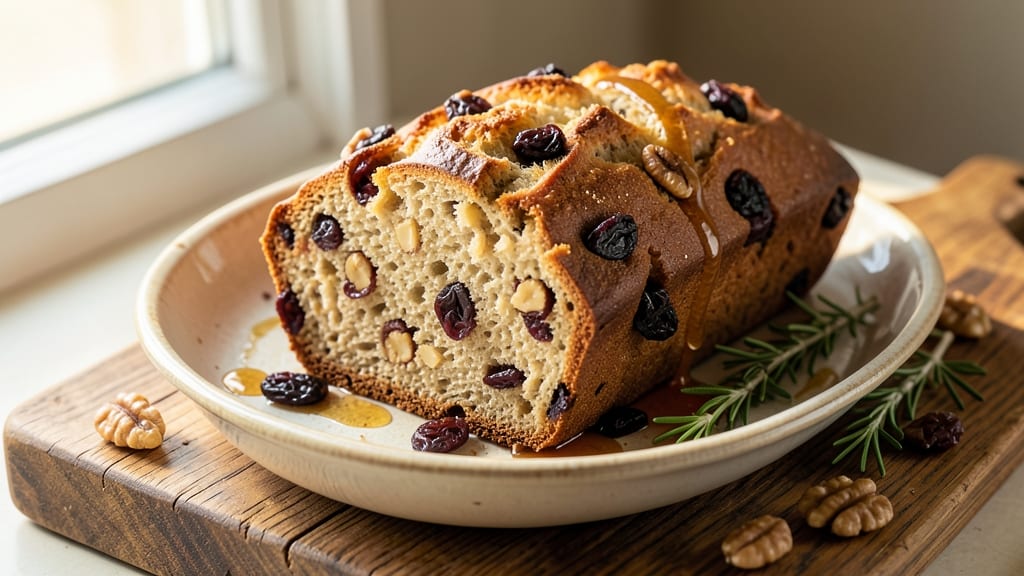
This artisan raisin walnut bread recipe delivers a perfect balance of nutty crunch, sweet raisins, and a crusty exterior that makes every slice worth savoring. 🌟 The secret lies in slow fermentation and a swirled dough technique that creates pockets of flavor in every bite—ideal for breakfast toast or sandwiches.
Professional bakers know that proper kneading and proofing transform simple ingredients into restaurant-quality bread. This recipe simplifies the process with clear steps for achieving that signature rustic texture and even distribution of raisins and walnuts throughout the loaf.
By the time it emerges from the oven, you'll have a golden-brown loaf with a crispy crust that gives way to tender, flavorful crumb studded with plump raisins and toasted walnuts. The aroma alone will have everyone gathering around your table.
Perfect for feeding a crowd or meal prepping for the week, this bread stays fresh for days when stored properly. Let's get started on creating your own bakery-style loaf at home.
Ingredients for artisan raisin walnut bread
Twelve essential ingredients transform into bakery-style bread with signature nutty-sweet swirls and golden crust.
| Ingredient | Amount | Notes |
|---|---|---|
| All-Purpose Flour 🌾 | 5 cups | High-protein preferred for structure |
| Active Dry Yeast 🍞 | 2 ¼ tsp | Fresh yeast at 1.5x quantity |
| Granulated Sugar 🍚 | ¼ cup | For yeast activation |
| Unsalted Butter 🧈 | ½ cup | Cold, cubed for dough |
| Whole Milk 🥛 | 1 cup | Warm for optimal hydration |
| Large Eggs 🥚 | 1 whole | Room temperature |
| Diamond Crystal Kosher Salt 🧂 | 1 ½ tsp | Adjust to taste |
| Plump Seedless Raisins 🍇 | 1 cup | Soaked in warm water |
| Chopped Walnuts 🥜 | 1 ½ cups | Toasted for enhanced flavor |
| Extra-Virgin Olive Oil 🫒 | ¼ cup | For dough and brushing |
| Cornmeal 🌽 | ¼ cup | For dusting bread pan |
| Coarse Sea Salt 🧂 | 1 tbsp | For final crust sprinkle |
The flour is your foundation—King Arthur or Caputo Tipo 00 create that signature rustic texture, but high-protein all-purpose works beautifully too. Yeast quality matters: Red Star Active Dry is my go-to, but check the expiration date—old yeast won't activate properly. For the raisins, soak them 15 minutes in warm water to plump them up; drain well before mixing. Walnuts should be toasted until fragrant (8-10 minutes at 350°F), then chopped roughly for even distribution. The butter must be cold—cut it into small cubes right before mixing to prevent melting during kneading. For the milk, warm it to 110°F to activate the yeast properly without cooking it.
No raisins? Dried cranberries or chopped dates work beautifully—just adjust the sweetness with an extra tablespoon of sugar. Running low on walnuts? Pecans or almonds maintain that nutty crunch, though walnuts' earthy flavor is unmatched. Short on butter? Vegetable shortening works in a pinch, though it lacks flavor. The olive oil can be swapped for avocado oil, but stick with extra-virgin for that fruity depth. For a gluten-free version, substitute a 1:1 gluten-free flour blend and reduce the yeast by 20%. The dough will be stickier, so handle it gently. If you can't find Diamond Crystal salt, Morton kosher salt works identically—just note it's slightly coarser and may require slight adjustment.
Freshly baked bread develops its best flavor over 24 hours, so resist slicing immediately. Store wrapped in a clean kitchen towel at room temperature for 2-3 days—this maintains that perfect crust. For longer storage, slice and freeze portions on a tray before transferring to a bag for up to 3 months. To revive, toast directly from frozen. The dough can be refrigerated overnight for deeper flavor development—just let it sit at room temperature for 1 hour before shaping. For a crispier crust, brush the loaf with melted butter and sprinkle with coarse sea salt before baking. The aroma alone will have everyone anticipating the first slice.
Why You'll Love This Recipe
- No-Knead Magic: I swear by this dough—just mix, let it rise overnight, and wake up to bread that’s actually tender. The yeast does all the work while you sleep, and honestly? That’s my kind of baking.
- Sweet-Savory Balance: Between the caramelized raisins and crunchy walnuts, every bite has this perfect contrast—like a hug for your taste buds. The butter and milk make it rich without being heavy, and that crust? Worth the wait.
- Breakfast to Brunch: This bread is my go-to for toast with jam, French toast, or even a charcuterie board. It’s sturdy enough to hold up to anything but still soft enough to eat fresh out of the oven—no sad, dry slices here.
- Budget-Friendly Staple: Flour, yeast, and butter are pantry basics, and a single loaf lasts me days. Freeze half for when you’re too tired to bake, and the leftovers? Perfect for sandwiches or croutons. Minimal cost, maximum payoff.
Step-by-step instructions for artisan raisin walnut bread
Master this technique and you'll achieve a bread with perfect rise, nutty-sweet swirls, and a golden, crisp crust.
👨🍳 Step 1: Activate the Yeast and Prepare the Dough Base
In a small bowl, combine the 1 cup warm whole milk (about 110°F) with the 0.25 cup granulated sugar and 2.25 tsp active dry yeast. Let it sit for 5-10 minutes until foamy. This activation ensures your yeast is alive and ready to work. If it doesn't foam, your yeast is likely dead—start fresh with new yeast.
In a large bowl, whisk together the 5 cups all-purpose flour and 1.5 tsp diamond crystal kosher salt. Make a well in the center and pour in the yeast mixture, 1 whole large egg, and 0.25 cup extra-virgin olive oil. Mix with a wooden spoon until a shaggy dough forms. The dough should be sticky but manageable—if it's too dry, add 1 tablespoon warm milk at a time.
🍳 Step 2: Knead the Dough to Develop Gluten
Turn the dough onto a lightly floured surface and knead for 8-10 minutes until smooth and elastic. You're looking for a dough that springs back when poked and feels firm yet pliable. I press down gently with my knuckles—if it leaves a slight indent that slowly fills in, you've reached the right consistency. Avoid over-kneading, which can make the bread tough.
Place the dough in a lightly greased bowl, cover with a damp towel, and let rise in a warm place for 1-1.5 hours or until doubled in size. The dough should feel light and airy, and when pressed gently, it should spring back slowly. If your kitchen isn't warm, place the bowl near a turned-off oven with the light on to create warmth.
🥘 Step 3: Prepare the Raisin and Walnut Filling
While the dough rises, prepare the filling. In a small bowl, combine the 1 cup plump seedless raisins with 2 tablespoons warm water and let soak for 10 minutes. This rehydration prevents them from drying out the dough. In a separate pan, toast the 1.5 cups chopped walnuts over medium heat for 3-4 minutes until fragrant and golden. Let them cool completely before using.
Drain the raisins and mix them with the toasted walnuts in a bowl. This combination will create those signature nutty-sweet pockets throughout your bread. If the raisins seem too dry after soaking, add 1 teaspoon olive oil to help bind them together.
🔥 Step 4: Shape and Swirl the Dough
Punch down the risen dough and turn it onto a lightly floured surface. Roll it into a 12x16-inch rectangle about ½-inch thick. Spread the raisin-walnut mixture evenly over the dough, leaving a ½-inch border around the edges. Starting from the long side, tightly roll the dough into a log, sealing the seam.
Transfer the log to a parchment-lined baking sheet and cover loosely with plastic wrap. Let it rise for another 30-45 minutes until puffy. This second rise ensures the bread has enough volume for those beautiful swirls. If your kitchen is cold, place the dough in a warm oven (turned off) with the light on to help it rise evenly.
🔪 Step 5: Bake to Golden Perfection
Preheat your oven to 375°F. Cut the log diagonally into 8 equal pieces (about 2-inch thick slices). Place them on a baking sheet lined with parchment paper, spacing them about 1 inch apart to allow for expansion. Brush the tops with a little olive oil and sprinkle generously with 1 tbsp coarse sea salt.
Bake for 25-30 minutes until the bread is deep golden brown and sounds hollow when tapped on the bottom. The internal temperature should reach 190-200°F. For extra crustiness, transfer the bread to a wire rack and let cool for 10 minutes before slicing. The crust should be crisp, the interior tender, and each slice should reveal those beautiful swirls of raisins and walnuts.
Pro Tips For Making Artisan Raisin Walnut Bread
- Bloom Yeast in Warm Milk: Skip the dry yeast mess—dissolve it directly in the warm whole milk (110°F) for 5 minutes first. This guarantees even activation and saves you from wondering if your yeast is still alive halfway through kneading.
- Chill the Dough Overnight: After the first rise, refrigerate the dough for 8–12 hours instead of shaping it right away. The cold slows fermentation, deepens the raisin-walnut flavor, and makes the final shape easier—no more sticky, stubborn dough.
- Toast Walnuts First: Dry-toast the walnuts in a 350°F oven for 8–10 minutes until fragrant. This cuts bitterness and makes them crisp in the bread, so they don’t turn mushy during baking. (Yes, even if you’re impatient like me.)
- Score Before Baking: Use a razor blade (or sharp knife) to slash the dough in a crosshatch pattern right before baking. This isn’t just for looks—it directs the rise and prevents the loaf from cracking unpredictably in the oven.
Flavor customization for these flavors
Sweet Variations
For a caramelized twist, swap ½ cup raisins with ½ cup dried figs and add 2 tbsp brown sugar to the dough. The figs caramelize beautifully during baking, creating pockets of deep, jammy sweetness.
I like to toast the figs lightly with 1 tsp cinnamon before mixing them in for extra warmth. 🌟
Spiced Nutty Twist
Infuse the walnuts with ½ tsp ground cinnamon and ¼ tsp cayenne pepper before toasting for a subtle kick. The cinnamon enhances the raisins' sweetness while the cayenne adds depth without overpowering.
For a stronger spice profile, toast the walnuts with ¼ tsp cardamom—it pairs surprisingly well with the nutty, fruity flavors. 🌶️
Chocolate Chip Fusion
Replace ½ cup raisins with ½ cup chocolate chips (I prefer Ghirardelli 60% dark) for a decadent twist. The chocolate melts slightly during baking, creating rich pockets that contrast beautifully with the toasted walnuts. For extra indulgence, add ¼ cup white chocolate chunks alongside the chocolate chips. 🍫
Herb-Enhanced Version
Brighten the dough with 1 tbsp fresh rosemary finely chopped and mixed into the flour before kneading. The rosemary adds an earthy aroma that complements the walnuts and raisins perfectly.
For a citrusy note, zest 1 lemon and add it to the dough along with 1 tbsp lemon juice—this cuts through the richness beautifully. ✨
Everything Bagel Style
Add 2 tbsp everything bagel seasoning (look for Schwartz's brand) to the dough before the final rise. The sesame seeds, poppy seeds, and garlic powder create a savory contrast to the sweet raisins and walnuts.
Sprinkle an extra 1 tbsp sesame seeds on top before baking for a satisfying crunch. 🌾
Gluten-Free Adaptation
For a gluten-free version, replace the all-purpose flour with 5 cups Bob's Red Mill 1:1 Gluten-Free Flour Blend. Reduce the yeast to 1.5 tsp since gluten-free doughs rise differently.
Add 1 tbsp xanthan gum to the dry ingredients to improve texture. The dough will be stickier, so handle it gently and use a dough scraper to prevent tearing. 💪
Nutrition facts
Frequently asked questions
Why does my artisan raisin walnut bread turn out dense instead of light?
Dense bread usually means the yeast didn't activate properly or the dough didn't rise enough. First, check your yeast—it should foam within 5-10 minutes when mixed with warm milk. If not, your yeast is dead. Also, ensure your kitchen is warm enough (at least 75°F) for proper rising. Cold environments slow fermentation.
Can I make this bread without a stand mixer?
This recipe works perfectly with just your hands. Knead the dough by pressing, folding, and turning it on a floured surface for 8-10 minutes. The goal is to develop gluten for structure—look for a smooth, elastic dough that springs back when poked. Just be prepared for more arm work than with a mixer!
How do I store leftover raisin walnut bread to keep it fresh?
Store wrapped in a clean kitchen towel at room temperature for 2-3 days—this preserves that perfect crust. For longer storage, slice and freeze portions on a tray before transferring to a bag for up to 3 months. To revive, toast directly from frozen. Never store in plastic bags—it traps moisture and makes the bread soggy.
What's the best way to reheat sliced bread?
For maximum crispiness, toast slices in a 375°F oven for 3-5 minutes until golden. Microwaving works in a pinch (10-15 seconds), but it can make the crust rubbery. For sandwiches, lightly toast both slices and add butter or jam while still warm to lock in freshness.
Can I substitute walnuts with another nut?
Yes! Pecans or almonds work beautifully, though walnuts' earthy flavor is unmatched. For a different texture, try toasted hazelnuts or cashews. Just toast them first (8-10 minutes at 350°F) to enhance their flavor. If using larger nuts like pecans, chop them slightly smaller than walnuts for even distribution.