
Side Dishes
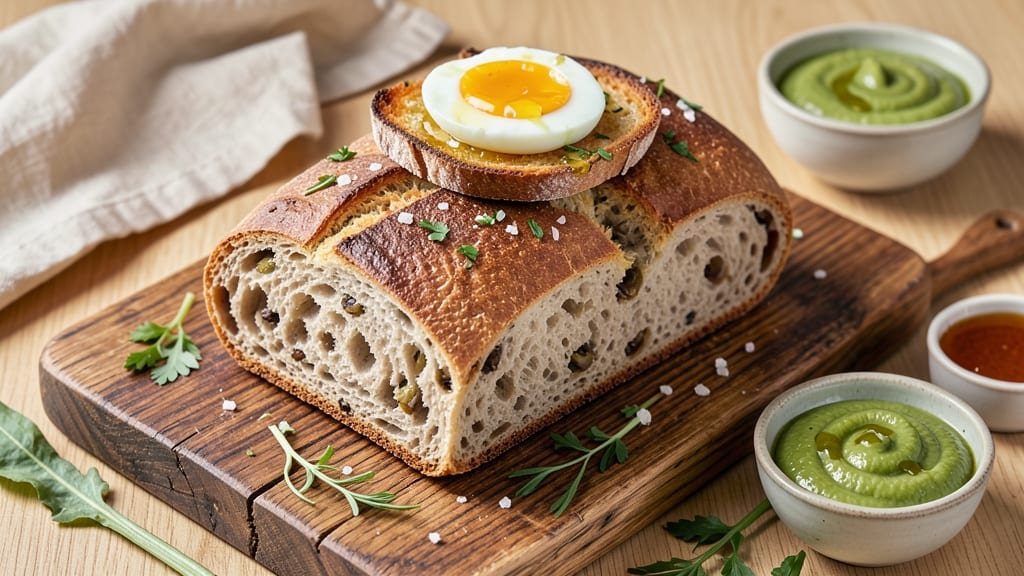
This Artoklasia bread recipe brings a taste of Greece to your table with its distinctive artichoke-infused dough and signature honey-walnut swirls. 🌟 The bread's crispy crust and tender crumb make it perfect for pairing with soups, meats, or enjoying on its own.
What sets this recipe apart is the traditional artichoke paste, which gives the dough its unique flavor and texture.
The process begins with a simple dough enriched with artichoke paste, walnuts, and a touch of honey for sweetness. Shaping the dough into a round loaf and creating those iconic swirls adds both visual appeal and a delightful texture contrast.
Baking it until golden brown ensures a satisfying crunch that's hard to resist.
What makes Artoklasia bread truly special is its versatility—it works as a hearty side dish for grilled meats or as an appetizer on its own. The combination of artichoke, walnut, and honey creates a flavor profile that's both savory and slightly sweet, making it a standout in any meal.
Whether you're serving it at a family gathering or simply looking to elevate your dinner table, this recipe delivers restaurant-quality results with minimal effort. The key lies in the balance of ingredients and the careful shaping technique that creates those beautiful swirls.
Ingredients for artoklasia bread
Gather these essential ingredients for Greece-inspired artichoke-walnut swirl bread with golden crust.
| Ingredient | Amount | Notes |
|---|---|---|
| All-Purpose Flour 🌾 | 4 cups | Unbleached preferred for texture |
| Active Dry Yeast 🍞 | 1 packet | Or 2.25 tsp instant yeast |
| Granulated Sugar 🍚 | 1 tbsp | For yeast activation |
| Warm Water 💧 | 1 ¼ cups | 110°F for yeast activation |
| Extra-Virgin Olive Oil 🫒 | ½ cup | Plus extra for brushing |
| Artichoke Paste 🌿 | ½ cup | High-quality jarred preferred |
| Honey 🍯 | ¼ cup | Thick variety for texture |
| Chopped Walnuts 🥜 | ½ cup | Toasted for enhanced flavor |
| Salt 🧂 | 1 ½ tsp | Diamond Crystal preferred |
| Cornmeal 🌽 | 2 tbsp | For dusting dough |
| Coarse Sea Salt 🧂 | 1 tsp | For sprinkling crust |
| Sesame Seeds 🌱 | 1 tbsp | Optional for garnish |
The artichoke paste is the heart of this recipe. Look for high-quality jarred paste at specialty stores or well-stocked supermarkets like Whole Foods—avoid the watery kind. For walnuts, toast them lightly in a dry pan until fragrant to deepen their flavor. The honey should be thick and natural; Manuka or local Greek honey works beautifully. Flour matters too—King Arthur or Caputo brands yield the best results for this dough. Store your yeast in the freezer to maintain freshness, and let it warm to room temperature before activating.
No artichoke paste? Pureed canned artichoke hearts work in a pinch—strain out excess liquid first. Running short on walnuts? Pecans or almonds can substitute at the same quantity. For honey alternatives, maple syrup or agave work, though they'll alter the flavor slightly. The olive oil should be extra-virgin; California or Italian varieties provide the best fruity notes. If your cornmeal is old, toast it briefly in a dry pan to restore crispness. For yeast activation, always use warm water—too hot kills it, too cold won't activate—aim for 110°F.
Store your artichoke paste in the pantry for up to 6 months after opening, and walnuts keep well in the fridge for 2 months in an airtight container. The dough can be shaped and refrigerated overnight for easier handling. For best results, bake the bread immediately after shaping, as the dough begins to relax. Leftovers? Toast slices for 5 minutes to restore crispness. This bread freezes beautifully—wrap tightly and thaw at room temperature before reheating.
Why You'll Love This Recipe
- No-Knead Magic: I swear by this—just mix, wait, and bake. The yeast and olive oil do all the heavy lifting while I sip coffee. No stand mixer, no stress, just golden crust when it’s ready.
- Sweet & Savory Flex: That touch of sugar in the dough? It’s the secret to a bread that’s almost dessert—perfect for dipping in olive oil or pairing with charcuterie. Honestly, I’ve eaten it plain at 10 PM and never regretted it.
- Weeknight Workhorse: Slice it for toast, tear it for sandwiches, or freeze half for lazy mornings. It’s my go-to when I’m too tired to think, but still want something feels special. (Yes, even on a Tuesday night.)
- Pantry Staple Power: Five ingredients, zero specialty items, and it costs less than takeout. The leftovers? Toast them up the next day—they’re even better with a sprinkle of flaky salt. Budget-friendly doesn’t mean boring.
Step-by-step instructions for artoklasia bread
Master this traditional Greek bread with its signature walnut-honey swirls and golden crust.
👨🍳 Step 1: Activate the Yeast and Mix the Dough
In a small bowl, combine the 1.25 cups warm water (about 110°F) with the 1 tbsp granulated sugar and 1 packet active dry yeast. Let it sit for 5-10 minutes until frothy—this confirms your yeast is active. If it doesn't bubble, start over with fresh yeast.
In a large bowl, whisk together the 4 cups all-purpose flour and 1.5 tsp salt. Make a well in the center and pour in the yeast mixture along with the 0.5 cup extra-virgin olive oil. Stir with a wooden spoon until a shaggy dough forms, then turn it out onto a lightly floured surface. Knead for 8-10 minutes until smooth and elastic, adding extra flour only if needed to prevent sticking.
🍳 Step 2: Prepare the Walnut-Honey Filling
In a small bowl, mix the 0.5 cup chopped walnuts, 0.25 cup honey, and 0.5 cup artichoke paste until well combined. The mixture should be thick but spreadable—if it's too stiff, add 1 tsp warm water to loosen. Set aside while you shape the dough.
Here's the thing—this filling is what makes artoklasia special. The walnuts add texture, the honey balances the artichoke's earthiness, and the paste gives that distinctive Mediterranean flavor. Don't skip the artichoke; it's the soul of this bread.
🥘 Step 3: Shape and Swirl the Dough
Divide the dough into 4 equal pieces (about 8 ounces each) and roll each into a 12-inch circle on a floured surface. Spread 1-2 tablespoons of the walnut-honey mixture onto each circle, leaving a ½-inch border uncovered. Roll each up tightly from the center outward, like a jelly roll.
Place the rolls seam-side down in a greased 9x13-inch baking dish. Brush the tops with remaining olive oil and sprinkle with 2 tbsp cornmeal. Cover with a clean kitchen towel and let rise in a warm place for 1-1.5 hours until nearly doubled in size. The dough should spring back slowly when pressed.
🔥 Step 4: Bake to Golden Perfection
Preheat your oven to 375°F. While it heats, sprinkle the risen dough with 1 tsp coarse sea salt and 1 tbsp sesame seeds for that signature crunch. Bake for 30-35 minutes until the top is deep golden brown and the internal temperature reaches 190°F.
I know it looks underdone when you first take it out—don't panic. The bread continues cooking as it sits in the hot pan. Let it cool in the baking dish for 10 minutes before transferring to a wire rack. The crust will firm up as it cools, developing that perfect crunch.
⏰ Step 5: Rest and Serve
Slice the artoklasia into ½-inch thick pieces and serve warm. The walnut-honey filling should be gooey but not runny, and the crust should shatter with each bite. For the best experience, serve with a pat of softened butter or alongside a Greek salad.
This bread keeps well at room temperature for 2 days wrapped in a clean towel, or you can freeze slices for up to 3 months. The flavors actually improve slightly as it sits, making it perfect for meal prep.
Pro Tips For Making Artoklasia Bread
- Bloom Yeast First: Skip mixing yeast directly into flour—it’s lazy baking. Dissolve it in warm water (about 110°F) with a pinch of sugar first, then let it sit for 5-10 minutes until frothy. I learned this the hard way after kneading dough that smelled like vinegar because the yeast was dead on contact.
- Measure Flour Right: Don’t scoop flour from the bag—it packs and throws off ratios. Spoon it into a measuring cup, then level it off with a knife. I used to eyeball it, and my artoklasia turned out either dense or crumbly. This recipe relies on precision, so don’t skip it.
- Oil the Bowl Properly: Coat your mixing bowl with extra-virgin olive oil—not just a drizzle. Use about 1 tablespoon, then rub it around with your hands so the dough doesn’t stick. I was skeptical until I tried it; now I swear by it for that perfect pull-apart texture.
- Let It Rise Twice: The second rise is where the magic happens—don’t rush it. After shaping, let the dough rise in a warm spot until it’s almost doubled, then bake. I used to cut corners here, and my bread came out flat. Patience here guarantees a light, airy crumb.
Pro cooking tips for artoklasia bread
Dough Temperature Control
Keep your dough at 75-78°F during kneading and shaping for optimal rise. I use a digital thermometer to check—too cold and it won't rise properly; too warm and the yeast activates too fast.
If your kitchen feels chilly, place the dough bowl in a slightly warmed oven (100°F) for 5 minutes before shaping. This small adjustment makes all the difference in texture. 🌡️
Artichoke Paste Consistency
The artichoke paste should be thick enough to hold its shape when spread but still spreadable. If it's too stiff, mix in 1 tsp warm water at a time until you reach the right consistency.
I've found Whole Foods 365 brand artichoke paste works best—it's smooth and chunk-free. Avoid watery brands that will make your dough soggy. The paste should coat the back of a spoon without dripping.
Perfect Walnut-Honey Ratio
Balance the flavors by using equal parts honey and artichoke paste (½ cup each) with ½ cup walnuts. The honey should be thick—Manuka honey works beautifully—but avoid runny varieties that will make the filling too wet.
Toast the walnuts first to deepen their flavor. I like to pulse them briefly in a food processor for a finer texture that blends better with the dough.
Swirl Shaping Secrets
For neat swirls, roll each dough circle to 12 inches with even thickness. Spread the filling in a ½-inch border from the edge, then roll tightly from the center outward. Press the edges gently to seal any gaps.
I use a bench scraper to help create clean edges. The key is even pressure—don't pull too tight or the filling will squeeze out during baking. 💫
Oven Spring Technique
For maximum rise, place your shaped dough in a cold oven, then turn it on to 375°F. This gradual temperature change gives the yeast one last burst of activity.
I also like to spray the baking dish with water before adding the dough—this creates steam during baking for an extra-soft crumb. The bread should spring back slowly when pressed before baking.
Crust Development Tips
For that signature crispy crust, brush the risen dough with extra olive oil and sprinkle with coarse sea salt right before baking. I use Maldon flaky salt for the best texture. The salt enhances the crust's crunch while balancing the sweetness.
Bake until the internal temperature reaches 190°F—this ensures the crust develops fully while keeping the interior tender. Let it cool completely before slicing for clean cuts. ✨
Nutrition facts
Frequently asked questions
What makes artoklasia bread different from regular Greek bread?
This bread stands out with its unique artichoke-infused dough and signature walnut-honey swirls. While traditional Greek breads like pita or feta bread rely on simple ingredients, artoklasia incorporates artichoke paste for depth and walnuts/honey for texture and sweetness. The shaping technique creates those beautiful swirls that make it visually distinct too.
Can I substitute artichoke paste with something else?
For best results, stick with artichoke paste as it's the soul of this recipe. If unavailable, you could use ½ cup puréed canned artichoke hearts (strain out excess liquid first) or 2 tbsp sun-dried tomato paste for a similar umami boost. The flavor won't be identical, but it'll still be delicious!
How do I prevent the walnut-honey filling from leaking out?
Roll your dough circles to even thickness and spread the filling within a ½-inch border from the edge. Roll tightly from the center outward, pressing edges gently to seal. For extra security, chill the shaped bread for 30 minutes before baking—this helps the dough firm up and contain the filling.
Is this bread gluten-free?
No, this traditional recipe uses all-purpose flour and isn't gluten-free. For a GF version, substitute with a 1:1 gluten-free flour blend (like Bob's Red Mill) and add ½ tsp xanthan gum. Expect the texture to be slightly denser, and you may need to adjust the liquid slightly for proper dough consistency.
Can I make this bread without honey?
Yes! Replace the honey with ¼ cup maple syrup or 2 tbsp extra olive oil for a savory version. The sweetness helps balance the artichoke's earthiness, but it's optional. If omitting honey entirely, consider adding ½ tsp dried oregano to enhance the Mediterranean flavors.