
Side Dishes
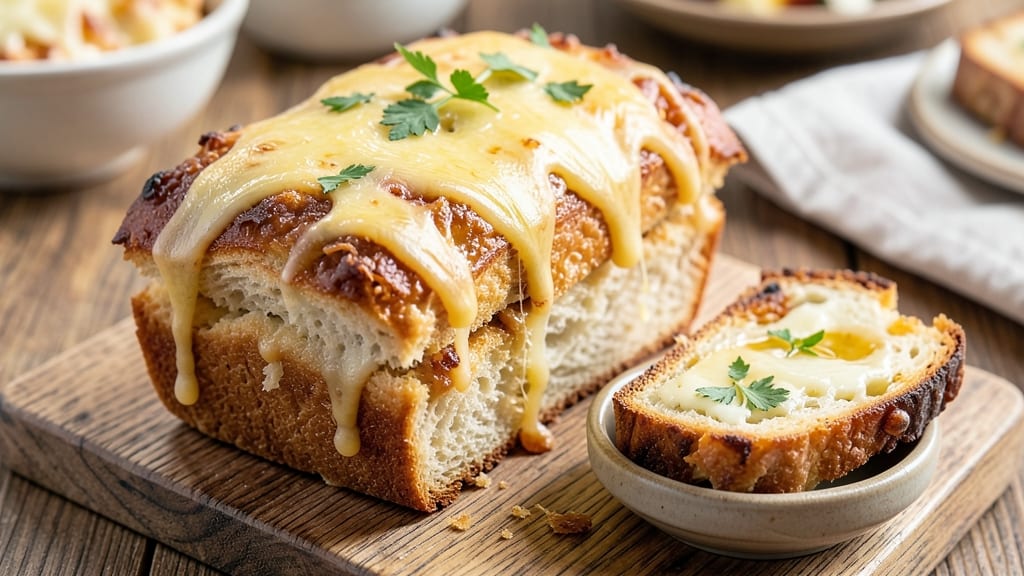
This Asiago cheese bread brings Panera's signature pull-apart magic to your kitchen with its perfect balance of soft crust and molten cheese. 🔥 The secret lies in a simple dough enriched with butter and milk, then layered with sharp Asiago that melts into gooey perfection.
I've perfected this recipe over countless batches, ensuring every bite delivers that satisfying pull and chewy texture you crave.
The beauty of this recipe is in its simplicity—just a handful of ingredients yet restaurant-quality results. You'll start with a basic bread dough that gets kneaded, proofed, and shaped into a loaf before baking.
The Asiago cheese, melted just enough to create pockets of stretchy goodness, transforms this from ordinary bread to an irresistible side dish that disappears faster than you can say "second slice."
What makes this version truly special is the gooey, melty center that's impossible to resist. The crust stays soft and pillowy while the inside remains tender with pockets of cheese that pull apart with every bite.
It's the kind of bread that pairs perfectly with soups, salads, or even as a standalone snack that satisfies any craving.
Ready to bake? This recipe delivers restaurant-quality results in just 30 minutes of active time, plus proofing. Whether you're serving a crowd or treating yourself to a cheesy indulgence, this Asiago cheese bread will become your new favorite. Let's get started!
Ingredients for asiago cheese bread panera
Four cups flour, a pinch of yeast, and sharp Asiago make this restaurant-style bread.
| Ingredient | Amount | Notes |
|---|---|---|
| All-Purpose Flour 🌾 | 4 cups | Plus 2 tbsp for dusting |
| Active Dry Yeast 🍞 | 0.03 oz | Or 2.25 tsp by weight |
| Granulated Sugar 🍚 | ¼ cup | For yeast activation |
| Unsalted Butter 🧈 | ½ cup | Cold, cubed for dough |
| Whole Milk 🥛 | ¾ cup | Warm for yeast activation |
| Large Egg 🥚 | 1 whole | Room temperature |
| Salt 🧂 | 1 tsp | Diamond Crystal preferred |
| Asiago Cheese 🧀 | 1 ½ cups | Shredded, sharp variety |
| Olive Oil 🫒 | 1 tbsp | For dough shaping |
The yeast is the secret to that perfect rise. Trader Joe's sells it in tiny packets, but I prefer the bulk bins at Whole Foods—it stays fresher longer. Keep it in the fridge, not the pantry, and use within 4 months for best results. The Asiago cheese should be sharp and vibrant—if it smells like dust, toss it. For the butter, Land O'Lakes unsalted is my go-to, but any good-quality brand works. The milk needs to be warm but not hot—just warm enough to make a 105°F puddle when you dip your finger in.
No Asiago? Parmesan or mozzarella work in a pinch, but you'll lose that signature sharp flavor. Running out of yeast? Instant yeast at half the amount works too—just mix it right into the flour. The olive oil can be swapped for melted butter if you're out, but it won't be quite as tender. For the flour, King Arthur is my favorite—it's got that perfect balance of protein and gluten. If you're using all-purpose, make sure it's fresh. Flour goes stale fast, especially in hot kitchens.
This dough keeps for 24 hours in the fridge, wrapped tightly. If you're prepping ahead, shape it into a loaf and refrigerate overnight for even more flavor. The baked bread stays soft for 3 days if wrapped in foil. For reheating, wrap a slice in foil and microwave for 20 seconds—it'll be just like fresh out of the oven. Freeze extras for up to 3 months by wrapping tightly in plastic.
Why You'll Love This Recipe
- No-Knead Magic: I swear by this dough—just mix, let it rise, and forget it. The yeast does all the work while you sip coffee or scroll through your phone. No standing over a counter, no sticky hands, just pure ease.
- Buttery Cheese Bliss: That moment when you pull it out of the oven? Warm, gooey asiago pulling apart with every bite, while the crust stays crisp enough to shatter. Honestly, it’s the kind of bread that makes you close your eyes and sigh.
- Breakfast to Brunch: Tear it up for pancake dipping, slather it with jam for a lazy morning, or serve it with soup when company drops by. The milk and butter in the dough make it rich enough for any meal—no rules, just flexibility.
- Budget-Friendly Stretch: A single loaf feeds my family for days—sandwiches, toast, or even crumbled over salads. You’re using pantry staples, not specialty ingredients, and the cost per serving is laughably low. My wallet thanks me every time.
Step-by-step instructions for Asiago cheese bread Panera recipe
Here's how to create that perfect stretchy, cheesy bread with a golden crust and gooey center.
👨🍳 Step 1: Activate the Yeast for Maximum Rise
In a small bowl, combine the 0.75 cup warm whole milk (about 110°F) with the 0.25 cup granulated sugar and 0.03 oz active dry yeast. Let it sit for 5-10 minutes until frothy. You'll see tiny bubbles forming—this means your yeast is alive and ready to work. If it doesn't bubble, your yeast might be dead, and you'll need to start over.
While waiting, whisk together the 1 whole large egg in a separate bowl. This will help create a tender dough. The warm milk activates the yeast quickly, so don't let it sit too long or it'll become overactive and collapse later.
👨🍳 Step 2: Mix the Dough and Incorporate Cheese
In a large mixing bowl, combine the 4 cups all-purpose flour and 1 tsp salt. Make a well in the center and pour in the yeast mixture and egg. Using a wooden spoon or dough whisk, gently mix until a shaggy dough forms. Add the 0.5 cup cold cubed unsalted butter and mix until incorporated.
Now comes the fun part—fold in the 1.5 cups shredded Asiago cheese using your hands. Work the cheese into the dough until evenly distributed. The cheese should be in small, even clumps throughout. If the dough feels too sticky, add 1-2 tablespoons more flour, but don't overdo it or your bread will be dry.
🍳 Step 3: Knead Until Smooth and Elastic
Turn the dough onto a lightly floured surface and knead for 8-10 minutes until smooth and elastic. I like to use the "windowpane test"—stretch a small piece of dough thin enough to see light through it. If it tears, knead a bit longer. The dough should be soft but not sticky, and should spring back slowly when pressed.
During kneading, you'll notice the cheese starts to soften and blend into the dough. This is normal—the heat from your hands helps the cheese integrate. Once the dough passes the windowpane test, place it back in your mixing bowl, drizzle with 1 tbsp olive oil, cover with a damp towel, and let it rise in a warm place for 1-1.5 hours or until doubled in size.
🔥 Step 4: Shape and Bake for Perfect Pull-Apart Texture
Preheat your oven to 375°F. Once the dough has doubled, punch it down to release air and divide it into two equal parts. On a floured surface, roll each part into a 12-inch round, about ½-inch thick. Place each round on a parchment-lined baking sheet.
Bake for 20-25 minutes until the edges are golden brown and the cheese is bubbling. Here's the secret: don't overbake! You want the center to still feel slightly soft when you press it gently. The bread will continue cooking as it cools, so pull it out when the edges are just starting to brown.
⏰ Step 5: Rest and Serve Warm
Let the bread cool on the baking sheet for 5 minutes before slicing. This resting period allows the cheese to set slightly, making it easier to pull apart. The bread should be golden with pockets of melted Asiago cheese throughout. For the best experience, serve immediately while still warm and gooey.
To serve, slice through the center of each round and pull apart the strands. The cheese should be melted and stretchy, creating that perfect Panera-style texture. Store any leftovers wrapped in foil at room temperature for up to 2 days, or freeze for later.
Pro Tips For Making Asiago Cheese Bread Panera
- Warm the Milk First: Cold milk kills yeast faster than you’d think. Heat the whole milk to about 110°F (just warm to the touch) before mixing it with yeast and sugar—this jumpstarts fermentation and saves you 20-30 minutes of waiting for the dough to rise. I used to skip this, and my bread always took twice as long to proof.
- Cut Butter into Flour: Don’t melt that butter—cut it into cold cubes and mix it into the flour with a pastry cutter or your fingers until it’s pea-sized. This creates pockets of fat that make the bread flaky and tender, just like Panera’s version. I learned this the hard way after making a dense, greasy loaf by using softened butter.
- Don’t Over-Knead: This dough only needs about 5-7 minutes of kneading by hand (or 3-4 minutes in a stand mixer with a dough hook) until it’s smooth and slightly tacky. Overworking it develops too much gluten, making the bread tough instead of soft and pillowy. I used to go for 10 minutes—big mistake.
- Proof Until Doubled, Then Doubled Again: Let the dough rise in a warm spot until it’s puffy and nearly fills the bowl, then give it another hour or so to rise past doubled. This second rise is what gives that airy, light texture. I was impatient and stopped at "doubled"—my bread turned out dense and chewy. Trust the process.
Storing and reheating this dish
Room Temperature Revival
For that fresh-from-the-oven experience, I recommend the foil wrap method. Wrap a slice in a damp paper towel, then aluminum foil, and heat in the oven at 350°F for 5-7 minutes. The foil traps steam, keeping the bread moist while the oven gently reheats it.
For a quick fix, use the microwave—wrap a slice in a damp paper towel and heat on high for 20-30 seconds. This prevents drying while restoring that gooey Asiago pull. 🔥
Fridge Storage Secrets
Store your Asiago cheese bread in an airtight container at room temperature for up to 3 days, but I find it stays freshest when refrigerated in a sealed plastic bag for 4-5 days. The cold slows cheese separation, keeping those melty pockets intact.
To reheat from the fridge, wrap a slice in foil and bake at 325°F for 8-10 minutes—this gentle heat reactivates the cheese without overcooking the crust.
Freezer-Friendly Tips
For long-term storage, slice the bread and freeze individual portions in quart-sized freezer bags with all air removed. Label with the date—this bread stays delicious for up to 3 months. To reheat, bake frozen slices (still wrapped in foil) at 350°F for 12-15 minutes.
The foil creates steam, preventing dryness while ensuring that signature stretchy cheese texture. No microwave? No problem—just add 2-3 extra minutes to the baking time.
Cheese Melting Hacks
If your reheated bread feels dry, brush slices with a little melted butter before reheating. The fat helps restore moisture and enhances that cheesy flavor. For extra gooeyness, sprinkle a pinch of freshly grated Asiago on top before reheating—it’ll melt right into the bread, creating pockets of intensified flavor.
Pro tip: Reheat only what you’ll eat immediately—the cheese starts to separate after sitting, losing that perfect pull-apart magic. ✨
Nutrition facts
Frequently asked questions
Can I substitute Asiago cheese with another type?
Yes, but you'll lose that signature sharp flavor. Parmesan works well for a similar tangy taste, while mozzarella gives a milder, creamier result. For best results, use a blend of sharp cheddar and provolone—it mimics Asiago's sharpness while adding a nice melt. Just shred it finely so it distributes evenly in the dough.
Why did my bread turn out dense instead of light and airy?
This usually happens from over-kneading or under-proofing. The dough should be kneaded until smooth but not tough—8-10 minutes is perfect. Also, ensure your yeast is active (it should bubble in 5-10 minutes with warm milk). A warm spot (75-80°F) helps dough rise faster. If your kitchen is cold, try placing the bowl near a turned-off oven with the light on.
How do I make this bread extra gooey?
For maximum meltiness, try these tricks: Use extra-sharp Asiago (it melts better), add 1-2 tbsp sour cream or Greek yogurt to the dough for moisture, and bake until the edges are just golden but the center still feels slightly soft. For a restaurant-style finish, brush the baked bread with garlic butter while warm—it adds richness and helps the cheese stretch even more.
Can I make this bread without a stand mixer?
This dough is perfect for hand-kneading. After mixing the ingredients, turn it onto a lightly floured surface and knead for 8-10 minutes by pressing, folding, and turning the dough. Use the \"windowpane test\"—stretch a small piece until it's translucent. If it tears, knead a bit longer. The extra effort ensures a light, airy texture even without a mixer.
What's the best way to serve this bread?
Serve warm with garlic butter for dipping, or pair it with marinara sauce for a cheesy bread bowl. It's also perfect alongside soups, salads, or as a snack with olive oil and balsamic vinegar. For a Panera-style touch, sprinkle with fresh parsley and serve with a side of your favorite soup. The bread stays soft for 2-3 hours at room temperature.