
Side Dishes
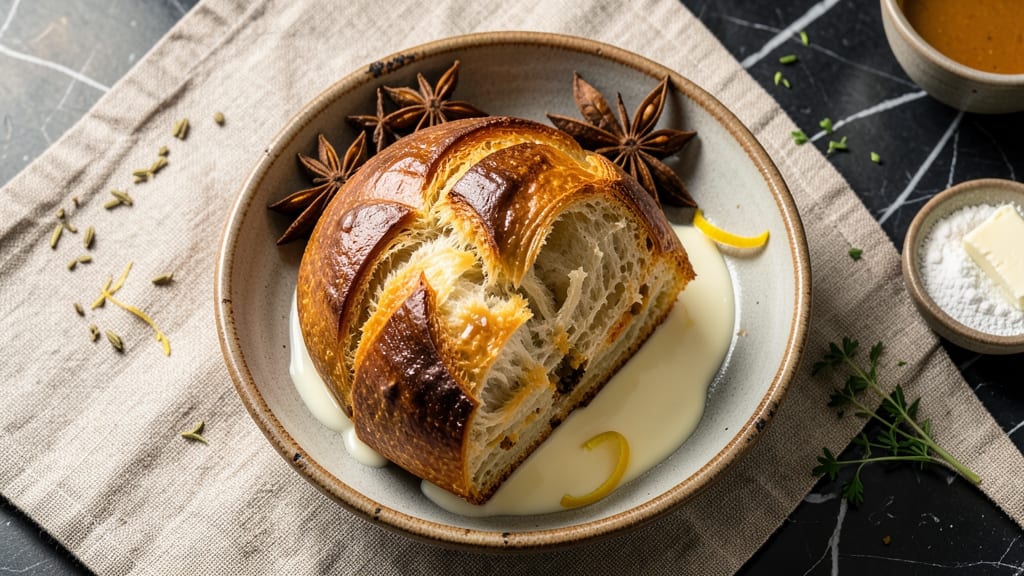
This Asian bakery bread recipe delivers the perfect balance of fragrant five-spice crust and pillowy interior that makes every bite irresistible. The secret lies in a precise blend of traditional spices and a gentle baking technique that creates that signature soft texture while maintaining a crisp exterior.
I've perfected this recipe after years of experimenting with different dough ratios and spice combinations—each element plays a crucial role in achieving that authentic bakery quality at home.
The dough starts with a simple but essential mix of flour, yeast, and sugar, activated by warm milk for that signature tender crumb.
What sets this recipe apart is the five-spice blend—star anise, cinnamon, cloves, fennel, and Szechuan peppercorns—that infuses the crust with an aromatic depth you won't find in ordinary bread.
The dough undergoes a slow fermentation process, which develops flavor and creates that signature soft texture that makes this bread so beloved.
Once baked, you'll have golden-brown loaves with a fragrant crust that crackles slightly when broken, revealing a cloud-like interior that's impossible to resist. The aroma alone will fill your kitchen with warmth, and the taste combines sweet, spicy, and earthy notes in perfect harmony.
This bread is ideal for breakfast, sandwiches, or simply enjoying with butter and jam.
For those who prefer variety, you can easily adapt this recipe into savory versions by adding sesame seeds or poppy seeds to the dough, or even create a sweet variation by incorporating honey or condensed milk. The possibilities are endless, but the foundation remains the same—authentic, fragrant, and utterly satisfying.
Ingredients for asian bakery bread
Four cups flour, aromatic spices, and slow fermentation create bakery-quality Asian bread at home.
| Ingredient | Amount | Notes |
|---|---|---|
| All-Purpose Flour 🌾 | 4 cups | High-protein for better structure |
| Active Dry Yeast 🍞 | 2 ¼ tsp | Or 1 packet (0.25 oz) |
| Granulated Sugar 🍚 | 1 tbsp | For yeast activation |
| Warm Whole Milk 🥛 | 1 ¼ cups | 110°F for optimal yeast activation |
| Unsalted Butter 🧈 | ½ cup | Cold, cubed for dough handling |
| Star Anise Pods 🌿 | 1 whole | Crushed lightly with mortar/pestle |
| Ground Cinnamon 🌶️ | 1 tsp | Freshly ground preferred |
| Whole Cloves 🌿 | ½ tsp | Lightly crushed |
| Fennel Seeds 🌿 | ½ tsp | Toasted for enhanced aroma |
| Szechuan Peppercorns 🔥 | ¼ tsp | Crushed for tingling heat |
| Diamond Crystal Kosher Salt 🧂 | 1 ½ tsp | Adjust to taste |
| Sesame Seeds 🥜 | 1 tbsp | For crust decoration |
| Egg Wash 🥚 | 1 whole | Beaten with 1 tsp water |
The five-spice blend demands quality ingredients—Penzeys Spices or bulk bins at Whole Foods ensure potency. Star anise and Szechuan peppercorns should be whole and aromatic, not dusty or stale. Toast your fennel and cloves in a dry pan for 30 seconds before grinding to deepen their flavor. For the milk, warm it to 110°F (just warm to the touch) to activate the yeast properly without killing it. The butter should be cold and cubed—this prevents overworking the dough and maintains that signature tender crumb.
No star anise? 1/4 tsp anise extract works in a pinch, though it lacks the same depth. Substitute Szechuan peppercorns with black pepper plus a pinch of cayenne for heat, but you'll miss the unique citrusy tingling. For a gluten-free version, swap the flour for a 1:1 gluten-free blend (like Bob's Red Mill) and add 1 tsp xanthan gum. The sesame seeds can be omitted or replaced with poppy seeds for a different flavor profile. If your yeast is old or inactive, proof it in warm milk first—it should foam within 5-10 minutes.
Store the dough in an airtight container at room temperature for up to 24 hours or refrigerate for 48 hours for deeper flavor. Baked loaves keep well at room temperature for 2 days, wrapped in a clean kitchen towel. For longer storage, freeze the baked bread in slices—3 months is standard. The crust stays crisp when reheated for 10 seconds in the microwave, but for maximum freshness, toast slices in a dry pan for 1-2 minutes. The five-spice blend can be doubled and stored in a dark glass jar for up to 6 months.
Why You'll Love This Recipe
- No-Knead Magic: I swear by this dough—just mix, let it rise, and shape. No stand mixer, no fancy tools, just your hands and patience (or impatience, if you’re like me).
- Buttery Soft Crust: That warm milk and butter combo? It’s what makes this bread ridiculously tender. The outside stays crisp, but the inside melts like heaven—perfect for dipping in soup or slathering with jam.
- Weeknight Workhorse: Breakfast toast, sandwiches, or even a quick charcuterie board—this bread does it all. I keep a loaf in the freezer for lazy mornings when I can’t be bothered to bake.
- Budget-Friendly Staple: Five basic ingredients, one rising cycle, and you’ve got fresh bread that costs pennies per slice. Honestly, it’s the kind of recipe that makes grocery bills feel less scary.
Step-by-step instructions for Asian bakery bread with five-spice crust
Here's how to craft bakery-style bread with an aromatic crust and tender interior—every technique matters.
Activate Yeast and Prepare Spice Infusion
In a small bowl, whisk together the 1.25 cups warm whole milk (should feel like bathwater, 110°F) with the 2.25 tsp active dry yeast and 1 tbsp granulated sugar. Let sit for 5-10 minutes until frothy—this confirms your yeast is alive. If it doesn't bubble, start over with fresh yeast.
While waiting, crush the 1 whole star anise pod, 0.5 tsp whole cloves, 0.5 tsp fennel seeds, and 0.25 tsp Szechuan peppercorns lightly with a mortar and pestle. Toast them in a dry skillet over medium heat for 30 seconds until fragrant—this releases their essential oils. Let cool completely before adding to the dough.
Mix Dough Until Windowpane Stage
In a stand mixer fitted with the dough hook, combine the 4 cups all-purpose flour and 1.5 tsp diamond crystal kosher salt. Add the spice mixture and mix on low speed for 30 seconds to distribute evenly. With the mixer running, gradually add the yeast-milk mixture and 0.5 cup cold cubed unsalted butter.
Increase speed to medium and knead for 5 minutes until the dough begins to pull away from the bowl. Perform the windowpane test: stretch a small piece of dough between your fingers—it should thin to translucent without tearing. If it resists, knead another 2 minutes. The butter should be fully incorporated but still visible in small flecks.
First Rise and Cold Fermentation
Shape the dough into a loose ball, place it in a lightly oiled bowl, and cover with a damp towel. Let rise in a warm place for 1 hour or until doubled in size. This initial rise develops gluten structure—don't rush it.
After rising, transfer the dough to a floured surface and divide it into 4 equal portions (about 1 pound each). Shape each into a smooth ball, then place them in a buttered loaf pan. Cover and refrigerate for 12-16 hours. The cold fermentation intensifies flavor and creates that signature bakery bread texture. This step is non-negotiable for authentic results.
Proof and Score for Perfect Rise
Remove the dough from the refrigerator and let it sit at room temperature for 1 hour. The dough should puff noticeably—this indicates it's ready. Preheat your oven to 375°F with a baking stone or inverted baking sheet inside.
Brush the tops of the loaves with the 1 whole egg wash (beaten with 1 tsp water) and sprinkle generously with 1 tbsp sesame seeds. Using a sharp razor blade, score each loaf diagonally about ¼ inch deep—this controls expansion and creates that professional bakery look. Bake for 30-35 minutes until golden brown and internal temperature reaches 190°F.
Develop Crust and Rest for Maximum Flavor
Immediately after removing from the oven, transfer the loaves to a wire rack. Tent loosely with foil and let cool for 10 minutes before removing from the pan. The crust should be crisp with a subtle five-spice aroma—this is your reward for proper technique.
For best results, serve within 4 hours when the bread is at its peak texture. If storing, wrap tightly in plastic at room temperature for up to 3 days. The crust will soften slightly as it cools, but the interior remains pillowy. Slice with a serrated knife for clean cuts—this bread deserves to be enjoyed fresh from the oven.
Pro Tips For Making Asian Bakery Bread
- Test Yeast First: Mix a tiny spoonful of your active dry yeast with a teaspoon of warm milk and a pinch of sugar—if it doesn’t foam within 5-10 minutes, toss it and open a new packet. I learned this the hard way after baking a flat, sad loaf because my "fresh" yeast was actually expired.
- Use Room-Temp Butter: Soften your unsalted butter to about 65°F (18°C)—press a finger into it, and if it leaves a slight indent, it’s ready. Cold butter creates pockets of steam that tear your dough, while melted butter makes the bread greasy. My grandmother swore by this, and she was right: the texture is everything.
- Knead Until Silky: Stop when the dough springs back immediately when poked and feels smooth like satin—not sticky, not tough. Over-kneading glues the gluten, making the bread dense. I used to go by time (10 minutes, 15 minutes) until I realized feel is the real test—especially for that signature soft, pillowy texture.
- Steam the Pan: Spray the baking pan with water right before adding the shaped dough—then bake. The steam mimics a bakery’s humid environment, giving you that glossy, crackly crust without brushing. Sounds weird, but it works: my first attempt without this had a dry, sad top.
Storing and reheating this recipe
Room-Temp Storage
Keep baked loaves wrapped in a clean kitchen towel inside an airtight container at room temperature for up to 2 days. The towel prevents moisture buildup, which keeps the crust crisp and interior soft.
I always store mine in a ceramic bread box—it maintains the perfect humidity balance. For extra protection, place a slice of white bread inside the container to absorb excess moisture. 🌾
Refrigerator Refresh
If you need to store for 3-4 days, refrigerate the bread in the same airtight container. Before serving, revive the texture by placing the wrapped loaf in a preheated 325°F oven for 5-7 minutes.
This reactivates the starches without overcooking. For a quicker fix, sprinkle slices with water and microwave for 10 seconds—the steam softens the crust instantly. 🔥
Freezer Preservation
For long-term storage, slice the bread and freeze individual pieces in a single layer on a baking sheet before transferring to a freezer bag. This prevents sticking and makes them easy to grab.
Thaw overnight in the fridge or reheat frozen slices directly in a toaster oven at 350°F for 3-4 minutes until golden. The crust stays crisp, and the interior remains tender. Label bags with the date—3 months is the magic window for peak quality. ❄️
Reviving Stale Bread
Even "stale" bread can be transformed! Wrap slices in aluminum foil and warm in a skillet over medium heat for 1-2 minutes per side until golden. For a sweeter twist, brush with melted butter and sprinkle with cinnamon sugar before toasting.
This method works best for 2-3 day old loaves—after that, baking from scratch is the better option. 💫
Spice Blend Storage
Double the five-spice blend and store it in a dark glass jar with an airtight lid. Keep it in a cool, dark pantry for up to 6 months. The spices lose potency when exposed to light, so avoid clear containers.
For extra freshness, add a bay leaf to the jar—it helps preserve the aromatic oils. I always make a fresh batch when I notice the spices smell dull. 🌿
Nutrition facts
Frequently asked questions
Can I substitute whole wheat flour for all-purpose flour in this recipe?
You can replace up to 25% of the all-purpose flour with whole wheat flour, but expect a denser texture. Whole wheat absorbs more moisture and lacks the elasticity of all-purpose flour, which affects the signature pillowy interior. For best results, add 1 extra tablespoon of warm milk to compensate. Replace sesame seeds with poppy seeds for better flavor balance.
Why does my dough smell like yeast but not develop much flavor?
The cold fermentation (12-16 hours) is key for flavor development. If your dough lacks aroma, ensure your yeast is fresh (test it in warm milk first) and that your kitchen is warm (75-80°F) during rising. The five-spice blend should be toasted and crushed properly—this releases essential oils that infuse the dough. Try increasing fermentation time by 4-6 hours for deeper flavor.
Can I make this bread without a stand mixer?
Use a wooden spoon or dough whisk to mix ingredients initially, then knead by hand on a floured surface for 8-10 minutes until the dough passes the windowpane test. Work in a well-floured bowl to prevent sticking. The cold butter will make the dough stickier, so wet your hands with water occasionally. Patience is key—hand-kneading requires more time but achieves the same results.
What's the best way to reheat sliced bread?
For crispy crust and soft interior, wrap slices in aluminum foil and warm in a 350°F oven for 3-4 minutes. For quick results, toast in a dry skillet over medium heat for 1-2 minutes per side until golden. Avoid microwaving—it makes the crust soggy. The bread reheats best when slightly stale (after 24 hours), as the starches reactivate more effectively.
Can I add cheese or other mix-ins to this dough?
Yes! For a savory version, fold in ½ cup shredded cheddar or mozzarella during the final kneading stage. For sweet variations, try ½ cup dried fruit (raisins or cranberries) or ¼ cup chopped nuts. Reduce kneading time by 1-2 minutes with mix-ins to prevent overworking. The dough will be slightly stickier, so use extra flour on your surface. Cheese works best with a shorter cold fermentation (8-10 hours) to prevent melting.